Table of Contents >> Show >> Hide
- What Is a Caesar Haircut?
- Why the Caesar Haircut Still Works
- Who Should Try a Caesar Haircut?
- Tools You Need for a Caesar Haircut
- How to Do a Caesar Haircut: Step by Step
- Best Styling Tips for a Caesar Haircut
- Common Caesar Haircut Mistakes to Avoid
- How to Ask a Barber for a Caesar Haircut
- How Often Should You Maintain a Caesar Haircut?
- Conclusion
- Real-World Experiences With a Caesar Haircut
- SEO Tags
The Caesar haircut is proof that some styles refuse to retire gracefully. Instead, they march back in, look sharper than ever, and remind everyone that short hair does not have to be boring. With its short length, forward texture, and blunt fringe, the Caesar is classic, practical, and just edgy enough to look intentional instead of accidental. In other words, it says, “Yes, I woke up like this,” but with better lighting and a barber’s touch.
If you want to learn how to do a Caesar haircut at home or simply understand what to ask for in the chair, this guide breaks it all down. We will cover what makes a Caesar a Caesar, the tools you need, how to cut it step by step, how to style it, which mistakes to avoid, and what real people tend to experience once they actually start wearing the cut. Think of this as your no-nonsense, no-keyword-stuffing, no-mysterious-barber-jargon roadmap to a haircut that has survived ancient Rome, the 1990s, and modern TikTok.
What Is a Caesar Haircut?
A Caesar haircut is a short men’s haircut defined by a short fringe across the forehead and hair that is styled forward from the crown toward the front. The sides and back are usually tapered or faded, while the top stays slightly longer so it can lie forward and create that signature cropped shape. Some versions are very clean and uniform. Others are textured, choppy, soft, curly, faded, or sharp enough to look like they pay taxes early.
The beauty of the Caesar cut is that it is both structured and flexible. A traditional Caesar is neat and blunt. A modern Caesar haircut often has more texture on top, more movement in the fringe, and a stronger fade on the sides. You can wear it with a low taper, a mid fade, a skin fade, or even a more scissor-cut finish if you want something softer and less severe.
Why the Caesar Haircut Still Works
The Caesar haircut stays relevant because it solves several problems at once. First, it is low maintenance compared with longer styles. Second, it works across multiple hair textures, including straight, wavy, and many curly patterns. Third, the forward fringe can help soften or balance a receding hairline. That alone has earned this cut a permanent seat in the barbershop hall of fame.
It also suits a wide range of face shapes. On round, oval, and square faces, the Caesar tends to look especially strong. If your face is longer or narrower, keeping the sides too full can make the shape look even longer, so a tighter side profile usually helps. Thick hair benefits from added texture to remove weight. Fine hair often looks fuller when the top is kept short and controlled instead of stretched into a style that clearly wants to quit.
Who Should Try a Caesar Haircut?
You should seriously consider a Caesar haircut if you want:
- A short haircut that still looks stylish, not military-issued
- A haircut that is easy to style in the morning
- A look that can help minimize the appearance of a receding hairline
- A cut that works well with fades, tapers, beards, and natural texture
- A haircut that grows out more gracefully than some super-precise trend cuts
You may want to tweak it rather than copy a textbook version if your hair is extremely curly, very coarse, or full of cowlicks near the hairline. In those cases, a textured Caesar with a softer fringe usually performs better than a super blunt, ruler-straight front. Hair has opinions. The goal is to work with those opinions, not start a daily argument.
Tools You Need for a Caesar Haircut
Before you start cutting, gather your gear. A Caesar is not the hardest haircut in the world, but it still deserves more respect than “I found kitchen scissors and a dream.”
Essential tools
- Hair clippers with guards
- Trimmer or detailer for edges and neckline
- Sharp haircutting scissors
- Comb
- Spray bottle with water
- Mirror setup that lets you see the back and sides
- Hair clips if your top section is longer
- Towel and cape, unless you enjoy finding hair in your shirt three hours later
If you are following a beginner-friendly clipper method, common guide lengths for a Caesar can move upward through the head, such as a shorter guard low on the sides, then longer guards as you move toward the top. A classic home-cut roadmap is to keep the bottom shorter, gradually increase length through the sides and upper head, and blend the transition zones afterward. That creates the tapered Caesar shape instead of a helmet effect.
How to Do a Caesar Haircut: Step by Step
Step 1: Start with clean, slightly damp hair
Wash the hair or at least dampen it with a spray bottle so it lies down naturally. Comb everything forward. This matters because the Caesar haircut depends on direction. If the hair is sticking up, parting itself, or doing jazz hands in three different directions, your guide will be off before you even begin.
Step 2: Decide the fringe length first
The fringe is the star of the show. If the front is wrong, the whole haircut feels wrong. Comb the hair straight down over the forehead and decide where you want the fringe to land. Most Caesars look best with the fringe sitting short and controlled above or around the eyebrow area, depending on texture and face shape.
Use your trimmer or clipper carefully, blade held horizontally, to create the front line. Go slow. Cut less than you think at first. You can always shorten it. You cannot negotiate with the hair once it is on the floor.
Step 3: Cut the lower sides and back
Now move to the lower sides and nape. Use a shorter guard here to establish the base. If you want a classic Caesar, keep this section neat and short but not bald. If you want a more dramatic modern Caesar fade, go tighter. Work upward with a gentle rocking motion as you approach the transition area so you do not carve a hard shelf into the head.
A practical beginner pattern is to use one shorter guard low on the head, then move one or two lengths longer as you climb upward. This keeps the cut structured and saves you from the dreaded “accidental cereal bowl” silhouette.
Step 4: Move up the head and preserve more length
As you reach the middle and upper sides, switch to longer guards. The Caesar needs the top to be longer than the lower perimeter, even if only by a little. That difference is what gives the haircut its shape and allows the hair to move forward naturally.
If you want a more classic clipper Caesar, you can continue using progressively longer guards until the top reaches about finger length to one inch. If you want a more customized result, use clipper-over-finger or scissors on the top. This is especially useful if your hair is thick, wavy, or uneven in growth patterns.
Step 5: Cut the top forward
Comb the top hair forward and cut it so it flows into the fringe rather than sits awkwardly behind it. The top should be short enough to stay controlled but long enough to create texture. Many modern Caesar haircuts look best when the top is not bluntly flat. A little point-cutting or texturizing can make the cut look more natural and less like a medieval helmet that stumbled into a sneaker store.
If your hair is thick, remove bulk carefully so the fringe does not puff forward like an angry hedge. If your hair is fine or thinning, keep the top more uniform so it looks fuller.
Step 6: Blend the transitions
This is the part that separates “clean Caesar” from “I cut this during a power outage.” Blend the lines between each clipper section with the guard size in between. If you used a shorter guard on the bottom and a longer one above it, go back with the middle guard and soften the border. Use light, upward flicking motions rather than pressing in too hard.
If needed, refine bulky spots with clipper-over-comb or scissor-over-comb. This technique helps follow the head shape more naturally and is especially helpful when the sides feel too heavy or disconnected.
Step 7: Detail the edges and neckline
Once the bulk is done, clean up the sideburns, around the ears, and the neckline with a trimmer. Keep the outline crisp, but do not turn your natural hairline into architectural fiction. A clean finish should look intentional, not overly carved.
Step 8: Style the Caesar haircut
Rub a small amount of product between your hands and work it through damp or dry hair, depending on the finish you want. Brush or push the hair forward with your fingers. For a matte, textured Caesar, use a clay, fiber, or wax. For more shine and polish, a light pomade or grooming cream works well. The key word here is small. Too much product on a short haircut turns “sharp” into “greasy parking lot philosopher.”
Best Styling Tips for a Caesar Haircut
For straight hair
Use a matte paste, fiber, or clay to keep the style defined without making it stiff. Straight hair can expose every cutting mistake, so texture is your friend.
For wavy hair
Keep enough length on top for the wave pattern to show. A softer Caesar often looks better than a strict one. Let the texture do some of the styling work for you.
For curly or coily hair
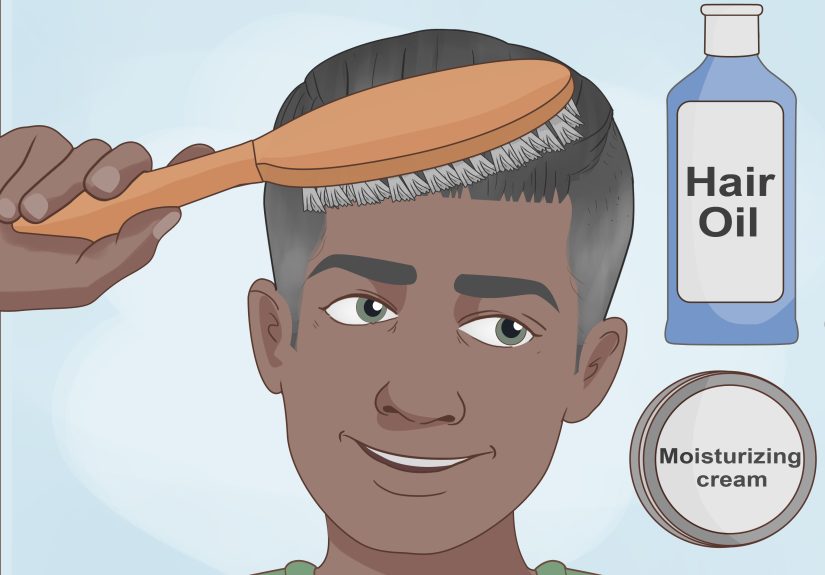
A Caesar can look fantastic with a taper or fade. Focus on shape, line, and a controlled front. Moisturizing products and curl-friendly creams can help define the top without crunch.
For thinning hair or a receding hairline
A forward fringe can help balance the hairline. Keep the sides tidy and the top controlled. Avoid overloading the hair with shiny, heavy products that separate the strands and reveal more scalp.
Common Caesar Haircut Mistakes to Avoid
- Cutting the fringe too short: This is the fastest route from Caesar to kindergarten mugshot.
- Leaving too much bulk on the sides: The haircut loses its shape and starts drifting toward mushroom territory.
- Skipping blending: Visible steps between guard lengths make the cut look unfinished.
- Using too much product: Short hair needs control, not shellac.
- Ignoring head shape: A Caesar should follow your actual head, not a haircut diagram from another universe.
How to Ask a Barber for a Caesar Haircut
If you are not cutting it yourself, tell your barber you want a Caesar haircut with a short, forward-styled top and a blunt or softly textured fringe. Then specify whether you want the sides tapered, low faded, mid faded, or skin faded. Mention the amount of texture you want on top and whether you prefer a sharper line or a softer natural finish.
A good request sounds like this: “I want a modern Caesar haircut with a short textured top, a fringe just above the eyebrows, and a low taper fade on the sides.” That is much better than saying, “Just make it look cool,” which is technically a request but not a helpful one.
How Often Should You Maintain a Caesar Haircut?
A Caesar haircut is low maintenance in daily styling, but it is not immortal. To keep the lines clean and the shape sharp, most people will want a trim every few weeks. If you wear a tighter fade or a very crisp fringe, maintenance needs to happen sooner. If you prefer a softer Caesar with more texture, you can usually stretch the timing a bit longer without the cut falling apart.
In between cuts, style the hair forward, use a lightweight product, and trim only if you know exactly what you are doing. “Exactly” is doing a lot of work in that sentence.
Conclusion
The Caesar haircut remains one of the best short hairstyles for men because it is simple, adaptable, and genuinely wearable. It suits different hair textures, pairs well with modern fades, and can be especially flattering if you want a style that looks intentional without demanding a morning production schedule. The secret is getting the fringe right, keeping the top controlled, and blending the sides properly.
If you are doing a Caesar haircut at home, take your time, work in small sections, and respect the blend. If you are going to a barber, be specific about the fringe, fade, and texture. Either way, once the shape is dialed in, the Caesar delivers exactly what most people want from a haircut: a clean look, easy styling, and just enough personality to make it clear you did not lose a bet.
Real-World Experiences With a Caesar Haircut
One of the most common experiences people have with a Caesar haircut is surprise. Not because the cut is wild, but because it looks better on more people than they expected. A lot of men assume a fringe is too bold or too “fashion” for them, then try a Caesar and realize the short front actually makes the haircut easier to wear. It gives structure without demanding a full styling routine. For guys who are used to pushing everything back or to the side, having a little fringe on the forehead often feels different for about two days, then oddly logical after that.
Another frequent experience is that the Caesar works especially well for people who were getting tired of fighting their hairline. Instead of trying to hide recession with a complicated combover or pretending the corners are not creeping back like suspicious houseplants, the Caesar changes the visual balance. The hair moves forward, the forehead line feels more intentional, and the overall result looks sharper. It does not magically grow more hair, obviously. It just uses what is there in a smarter way, which is honestly what most good grooming decisions are about.
Men with thick hair often report that their first Caesar looked too bulky until the barber added more texture. That is a very real lesson with this style. A Caesar is not just “short hair with bangs.” The shape has to be customized. Thick straight hair can puff up in front if the top is too blunt. Wavy hair can look fantastic if enough movement is left in the top. Coarse or curly textures tend to shine when the sides are tight and the top is kept short but defined. In real life, the best Caesar haircut is rarely the most rigid one. It is the one that respects the hair’s natural behavior instead of trying to dominate it into submission.
There is also the maintenance experience, which people describe in a funny split way. On one hand, daily styling is easy. A dab of product, a push forward, and you are done. On the other hand, a Caesar haircut can lose its magic faster than people think if they love crisp lines. Once the fringe grows out and the sides start expanding, the cut shifts from sharp to shaggy pretty quickly. So yes, it is low maintenance every morning, but it still likes regular cleanup appointments. Think of it as a low-maintenance houseplant that still expects water and gets dramatic if ignored.
Finally, many people end up liking the Caesar because it feels modern without trying too hard. It can look polished in an office, relaxed on the weekend, and strong with a beard or clean-shaven face. That versatility is the real reason it sticks around. Trends come and go, but haircuts that make life easier tend to survive. The Caesar survives because it does exactly that.