Table of Contents >> Show >> Hide
- What Is Durian Fruit?
- What Does Durian Taste Like?
- Where to Buy Durian in the United States
- How to Choose a Good Durian
- How to Open Durian Safely
- How to Eat Durian Fruit
- What Parts of Durian Can You Eat?
- Common Mistakes First-Time Durian Eaters Make
- Is Durian Healthy?
- How to Store Durian
- Best Ways to Serve Durian
- How to Eat Durian Fruit Like a Pro
- The Experience of Eating Durian: Why People Never Forget It
- Final Thoughts
Durian is the kind of fruit that walks into the room before you do. It is spiky, dramatic, gloriously divisive, and absolutely uninterested in being subtle. Some people fall in love at first bite. Others take one sniff and begin negotiating with the ceiling fan. That, oddly enough, is part of the charm.
If you have ever stood in an Asian market staring at a giant thorn-covered fruit and wondered whether you were about to enjoy dessert or accidentally join a survival show, you are in the right place. This guide explains how to eat durian fruit, how to choose it, how to open it safely, what it tastes like, and how beginners can ease into the experience without needing emotional backup.
What Is Durian Fruit?
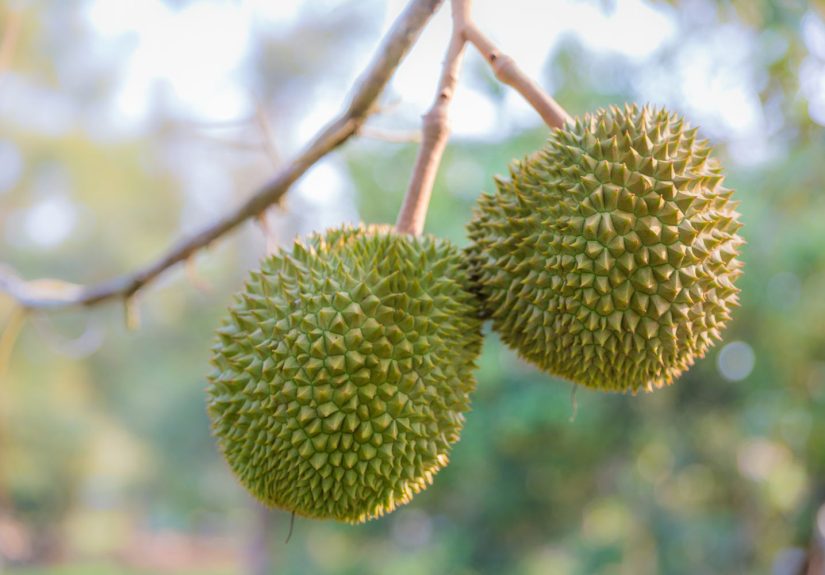
Durian is a tropical fruit native to Southeast Asia and often nicknamed the king of fruits. The nickname is not exactly humble, but durian has never been known for keeping a low profile. It has a thick, thorny rind and several inner chambers filled with soft flesh wrapped around seeds. The edible part is the creamy flesh, also called the aril.
On the outside, durian looks like a medieval weapon. On the inside, it is more like a rich custard that had a wild vacation and came back with stories. Depending on the variety and ripeness, the flesh can be pale cream, yellow, or deeper golden in color.
What Does Durian Taste Like?
This is where things get entertaining. Durian’s flavor is often described as sweet, rich, buttery, and custard-like. Many people notice hints of vanilla, caramel, almond, banana, or even cheesecake. Others pick up savory notes that remind them of onions, garlic, or strong cheese. Yes, that is a very chaotic flavor résumé, but durian contains it all with surprising confidence.
The smell is even more famous than the taste. A ripe durian can be intensely aromatic, which is a polite way of saying it may smell like sweet custard got into an argument with an onion. The aroma varies by variety and ripeness, so not every durian hits with the same force. Some are mild and creamy. Others arrive like they are campaigning for public attention.
Where to Buy Durian in the United States
If you are shopping in the U.S., your best bet is usually an Asian grocery store or a specialty produce market. You may find durian in one of three forms:
1. Frozen whole durian
This is common in U.S. markets and often easier for beginners because the aroma is usually a little tamer than fully fresh fruit.
2. Pre-packed durian pods
These are the easiest option. The shell is already gone, the edible flesh is ready to eat, and your hands are much less likely to end the day looking like they lost a duel with a cactus.
3. Frozen durian pulp
This works well for smoothies, ice cream, milkshakes, pastries, and other desserts.
If you are brand-new to durian, start with pre-packed pods or frozen pulp. It is the culinary equivalent of using the kiddie pool before attempting the high dive.
How to Choose a Good Durian
Buying a whole durian can feel like speed dating with a porcupine, but a few clues help.
Look for these signs
- A strong but not aggressively harsh aroma
- A shell that looks intact, not moldy, leaking, or split open too far
- Slight give in the seams if the fruit is ripe
- Fruit that is not obviously bruised or damaged
Avoid these red flags
- An overpowering fermented smell, which may suggest it is overripe
- Very hard, scentless fruit, which may be underripe
- Soft, wet, or rotten-looking spots
- Fruit with broken shell sections and poor storage conditions
In the U.S., frozen whole durians are common, so selecting the perfect one is less about sniffing like a fruit detective and more about checking package condition, frost damage, and overall quality.
How to Open Durian Safely
Important fact: durian is delicious, but it is still covered in spikes. So before you channel your inner tropical adventurer, slow down and get organized.
What you need
- A sturdy cutting board or towel-covered counter
- A sharp chef’s knife
- Thick kitchen gloves or a folded towel
- Optional: a little neutral oil on the knife to reduce stickiness
Step-by-step
- Wash the outside of the durian under running water and dry it. Even though you do not eat the shell, washing first helps prevent surface dirt or bacteria from being carried inside when you cut.
- Place the fruit on a stable surface with the seams facing up.
- Use a gloved hand or towel to hold it steady.
- Insert the tip of the knife into a seam and gently pry. Do not go full action movie here. Controlled pressure is your friend.
- Work along the seam until the shell opens enough to separate the sections.
- Pull out the soft pods of flesh and remove the seed if needed.
Never grip a whole durian bare-handed unless you enjoy tiny life lessons delivered through your fingertips.
How to Eat Durian Fruit
Once the shell is open, the actual eating part is blissfully simple.
Fresh durian
Lift out a pod of flesh, remove the seed if it is large and loose, and eat the creamy pulp as is. The texture is rich and soft, almost like thick custard or pudding. Eat slowly at first. Durian is rich, and a little goes a long way.
Chilled durian
Some people prefer durian slightly chilled because it firms up the texture and softens the aroma. This is a smart beginner move. Think of it as turning the volume down from stadium concert to cozy speaker.
Frozen durian
Frozen pods can be thawed slightly and eaten semi-frozen, almost like durian ice cream without the extra effort. The flavor is still there, but the smell is often less intense.
In desserts
Durian works beautifully in smoothies, ice cream, milkshakes, sticky rice desserts, crepes, pastries, and custards. Its thick texture makes it especially good for blending.
A simple beginner smoothie
Blend durian pulp with banana, ice, and milk or a dairy-free alternative. That combination softens the sharper notes and makes the fruit feel more familiar. It is basically durian wearing a friendlier outfit.
What Parts of Durian Can You Eat?
The edible part is the creamy flesh around the seed. The shell is not eaten. The seeds are generally not eaten raw, but in some culinary traditions they are cooked, roasted, or boiled before consumption.
That means this is not the kind of fruit you freestyle. Stick to the pulp unless you know exactly what you are doing with properly cooked seeds.
Common Mistakes First-Time Durian Eaters Make
Trying too much at once
Durian is rich and filling. Starting with a huge portion can be overwhelming. Begin with one or two small pieces and let your taste buds adjust.
Judging it entirely by the smell
Yes, the aroma is famous. But the flavor is often sweeter and creamier than first-timers expect. Smell and taste do not always match neatly.
Buying damaged fruit
If the shell looks bruised, split badly, or rotten, skip it. Good durian should look handled, not defeated.
Skipping food safety basics
Wash the rind before cutting, keep it away from raw meat, use clean tools, and refrigerate opened or pre-cut durian promptly.
Is Durian Healthy?
Durian is nutritious, but it is also rich compared with many other fruits. It provides fiber, carbohydrates, vitamin C, several B vitamins, and minerals such as potassium and magnesium. It also contains more fat and calories than many fruits, which helps explain why it tastes so lush and satisfying.
In plain English, durian is not a “watery little snack fruit.” It is more like the velvet sofa of the fruit world: luxurious, memorable, and not pretending to be celery.
Because it is calorie-dense, moderation matters. That does not mean you need to fear it. It just means a few pieces make more sense than treating half a durian like popcorn during movie night.
Also, while durian is associated with many folk health claims, strong evidence for supplement-style medical uses is limited. It is best enjoyed as food, not as a miracle in spiky form.
How to Store Durian
Whole durian
If it is whole and uncut, storage depends on ripeness and whether it is fresh or frozen. Fresh ripe durian is highly perishable, so it should be eaten soon after opening.
Cut or packed durian
Refrigerate it promptly. Keep it in an airtight container because the smell travels fast and negotiates with nothing. If you do not want your refrigerator to smell like tropical rebellion, double-wrap it.
Freezing
Durian freezes well. Portion the pulp into sealed containers or freezer bags and thaw only what you plan to use. This is especially handy for smoothies and desserts.
Best Ways to Serve Durian
- Plain and chilled: The purest way to taste it
- With sticky rice: Rich, sweet, and very satisfying
- In a smoothie: Great for beginners
- As ice cream: A natural match for its custardy texture
- In pastries or crepes: Softens the aroma and highlights the sweetness
- With coffee or tea: A fun contrast to the fruit’s richness
How to Eat Durian Fruit Like a Pro
If you want the short version, here it is: buy good fruit, wash the outside, open it carefully, eat the creamy flesh, skip the raw seeds, and keep leftovers cold. That is the practical part.
The deeper secret is this: do not rush the experience. Durian is one of those foods that rewards curiosity. Let the smell introduce itself. Take a small bite. Notice whether you taste vanilla, almond, caramel, onion, banana, cheese, or something gloriously weird in between. Durian is not trying to be an apple. It is trying to be durian, and frankly, that takes confidence.
The Experience of Eating Durian: Why People Never Forget It
The first experience with durian is rarely boring. Nobody nibbles it absentmindedly while checking email and then says, “Huh, that was emotionally neutral.” Durian demands attention. It turns a snack into an event, and that is one reason people talk about it with the intensity normally reserved for travel stories, bad haircuts, and roller coasters.
For many first-timers, the encounter begins with hesitation. The shell looks dangerous, the smell is impossible to ignore, and the whole fruit seems to carry the energy of a dare. There is often a moment of suspense before the first bite, the kind that says, “This could be amazing, or I may need a minute.” Then the texture hits. Instead of crispness or juiciness, there is softness. Richness. A custard-like body that feels almost dessert-like before your brain has decided whether it is fruit, pudding, or a very confident cheese course pretending to be tropical produce.
What makes the experience fascinating is how quickly it changes. The aroma may seem intense at first, but once people taste the flesh, they often start noticing sweeter notes. Some describe banana, almond, vanilla, or caramel. Others pick up savory depth. It is this odd mix of sweet and funky that makes durian memorable. It is not simply eaten; it is interpreted. Everyone becomes a food critic for five minutes, whether they asked for the job or not.
There is also a social side to eating durian. Friends gather around, reactions fly, and suddenly the room is full of dramatic opinions. One person declares it heavenly. Another says it tastes like custard fell in love with onions. Someone else goes back for a second piece after claiming not to like it. Durian has a talent for turning people into comedians and philosophers at the same time.
Then there is the surprise factor. Many people expect the smell to predict the taste perfectly, but it does not. That gap between expectation and reality is part of the thrill. A fruit that smells challenging but tastes silky and sweet feels like a plot twist. It reminds people that food can still surprise them, which is refreshing in a world where most snacks arrive pre-sliced, pre-sweetened, and fully committed to being non-threatening.
For experienced durian fans, the pleasure becomes more nuanced. They start comparing varieties, ripeness levels, texture, aroma, and color of the flesh. One durian might be mellow and creamy, another bold and almost boozy, another deeply sweet with barely any bitterness. Over time, eating durian becomes less about shock value and more about appreciation. It shifts from “Can I handle this?” to “What kind is this, and when can I have more?”
That is the real magic of durian. It creates a sensory memory. Even if you decide it is not your forever fruit, you will probably remember where you were, who was with you, and what your face did after bite number one. Very few foods earn that kind of story. Durian does it without even trying, which is annoyingly impressive for a fruit that already looks like it won an armor contest.
Final Thoughts
Learning how to eat durian fruit is part kitchen skill, part curiosity, and part willingness to let a very unusual fruit make its case. Start with a small portion, handle it safely, and keep an open mind. You may discover a tropical favorite with a rich, custardy flavor that deserves far more than its infamous smell gets credit for.
And if durian does not become your new obsession, that is okay too. At the very least, you will have tried one of the world’s most unforgettable fruits and lived to tell the tale. Preferably with all ten fingers still intact.