Table of Contents >> Show >> Hide
- What Is Permanent Hair Straightening?
- Best Permanent Hair Straightening Treatments
- How to Prepare Before Permanent Hair Straightening
- What Happens During the Treatment?
- How Long Does Permanent Hair Straightening Last?
- Safety Tips Before You Straighten
- Aftercare: How to Keep Straightened Hair Healthy
- Who Should Avoid Permanent Hair Straightening?
- Permanent Straightening vs. Keratin: Which Is Better?
- Cost of Permanent Hair Straightening
- Easy Step-by-Step Plan to Get Permanent Hair Straightening
- Real-Life Experience: What Getting Permanent Hair Straightening Feels Like
- Conclusion
Permanent hair straightening sounds like a magic spell: walk into a salon with frizz, curls, waves, or “humidity has chosen violence” hair, and walk out with smooth, glossy strands that behave like they’ve attended etiquette school. But before you book the first appointment with the words “silky forever” in the description, let’s get honest: permanent hair straightening can be wonderful, but it is not one-size-fits-all, and it is not literally permanent for new hair growth.
The treated part of your hair may stay straighter until it grows out or is cut off, depending on the method. Your roots, however, will grow in with your natural texture. That means maintenance is part of the deal. Think of it less like buying a couch and more like adopting a very shiny houseplant: beautiful, rewarding, but it needs care.
This guide explains the easiest permanent hair straightening treatments, how they work, what to expect at the salon, how to choose the safest option, and how to keep your results looking smooth without turning your hair into crispy noodles.
What Is Permanent Hair Straightening?
Permanent hair straightening is a chemical process that changes the structure of the hair shaft so curls, coils, or waves become straighter. Hair gets its shape from bonds inside the strand, especially disulfide bonds. Chemical straightening treatments break or rearrange these bonds, then lock the hair into a smoother pattern.
The word “permanent” can be confusing. It usually means the treated hair remains altered, not that your entire head will stay straight forever. New growth will follow your natural curl pattern. If your hair grows half an inch per month, you may notice textured roots after several weeks. That is why touch-ups are common.
Best Permanent Hair Straightening Treatments
1. Hair Relaxers
Relaxers are among the most common permanent straightening treatments, especially for tightly curled or coily hair. They use strong alkaline chemicals to loosen the curl pattern. Lye relaxers typically contain sodium hydroxide, while no-lye relaxers may use calcium hydroxide, lithium hydroxide, or guanidine hydroxide.
Relaxers can create dramatically straighter hair, but they require skill. If left on too long or applied to an irritated scalp, they can cause burning, breakage, dryness, or hair loss. This is not the moment to say, “I watched one video, I’m basically a chemist.” A licensed stylist is strongly recommended, especially for first-timers.
Relaxers are best for people who want a long-lasting straight look and are comfortable maintaining new growth every 6 to 12 weeks. They are not ideal for very damaged, over-bleached, or fragile hair.
2. Japanese Thermal Reconditioning
Japanese hair straightening, also called thermal reconditioning, combines chemicals with heat to create sleek, pin-straight hair. The stylist applies a solution to break internal bonds, flat-irons the hair carefully, then applies a neutralizer to set the new shape.
This treatment can produce very smooth results and may last until the treated hair grows out. It works well for wavy, curly, or frizzy hair, but it may be too intense for hair that is highlighted, bleached, weak, or previously relaxed. Because the process uses both chemicals and high heat, hair health matters a lot.
The appointment can take several hours. Bring snacks, patience, and maybe a playlist. Your hair is getting a full personality change, not a quick pep talk.
3. Hair Rebonding
Hair rebonding is another chemical straightening process that breaks and rebuilds hair bonds into a straighter shape. It is popular for thick, frizzy, curly, or hard-to-manage hair. The result is usually sleek and polished, with a very straight finish.
Like Japanese straightening, rebonding is powerful and should be done carefully. It can make hair look beautifully smooth, but it may also leave strands dry or prone to breakage if the hair was already compromised. A stylist should examine your hair history before applying anything stronger than a motivational quote.
4. Keratin Smoothing Treatments
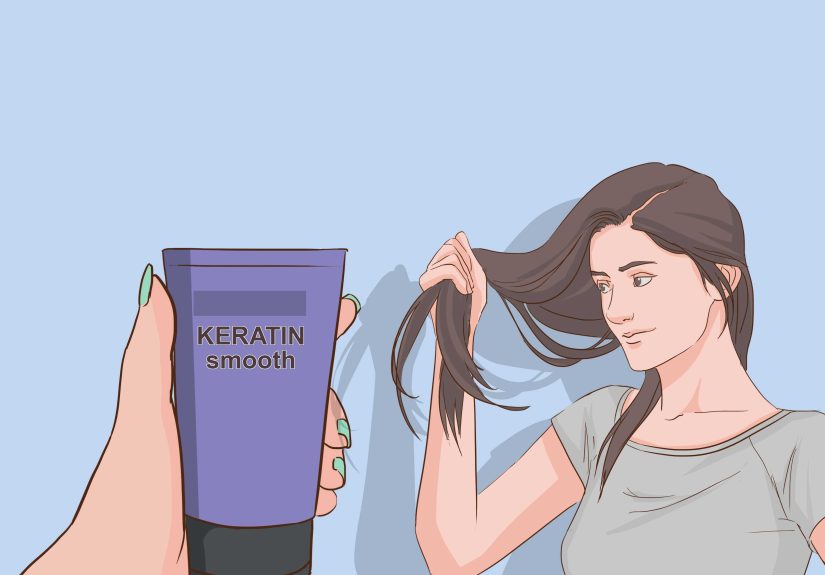
Keratin treatments are often discussed alongside permanent hair straightening, but they are usually semi-permanent smoothing treatments rather than true permanent straighteners. They coat and smooth the hair cuticle, reduce frizz, boost shine, and make blow-drying easier. Results may last around 3 to 6 months, depending on the formula, washing routine, and hair type.
Keratin treatments are a good choice if you want smoother, softer, more manageable hair without completely removing your natural texture. However, some formulas may release formaldehyde or related gases when heated. That is why it is important to ask about ingredients, ventilation, and safer alternatives before booking.
5. At-Home Straightening Kits
At-home permanent hair straightening kits exist, but “easy” does not always mean “safe.” These products can be tempting because they cost less than salon treatments. Still, chemical straightening requires timing, sectioning, scalp protection, neutralizing, and careful rinsing. One wrong move can lead to uneven results, breakage, or scalp irritation.
If you choose an at-home kit, read the directions completely before starting. Do a strand test, avoid applying to an irritated scalp, never overlap chemicals on previously treated hair unless the instructions clearly allow it, and do not freestyle the processing time. Hair chemistry is not jazz.
How to Prepare Before Permanent Hair Straightening
Check Your Hair History
Before straightening, be honest about everything your hair has been through: bleaching, coloring, relaxers, perms, henna, heat damage, protein treatments, and that one tragic boxed-dye chapter from college. Your stylist needs the full story to prevent chemical conflicts.
Hair that is already weak, stretchy, snapping, or severely dry may not be ready for permanent straightening. In that case, deep conditioning, trims, and a repair plan may come first.
Book a Consultation
A good stylist should look at your hair, ask about your goals, and explain realistic results. Bring photos, but choose examples with hair similar to your texture and density. A fine-haired wavy bob and a dense coily waist-length style will not respond the same way.
Ask questions such as: What product will you use? Does it contain formaldehyde or formaldehyde-releasing ingredients? How long will the results last? What aftercare products do I need? How often will I need touch-ups? What are the risks for my hair type?
Avoid Scalp Irritation
Do not scratch, scrub, or aggressively brush your scalp before a relaxer or chemical straightening service. Tiny abrasions can make chemicals sting more and increase the chance of irritation. If your scalp is itchy, flaky, inflamed, sunburned, or broken, reschedule and treat the scalp first.
What Happens During the Treatment?
The exact process depends on the method, but most permanent straightening appointments follow a similar pattern. First, the stylist evaluates and sections the hair. Then the straightening solution is applied carefully, often avoiding the scalp when possible. After processing, the hair may be rinsed, dried, flat-ironed, neutralized, conditioned, and styled.
Time matters. Too little processing may lead to uneven straightening. Too much processing can damage the hair. Heat also matters. A flat iron that is too hot can make hair weak and brittle. This is why professional application is usually the safest route for strong chemical services.
How Long Does Permanent Hair Straightening Last?
Relaxers, Japanese straightening, and rebonding can last on treated hair until it grows out. New growth will need maintenance if you want a consistently straight look from root to tip. Many people schedule touch-ups every 2 to 4 months, depending on hair growth, texture, and style preference.
Keratin smoothing treatments usually last a few months. They fade gradually, so the transition is softer. This makes keratin a good option for people who want frizz control without committing to a fully permanent texture change.
Safety Tips Before You Straighten
Ask About Formaldehyde
Some smoothing and straightening products may release formaldehyde gas when heated, especially during flat-ironing. Formaldehyde exposure can irritate the eyes, nose, throat, skin, and lungs. It is also classified as a human carcinogen by major health agencies.
Ask the salon directly whether the product contains formaldehyde, methylene glycol, formalin, or formaldehyde-releasing ingredients. A label that says “formaldehyde-free” is helpful, but it is not a magic shield. Reputable salons should be willing to discuss product ingredients and ventilation.
Consider Ventilation
A salon should not smell like a chemistry lab having a bad day. Strong fumes, burning eyes, coughing, or throat irritation are warning signs. For heat-activated smoothing treatments, ventilation matters for both clients and stylists.
Do a Strand Test
A strand test shows how your hair reacts before the full service. It can reveal whether the hair becomes too weak, too dry, or over-processed. This step is especially important if your hair is color-treated, highlighted, relaxed, or previously chemically processed.
Do Not Straighten Damaged Hair
If your hair is breaking, gummy when wet, extremely dry, or thinning from chemical damage, pause. Straightening damaged hair can make the problem worse. Focus on rebuilding strength and moisture first, then reassess with a stylist.
Aftercare: How to Keep Straightened Hair Healthy
Use Gentle Shampoo
Choose a mild, moisturizing shampoo. For keratin treatments, many stylists recommend sodium chloride-free products because harsh cleansers may shorten the life of the smoothing effect. For relaxed or rebonded hair, moisture is your best friend. Invite it over often.
Condition Every Wash Day
Chemically straightened hair needs conditioning. Focus on the mid-lengths and ends, which are the oldest and most fragile parts of the strand. A leave-in conditioner can help reduce friction, tangles, and dryness.
Limit Heat Styling
The point of permanent hair straightening is to reduce daily styling stress. Do not celebrate your smooth hair by flat-ironing it into oblivion every morning. When you use heat, apply a heat protectant and choose the lowest temperature that works.
Trim Regularly
Straight hair shows split ends more easily than curly hair because the strands lie flat. Regular trims help keep the style polished and prevent splits from traveling upward.
Protect Hair at Night
Use a silk or satin pillowcase, wrap your hair, or loosely tie it with a soft scrunchie. Cotton pillowcases can create friction, frizz, and breakage. Your hair deserves bedtime manners.
Who Should Avoid Permanent Hair Straightening?
You may want to avoid or delay permanent straightening if you are pregnant, have asthma or strong chemical sensitivities, have scalp sores or irritation, recently bleached your hair, or are experiencing unexplained hair loss. Anyone with a scalp condition such as psoriasis, eczema, dermatitis, or scarring alopecia should speak with a dermatologist before using harsh chemical treatments.
Permanent straightening can be beautiful, but beauty should not require ignoring burning, coughing, dizziness, or breakage. Smooth hair is nice. Keeping your scalp and lungs happy is nicer.
Permanent Straightening vs. Keratin: Which Is Better?
Choose a relaxer, Japanese straightening, or rebonding if you want a straighter result that lasts on treated hair. Choose keratin smoothing if your main goal is frizz control, shine, softness, and easier styling while keeping some natural movement.
If your hair is fine or lightly wavy, keratin may be enough. If your hair is tightly coiled and you want a sleek straight finish, a relaxer or rebonding treatment may deliver stronger results. If your hair is fragile, colored, or frequently heat-styled, the safest answer may be to wait, repair, and choose a gentler option later.
Cost of Permanent Hair Straightening
Prices vary widely by city, salon, hair length, density, and treatment type. Relaxer services may be less expensive than Japanese straightening or rebonding, while keratin treatments often fall in the middle to high range. In many U.S. salons, professional smoothing or straightening services can cost from under $100 to several hundred dollars.
Do not choose based on price alone. A cheap service that causes breakage can become very expensive once you add corrective treatments, trims, wigs, tears, and emergency hats.
Easy Step-by-Step Plan to Get Permanent Hair Straightening
Start by deciding your goal: pin-straight hair, softer curls, less frizz, or easier blowouts. Next, schedule a consultation with a licensed stylist who has experience with your hair type. Share your full chemical history and ask for a strand test. Confirm the product ingredients and aftercare rules. If your hair passes the test, book the treatment and follow the stylist’s instructions exactly afterward.
After the service, build a simple routine: gentle shampoo, rich conditioner, leave-in protection, low heat, regular trims, and touch-ups only on new growth when appropriate. The easiest treatment is not always the fastest one. It is the one that gives you the look you want while keeping your hair healthy enough to enjoy it.
Real-Life Experience: What Getting Permanent Hair Straightening Feels Like
The first thing many people notice before permanent hair straightening is not excitementit is nervousness. Sitting in a salon chair while someone applies a powerful chemical to your hair can make even the calmest person suddenly remember every bad haircut they have ever had. That is normal. The best way to calm those nerves is preparation.
In a good salon experience, the stylist does not rush. They ask about your hair history, touch the strands, check elasticity, and look closely at the ends. They may ask when you last colored your hair, whether you use heat often, and whether your scalp is sensitive. These questions are not small talk. They are the difference between smooth results and a hair disaster that requires a baseball cap and emotional support snacks.
During the treatment, you may feel some tension from sectioning and combing, but you should not feel intense burning. Mild tingling can happen with some relaxer services, but pain is not something to “tough out.” If your scalp burns, tell the stylist immediately. Silence is not glamorous when chemicals are involved.
The most satisfying moment usually comes after the rinse, blow-dry, and flat iron. Hair that once puffed up at the first hint of humidity suddenly looks smoother, shinier, and easier to manage. For many people, the biggest benefit is not just the look; it is the time saved. Morning routines become shorter. Blow-drying takes less effort. Ponytails look neater. Rainy days become less dramatic, though still rude.
The first week after treatment is when aftercare habits begin. Some treatments require avoiding shampoo, clips, ponytails, or moisture for a short period. Others allow washing sooner. Follow the specific instructions for your service, not advice from a random comment section. Your stylist knows the product used on your hair; the internet knows chaos.
After a few weeks, the real personality of the treatment appears. If the hair was healthy and the service was done well, it should feel smoother and manageable. If the hair starts snapping, feeling rough, or looking thin at the ends, it may need more moisture, protein balance, or a trim. This is why regular check-ins matter.
One common surprise is new growth. Even when the treated hair stays straight, the roots grow in naturally. This can create a texture difference. Some people blend it with blow-drying, rollers, wraps, or root touch-ups. Others use the grow-out phase to transition into a less permanent routine. There is no single correct choice. The best choice is the one that matches your schedule, budget, hair health, and patience level.
Another experience people talk about is confidence. Smooth hair can feel freeing, especially for someone who has battled frizz, shrinkage, or long styling sessions for years. But it is important not to confuse straight hair with “better” hair. Curly, coily, wavy, and straight textures are all beautiful. Permanent straightening is simply an option, not an upgrade in human value.
The happiest clients usually have realistic expectations. They know straightening requires maintenance. They invest in good conditioners. They avoid overlapping chemicals. They respect their scalp. They do not chase perfectly flat hair at the expense of healthy hair. In other words, they treat their hair like silk, not like a stubborn carpet that needs punishment.
If you are considering permanent hair straightening, the best experience begins before the appointment. Research salons, ask questions, request a consultation, and listen when a stylist says your hair needs repair first. Waiting a month or two can feel annoying, but it is much better than rushing into a treatment your hair cannot handle.
Conclusion
Permanent hair straightening can be an easy path to smoother, sleeker, lower-maintenance hair when you choose the right treatment and the right professional. Relaxers, Japanese thermal reconditioning, rebonding, and keratin smoothing all offer different results, from pin-straight transformation to frizz-control polish. The secret is matching the method to your hair type, health, lifestyle, and safety needs.
Before booking, ask about ingredients, ventilation, strand testing, and aftercare. Avoid treating damaged or irritated hair, and never ignore scalp burning or strong fumes. With smart preparation and gentle maintenance, permanent hair straightening can give you the sleek look you want without sacrificing the hair you need.