Table of Contents >> Show >> Hide
- What Is an Hourglass Figure?
- How to Get an Hourglass Figure: 15 Practical Steps
- 1. Set a Realistic Body-Shape Goal
- 2. Strength Train at Least Two to Four Days a Week
- 3. Build Your Glutes With Compound Exercises
- 4. Train Your Shoulders for Better Proportions
- 5. Strengthen Your Back
- 6. Train Your Core for Strength, Not Just a Smaller Waist
- 7. Use Progressive Overload
- 8. Do Cardio Without Overdoing It
- 9. Eat Enough Protein
- 10. Choose Carbs That Fuel Training
- 11. Create a Moderate Calorie Balance
- 12. Avoid Waist Trainers as a “Permanent” Solution
- 13. Improve Your Posture
- 14. Use Clothing to Enhance Your Shape
- 15. Track Progress With Photos, Strength, and Energy
- A Sample Weekly Hourglass Workout Plan
- Common Mistakes to Avoid
- of Real-Life Experience: What Getting an Hourglass Figure Actually Feels Like
- Conclusion
- SEO Tags
The hourglass figure has been admired for generations, but here is the truth before we lace up our sneakers: your natural bone structure, genetics, hormones, and body-fat distribution all play a major role in your shape. No workout can magically rearrange your ribs or politely ask your hips to move two inches outward. If only bodies accepted renovation requests like kitchen cabinets.
What you can do, however, is create a stronger, more balanced silhouette by building your shoulders, back, glutes, and legs while improving posture, core strength, nutrition, and overall confidence. The goal is not to punish your waist into submission. The goal is to train smart, eat well, dress strategically, and appreciate the body you are working with.
This guide explains how to get an hourglass figure in a safe, realistic, and sustainable way. Whether your goal is a curvier shape, a smaller-looking waist, better proportions, or simply feeling amazing in jeans, these 15 steps will help you build a plan that actually works.
What Is an Hourglass Figure?
An hourglass figure typically means the bust and hips appear relatively balanced while the waist looks narrower. Some people naturally have this shape. Others can create the appearance of it through strength training, fat loss, posture, and styling choices.
The most important point: chasing a body type should never become a war against your body. A healthy hourglass approach focuses on strength, muscle tone, energy, and confidence. A risky approach focuses on crash diets, waist trainers, dehydration tricks, or trying to shrink yourself into someone else’s Instagram filter. Choose the first path. It has better lighting.
How to Get an Hourglass Figure: 15 Practical Steps
1. Set a Realistic Body-Shape Goal
Start by understanding your current proportions. Take simple measurements of your shoulders, bust, waist, and hips if you want a baseline, but do not obsess over them. Your goal might be to build fuller glutes, tighten your core, reduce excess belly fat, improve posture, or style your outfits better.
A realistic goal sounds like: “I want stronger glutes and a more defined waist over the next six months.” An unrealistic goal sounds like: “I want to become a completely different person by next Tuesday.” Your body prefers the first one.
2. Strength Train at Least Two to Four Days a Week
Strength training is the foundation of building an hourglass silhouette. Cardio can support heart health and fat loss, but resistance training shapes the body by developing muscle. To create curves, focus on building the glutes, hamstrings, thighs, shoulders, and upper back.
A beginner can start with two full-body strength sessions per week. Intermediate exercisers may do three or four sessions, such as two lower-body days and two upper-body days. The key is consistency, not performing one heroic workout and then retiring like a dramatic movie character.
3. Build Your Glutes With Compound Exercises
If you want more lower-body curves, train your glutes seriously. The glute muscles respond well to exercises that involve hip extension, squatting, lunging, and stepping. Strong glutes also support posture, pelvic stability, and athletic movement.
Excellent glute-building exercises include hip thrusts, glute bridges, Romanian deadlifts, squats, step-ups, Bulgarian split squats, cable kickbacks, and lateral band walks. Start with body weight if needed, then gradually add resistance.
Example workout: 3 sets of 10 hip thrusts, 3 sets of 8 Romanian deadlifts, 3 sets of 10 step-ups per leg, and 2 sets of 15 banded side steps. Your glutes should feel challenged, not personally attacked.
4. Train Your Shoulders for Better Proportions
An hourglass look is not only about the waist and hips. Wider-looking shoulders can make the waist appear smaller by comparison. This is why shoulder training is a secret weapon for body proportions.
Add exercises such as dumbbell shoulder presses, lateral raises, rear-delt flyes, face pulls, and upright rows performed with good form. Lateral raises are especially useful because they target the side delts, which help create that balanced “X-frame” appearance.
5. Strengthen Your Back
A strong back improves posture and creates a more defined upper-body shape. When your upper back is undertrained, your shoulders may round forward, making your waist and torso look less balanced. Training your back can help you stand taller and look more sculpted.
Include rows, lat pulldowns, assisted pull-ups, single-arm dumbbell rows, and reverse flyes. Focus on pulling your shoulder blades down and back rather than shrugging toward your ears. Your traps are not trying to become earrings.
6. Train Your Core for Strength, Not Just a Smaller Waist
Core training helps improve stability, posture, and control. However, doing hundreds of crunches will not directly burn belly fat. Fat loss happens throughout the body, not in one hand-picked location. Still, a stronger core can help your midsection look firmer and improve how you carry yourself.
Focus on planks, dead bugs, bird dogs, Pallof presses, side planks, farmer’s carries, and controlled mountain climbers. These exercises train your core to resist movement, which is more useful than simply folding your spine like a lawn chair.
7. Use Progressive Overload
To build muscle, your workouts must become gradually more challenging. This is called progressive overload. You can increase weight, add reps, add sets, slow down the tempo, improve range of motion, or reduce rest time.
For example, if you can hip thrust 60 pounds for 10 reps with good form, your next goal might be 65 pounds for 8 reps or 60 pounds for 12 reps. Progress does not need to be flashy. Small increases over time create visible changes.
8. Do Cardio Without Overdoing It
Cardio supports heart health, endurance, mood, and weight management. For an hourglass figure, cardio can help reduce excess body fat, which may make the waist more defined. But doing too much cardio while under-eating can make it harder to build muscle.
A balanced plan might include brisk walking, cycling, swimming, dancing, incline treadmill walking, or short interval sessions. Aim for a sustainable weekly routine instead of trying to sweat yourself into a new personality.
9. Eat Enough Protein
Protein helps repair and build muscle after strength training. Good sources include eggs, chicken, turkey, fish, Greek yogurt, cottage cheese, tofu, tempeh, beans, lentils, lean beef, edamame, and protein-rich whole foods.
You do not need to live inside a protein shaker. A simple strategy is to include a protein source at each meal. For example, breakfast might include Greek yogurt and berries, lunch could be a chicken or tofu bowl, and dinner might include salmon, lentils, or turkey with vegetables and rice.
10. Choose Carbs That Fuel Training
Carbohydrates are not the villain. Your muscles use carbohydrates for training energy, especially during lower-body workouts. If you constantly feel weak, dizzy, or exhausted during exercise, you may not be eating enough.
Choose whole grains, potatoes, fruit, beans, oats, brown rice, quinoa, and vegetables. These foods provide energy, fiber, vitamins, and minerals. A pre-workout snack could be a banana with peanut butter, oatmeal, or toast with eggs.
11. Create a Moderate Calorie Balance
If your goal includes reducing waist size, you may need a modest calorie deficit. That means eating slightly fewer calories than your body uses. But aggressive dieting can backfire by increasing hunger, lowering energy, and making it harder to preserve muscle.
A better approach is to build meals around protein, fiber-rich carbohydrates, healthy fats, and plenty of colorful produce. Think grilled chicken with roasted vegetables and rice, tofu stir-fry, turkey chili, salmon with potatoes, or a hearty bean bowl. Boring diet food is not required. Sad lettuce is optional and usually unnecessary.
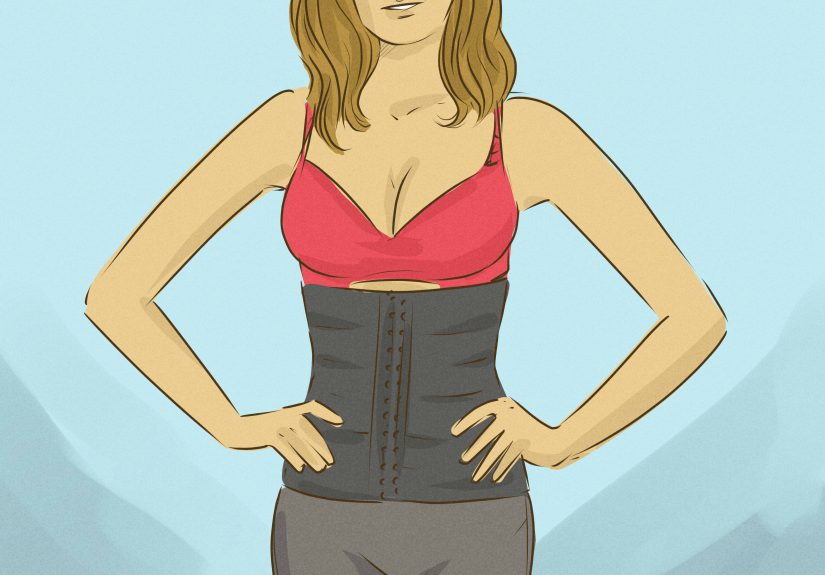
12. Avoid Waist Trainers as a “Permanent” Solution
Waist trainers may temporarily compress your midsection, but they do not permanently reshape your body or burn belly fat. Wearing tight compression garments for long periods can also cause discomfort, breathing restriction, digestive issues, skin irritation, and weaker core engagement.
If you like shapewear for a special outfit, choose comfortable, breathable pieces that do not restrict breathing or movement. But for long-term results, rely on strength training, nutrition, posture, and smart styling.
13. Improve Your Posture
Posture can instantly change how your waist, shoulders, and hips appear. Rounded shoulders, a tucked pelvis, or a collapsed rib cage can make your shape look less defined. Standing tall can make your waistline look cleaner and your curves more balanced.
Practice simple habits: keep your ribs stacked over your hips, gently engage your core, relax your shoulders, and avoid locking your knees. Add mobility work for the chest, hip flexors, and upper back. A confident posture is free, available daily, and does not require a coupon code.
14. Use Clothing to Enhance Your Shape
Style can create an hourglass effect instantly. High-waisted jeans, wrap dresses, belted coats, peplum tops, A-line skirts, structured blazers, sweetheart necklines, and fitted tops can all emphasize the waist and balance the upper and lower body.
If your hips are narrower, try bottoms with pockets, pleats, light colors, or wider-leg cuts. If your shoulders are narrower, try structured tops or jackets. If you want a smaller-looking waist, belts and wrap silhouettes are your loyal little fashion assistants.
15. Track Progress With Photos, Strength, and Energy
The scale does not tell the whole story. Muscle gain, water retention, menstrual cycle changes, sodium intake, and digestion can all affect weight. Track progress using photos, measurements, gym performance, how clothes fit, energy levels, and confidence.
If your hip thrust improves, your posture looks better, your jeans fit differently, and you feel stronger climbing stairs, that is progress. A number on the scale should not get the only microphone.
A Sample Weekly Hourglass Workout Plan
Beginner-Friendly Schedule
Monday: Lower body and glutes. Try hip thrusts, squats, step-ups, Romanian deadlifts, and glute bridges.
Tuesday: Brisk walking or light cardio for 25 to 35 minutes.
Wednesday: Upper body and core. Try shoulder presses, rows, lateral raises, planks, and dead bugs.
Thursday: Rest, stretching, or a relaxed walk.
Friday: Lower body and glutes again. Try lunges, hip thrusts, cable kickbacks, hamstring curls, and band walks.
Saturday: Cardio you actually enjoy, such as dancing, cycling, hiking, swimming, or walking.
Sunday: Rest and meal prep, or what I like to call “future-you deserves vegetables.”
Common Mistakes to Avoid
Training Abs Every Day
Your core needs recovery like any other muscle group. Daily intense ab workouts can cause fatigue without creating better results. Train core two to four times per week with quality movements.
Skipping Upper Body
Many people only train glutes when pursuing an hourglass figure. But shoulders and back are key for balanced proportions. Strong upper-body training can make the waist appear more defined.
Eating Too Little
Severe restriction may reduce body weight, but it can also reduce energy, mood, muscle-building ability, and workout performance. A strong, curvy shape needs fuel.
Expecting Overnight Results
Visible body recomposition takes time. Many people notice better posture and strength within weeks, but muscle growth and shape changes often require months of consistent effort.
of Real-Life Experience: What Getting an Hourglass Figure Actually Feels Like
The experience of working toward an hourglass figure is often very different from what people expect. At first, many imagine a dramatic transformation: buy cute workout clothes, do squats for two weeks, wake up looking like a red-carpet silhouette. Reality is less cinematic, but honestly, more rewarding.
In the beginning, the most noticeable change is usually not visual. It is physical awareness. You start noticing how your body moves. Maybe your knees cave in during squats. Maybe your lower back takes over during glute bridges. Maybe your shoulders creep up during rows like they are trying to listen to your thoughts. Learning form can feel awkward, but this stage matters. It teaches you to train the right muscles instead of just moving weights from point A to point B with maximum facial drama.
After a few weeks, you may feel stronger before you look different. Stairs become easier. Grocery bags feel less rude. Your posture improves because your back, shoulders, and core are waking up. This is when many people realize that the hourglass journey is not only about curves; it is about capability. A strong body changes the way you stand, walk, dress, and carry yourself.
The glute-building phase can be humbling. Hip thrusts may feel strange at first, and Bulgarian split squats have a way of making even confident people question their life choices. But over time, you start to feel the difference. Your jeans may fit more snugly through the hips. Your lower body may look firmer. Your waist may appear more defined because your glutes and upper body are adding shape around it.
Nutrition is another learning curve. Many people start by either eating too little or trying to make every meal “perfect.” Eventually, the smarter approach wins: enough protein, enough fiber, enough carbohydrates to train well, and enough flexibility to enjoy life. You learn that one cookie does not erase progress, and one salad does not create it. Consistency beats perfection every time.
There are also emotional moments. Some days, progress feels obvious. Other days, bloating, stress, poor sleep, or hormones make you feel like nothing is working. This is why photos, strength logs, and clothing fit can be more helpful than daily mirror inspections. Your body is not a spreadsheet; it changes with life.
The best experience comes when the goal shifts from “I need to look hourglass” to “I want to build my strongest, most confident shape.” That mindset keeps you patient. It also protects you from extreme shortcuts, fad diets, and uncomfortable waist trainers promising permanent results. The real hourglass formula is less glamorous but far more powerful: train consistently, eat intelligently, rest properly, dress with intention, and stop insulting the body that is carrying you through the process.
Over time, the biggest win may not be a measurement. It may be the moment you put on an outfit and feel balanced, strong, and comfortable. That confidence is the real curve enhancer.
Conclusion
Getting an hourglass figure is not about forcing your body into an unrealistic mold. It is about building muscle in strategic places, supporting fat loss if needed, strengthening your core, improving posture, eating well, and using style to highlight your natural shape.
Focus on glutes, shoulders, back, and core. Add cardio for health and weight management. Eat enough protein and whole-food carbohydrates. Avoid extreme dieting and waist-training myths. Most importantly, give yourself time. A stronger, curvier, more confident body is built through repeated small choices, not one magical workout or a suspicious tea advertised by someone with perfect lighting.