Table of Contents >> Show >> Hide
- Why Makeup Stains Are So Stubborn
- What to Do First, Before You Treat the Stain
- Step-by-Step: How to Get Makeup Out of Clothes
- The Best Methods for Different Types of Makeup Stains
- What Works Best on White Clothes?
- How to Remove Old or Set-In Makeup Stains
- Fabric-by-Fabric Tips
- Mistakes That Make Makeup Stains Worse
- Best Supplies to Keep on Hand for Makeup Stains
- How to Prevent Makeup Stains in the First Place
- Final Thoughts
- Real-Life Experiences With Makeup Stains: What Actually Happens at Home
- SEO Tags
Makeup can do amazing things. It can brighten your face, fake eight hours of sleep, and convince the world you totally have your life together. Unfortunately, it can also leap off your skin and onto your favorite shirt like it pays rent there. One swipe of foundation on a white collar, one lipstick smudge on a cuff, one mascara streak on a pillowcase, and suddenly your outfit looks like it survived backstage at Fashion Week.
The good news: most makeup stains can come out of clothes if you treat them the right way. The trick is to move quickly, use the right stain-fighting method for the type of makeup, and avoid the classic panic move of rubbing the stain until it becomes part of the fabric’s origin story. In this guide, you’ll learn exactly how to get makeup out of clothes, what to use for different products, what mistakes to avoid, and how to rescue everything from T-shirts to delicate blouses.
Why Makeup Stains Are So Stubborn
Makeup stains are annoying because they are rarely just one thing. Foundation and concealer often contain pigments, oils, waxes, and silicone-based ingredients. Lipstick brings even more wax and bold dye to the party. Mascara can add dark pigments plus waterproof ingredients designed to survive tears, humidity, and your 3 p.m. existential crisis. Powder products may seem easier, but once they mix with body oil or moisture, they can cling surprisingly well.
In other words, makeup is built to stay put on your face. Your laundry now has to convince it otherwise.
What to Do First, Before You Treat the Stain
1. Check the care label
Before you pour, scrub, soak, or launch into stain-removal heroics, check the garment’s care tag. If the clothing says “dry clean only,” don’t treat it like an old gym shirt. Blot the stain gently, avoid soaking it, and take it to a cleaner as soon as possible. Delicate fabrics like silk, wool, rayon blends, and structured garments need a softer approach.
2. Remove excess makeup
If the makeup is sitting on top of the fabric, lift off the extra product first. Use the edge of a spoon, a dull knife, or a credit card to gently scrape away thick foundation, lipstick, or concealer. For powder products, shake the garment out or use a cool blow dryer setting to move loose particles away. The goal is simple: remove what hasn’t bonded to the fibers yet.
3. Blotdo not rub
Rubbing feels productive, but it usually pushes the stain deeper into the fabric and spreads it outward into a larger, meaner version of itself. Use a clean white cloth or paper towel and blot carefully. Think “persuade,” not “attack.”
Step-by-Step: How to Get Makeup Out of Clothes
- Lift off the excess makeup. Scrape or shake away anything loose.
- Apply a pretreatment. Use a small amount of heavy-duty liquid laundry detergent, stain remover, or grease-cutting dish soap.
- Work it in gently. Use your fingers or a soft toothbrush to loosen the stain without damaging the fibers.
- Let it sit. Give the pretreatment 10 to 15 minutes to break down oils, waxes, and pigment.
- Rinse from the back. Flush the stain from the underside so you push it out of the fabric instead of through it.
- Wash according to the care label. Use the warmest water safe for the garment.
- Inspect before drying. If even a faint shadow remains, treat it again. Dryer heat can lock a stain in for good.
If you remember only one thing from this article, make it this: never toss a stained garment into the dryer just to “see what happens.” What happens is regret.
The Best Methods for Different Types of Makeup Stains
How to Remove Liquid Foundation from Clothes
Liquid foundation is one of the most common clothing offenders because it transfers easily to collars, necklines, sleeves, and shirt fronts. Since it usually contains oils and pigments, a basic rinse alone often is not enough.
What to do:
- Scrape off any excess product.
- Apply a few drops of liquid laundry detergent or dish soap directly to the stain.
- Gently massage the cleaner into both sides of the fabric if possible.
- Let it sit for 10 to 15 minutes.
- Rinse from the back of the stain.
- Launder as usual.
If the foundation is long-wear or highly pigmented, repeat the treatment before washing again. Stubborn stains may benefit from a soak with an oxygen-based stain remover on colorfast fabric.
How to Get Powder Makeup Out of Clothes
Powder foundation, blush, bronzer, and setting powder look harmless until they hit a dark sweater or a white blouse with moisturizer still on the collar. The key with powder is not to smear it into a paste.
What to do:
- Shake off the loose powder or blow it away with a cool dryer setting.
- Use a lint roller if powder is clinging to textured fabric.
- If a mark remains, dab with a small amount of detergent or stain remover.
- Rinse and wash.
Powder stains are often easier than liquid makeup, unless you panic and rub them in. Then they become a team project.
How to Remove Lipstick Stains
Lipstick is dramatic on purpose. It contains waxes, oils, and strong pigments, which makes it one of the trickiest makeup stains on clothing.
What to do:
- Lift off any excess lipstick with a dull edge.
- Dab a little dish soap or liquid detergent onto the stain.
- Work it in gently and let it sit for 10 to 15 minutes.
- Blot with a clean cloth.
- Rinse and wash.
For stubborn lipstick marks, especially bright reds and deep berries, a second round may be necessary. On sturdy, colorfast fabrics, a targeted stain remover can help break down the remaining pigment.
How to Get Mascara Out of Clothes
Mascara is basically the overachiever of the makeup world. It is dark, sticky, and often waterproof. That means you need something that can cut through wax and oily residue without damaging fabric.
What to do:
- Scrape away the surface smudge carefully.
- Apply detergent, dish soap, or a stain remover directly to the spot.
- Use a soft toothbrush to work the cleaner in lightly.
- Let it sit for 10 to 15 minutes.
- Rinse from the back and wash.
For waterproof mascara, you may need a second pretreatment. Just do not escalate into aggressive scrubbing unless you also enjoy replacing clothes.
How to Treat Concealer, Cream Blush, and Contour
These products behave a lot like foundation: creamy, pigmented, and often oil-based. Treat them with the same approach used for liquid foundation. A grease-cutting pretreatment is usually your best first move, followed by laundering on the correct setting.
What Works Best on White Clothes?
White shirts, towels, and pillowcases show every trace of makeup with theatrical flair. If a white item is bleach-safe and the care label allows it, you have more options. Start with detergent or dish soap, rinse, then wash. If a shadow remains, use an oxygen bleach soak. On plain white cottons that are bleach-safe, chlorine bleach may help as a last resort, but only when the label allows it and only when used properly.
Do not jump straight to bleach for every stain. Some products respond better to pretreatment first, and overdoing bleach can weaken fibers or create yellowing over time. Your shirt deserves a rescue, not a chemistry experiment gone sideways.
How to Remove Old or Set-In Makeup Stains
Old stains are harder, but not always hopeless. If the garment has already been washed or, worse, dried, try this method:
- Apply liquid detergent to both sides of the stain.
- Let it sit for at least 10 to 15 minutes.
- Soak the garment in the warmest water safe for the fabric for 30 to 60 minutes, or longer if the care label allows.
- Gently brush the stain with a soft toothbrush.
- Rinse and wash again.
If the stain remains, repeat the process. Patience matters here. Old makeup stains usually leave in layers, not in one dramatic exit.
Fabric-by-Fabric Tips
Cotton and polyester
These are usually the easiest fabrics to treat. Pretreat, rinse, and wash as directed. Many everyday tops, tees, and pillowcases fall into this category.
Silk, wool, and delicate blends
Proceed carefully. Blot instead of scrubbing, avoid harsh chemicals, and test any cleaner on a hidden area first. If the item is expensive or labeled dry clean only, take it to a professional cleaner and point out the stain.
Structured garments and lined clothing
Blazers, dresses with lining, and tailored pieces can trap stain residue in layers. Spot treat gently and avoid over-wetting. These are often better handled by a cleaner if the stain is large or dark.
Mistakes That Make Makeup Stains Worse
- Rubbing the stain: This grinds makeup deeper into the fibers.
- Using the wrong water temperature: Some stains respond best after pretreatment and the correct wash temperature for the fabric, not random hot water straight from the tap.
- Skipping the pretreatment time: Give the cleaner a few minutes to work. Laundry products are not mind readers.
- Drying too soon: Heat can set leftover pigment permanently.
- Ignoring the care label: A method that saves a T-shirt can ruin silk.
Best Supplies to Keep on Hand for Makeup Stains
If makeup regularly finds its way onto your clothes, keep a few basics nearby:
- Heavy-duty liquid laundry detergent
- Grease-cutting dish soap
- A laundry stain remover spray or gel
- A soft toothbrush
- White cloths or paper towels
- Oxygen bleach for colorfast fabrics
- A lint roller for powder products
Having these ready turns stain removal from a household emergency into a mildly annoying two-minute task, which is the dream.
How to Prevent Makeup Stains in the First Place
Prevention is not glamorous, but it is effective. Let your skincare and makeup dry before getting dressed. Pull shirts on from the bottom rather than over a fully made-up face when possible. Use a scarf or old T-shirt over your face while changing into delicate tops. If you wear foundation often, choose setting products that reduce transfer. For pillowcases and towels, wash regularly so product buildup does not become a recurring stain festival.
Final Thoughts
Learning how to get makeup out of clothes is less about one magical product and more about using the right sequence. Lift the excess, pretreat the stain, rinse from the back, wash correctly, and keep the garment out of the dryer until the mark is truly gone. That method works for most everyday makeup stains, whether you are dealing with foundation on a collar, lipstick on a sleeve, or mascara on your favorite sleep shirt.
So the next time your blouse gets too close to your contour stick or your hoodie catches a streak of foundation, do not panic. Makeup may be built to stay on your face, but with the right steps, it does not have to stay on your clothes.
Real-Life Experiences With Makeup Stains: What Actually Happens at Home
Here is the funny thing about makeup stains: they rarely happen when you are calmly standing in a laundry room with perfect lighting and a full arsenal of stain-removal products. They happen when you are late. They happen when you are wearing white. They happen five minutes before a dinner reservation, while you are already running behind and trying to put on earrings with one hand.
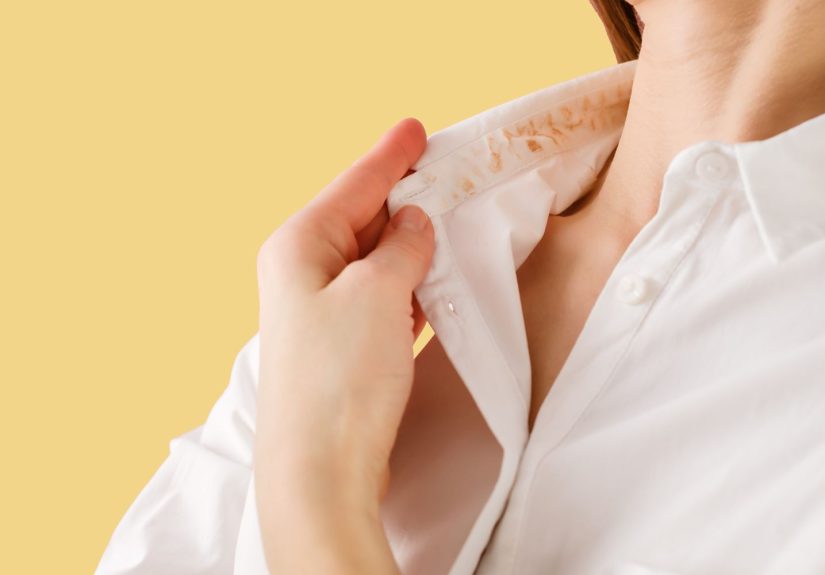
One of the most common real-life stain disasters is the collar transfer. You finish your makeup, feel great, pull a fitted top over your head, and immediately leave a beige half-moon of foundation around the neckline. At first, it looks like a tiny stain. Then you try to wipe it with your hand, and suddenly the tiny stain becomes a broad abstract mural. The lesson here is simple: slow down, scrape or blot the excess, and treat the fabric instead of trying to “rub it away” in the mirror. Mirror problem-solving is usually how stains become legends.
Then there is the lipstick surprise. Maybe it lands on a cuff after you brush your sleeve against your mouth. Maybe it appears on a napkin-colored dress after a hug. Maybe the cap came off in your bag and now everything you own looks like it auditioned for a crime drama. Lipstick stains are emotionally powerful because they look so permanent. But in practice, the best results usually come from staying boring and consistent: lift the excess, use dish soap or detergent, let it sit, and repeat if needed. The stain feels dramatic; the solution is wonderfully unglamorous.
Mascara stains are a special category of betrayal. A wand slips, a lash clump drops, or a sleepy nighttime face wash turns your pajama top or pillowcase into a streaky black mess. Waterproof formulas can look impossible because they are designed to resist moisture, oil, and common sense. Still, they often respond when you treat them like what they are: waxy, oily pigment stains. The people who get the best results are usually not the people with the fanciest products. They are the people who notice the stain, treat it early, and refuse to put the item in the dryer until they are sure it is clean.
There is also a very specific frustration that comes with “almost gone” stains. You wash the shirt, pull it out, and there is still the faintest ghost of concealer or blush left behind. This is the point where many people give up. But this is usually the moment when patience wins. A second treatment is often what finishes the job. In real homes, stain removal is rarely a one-and-done cinematic reveal. It is more like a short negotiation with fabric, detergent, and your own attention span.
And honestly, that is the reassuring part. Makeup stains are common. They happen to organized people, messy people, professionals, students, bridesmaids, parents, and anyone who has ever tried to get dressed while holding coffee. A stain does not mean the garment is ruined, and it definitely does not mean you need to throw it away in despair. Most of the time, what saves clothing is not a miracle trick from the internet. It is a quick response, a sensible method, and the willingness to give the stain one more round before surrendering. Your clothes do not need perfection. They just need a fair fight.