Table of Contents >> Show >> Hide
- First: What Are Mole Crickets (and Why Do They Wreck Lawns)?
- Signs of Mole Cricket Damage (Before Your Lawn Looks Like a Trampoline)
- The Smart Way to Get Rid of Mole Crickets: IPM (Integrated Pest Management)
- Non-Chemical & Lower-Impact Options (Because Your Lawn Isn’t a War Zone)
- Chemical Control (Used Responsibly, Not Like a Cartoon Villain)
- A Simple Seasonal Game Plan
- How to Repair a Lawn After Mole Cricket Damage
- When to Call a Professional
- Conclusion
- Field Notes: of Real-World Mole Cricket “Experience”
Mole crickets are the kind of houseguests who don’t just eat your snacksthey renovate your foundation.
One minute your lawn looks fine, the next it feels spongy underfoot, your grass roots are chewed,
and the soil is laced with little tunnels like it’s training for a tiny subway system.
The good news: you can beat them. The better news: you don’t have to carpet-bomb your yard to do it.
This guide walks you through a practical, science-backed plan to identify mole cricket damage,
confirm the culprit, and control mole crickets with the right timingso your lawn can stop looking like
it lost a bar fight.
First: What Are Mole Crickets (and Why Do They Wreck Lawns)?
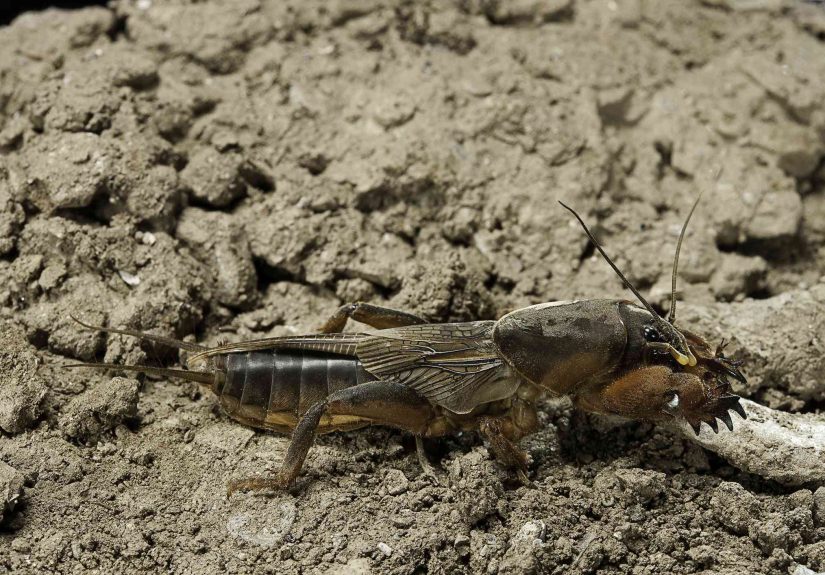
Mole crickets are burrowing insects that live in the soil and tunnel through turf. Their front legs are
built like tiny shovels, which is adorable until you realize they’re using them to uproot your lawn.
In turfgrass, damage comes from two main behaviors:
- Tunneling: They loosen soil near the surface, sever roots, and create raised ridges.
- Feeding: Some species chew on roots and shoots; others are more predatory but still tunnel aggressively.
The sneaky part: their schedule
Mole crickets are most active at night and often stay protected in burrows during the day. Many regions see
one generation per year: adults mate and lay eggs in spring, eggs hatch into nymphs in late spring/early summer,
and those nymphs grow through summer into bigger, tougher pests later in the season. In warm climates (hello, Florida),
activity can stretch across much of the year, with major damage often showing up in spring and again in late summer/fall.
Translation: timing matters more than rage. Treatments tend to work best when mole crickets are small (nymph stage)
and closer to the surfaceusually early summer in much of the Southeast.
Signs of Mole Cricket Damage (Before Your Lawn Looks Like a Trampoline)
Mole cricket damage can mimic drought stress, disease, or grub problemsso don’t guess. Look for:
- Spongy turf: The ground feels springy due to tunneling.
- Ridges and raised “runs”: Wavy lines in the soil, especially visible in early morning or after irrigation.
- Thinning, yellowing, or dead patches: Roots get severed or eaten.
- Loose sod: Grass pulls up easily because roots aren’t anchored.
- Bonus chaos: Birds, skunks, or armadillos may dig for mole cricketsoften causing more damage than the insects themselves.
Do the “Soap Flush” Test (AKA: Make Them Regret Their Life Choices)
The fastest way to confirm mole crickets is a simple soap-and-water flush. It irritates them and drives them
to the surface so you can count them instead of arguing with your grass.
- Pick a spot that shows fresh damage.
- If the area is dry, water it first (moist soil brings crickets closer to the surface).
- Mix liquid dish soap with water (common mixes are 1–2 tablespoons per gallon, or 2 tablespoons per 2 gallons).
- Slowly pour the solution over a small area (about 2–4 square feet).
- Watch for 3–5 minutes. Mole crickets should surface.
- Repeat in a few locations to get an average.
A commonly used action threshold is around 2 mole crickets per square foot (or roughly “a couple per test area” depending on the method).
If you’re consistently flushing multiple crickets in multiple spots, you’ve got a real infestationnot just one lost insect looking for directions.
The Smart Way to Get Rid of Mole Crickets: IPM (Integrated Pest Management)
IPM is just a fancy way of saying: confirm the pest, treat only when needed, and combine strategies so you get better results
with fewer unintended side effects.
Step 1: Fix what makes your lawn an all-you-can-eat buffet
Healthy turf tolerates pests better. Weak turf turns minor tunneling into a full-blown lawn crisis. Focus on:
- Correct mowing height: Too low stresses grass and exposes soil.
- Right fertilization: Follow local recommendationsoverdoing nitrogen can create tender growth that struggles when roots are damaged.
- Watering discipline: Deep, infrequent watering supports deeper roots. Also fix leaks and overwatering zones.
- Thatch control: Excess thatch can shelter pests and interfere with treatments reaching soil tunnels.
- Compaction relief: Core aeration can improve root recovery and water movement (timed to your turf type’s growing season).
Step 2: Target treatments when mole crickets are vulnerable
Here’s the big strategic win: control is usually best in early summer when nymphs are small. Many extension programs
point to late June through July (varies by location) as prime time because eggs have hatched and young crickets are easier to hit.
In late summer and fall, crickets are bigger, more mobile, and harder to controlso treatments can be less predictable.
Non-Chemical & Lower-Impact Options (Because Your Lawn Isn’t a War Zone)
Beneficial nematodes: the tiny assassins you can legally hire
One of the most discussed biological tools for pest mole crickets is the beneficial nematode
Steinernema scapterisci. It’s a microscopic worm that seeks out mole crickets in the soil.
In some regions and soil types, it can establish and provide long-term suppression.
Practical success depends on timing and conditions. Many recommendations emphasize:
- Moist soil: Apply when soil is damp (often after irrigation or rainfall).
- Low sun/heat: Apply in the evening or when sunlight won’t bake them.
- Water in: Irrigate lightly after application to move nematodes into the soil profile.
- Target stage: This nematode is often discussed as more effective against adult mole crickets than very small nymphs, so spring and fall windows may be emphasized in some guidance.
Think of nematodes as a “systems” tool: you’re building pressure on the population over time, not expecting a Hollywood-style instant lawn makeover.
Cultural “baiting” with moisture (without chemicals)
Because mole crickets respond to soil moisture, some turf guidance suggests manipulating irrigationletting the surface dry briefly,
then watering in the eveningto encourage crickets to move upward and become more exposed. This can also improve the performance
of certain treatments when combined with scouting and correct application timing.
Chemical Control (Used Responsibly, Not Like a Cartoon Villain)
If your soap flush says “yep, it’s them” and damage is unacceptable, insecticides and baits can help.
The key is choosing a product labeled for mole crickets and applying it correctly so it reaches their tunnels.
Always follow the labelbecause the label is the law, and also because plants enjoy not being accidentally destroyed.
What usually works best: baits or soil-applied insecticides
For many lawns, you’ll see two common approaches:
-
Baits: Granules that mole crickets eat. These often perform best when applied when crickets are actively feeding near the surface,
typically in the evening. Many recommendations stress avoiding watering immediately after baiting so the bait doesn’t dissolve. -
Granular or spray insecticides: These need to reach the soil where crickets tunnel. Light irrigation before or after (depending on label)
can help move product into the root zone and tunnels.
Timing: the difference between “nice try” and “actually worked”
Across multiple extension recommendations, early summer treatment is often the sweet spotwhen nymphs are small and easier to control.
In many areas, that’s late June through July. Some guidance also notes that spring attempts can be less reliable (weather and dispersal flights),
and late-season control can be tougher because crickets are larger and less sensitive.
Common active ingredients (examples, not endorsements)
Product availability varies by state and retailer, but turf insect control resources commonly mention active ingredients used in mole cricket programs,
including (depending on label and site): bifenthrin, fipronil, imidacloprid, carbaryl, indoxacarb, thiamethoxam, and others.
Your best move is to:
- Confirm the product is labeled for mole cricket control and your turf type.
- Apply at the recommended rate (more is not “more effective,” it’s just more expensive and risky).
- Apply late afternoon or evening when crickets are active and conditions are gentler on products.
- Protect pollinators: avoid spraying blooming weeds and follow label restrictions.
Spot-treating vs. blanket treatment
If damage is localized, spot treatment can be plenty. If your lawn has a history of infestation and you’re seeing widespread activity across multiple test sites,
a broader application may be justified. Either way, keep notes: where you tested, counts, dates, what you applied, and results.
You’ll be shocked how helpful this is next season when you can’t remember if “the problem started in June or in the cursed time between Memorial Day and July 4th.”
A Simple Seasonal Game Plan
Spring
- Watch for fresh tunneling as temps warm.
- Run soap flush tests in suspect areas.
- Strengthen turf with proper mowing and irrigation.
- In some regions, early actions may reduce adults before egg-layingbut results can vary due to weather and movement.
Early Summer (Often the Best Control Window)
- Scout: soap flush in multiple areas.
- If thresholds are met, treat when nymphs are small (often late June–July in many Southeastern states).
- Apply late day; follow label guidance on watering-in or bait timing.
Late Summer & Fall
- Expect bigger crickets and sometimes renewed damage.
- Control can be less predictable; baits or longer-residual approaches may be recommended in some guidance.
- If using beneficial nematodes in your program, fall may be a commonly recommended window in certain regions.
How to Repair a Lawn After Mole Cricket Damage
Once tunneling is controlled, the lawn can recoverespecially if you help it stop living in loose, rootless misery.
Try this repair sequence:
- Rake and level: Break up ridges and smooth uneven areas.
- Roll lightly if needed: A light lawn roller can re-seat loosened turf (don’t compact wet soil into a brick).
- Overseed or plug: Warm-season grasses may recover by stolons/rhizomes; cool-season lawns may need overseeding.
- Topdress thin spots: A light layer of compost/soil blend can improve root contact.
- Water smart: Keep the surface lightly moist for establishment, then transition to deeper watering.
When to Call a Professional
If you’re seeing severe damage across a large lawn, if you can’t identify the pest confidently, or if prior DIY treatments didn’t work,
a licensed lawn care pro can help with precise identification and product selection. Pros also have the advantage of experience with local timing
(which, for mole cricket control, is basically everything).
Conclusion
Getting rid of mole crickets isn’t about finding the “strongest” productit’s about finding the right moment.
Confirm the pest with a soap flush, strengthen your turf so it can resist damage, and aim control efforts when nymphs are small and near the surface.
Add biological tools like beneficial nematodes if they fit your region and lawn conditions, and use insecticides or baits responsibly when thresholds justify it.
Your lawn can absolutely recoverand with good timing, it can stay green without becoming an all-night underground cricket nightclub.
Field Notes: of Real-World Mole Cricket “Experience”
1) The “Spongy Sidewalk” Moment. The first time I walked across a mole-cricket lawn, I thought the sprinkler line had exploded underground.
Every step had that slightly springy, hollow feelinglike the grass was installed over bubble wrap. The homeowner’s theory?
“It’s probably just drought.” The soap flush test politely disagreed, producing two adults and a couple of nymphs that popped up like they’d been summoned
by an angry barista. Lesson: when turf feels spongy and lifts easily, don’t argue with physicstest first.
2) The Soap Flush Party Trick. Soap flushes are strangely satisfying, mostly because they turn lawn diagnosis into a tiny magic show.
The trick is patience: pour slowly, then stare at the soil like it owes you money for 3–5 minutes. People rush this part.
One neighbor did a dramatic “splash and run” and declared victory when nothing appeared. Five minutes later, the crickets surfacedbecause the soap had
finally worked its way into the tunnels. Moral: slow down. Mole crickets don’t sprint to the surface on your schedule.
3) The Timing Redemption Arc. I’ve seen folks treat in late summer after the lawn looks wrecked, then conclude “nothing works.”
But by that time the crickets are larger, tougher, and sometimes flying around like they’re commuting. One homeowner tried again the next year:
tested in early summer, treated when nymphs were small, and suddenly the lawn stopped looking like it had been aerated by a bored raccoon.
Same effort, wildly different outcome. Timing didn’t just helpit was the whole plot.
4) The Nematode Spa Day. Beneficial nematodes can feel weirdly wholesome: you’re not “spraying poison,” you’re releasing microscopic
bouncers to evict the troublemakers. But nematodes have standards. I’ve watched someone apply them at noon on a blazing day to dry soil, then complain
they “didn’t do anything.” That’s like throwing a fish onto a sidewalk and being shocked it didn’t thrive. When applied to moist soil in the evening
and watered in properly, results were noticeably betterespecially as part of a long-term plan rather than a one-and-done miracle request.
5) The Armadillo Plot Twist. Sometimes the worst lawn damage isn’t the mole cricketit’s the wildlife hunting it.
I’ve seen small, manageable infestations turn into crater fields after nighttime foraging. In those cases, controlling mole crickets can reduce the
“free buffet” signal that attracts diggers. It’s not instant, but it helps. And it’s a nice reminder that lawn problems often come in pairs:
the pest you don’t want, plus the “helper” you definitely didn’t invite.
6) The “Do Less, Win More” Rule. The best lawns I’ve seen weren’t treated constantly. They were mowed correctly, irrigated with discipline,
and monitored. The owners treated only when tests showed a real problem. That approach saves money, reduces risk, andironicallygets better results.
Because with mole crickets, panic is expensive… and scouting is cheap.