Table of Contents >> Show >> Hide
- Before You Start: A 60-Second Tulle Safety Check
- Quick Pick: Which Method Should You Use?
- Method 1: Hang It Up and Let Gravity Do the Heavy Lifting
- Method 2: Steam It in the Bathroom (Shower Spa Day for Fabric)
- Method 3: Use a Garment Steamer (The MVP for Tulle)
- Method 4: Use an IronBut Only on Low Heat with a Pressing Cloth
- Method 5: Hair Dryer + Light Mist (Fast, Cheap, Shockingly Effective)
- Method 6: Dryer “Air Fluff” or Low Heat + Damp Towel (Only If the Label Allows)
- Method 7: Wrinkle-Release Spray (or DIY Water Mist) + Smooth by Hand
- Bonus: How to Prevent Tulle Wrinkles in the First Place
- Common Questions About Removing Wrinkles from Tulle
- Extra : Real-World “Tulle Wrinkle” Experiences You Might Recognize
- Conclusion
Tulle is the fluffy, floaty overachiever of the fabric world. It makes skirts twirl, wedding dresses glow, party decor look expensive, and gift baskets feel like they have a PR team. It also wrinkles if you so much as look at it wrong.
The good news: most tulle wrinkles are totally fixable at homewithout turning your project into a melted science experiment. The trick is knowing which method matches your tulle (nylon, polyester, silk) and your wrinkle level (light ripples vs. stubborn fold lines).
Before You Start: A 60-Second Tulle Safety Check
- Read the care label first. Tulle is often nylon or polyester, which can deform or melt with too much heat. If the tag says “do not iron” or “no heat,” believe it.
- Test in an invisible spot. Inside hem, seam allowance, or a hidden layerespecially if the tulle has glitter, flocking, or an overlay.
- Work layer by layer. Tulle is frequently stacked. If you smooth only the top layer, the bottom layers will keep plotting their comeback.
- Use distance instead of pressure. Most of the best methods rely on steam + time + gravity, not heavy pressing.
Quick Pick: Which Method Should You Use?
| Wrinkle Type | Best Method | Why It Works |
|---|---|---|
| Light “travel ripples” | Hang & let gravity work | Lowest risk, zero tools |
| Soft wrinkles, no sharp creases | Bathroom steam | Gentle moisture relaxes fibers |
| Most everyday wrinkles | Garment steamer | Direct steam, controlled |
| Fold lines from packaging | Cool iron + pressing cloth (carefully!) | Targeted heat with protection |
| “I need it smooth in 5 minutes” | Hair dryer + light mist | Fast, surprisingly effective |
| Label allows tumble dry | Dryer “air fluff” or low + damp towel | Creates a steam-like environment |
| Minor wrinkles + freshen-up | Wrinkle-release spray / water mist | Relax + smooth without heat |
Method 1: Hang It Up and Let Gravity Do the Heavy Lifting
If your tulle is lightly wrinkled, this is the safest methodand honestly the most satisfying because you do almost nothing.
Best for
Light wrinkles from storage, shipping, or being folded in a garment bag.
What you need
- A sturdy hanger (padded is even better)
- A space where the tulle can hang freely (no squishing)
Steps
- Shake the tulle gently to loosen folds.
- Hang it so the fabric can drop straight downno bunching at the clip points.
- Let it rest for a few hours (overnight is ideal if you have time).
- If needed, lightly smooth with clean handsthink “petting a cat,” not “kneading pizza dough.”
Pro tip: Give it space. If it’s crammed between coats, the wrinkles will simply recruit more wrinkles.
Method 2: Steam It in the Bathroom (Shower Spa Day for Fabric)
Bathroom steam is a classic “no tools” fix that’s gentle on delicate fabrics. Bonus: you can do this while you shower, so it doesn’t feel like extra effortjust… multitasking.
Best for
Light-to-moderate wrinkles, especially on dresses, skirts, and decor panels.
What you need
- Hot shower
- Hanger + hook or towel bar
Steps
- Hang the tulle in the bathroom where it can catch steam but won’t get splashed.
- Run the shower hot and close the door to trap steam.
- Leave it for about 15–20 minutes.
- Turn off the water and let the tulle hang until it fully dries.
Watch-outs: Don’t soak it. Over-wet tulle can dry with new ripples, especially if it’s bunched or if water pools in one area.
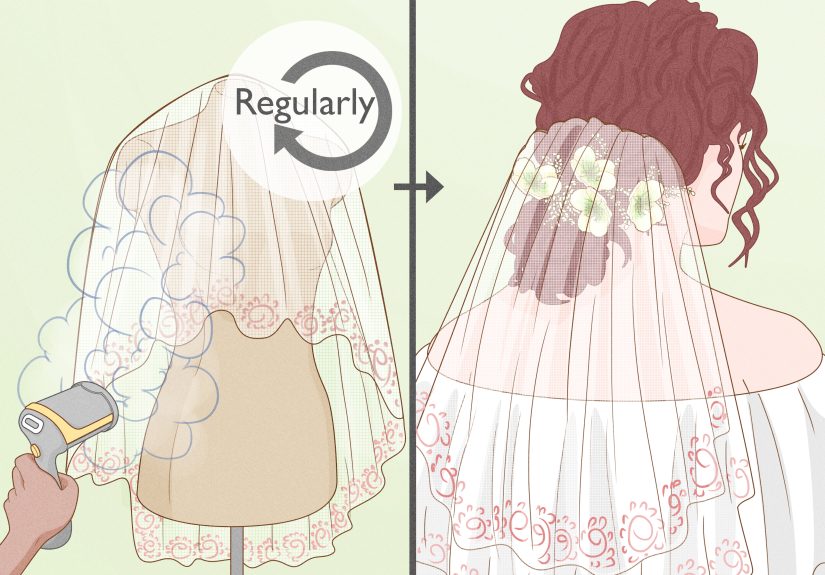
Method 3: Use a Garment Steamer (The MVP for Tulle)
If you own a handheld steamer, congratulationsyou have the best tool for most tulle jobs. Steam relaxes wrinkles without smashing the fabric the way an iron can.
Best for
Most wrinkles on nylon/polyester tulle, especially layered garments (wedding dresses, tutus, overlays).
What you need
- Handheld or standing garment steamer
- Fresh water (distilled is a nice upgrade to help avoid spotting in hard-water areas)
- Sturdy hanger
Steps
- Hang the item so the tulle hangs straight and can move freely.
- Let the steamer fully preheat.
- Hold the steamer a few inches away from the tulle (start farther away, then move closer if safe).
- Steam in slow, vertical passes. Use your free hand to gently pull the fabric taut from the bottom edge (don’t stretch it).
- Do one layer at a time. Yes, it’s tedious. Yes, it works.
- Let it hang to dry completely before moving or wearing.
Important safety note: Don’t steam while wearing the garment. Steam burns are not a cute accessory.
Method 4: Use an IronBut Only on Low Heat with a Pressing Cloth
Can you iron tulle? Sometimes. Should you iron tulle? Only if you’re careful, your care label allows it, and you treat your iron like it’s a slightly unpredictable dragon.
Best for
Stubborn fold creases on tulle that can tolerate low heat (and only when steaming isn’t enough).
What you need
- Iron with a reliable low setting
- Pressing cloth (thin cotton, a clean pillowcase, or a pressing cloth)
- Ironing board or a towel-covered flat surface
Steps
- Set the iron to low/cool (the kind used for synthetics).
- Place the tulle flatno stretching, no pulling it out of shape.
- Lay the pressing cloth on top (this is non-negotiable).
- Press, don’t iron. That means lift-and-set motions for 1–2 seconds at a time instead of dragging the iron.
- Check progress often. If the fabric looks shiny, stiff, or wavy, stop immediately.
Even safer alternative: Hover the iron slightly above the fabric and use the steam function like a mini steamerno direct contact.
Method 5: Hair Dryer + Light Mist (Fast, Cheap, Shockingly Effective)
A hair dryer isn’t just for hair. It can also rescue wrinkled tulle in a pinch, especially when you’re traveling or working in a “no iron available” situation.
Best for
Small areas, quick touch-ups, and medium wrinkles when you don’t have a steamer.
What you need
- Spray bottle with water (use a fine mist)
- Hair dryer (low or medium heat)
- Hanger
Steps
- Hang the tulle.
- Mist the wrinkled area lightlythink “morning dew,” not “thunderstorm.”
- Blow-dry from about 12–18 inches away, keeping the dryer moving.
- Smooth gently with your hand between passes.
- Let it cool and settle while hanging.
Why it works: The combo of slight moisture + warm air relaxes the wrinkle, then cooling helps it set.
Method 6: Dryer “Air Fluff” or Low Heat + Damp Towel (Only If the Label Allows)
This one is fantastic for certain tulle items (and risky for others), so the care label is the boss here. If tumble drying is allowed, a short cycle can soften wrinkles fast.
Best for
Tulle items labeled as tumble-dry safe (often some polyester tulles used in decor or craft applications).
What you need
- Dryer with an air-only, wrinkle-release, or low setting
- A clean, damp towel (not dripping)
- Mesh laundry bag (optional but helpful for delicate pieces)
Steps
- Place the tulle item in the dryer (use a mesh bag if it’s delicate or has embellishments).
- Add a damp towel to create a steam-like environment.
- Run air fluff or low heat for 10–15 minutes.
- Remove immediately and hang it up to cool and finish relaxing.
Don’t do this for heavily embellished bridal gowns, beaded overlays, or anything that can snagthose items are usually better with hanging + steaming.
Method 7: Wrinkle-Release Spray (or DIY Water Mist) + Smooth by Hand
If your wrinkles are mild and you also want a quick refresh, wrinkle-release spray can be the easiest fix of all: spray, smooth, hang, done. It’s like a pep talk for fabric.
Best for
Light wrinkles, travel touch-ups, and finishing passes after steaming.
What you need
- Commercial wrinkle-release spray or plain water in a mister
- Hanger
Steps
- Hang the tulle item.
- Spritz lightly over wrinkled areas.
- Use clean hands to gently smooth the fabric downward.
- Let it dry completely while hanging.
Tip: For very delicate tulle, start with plain water mist first. If you use a product spray, test it in a hidden spot to avoid water marks or stiffness.
Bonus: How to Prevent Tulle Wrinkles in the First Place
- Store it hanging when possible, with room to breathe.
- Use a large garment bag so layers aren’t crushed together.
- Avoid tight folding. If you must fold, pad fold lines with tissue paper to reduce sharp creases.
- Pack smart for travel: put tulle on top of heavier items, and unpack/hang it ASAP.
- Give yourself time: steaming the day before (not five minutes before) lets fabric settle calmlylike you, ideally.
Common Questions About Removing Wrinkles from Tulle
Is steaming safer than ironing for tulle?
For most tulle, yes. Steam removes wrinkles with less direct heat contact, which lowers the risk of melting or flattening the net structure. Ironing can work on low heat with a pressing cloth, but it’s easier to damage tulle with an iron than with a steamer.
What if my tulle has glitter, beads, or lace?
Avoid dryer methods and be cautious with direct pressing. Use hanging + gentle steaming from a distance. Work slowly, keep the steamer moving, and don’t saturate the embellishments.
Can I use boiling-kettle steam?
It can work, but it’s a burn hazard and harder to control than a garment steamer. If you try it, keep distance, use a stable setup, and never aim steam at your hands. (If you have literally any other option, choose the other option.)
Extra : Real-World “Tulle Wrinkle” Experiences You Might Recognize
Tulle wrinkles tend to show up at the worst possible momentlike they have a calendar invite and everything. Here are a few super common scenarios (and what typically works best) so you can pick a method without panic-Googling in formalwear.
1) The “Garment Bag Burrito”
You unzip the garment bag and your tulle skirt looks like it spent the night folded into origami. In this situation, the fastest calm-down combo is: hang it immediately, then give it a gentle steam session layer by layer. If you have time, hang it overnight after steamingthe fabric often relaxes even more as it cools and settles. The key mistake people make here is steaming the top layer only. Tulle loves layers, and layers love holding grudges.
2) The “Craft Store Fold Line That Won’t Quit”
If you bought tulle off a bolt or folded package, you may get a strong crease that laughs at your first attempt. Start with the lowest-risk method: hang + bathroom steam. If the crease is still there, move up to a handheld steamer, holding it farther away at first. Only if your tulle can handle heat and the care label allows it should you attempt cool ironing with a pressing cloth. That pressing cloth is your best friendthink of it as a tiny fabric bodyguard that prevents shiny spots and “oops” moments.
3) The “Wedding Weekend Emergency”
Nothing creates creativity like realizing your tulle overlay is wrinkled the morning of an event. If there’s no steamer available, a hot shower steam session is the classic savehang the dress, trap steam, let it relax. For smaller wrinkles on the outer layers, the hair dryer + light mist trick is surprisingly legit. The biggest win is not rushing: once you remove wrinkles, let the dress hang and dry fully so you don’t create new ones by moving it too soon.
4) The “I Fixed It… Then I Sat Down” Moment
Some wrinkling is just life, especially with layered gowns and skirts. The goal isn’t necessarily “museum perfection”it’s “looks smooth in photos and feels good to wear.” For touch-ups, wrinkle-release spray (or plain water mist) plus gentle smoothing can handle minor bunching without pulling out heat tools. It’s the fabric-care version of blotting your lipstick instead of redoing your entire face.
5) The “Delicate Details” Situation
Beading, lace appliqués, glitter tulle, and embroidered overlays are gorgeousand also more fragile. These pieces usually respond best to distance steaming and patience. Trying to flatten them aggressively can crush texture, loosen embellishments, or create water marks if you overdo moisture. Slow passes, plenty of hanging space, and treating each layer separately are what make the difference between “perfect” and “why is this stuck to my iron.”
Bottom line: tulle doesn’t need brute force. It needs the right mix of gentle moisture, low heat (or no heat), and enough time to relax. Choose the safest method first, step up only if you need to, and your tulle will be back to doing what it does bestlooking effortlessly fancy.
Conclusion
To get wrinkles out of tulle without damage, start simple: hang it up and give gravity a chance. If that’s not enough, use bathroom steam or, best of all, a garment steamer with slow, controlled passes. Reserve ironing for lastand only on low heat with a pressing cloth. With the right approach, you’ll get smooth, airy tulle that looks photo-ready… and you’ll keep your fabric (and sanity) intact.