Table of Contents >> Show >> Hide
- Why belly button rings can get tricky during pregnancy
- Step 1: Figure out whether your piercing is fully healed
- Step 2: Do not get a new belly button piercing while pregnant
- Step 3: Let comfort be your decision-maker
- Step 4: Remove jewelry early if the piercing starts pulling or tearing
- Step 5: Keep the area clean, but do not overdo it
- Step 6: Dress like your navel is slightly high-maintenance
- Step 7: Watch for signs of infection, not just normal stretching
- Step 8: Learn the difference between irritation, allergy, and something stranger
- Step 9: Do not ignore belly button pain with a bulge
- Step 10: Be very cautious with “pregnancy belly button rings”
- Step 11: Plan ahead for labor, surgery, and surprise C-sections
- Step 12: Know when removal is temporary and when repiercing is easier
- Extra tips for managing a belly button piercing during pregnancy
- Common mistakes to avoid
- Final thoughts
- Real-life experiences: what managing a belly button ring during pregnancy often feels like
Pregnancy changes a lot of things. Your sleep schedule? Rude. Your cravings? Chaotic. Your once-casual belly button ring? Suddenly the star of an unexpected drama. If you already have a navel piercing and you’re pregnant, you may be wondering whether you should keep it, remove it, swap it, or negotiate with it like a tiny metallic landlord.
The good news is that a belly button piercing during pregnancy is usually manageable. The less-fun news is that pregnancy also brings stretching skin, tenderness, itchiness, shifting anatomy, and the occasional “Why does my belly button feel personally offended today?” moment. That means what worked before pregnancy may not work now.
This guide walks you through 12 practical steps to help you manage a belly button ring during pregnancy safely and comfortably. It covers what to do with a healed navel piercing, how to spot trouble, when to call your doctor, and how to make smart choices without turning your midsection into a science fair project.
Why belly button rings can get tricky during pregnancy
A growing uterus, stretching skin, and changing abdominal pressure can make a navel piercing during pregnancy feel very different from how it felt before. The skin around the navel may become tight, itchy, or sore. For some people, the jewelry starts rubbing on clothes. For others, the piercing begins to pull, redden, or look like it is migrating. And if the piercing was never fully healed in the first place, pregnancy can make the situation a lot more dramatic than anyone asked for.
That does not automatically mean you have to remove your jewelry the second you see a positive pregnancy test. But it does mean you should pay attention to comfort, skin changes, and any signs of irritation or infection.
Step 1: Figure out whether your piercing is fully healed
This is the first and most important question. A fully healed belly button piercing behaves very differently from a new or half-healed one.
If your navel piercing is still relatively new, still crusting, still tender, or still acting like it needs emotional support, treat it as unhealed. Pregnancy is not a great time for an unhealed navel piercing. As your stomach expands, the tissue can stretch, the channel can enlarge, and the risk of irritation and infection can rise.
In plain English: if the piercing is recent, removal is usually the smarter move. If it is old, stable, and comfortable, you may be able to keep it for at least part of your pregnancy.
Step 2: Do not get a new belly button piercing while pregnant
If you were thinking, “Maybe pregnancy is the perfect time for a fresh navel piercing,” let’s lovingly retire that idea.
A new piercing creates a wound that needs time and strong healing capacity. During pregnancy, your body is already doing a full-time job building a human. Add in immune changes and skin stretching, and a new piercing becomes a pretty lousy side quest. The result can be slower healing, more irritation, and a greater chance that the area becomes uncomfortable or infected.
So if you do not already have a navel piercing, wait until after pregnancy and postpartum recovery. Your future self will thank you.
Step 3: Let comfort be your decision-maker
There is no prize for keeping a belly button ring in place while your skin is clearly filing complaints.
If your jewelry feels fine, does not snag, and your skin looks calm, you may be able to keep wearing it. But if the ring starts catching on shirts, pressing into tender skin, or making the area red and sore, comfort should win the argument.
This is especially true in the second and third trimesters, when your abdomen grows more quickly and the skin over the navel becomes tighter. A ring that was barely noticeable at 14 weeks can become the world’s least charming nuisance by 28 weeks.
Listen to your body. If your belly button ring is turning everyday movement into a tiny betrayal, it is time to reconsider it.
Step 4: Remove jewelry early if the piercing starts pulling or tearing
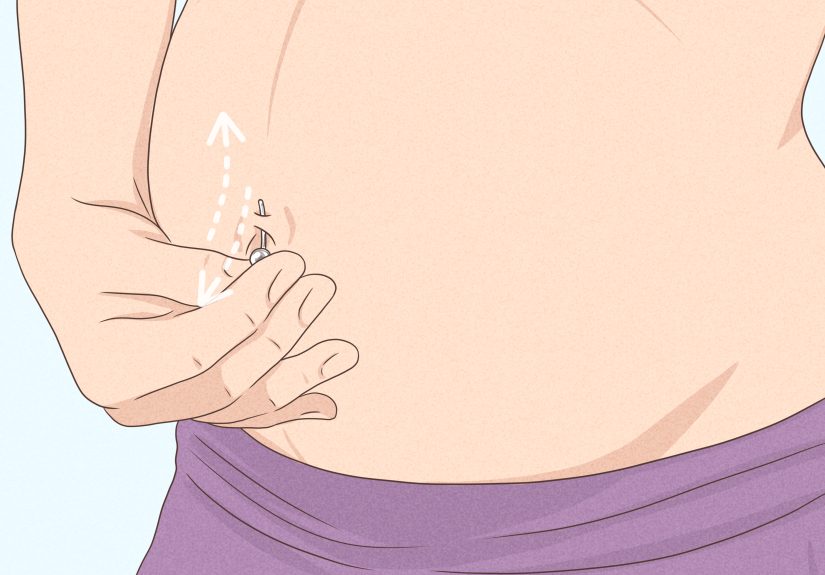
One of the biggest pregnancy-related problems with navel jewelry is mechanical stress. That means the ring pulls on the skin as your abdomen stretches. Repeated tugging can cause soreness, small surface tears, irritation, and scarring.
If you notice any of the following, remove the jewelry and contact your clinician or professional piercer for guidance:
- Skin that looks thin or shiny around the piercing
- Redness that is getting worse
- The hole appearing wider or elongated
- Small cracks or tears near the entry or exit point
- Pain when your clothing brushes the area
Think of it this way: the goal is to avoid turning a manageable piercing into a stretched scar with a dramatic backstory.
Step 5: Keep the area clean, but do not overdo it
If your piercing is healed, you do not need an elaborate ten-step ritual involving mystery potions and a crystal moon bath. Gentle care is enough.
Wash the area with mild soap and water during your regular shower. Dry it carefully. Keep sweat, lint, and friction under control. If the skin is irritated, skip harsh products, strong antiseptics, alcohol-heavy solutions, and any home remedy that sounds like it came from a message board at 2 a.m.
Overcleaning can dry out the skin and make irritation worse. During pregnancy, simple and gentle usually beats aggressive and complicated.
Step 6: Dress like your navel is slightly high-maintenance
This is one of the easiest ways to reduce problems. Tight waistbands, rough seams, and clingy tops can rub a navel piercing all day long. Pregnancy already comes with enough sensory surprises. Your shirt does not need to become one more problem.
Choose soft, breathable fabrics and loose-fitting tops. If maternity pants hit directly at the navel and create pressure, try styles with a lower or softer waistband. Some people also find that a belly support band helps by reducing movement and friction once the bump gets heavier.
If the ring snags every time you change clothes, that is useful information. Your wardrobe is not being dramatic. It is sending you a memo.
Step 7: Watch for signs of infection, not just normal stretching
Some tenderness and mild irritation can happen when skin stretches. Infection is different. The challenge is knowing which is which.
Possible signs of an infected belly button piercing during pregnancy include:
- Increasing redness or warmth
- Swelling that is painful rather than just puffy
- Yellow, green, or foul-smelling drainage
- Throbbing pain
- Fever or feeling unwell
- A painful bump filled with fluid or pus
If you see those symptoms, call your doctor. Pregnancy is not the time to “wait and see” whether a questionable piercing situation develops character. Local skin infections can worsen, and you want proper treatment rather than guesswork.
Step 8: Learn the difference between irritation, allergy, and something stranger
Not every angry-looking piercing is infected. Sometimes the problem is irritation from friction. Sometimes it is a metal sensitivity. Nickel, in particular, is a common culprit in jewelry-related skin reactions.
If the area is mostly itchy, rashy, or irritated without classic infection symptoms, your skin may be reacting to the jewelry material or to products touching the area. That is a clue to stop using harsh cleansers, skip fragranced lotions near the site, and ask a qualified piercer about safer body jewelry materials.
There is also a less common possibility: a pyogenic granuloma, which is a fast-growing, red, easily bleeding bump that can appear with pregnancy-related hormonal changes and irritation. It is benign, but it is not something you should self-diagnose with confidence and optimism. If you notice a new bump that bleeds easily, get it checked.
Step 9: Do not ignore belly button pain with a bulge
Not all belly button pain is about the piercing itself. Pregnancy can make the navel area more sensitive, and sometimes the discomfort is simply from stretching skin and changing pressure. But if you have pain plus a noticeable bulge, firmness, worsening tenderness, vomiting, or fever, call your healthcare provider.
One reason is an umbilical hernia, which can show up as a bulge at or near the belly button. That is not the kind of thing you want to casually blame on your jewelry and move on from. If the pain is significant or the area looks strange in a new way, get medical eyes on it.
Step 10: Be very cautious with “pregnancy belly button rings”
A quick online search will show endless options for maternity belly rings and flexible pregnancy jewelry. Some people do use alternative jewelry during pregnancy. But here is the catch: not everything sold as “pregnancy jewelry” is made from high-quality or truly body-safe material.
So before you swap your normal ring for a bendy internet special with suspicious product photos, talk to a professional piercer. Better yet, choose someone experienced, reputable, and happy to discuss material quality rather than just saying, “Looks cute, should be fine.”
If your goal is simply to keep the hole open, your piercer can help you decide whether that is realistic, whether you should remove the jewelry entirely, or whether there is a safer temporary option. Random shopping plus hormones is not always the path to wisdom.
Step 11: Plan ahead for labor, surgery, and surprise C-sections
Even if you are planning a vaginal birth, medicine enjoys plot twists. If you end up needing a C-section or another abdominal procedure, body jewelry may need to be removed. Hospitals and surgical teams often require removal of body piercings before procedures, especially near the abdomen.
That means it is smart to decide in advance what you want to do with your navel ring late in pregnancy. Waiting until you are in labor, annoyed, hungry, and answering seventeen hospital questions is not ideal.
If you are nearing delivery and still wearing jewelry, ask your OB-GYN or midwife what their standard recommendation is. Planning ahead is not overthinking. It is simply refusing to have an argument with your own belly button on a big day.
Step 12: Know when removal is temporary and when repiercing is easier
Many people worry that taking out a belly button ring during pregnancy means losing the piercing forever. Sometimes the hole stays open. Sometimes it shrinks. Sometimes it closes enough that reinserting jewelry later is difficult. Bodies are delightfully inconsistent.
If the piercing is old and well established, it may remain open without jewelry for a while. If it closes, that is annoying, but not tragic. Once you are done with pregnancy and healing postpartum, a professional piercer can tell you whether it can be tapered open or repierced safely.
So yes, preserving the piercing matters if it matters to you. But your skin, comfort, and health matter more.
Extra tips for managing a belly button piercing during pregnancy
Be gentle with itchy skin
Pregnancy can make the skin over your abdomen feel tight and itchy even without a piercing. A simple, fragrance-free moisturizer on the surrounding skin may help, but avoid smearing random products directly into an irritated piercing channel.
Do not twist or “test” the jewelry all day
If you keep checking whether it hurts by touching it every 45 minutes, congratulations, you have become part of the problem. Leave it alone unless you are cleaning it or assessing a real concern.
Ask both experts when needed
Your OB-GYN or midwife can address pregnancy-specific safety concerns. A professional piercer can address jewelry fit, material quality, and whether the piercing looks irritated, migrated, or unstable. Sometimes the best answer comes from using both lanes.
Common mistakes to avoid
- Getting a new belly button piercing while pregnant
- Keeping jewelry in place even when the skin is clearly tearing
- Using harsh cleansers or DIY remedies on irritated skin
- Ignoring pus, fever, or severe redness
- Buying low-quality “maternity jewelry” without checking materials
- Forgetting that a C-section may require jewelry removal
Final thoughts
Managing a belly button ring during pregnancy is usually less about rules and more about reading the room. Or, more specifically, reading the navel. If your piercing is fully healed, comfortable, and calm, you may be able to keep it for a while. If it starts pulling, reddening, tearing, or becoming a daily nuisance, removal is often the better call.
The smartest approach is simple: prioritize comfort, keep the area clean, watch for warning signs, and ask your clinician or professional piercer when something seems off. Pregnancy already asks your body to do enough. Your belly button ring should not be auditioning for a supporting villain role.
Real-life experiences: what managing a belly button ring during pregnancy often feels like
For many pregnant people, the experience starts out deceptively calm. In the first trimester, the piercing may feel exactly the same as always. The jewelry sits where it has always sat, your favorite jeans still button for a little while, and you may think, “Maybe this whole thing will be easy.” That can absolutely happen. But for a lot of people, the story changes as the bump becomes more obvious and the skin around the navel begins to stretch.
A common experience is that the piercing goes from unnoticed to weirdly noticeable almost overnight. One week it is just jewelry. The next week it is snagging on towels, rubbing against shirts, or feeling tender when you roll over in bed. Some people describe the area as tight or itchy rather than painful. Others say it feels like the bar is pulling every time they stand up straight after sitting for too long. That difference matters because it reminds us there is no single “normal” experience with a belly button piercing while pregnant.
Another very real experience is emotional hesitation about taking the ring out. A navel piercing can be part of your personal style, your body image, or just a little piece of self-expression you genuinely enjoy. So even when it starts becoming inconvenient, many people delay removal because they do not want to lose the piercing. That reaction is understandable. But it also explains why some people wait longer than they should, hoping the irritation will magically stop if they ignore it hard enough. Sadly, the skin does not tend to respect that strategy.
Some people make it through most of pregnancy with the jewelry still in place, especially if the piercing is old and the tissue is flexible. Others remove it in the second trimester because the area becomes too sensitive. A few discover that the ring was fine until a particular moment, such as after a big growth spurt, a day in tight clothing, or one unfortunate snag while changing shirts. Pregnancy has a way of turning tiny annoyances into very persuasive arguments.
There is also the postpartum side of the experience. Some people find that once the baby is born and the abdominal skin gradually settles, the irritation goes away and the piercing can be worn again. Others discover the hole has shrunk, shifted, or closed enough that reinsertion is difficult. That can be frustrating, but it is also common. In many cases, repiercing later is possible. In other words, removal during pregnancy is often a pause, not a permanent goodbye.
The biggest lesson from real-world experiences is that flexibility matters more than perfection. You do not need to “win” pregnancy by keeping your belly button ring in from start to finish. You just need to make the choice that keeps your skin healthy and your body comfortable. Some pregnancies and some piercings coexist peacefully. Some do not. Neither outcome means you did anything wrong. It just means your body had an opinion, and during pregnancy, it tends to express those opinions loudly.