Table of Contents >> Show >> Hide
- Quick safety check: when NOT to massage (or when to call a pro first)
- Why massage can help lower back pain (and what it can’t do)
- Set yourself up for success (30 seconds that makes the next 10 minutes better)
- Best lower back massage techniques (step-by-step)
- Technique 1: Warm-up strokes (effleurage)
- Technique 2: Kneading (petrissage) for tight lumbar muscles
- Technique 3: Small circles (friction) for stubborn knots
- Technique 4: Trigger point “pressure and breathe”
- Technique 5: Slow myofascial “melting” (great for stiffness)
- Technique 6: Don’t forget the glutes (your low back’s loud neighbors)
- Self-massage routines that actually work (choose one)
- Partner massage: a simple 15-minute flow
- Extra pain relief add-ons (massage’s best friends)
- How often should you massage the lower back?
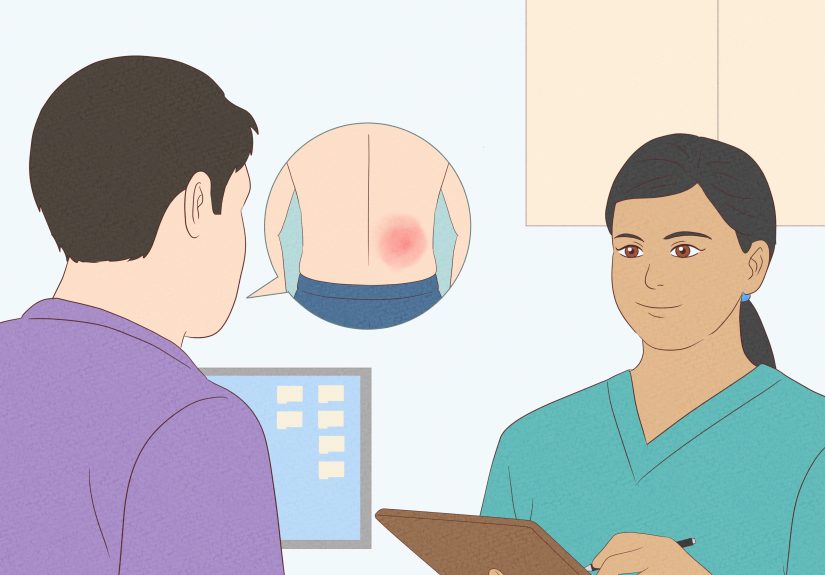
- When to see a clinician (even if massage helps)
- FAQ
- Real-world experiences: what people commonly notice (and what actually helped)
- Conclusion
Your lower back works overtime. It holds you up, helps you move, and quietly absorbs the consequences of things like
“I’ll just carry all the groceries in one trip.” When it starts complaining, a smart lower back massage can be one of
the fastest ways to dial down muscle tension and help you feel human again.
This guide walks you through safe, practical lower back massage techniques you can use on yourself (or with a partner),
plus simple add-onslike heat, positioning, and a tennis ballthat often make the difference between “meh” and “oh wow.”
It’s written for everyday aches and muscle tightness, not serious injuries. When in doubt, get checked out.
Quick safety check: when NOT to massage (or when to call a pro first)
Most everyday low back pain is mechanicalthink strained muscles, irritated joints, or stiff tissuesand improves with
time and gentle care. But some symptoms are red flags. If any of these fit, skip the massage and contact a clinician
promptly (or seek urgent care if severe):
- Back pain after a major fall, car accident, or other significant trauma
- New weakness, numbness, or tingling in one or both legs (especially worsening)
- Pain that shoots down the leg with worsening neurologic symptoms
- New bowel or bladder control problems
- Fever, chills, or redness/swelling over the back
- Unintended weight loss, history of cancer, or pain that’s constant/intense at night
Also be cautious (or get medical guidance first) if you have osteoporosis, are on blood thinners, have a known blood clot
(or clot risk), have an active infection/skin infection, have a recent surgery, or have unexplained severe pain.
Deep tissue massage is not a “no pain, no gain” situationespecially if you’re higher risk.
Why massage can help lower back pain (and what it can’t do)
A good lower back massage can help when pain is coming from tight or overworked musclescommon suspects include the
erector spinae (those long “posture” muscles along the spine), the quadratus lumborum (QL) near the top of the pelvis,
and the glutes/hip rotators that often get cranky when you sit a lot.
Massage may help by:
- Reducing muscle tension that pulls on the low back and pelvis
- Calming the nervous system (less “guarding,” more “ahhh”)
- Improving comfort and movement so walking and gentle exercise feel doable
- Temporarily easing painoften short-term relief, especially for acute flare-ups
What massage usually can’t do: “put a slipped disc back,” fix structural problems overnight, or replace a plan that
includes movement, strengthening, sleep, and stress management. Think of massage as a powerful helperoften best as part
of a bigger “back-friendly” routine.
Set yourself up for success (30 seconds that makes the next 10 minutes better)
1) Choose your timing
Massage works best when tissues are warm and you’re not rushed. After a warm shower is great. If your back pain is very
new and irritated, you may prefer gentle pressure plus cold/ice early on. If it’s more stiffness and tightness, heat
often feels fantastic.
2) Get comfortable positioning
- For self-massage: a wall, the floor with a yoga mat, or a firm bed can work.
- For partner massage: lie face down with a pillow under your hips (reduces low back arching).
- For seated massage: sit leaning forward with forearms supported (table, desk, or chair back).
3) Use the “pressure rule”
Use a 0–10 scale. Aim for 3–6/10: “strong but comfortable.” Avoid sharp, electric, burning pain, or any
pressure that makes you tense up or hold your breath. The body should soften, not brace.
4) Avoid the bony bits
Massage the muscle, not the spine. Stay off the spinous processes (the bony bumps in the center),
avoid direct pressure on ribs, and don’t dig deeply into sensitive areas. When in doubt, shift pressure outward toward
the muscles beside the spine and around the pelvis and hips.
Best lower back massage techniques (step-by-step)
These techniques work for self-massage, partner massage, or both. You can mix and match. If you do nothing else, do
the first two: warm-up strokes and slow kneading.
Technique 1: Warm-up strokes (effleurage)
What it is: long, smooth strokes that warm the tissues and signal “safe to relax.”
Why it helps: it reduces guarding and sets the tone before deeper work.
- Apply a small amount of lotion or oil (optional, but it reduces skin drag).
- Using palms, glide upward from the top of the hips toward the mid-back, then sweep outward and down.
- Repeat slowly for 60–90 seconds. Keep pressure moderate and steady.
Technique 2: Kneading (petrissage) for tight lumbar muscles
What it is: gentle squeezing and lifting of soft tissuelike kneading dough, but kinder.
Targets: muscles beside the spine, top of the pelvis, and the “back pockets” area.
- Use thumbs and fingers (or heel of the hand) to gently lift and roll the muscle.
- Work slowly along the muscles beside the spine, staying 1–2 inches away from the bony center.
- Spend extra time where it feels tight, but keep it in the “hurts-good” zonenever sharp pain.
Technique 3: Small circles (friction) for stubborn knots
What it is: small, controlled circles over a tight spot.
Tip: smaller is usually betterthink “quarter-sized circles,” not “stirring a soup pot.”
- Find a tender, tight spot in the muscle (not on bone).
- Use your thumb pad, knuckles, or the heel of your hand to make slow circles.
- Do 15–30 seconds, then switch back to long strokes to calm the area.
Technique 4: Trigger point “pressure and breathe”
What it is: steady pressure on a tender point until it softens.
Works well for: QL area (upper pelvis), glutes, and hip rotators.
- Apply steady pressure (3–6/10) on the tender point.
- Hold for 20–45 seconds while taking slow breaths. (If you’re making a face like you bit a lemon, reduce pressure.)
- Release slowly, then do gentle strokes for 10–15 seconds.
Important: If you get shooting pain, numbness, or tingling down the leg, stop and switch to gentler
techniques. Radiating symptoms can signal nerve irritation.
Technique 5: Slow myofascial “melting” (great for stiffness)
What it is: very slow pressure with minimal slidingmore like sinking than rubbing.
Why it helps: it can feel soothing when the back is hypersensitive and doesn’t want vigorous work.
- Place your palm or a soft massage ball against a tight area.
- Apply gentle pressure and hold, barely moving, for 60–90 seconds.
- Let the tissue relax around the pressure instead of forcing it.
Technique 6: Don’t forget the glutes (your low back’s loud neighbors)
Tight glutes can make your lower back feel like it’s doing all the work. Massaging the glute medius (side of hip) and
glute max (butt cheek) often reduces low back “pull.”
- Use knuckles or a ball to apply pressure to the upper outer glute (side of hip).
- Work slowly with circles or steady holds.
- Avoid direct pressure on the tailbone and keep intensity moderate.
Self-massage routines that actually work (choose one)
Option A: 10-minute “Wall + Ball” routine (beginner-friendly)
You’ll need: a tennis ball (softer) or lacrosse ball (firmer). Start softer.
- Warm-up (1 minute): stand tall and do gentle hip circles and slow breathing.
- Place the ball (2 minutes): lean against the wall with the ball on the muscle beside your spine (not on it).
- Slow rolls (3 minutes): roll up/down a few inches, then side-to-side. Pause on tender spots.
- Trigger holds (2 minutes): hold pressure on 2–3 tight points for 20–45 seconds each.
- Glute bonus (2 minutes): move the ball to the upper outer butt/hip area and repeat slow holds.
Option B: Floor routine for glutes + low back support (great after sitting)
You’ll need: yoga mat + ball (optional).
Tip: Place a pillow under knees if your back arches uncomfortably.
- Lie on your back with knees bent.
- Place the ball under one glute (not under the low back itself at first).
- Gently shift weight until you find a tender spot; hold 20–45 seconds.
- Switch spots 3–5 times, then switch sides.
- Finish with 60 seconds of gentle knee-to-chest rocking (if comfortable).
Option C: Foam roller “hips + hamstrings” reset
Sometimes the lower back is mad because the hips and hamstrings are tight. Rolling those areas can reduce strain on the
lumbar region.
- Roll the glutes slowly (30–60 seconds each side).
- Roll hamstrings gently (30–60 seconds each side).
- Keep pressure moderate; avoid rolling directly on the low back spine.
Partner massage: a simple 15-minute flow
If you’re massaging someone else, your #1 tool is communication. Ask: “Is this pressure okay?” about every 30–60 seconds.
The goal is for the receiver to relaxif they’re bracing, the pressure is too much.
- Warm-up strokes (2 minutes): slow, broad strokes from hips toward mid-back.
- Kneading (5 minutes): work the muscles beside the spine and the top of the hips.
- Circles + trigger points (5 minutes): small circles on tight areas; hold 20–45 seconds on tender points.
- Glutes (2 minutes): slow circles and gentle kneading on the butt/hip area.
- Cool-down strokes (1 minute): return to long, soothing strokes to settle everything down.
Partner safety note: Avoid aggressive elbow work unless you’re trained. Deep pressure can cause bruising
and can be risky for some people.
Extra pain relief add-ons (massage’s best friends)
Heat and cold: which one?
- Cold can feel best early with a fresh flare-up or after activityuse short sessions and protect the skin.
- Heat often helps stiffness and tight muscles. A heating pad on low or a warm shower can prep tissues before massage.
- Combo approach: some people like alternating cold and heat, especially with radiating symptomsgo by comfort.
Gentle movement (the underrated hero)
Massage can reduce pain enough to move againuse that window. Short walks, easy hip mobility, and light stretching often
help keep pain from boomeranging back two hours later.
Breathing: the “free upgrade”
Slow nasal breathing (in for ~4 seconds, out for ~6 seconds) tells your nervous system to stop acting like it’s being
chased by a bear. Your muscles usually follow the memo.
How often should you massage the lower back?
For everyday tightness, 5–15 minutes can be enough. You can do gentle self-massage daily for a short period,
especially during a flare-up. For deeper work, give tissues recovery timeevery other day may feel better than going
“full tournament mode” every night.
It’s normal to feel mild soreness after a massage, especially if you’re new to it. If soreness is strong, lasts more than
a day or two, or you feel worse overall, back off on pressure and duration next time.
When to see a clinician (even if massage helps)
Massage is a symptom-reliever, not a diagnostic tool. Consider medical guidance if:
- Your back pain hasn’t improved after about a week of home care
- Pain is severe, getting worse, or repeatedly returns
- You have leg weakness, numbness/tingling, or symptoms that spread below the knee
- You have any red-flag symptoms (bowel/bladder changes, fever, major trauma, unexplained weight loss, etc.)
For sciatica-type symptoms (pain traveling down the leg), it’s especially important to monitor for worsening numbness,
weakness, or bowel/bladder changes.
FAQ
Is it safe to massage the lower back if I have sciatica?
Sometimes gentle massage to surrounding muscles (glutes, hips, and the muscles beside the spine) can feel relieving,
but avoid deep aggressive pressureespecially if it triggers sharp, shooting pain down the leg. If symptoms are severe,
worsening, or include weakness or bowel/bladder changes, get evaluated.
Should massage hurt to work?
Nope. Strong pressure can be effective, but pain that makes you tense up is usually counterproductive. Aim for “strong
and comfortable.” If you’re holding your breath, the pressure is too much.
What’s the best technique for “knots” in the lower back?
For stubborn tight spots, the most effective combo is often: warm-up strokes → small circles → trigger point hold →
cool-down strokes. Slow and steady beats fast and furious.
Do massage guns help lower back pain?
They can help some people with muscle tightness, but use caution near the spine and keep intensity moderate. Start on
larger muscles (glutes, hips) rather than directly on the lumbar area, and avoid aggressive use if you bruise easily or
have underlying medical risks.
Real-world experiences: what people commonly notice (and what actually helped)
Below are patterns people often describe when they start using lower back massage for pain relief. These aren’t medical
guaranteesjust realistic “here’s what tends to happen” experiences that can help you set expectations and avoid common
mistakes.
Experience 1: “My back hurts because I sit all day”
A lot of desk workers assume their lower back is the villain, but the plot twist is often the hips and glutes. People
frequently report that direct rubbing on the low back feels okay for five minutes… and then the tightness comes right
back. The biggest “aha” is when they start spending time on the upper outer glutes and the side-of-hip muscles, using
a wall-and-ball routine for just 8–10 minutes. The back often feels lighter because the pelvis isn’t being tugged into a
stiff position.
Another common win: pairing massage with a short walk. After loosening tissues, a 5–10 minute easy walk tends to keep
things from re-tightening immediately. People also notice that if they go too hard (lacrosse ball + full body weight +
“I will defeat this knot!”), they can feel bruised and more guarded the next day. The sweet spot is moderate pressure,
slow holds, and a calm breathing rhythm.
Experience 2: “Weekend warrior flare-ups”
People who only anger their backs on Saturdays (yard work, pickleball, moving furniturechoose your own adventure) often
do best with a two-phase approach. First, gentle work: warm-up strokes, light kneading, and short cold/ice sessions if
it’s a fresh flare. Then, once the sharpness settles, they switch to slow trigger point holds on the glutes and QL area.
Many report that the “second-day strategy” works better than trying to aggressively massage everything right after the
activity.
The most helpful habit here is also the least exciting: a quick warm-up before activity. People who add a few hip hinges,
easy squats to a chair, and gentle hip mobility before lifting or playing often find they need less “damage control”
massage afterward.
Experience 3: “I’m stressed and my back is basically a clenched fist”
Stress-related muscle guarding is real, and people commonly describe their back as “hard as a board” during busy periods.
In these cases, deep pressure can backfire because the nervous system interprets it as another threat. Gentle myofascial
“melting” and slow breathing often work surprisingly well. People report that after 2–3 minutes of calm, steady pressure,
the back softens enough that light kneading becomes comfortable.
A practical trick that shows up again and again: set a timer for 10 minutes. Not 45. Ten. Short, consistent sessions
tend to feel better than one heroic massage followed by three days of soreness.
Experience 4: “I tried massage, it helped… but the pain keeps coming back”
This is one of the most common stories. Massage helps, but the relief doesn’t last. When that happens, people often do
better when they treat massage as the “door opener” and then walk through the door with simple strengthening and
movement. The combo that many find sustainable is: short self-massage → gentle mobility → basic core/hip strengthening
a few times per week → walking most days. Even small consistency tends to beat occasional intensity.
And when massage really isn’t enoughespecially with radiating symptoms down the leg or persistent pain that doesn’t
improve over timemany people feel relief just from getting a clear evaluation and a plan. Knowing whether you’re dealing
with a simple strain, nerve irritation, or something else changes what “smart self-care” looks like.
Conclusion
The best lower back massage techniques aren’t complicated: warm up the tissues, use moderate pressure, work the muscles
beside the spine (and the glutes/hips), and finish gently. If you combine massage with heat/cold as needed, calm breathing,
and a little movement, you’ll often get better results than massage alone.
Most importantly: listen to the signals. Sharp pain, worsening leg symptoms, or red flags are your cue to stop and get
medical guidance. For everything else, a smart 10–15 minute routine can be a very effective way to ease lower back pain
and help you move comfortably againwithout turning your living room into a medieval torture museum.