Table of Contents >> Show >> Hide
- What Baseball Glove Size Actually Means
- How to Measure a Baseball Glove
- Baseball Glove Size Chart by Age and Position
- Why Position Changes Everything
- How a Baseball Glove Should Fit
- Baseball Glove Buying Tips Before You Purchase
- Common Baseball Glove Shopping Mistakes
- Quick Checklist: How to Choose the Right Baseball Glove
- Final Thoughts
- Real-World Experiences: What Players and Parents Learn the Hard Way
- SEO Tags
If you have ever watched a young player wear a glove that looks like a canoe strapped to their hand, you already know the truth: glove size matters. A baseball glove is not just a cool accessory that smells like leather and dreams. It is a tool, and if the tool is too big, too stiff, too heavy, or built for the wrong position, it can turn routine plays into small public dramas.
That is why learning how to measure a baseball glove is one of the smartest things a player, parent, or coach can do before buying one. The right glove size helps with control, clean transfers, confidence, and comfort. The wrong glove size does the opposite, usually while making you wonder why a “great deal” suddenly feels expensive.
In this guide, you will learn how baseball gloves are measured, how sizing changes by position, how to tell whether a glove truly fits, and what to look for before spending your money. Whether you are shopping for a tee-ball beginner, a middle infielder, an outfielder, or a catcher who treats dirt balls like a full-time job, this guide will help you buy smarter.
What Baseball Glove Size Actually Means
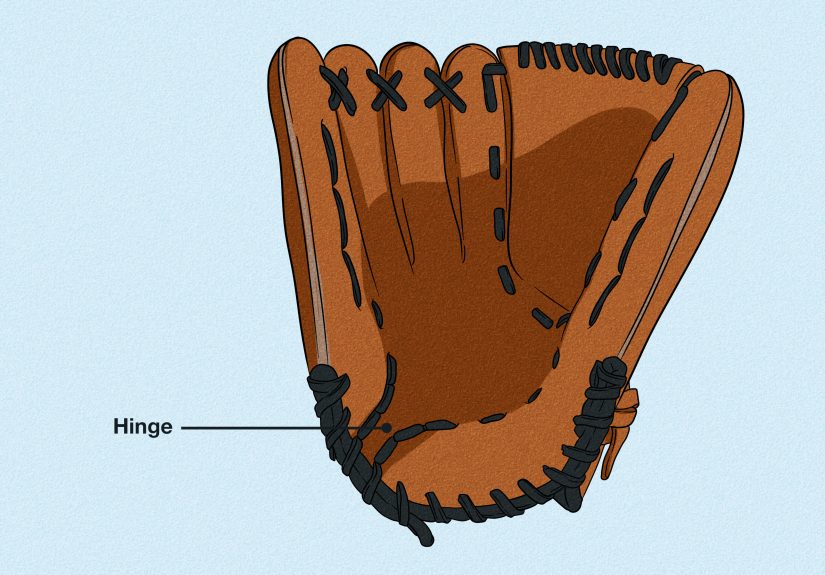
For most fielding gloves, size is measured in inches from the heel of the glove to the top of the index finger. That number is the glove’s pattern size, and it gives you a useful starting point when comparing models. If you see an 11.5-inch infield glove or a 12.75-inch outfield glove, that number refers to the glove’s overall measurement, not your hand size.
There is one important exception: catcher’s mitts are usually measured by circumference, not standard length. That is why catcher’s mitt sizes look dramatically bigger on paper, such as 32.5 inches or 33 inches. First base mitts, on the other hand, are generally still discussed more like fielding gloves, even though their shape is very different.
Here is the simple version: the number on the glove is the glove’s size, but the right glove size for you depends on more than the label. Position, age, hand strength, wrist fit, pocket depth, and how easily you can close the glove all matter.
How to Measure a Baseball Glove
How to Measure a Fielder’s Glove or First Base Mitt
- Lay the glove flat with the palm facing up.
- Place a flexible tape measure at the heel of the glove.
- Run the tape along the glove, following the palm area up to the top of the index finger.
- Record the measurement in inches.
That is the standard method used to estimate glove pattern size. Do not measure across the webbing or diagonally like you are inventing your own geometry. Keep it simple and follow the glove’s length from heel to index finger.
How to Measure a Catcher’s Mitt
- Lay the mitt open and flat.
- Use a soft tape measure and wrap it around the mitt’s catching area to determine its circumference.
- Record the circumference in inches.
This is why catcher’s mitts have size numbers that look much larger than regular gloves. A 33-inch catcher’s mitt is not “giant” in the same way a 33-inch fielding glove would be. It is simply measured by a different standard.
Baseball Glove Size Chart by Age and Position
Glove sizing varies a little by brand and glove pattern, but these ranges are a solid buying guide for baseball players.
| Player Type | Position | Typical Glove Size |
|---|---|---|
| Tee-ball / very young players | All positions | 9" – 10.5" |
| Youth ages 8-10 | Infield | 10.5" – 11.5" |
| Youth ages 11-12 | Infield | 11" – 11.75" |
| Youth ages 8-10 | Outfield | 10.75" – 11.5" |
| Youth ages 11-12 | Outfield | 11.75" – 12.5" |
| Youth | Pitcher | 10.5" – 12" |
| Youth | First base | 11.5" – 12" |
| Youth | Catcher | 30" – 32.5" circumference |
| Teen / adult | Infield | 11.25" – 12" |
| Teen / adult | Outfield | 12" – 12.75" |
| Teen / adult | Pitcher | 11.5" – 12.5" |
| Teen / adult | First base | 12" – 13" |
| Teen / adult | Catcher | 32.5" – 34.5" circumference |
Think of this chart as a starting point, not a commandment carved into a dugout bench. One 11.5-inch glove may feel smaller, lighter, or easier to close than another, depending on the pattern, leather, and wrist opening.
Why Position Changes Everything
Infield Gloves
Infielders typically want a smaller glove with a shallower pocket so they can field the ball cleanly and make faster transfers. If you are playing second base, shortstop, or third base, an oversized glove can slow you down. It might look impressive, but if it takes three business days to get the ball out, it is not helping.
Outfield Gloves
Outfielders usually prefer a larger glove with more reach and a deeper pocket. That extra length helps on fly balls, diving catches, and plays near the warning track where subtle panic is part of the job description.
Pitcher’s Gloves
Pitchers often land in the middle. They need enough pocket to field the ball and enough glove surface to help conceal the grip from hitters. That is why many pitcher’s gloves use a more closed web design and a moderate size range.
First Base Mitts
First basemen use mitts designed for scooping throws, receiving short hops, and giving teammates emotional relief after a bad infield throw. These mitts are longer and shaped differently from standard gloves.
Catcher’s Mitts
Catcher’s mitts are built to receive pitch after pitch, frame the ball, and handle repeated impact. Pocket shape, padding, and circumference matter more here than standard glove length.
How a Baseball Glove Should Fit
A glove can be the “right size” on paper and still feel completely wrong on your hand. Fit is where smart buyers separate themselves from regret buyers.
Signs a Glove Fits Well
- The wrist opening feels secure without cutting off circulation.
- Your fingers fit naturally into the stalls without feeling cramped.
- You can open and close the glove with reasonable control.
- The glove does not feel too heavy for your age and strength.
- The glove sits comfortably in the hand without sliding around.
Signs a Glove Is Too Big
- The glove slips or shifts when catching.
- The player struggles to close it.
- The glove feels slow during transfers.
- The glove looks like it is wearing the player, not the other way around.
Signs a Glove Is Too Small
- Fingers jam into the stalls.
- The pocket feels shallow for the position.
- There is not enough reach for the type of plays you make.
- The wrist or hand feels squeezed and uncomfortable.
For youth players, glove control is especially important. A slightly smaller glove that a child can actually open and close is usually a better choice than a larger model they “might grow into later.” Baseball is not jeans shopping.
Baseball Glove Buying Tips Before You Purchase
1. Buy for Position First
Start with the position the player will use most often. A versatile utility glove can work for very young players, but once a player begins settling into a regular position, glove style matters more.
2. Do Not Buy Oversized on Purpose
One of the most common mistakes is buying a glove that is too large because it seems like a better long-term investment. In reality, a glove that is too big can hurt confidence and skill development. Players need control more than extra leather.
3. Check the Wrist Adjustment
Youth gloves with adjustable wrist closures are especially helpful because they can create a more secure fit. A loose wrist opening can make even a good glove feel sloppy.
4. Pay Attention to Weight
Two gloves can have the same size but feel completely different in weight. Younger players usually do better with lighter, more game-ready gloves. Older or advanced players may prefer higher-end leather that starts stiffer but breaks in beautifully over time.
5. Think About Break-In Time
Some gloves are game-ready faster, while premium leather gloves often need more work. If the season starts next week, a super-stiff pro-style glove may not be the best choice unless the player is ready to put in the break-in effort. Catch play, controlled shaping, and pocket work matter.
6. Try the Catch Motion
If possible, the player should put the glove on and actually open and close it several times. This sounds obvious, yet many people shop by size label alone. A glove should feel natural during the catch motion, not like a reluctant folding chair.
7. Match the Throwing Hand Correctly
A right-hand thrower wears the glove on the left hand. A left-hand thrower wears the glove on the right hand. This seems too obvious to mention, but every sporting-goods employee has a story, and none of them are short.
Common Baseball Glove Shopping Mistakes
- Choosing based only on age: Age charts help, but hand size, strength, and skill level matter too.
- Ignoring position: A shortstop and an outfielder should not always use the same glove model.
- Buying too stiff for a beginner: Some players need a softer, more manageable glove first.
- Focusing only on brand name: A great logo does not guarantee a great fit.
- Skipping the feel test: The glove still needs to feel right when worn and closed.
Quick Checklist: How to Choose the Right Baseball Glove
- Measure the glove correctly.
- Use the player’s position to narrow the size range.
- Check the wrist fit and finger comfort.
- Make sure the player can control the glove.
- Compare weight, leather feel, and break-in expectations.
- Choose function over flashy looks.
Final Thoughts
Knowing how to measure a baseball glove gives you a real advantage when shopping. Instead of guessing, you can evaluate glove size, compare models intelligently, and focus on what truly matters: position, fit, control, and comfort. A properly fitted glove can help a player field cleaner, transfer faster, and enjoy the game more. A poorly fitted glove can turn every ground ball into a suspense film.
The best baseball glove is not always the most expensive one, the flashiest one, or the one a favorite pro uses. It is the one that fits the player’s hand, matches the position, and performs when the ball is hit. That is the glove worth buying.
Real-World Experiences: What Players and Parents Learn the Hard Way
One of the most common real-world experiences with baseball glove shopping is that people tend to shop with their eyes before they shop with their hands. A player sees a sleek, pro-style glove with beautiful leather, sharp laces, and a giant pocket, and suddenly logic leaves the building. The glove looks amazing. It also weighs about as much as a small carry-on bag and takes both hands, a knee, and a prayer to close. Five minutes later, everyone realizes it is not the dream glove. It is just an expensive arm workout.
Parents often discover this first with youth players. A child may insist they want the glove their favorite travel-ball player uses, only to find that the glove is too stiff, too large, and too hard to control during actual play. On the first ground ball, the glove stays open like a suitcase. On the second, it closes late. By the third, the parent is reading product descriptions in the parking lot with the intensity of a legal review. The lesson is simple: the right glove must match the player’s current ability, not their future highlight reel.
Another common experience happens with “grow into it” purchases. This idea sounds practical. Buy a bigger glove now, save money later, and let the player grow into it over time. In reality, many players do not grow into the glove nearly as fast as the season arrives. A glove that is too big can make catching harder, transfers slower, and confidence shakier. Coaches often notice that players with slightly smaller, better-controlled gloves field more naturally than players wearing oversized models built for some distant version of themselves.
Older players go through their own version of this learning curve. An infielder may buy a larger glove because it feels safer, then realize it slows down every transfer on routine ground balls. An outfielder may go too small because the glove feels quick, then wish for more reach on line drives and diving plays. Catchers often become the most detail-oriented shoppers of all, because mitt shape, pocket feel, padding, and circumference all affect receiving comfort. After a few bullpen sessions, the wrong mitt will make itself known very clearly.
There is also the break-in experience, which deserves its own small chapter in baseball life. Some players love shaping a glove over time, working the pocket, playing catch, and feeling the leather become theirs. Others discover that a glove advertised as premium also means premium stubbornness. This is not necessarily bad, but it does mean buyers should be honest about patience. A glove that fits well and breaks in at the right pace often becomes a favorite for years. A glove that fights the player every step of the way often ends up living in a closet next to abandoned cleat experiments and one lonely elbow guard.
In the end, most players and parents arrive at the same conclusion: fit beats hype. The best glove experience usually comes from a model that feels secure, matches the position, and lets the player play freely. It may not be the most glamorous choice on the shelf, but once the glove starts turning hard-hit balls into outs, nobody misses the extra drama.