Table of Contents >> Show >> Hide
- What You Need Before Mixing Cement
- How to Mix Cement: 11 Steps
- Step 1: Choose the Right Cement-Based Product
- Step 2: Read the Bag Instructions Before Opening It
- Step 3: Put On Safety Gear
- Step 4: Prepare the Mixing Area
- Step 5: Measure the Water Carefully
- Step 6: Add About Three-Quarters of the Water First
- Step 7: Add the Dry Mix Gradually
- Step 8: Mix Until the Consistency Is Uniform
- Step 9: Adjust With Small Amounts of Water or Mix
- Step 10: Place the Mix Promptly
- Step 11: Finish, Clean Up, and Cure Properly
- Common Mistakes When Mixing Cement
- Best Consistency for Cement, Mortar, and Concrete
- How Much Cement Mix Should You Prepare?
- Extra Experience: Practical Lessons From Mixing Cement
- Conclusion
- SEO Tags
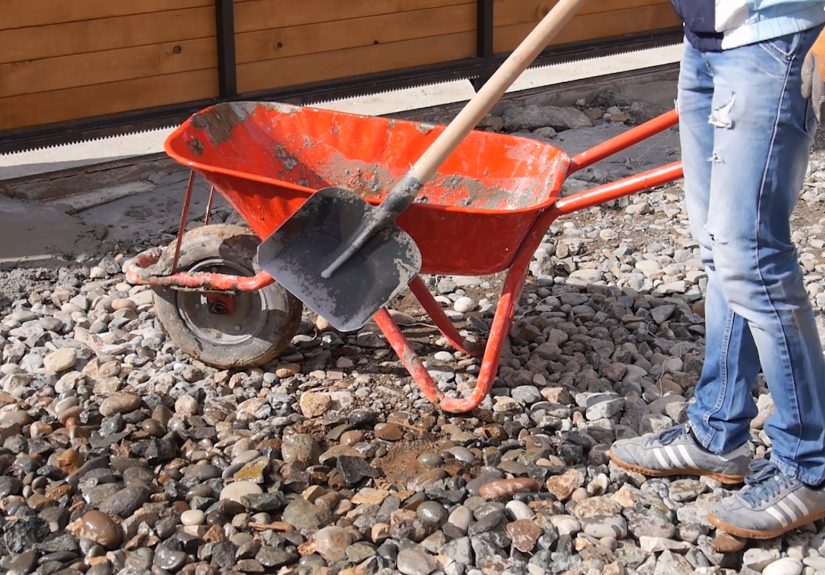
Mixing cement sounds simple until you are standing over a dusty wheelbarrow wondering whether your gray puddle is construction material or a very sad smoothie. The good news is that learning how to mix cement is not complicated when you understand the basics: measure carefully, add water gradually, mix thoroughly, and work safely. The bad news? Cement does not forgive wild guessing, especially when too much water sneaks into the batch like an uninvited party guest.
Before we grab the shovel, let’s clear up one common confusion. Cement is not the same thing as concrete. Cement is the powdery binder, usually Portland cement, that reacts with water and hardens. Concrete contains cement, sand, gravel or crushed stone, and water. Mortar contains cement, sand, and water, but usually no coarse gravel. Many homeowners say “mix cement” when they really mean mixing concrete for a post, walkway, slab, or repair. This guide covers the practical process for mixing bagged concrete, mortar, or a basic cement-based mix by hand or with a small mixer.
Whether you are repairing a step, setting fence posts, patching masonry, or preparing a small DIY slab, the same principles apply. Keep your materials clean, follow the bag instructions, use personal protective equipment, and aim for a workable consistencynot soup, not desert sand, but something that behaves like thick oatmeal or stiff peanut butter. Concrete may be gray, but your results do not have to be gloomy.
What You Need Before Mixing Cement
Gathering the right tools before opening the bag keeps the project moving smoothly. Cement-based products begin reacting once water is added, so hunting for a trowel halfway through the batch is not ideal. You want everything ready, nearby, and clean.
Tools and materials
- Bagged concrete mix, mortar mix, or Portland cement with sand and aggregate
- Wheelbarrow, mixing tub, mortar box, or cement mixer
- Hoe, shovel, or mixing paddle
- Clean water and a measuring bucket
- Gloves, safety glasses, and a dust mask or respirator
- Trowel, float, or finishing tool
- Plastic sheeting, curing blanket, or a way to keep the surface damp
Use clean water because dirty water can affect the way cement hydrates. Also, do not mix directly on soil unless you enjoy adding mystery ingredients to your project. A mixing tub or wheelbarrow gives you control and makes cleanup much easier.
How to Mix Cement: 11 Steps
Step 1: Choose the Right Cement-Based Product
Start by matching the product to the job. For small slabs, footings, patios, and post bases, a general-purpose concrete mix is usually the easiest choice because it already contains cement, sand, and gravel in the correct proportions. For brick, block, stone, tuck-pointing, and masonry repairs, use mortar mix. For custom concrete, Portland cement can be blended with sand and gravel, but this requires more careful measuring.
A common DIY concrete ratio is 1 part Portland cement, 2 parts sand, and 3 parts gravel, with water added gradually until the mix becomes workable. However, bagged mixes remove much of the guesswork. For most homeowners, the smartest move is to follow the manufacturer’s directions printed on the bag. Those instructions are not decoration; they are the recipe.
Step 2: Read the Bag Instructions Before Opening It
Every cement mix has its own water requirement, working time, and recommended use. Fast-setting concrete behaves differently from standard concrete. Mortar mix has a different texture than concrete. Repair products may require a thinner or thicker consistency depending on the application.
Read the label for three important details: how much water to use, how long to mix, and how quickly the material must be placed. This step takes less than a minute and can save you from a batch that is too wet, too dry, or too far gone to finish properly.
Step 3: Put On Safety Gear
Dry cement dust can irritate your eyes, skin, nose, throat, and lungs. Wet cement can be caustic and may cause skin burns if it stays in contact with you. Wear waterproof gloves, safety glasses or goggles, long sleeves, pants, and a dust mask or respirator when pouring dry mix. If wet cement gets inside gloves, boots, or clothing, rinse it off promptly and change into clean gear.
This is not the glamorous part of DIY, but it matters. Cement is useful because it hardens aggressively. Your skin is not interested in participating in that chemical reaction.
Step 4: Prepare the Mixing Area
Place your wheelbarrow, tub, or mixer on stable ground near the project area. Avoid mixing far from the pour site because wet cement-based material is heavy. A full wheelbarrow of concrete has the personality of a stubborn rhinoceros.
Keep your water bucket, tools, and finishing equipment within reach. If you are pouring into a form, make sure the form is secure before mixing. If you are patching, clean loose debris, dust, oil, and weak material from the repair area first. A strong mix cannot bond well to a dirty surface.
Step 5: Measure the Water Carefully
Water is the most tempting ingredient to overuse. A little extra water makes mixing easier, but too much water weakens concrete and can cause shrinkage, cracking, dusting, or poor durability. The goal is workability, not watery convenience.
Measure the water recommended on the bag. A useful trick is to mark the correct water level on a bucket, especially if you are mixing several batches. This keeps each batch consistent. If you are mixing from raw materials, add water slowly and judge the texture carefully.
Step 6: Add About Three-Quarters of the Water First
For hand mixing, pour about three-quarters of the measured water into the wheelbarrow or mixing tub first, then add the dry mix. Some people prefer adding dry material first and forming a crater in the middle for the water. Either method can work, but adding part of the water first helps reduce dry pockets at the bottom.
If using a cement mixer, add most of the water first while the drum is running, then add the dry mix gradually. Do not dump everything in at once unless you want the mixer to cough up dust like an old dragon.
Step 7: Add the Dry Mix Gradually
Open the bag carefully and pour the mix into the tub or wheelbarrow while standing upwind. Add dry material gradually rather than all at once. This reduces dust and makes mixing easier.
Use a hoe or shovel to pull dry material from the edges into the wet center. Scrape the bottom and corners often. Dry pockets are sneaky. They hide until you place the mix, then reveal themselves as weak, crumbly spots. Keep folding, chopping, and turning until the color and texture look uniform.
Step 8: Mix Until the Consistency Is Uniform
For many bagged concrete or mortar products, mixing for several minutes is enough to reach a uniform consistency. The mix should look even from top to bottom, with no streaks of dry powder and no standing water. Concrete should be thick enough to hold shape but wet enough to compact around reinforcement, forms, or posts.
For mortar, aim for a smooth, spreadable texture that clings to a trowel without sliding off immediately. For concrete, aim for a cohesive mass that can be shoveled, placed, and worked without separating into gravel and water.
Step 9: Adjust With Small Amounts of Water or Mix
If the batch is too dry, add water in small splashes, then mix thoroughly before adding more. Patience here pays off. Cement mixtures can go from too stiff to too wet faster than you can say, “Well, that looked right a second ago.”
If the batch becomes too wet, add a small amount of dry mix and blend it completely. Avoid fixing a watery batch with pure cement alone, because that can throw off the proportions. With bagged products, using more of the same dry mix is usually the better correction.
Step 10: Place the Mix Promptly
Once the consistency is right, place the cement mix promptly. Do not let it sit in the wheelbarrow while you admire your work. Cement hydration has already started, and the working window is limited.
For concrete, shovel or pour it into the form, then use a shovel, rod, or trowel to work it into corners and remove trapped air. For mortar, apply it while it is fresh and workable. If the mix begins to stiffen, do not rescue it by flooding it with water. Adding water late can weaken the final result. Mix smaller batches if you cannot place everything quickly.
Step 11: Finish, Clean Up, and Cure Properly
After placement, finish the surface according to the project. Use a trowel for smooth patches, a float for slabs, or a brush for slip-resistant texture. Clean tools immediately with water before the material hardens. Once cement-based material sets on your tools, it becomes less of a cleanup job and more of an archaeology project.
Curing is just as important as mixing. Concrete and mortar gain strength through hydration, not simple drying. If the surface dries too quickly, it may crack or weaken. Keep fresh concrete damp and protected from hot sun, wind, freezing temperatures, and heavy rain. For many small projects, covering the surface with plastic sheeting and lightly misting it as needed can help the material cure more evenly.
Common Mistakes When Mixing Cement
Adding Too Much Water
This is the most common mistake. A wet mix is easier to pour, but it often produces weaker concrete. Excess water increases shrinkage and may lead to cracking, dusty surfaces, or poor durability. Add water slowly and stop when the mix becomes workable.
Using the Wrong Product
Concrete mix, mortar mix, sand mix, fast-setting mix, and repair mortar are not interchangeable. Concrete is best for thicker structural placements. Mortar is for bonding masonry units. Sand mix works well for toppings and repairs where a smoother finish is needed. Pick the product designed for your project.
Mixing on Dirty Ground
Soil, leaves, grass, and debris can weaken the batch. Always mix in a clean tub, wheelbarrow, mortar box, or mixer. Clean tools matter too. Old hardened chunks can create lumps and rough spots in the new mix.
Ignoring Temperature
Hot, dry weather speeds water loss and shortens working time. Cold weather slows curing and may damage fresh concrete if freezing occurs. When possible, mix and place cement-based materials in mild weather. Protect the project from extreme conditions.
Best Consistency for Cement, Mortar, and Concrete
The right consistency depends on the job. Concrete for a post hole can be slightly looser than concrete for a hand-formed curb. Mortar for laying brick should be creamy and spreadable, while patching mortar may need to be stiffer so it stays in place.
A simple field test is the shovel test. Scoop some mix and tilt the shovel slightly. Good concrete should slump slowly, not run off like soup. Good mortar should hold together and cling to the trowel. If it crumbles, it is too dry. If water shines on the surface or the mix separates, it is too wet.
How Much Cement Mix Should You Prepare?
Mix only what you can place and finish within the product’s working time. For beginners, smaller batches are safer. A half bag mixed correctly is better than a full bag turning stiff while you panic-scroll for “how to soften concrete.”
Estimate the project volume before mixing. For slabs and footings, multiply length by width by depth to calculate cubic feet. Bagged concrete labels usually tell you how much volume each bag yields. Buy a little extra so you are not short at the worst possible moment. Running out of mix halfway through a pour is a classic DIY plot twist, and not the fun kind.
Extra Experience: Practical Lessons From Mixing Cement
The first lesson from real-world cement mixing is that preparation beats strength. You may be able to lift heavy bags and swing a shovel like a champion, but if your form is not ready, your water is not measured, or your tools are across the yard, the project will feel chaotic. Cement rewards calm organization. Set up the workspace, check the weather, measure the water, and open only the bags you plan to use right away.
The second lesson is that consistency is easier to control when you sneak up on it. Add less water than you think you need at first. Mix thoroughly. Wait a moment. Then adjust. Dry cement particles absorb water gradually, so a batch that looks too stiff after thirty seconds may become workable after another minute of mixing. Many beginners keep adding water too quickly, then wonder why the batch turns loose and weak. Slow adjustments are the secret.
The third lesson is to respect batch size. A large batch looks efficient until it starts setting before you can place it. For small repairs, steps, edging, and fence posts, one bag at a time is often plenty. With a helper, you can move faster, but working alone means you should keep batches manageable. Cement does not pause because your phone rings or your neighbor wants to discuss lawn care.
The fourth lesson is that the mixing container matters. A deep wheelbarrow works well for many DIY jobs, but it has corners where dry powder likes to hide. A mixing tub can be easier for small batches. A drum mixer is excellent for repeated batches, but it still needs careful water measurement and cleanup. No tool fixes sloppy proportions. The mixer spins; it does not think.
The fifth lesson is that finishing starts before the mix is placed. If you want a neat edge, build a neat form. If you want a smooth patch, clean and dampen the repair surface first. If you want a durable slab, compact the base and plan for drainage. Mixing cement is only one part of the system. Good results come from combining correct mixing, proper placement, smart finishing, and patient curing.
The sixth lesson is to clean as you go. Rinse tools before the mix hardens. Scrape the wheelbarrow while the residue is still soft. Keep cement splatter off siding, brick, and finished surfaces. A few minutes of cleanup now can prevent an hour of scraping later. Cement is wonderfully strong where you want it and deeply annoying where you do not.
The final lesson is simple: do not rush curing. Fresh concrete may look hard on the surface long before it has developed good strength. Protect it from drying too quickly, freezing, heavy traffic, and impact. Give the material time to hydrate and harden properly. In cement work, patience is not just a virtue; it is part of the recipe.
Conclusion
Learning how to mix cement is mostly about control. Choose the correct product, measure the water, mix until uniform, adjust slowly, place the material promptly, and cure it properly. Those steps may sound basic, but they make the difference between a durable repair and a crumbly gray regret.
For most DIY projects, bagged concrete or mortar mix is the easiest and most reliable option. Follow the instructions, wear protective gear, and avoid the classic mistake of adding too much water. Once you understand the feel of a good batch, mixing cement becomes less intimidating and even a little satisfying. Few things say “I handled that” quite like a clean, solid concrete repair that stays put.