Table of Contents >> Show >> Hide
- Can You Pierce an Outie Belly Button?
- How to Pierce an Outie Belly Button Safely: 12 Steps
- Step 1: Understand What an Outie Belly Button Is
- Step 2: Do Not Pierce the Outie Tissue Itself
- Step 3: Check for Medical Concerns First
- Step 4: Choose a Reputable Professional Piercer
- Step 5: Get an Anatomy Consultation
- Step 6: Discuss Jewelry Style and Material
- Step 7: Prepare Before the Appointment
- Step 8: Know What Happens During a Professional Piercing
- Step 9: Follow Simple Cleaning Rules
- Step 10: Protect the Piercing From Friction
- Step 11: Avoid Swimming and Unnecessary Touching
- Step 12: Watch for Problems and Get Help Early
- How Long Does an Outie Belly Button Piercing Take to Heal?
- Best Jewelry for an Outie Belly Button
- Common Mistakes to Avoid
- Is a Floating Navel Piercing Better for an Outie?
- When You Should Not Get an Outie Belly Button Piercing
- Extra Experience-Based Tips for Outie Belly Button Piercing
- Conclusion
Note: This guide is written for safety-first education and web publishing. It does not teach at-home piercing. An outie belly button should be assessed and, if suitable, pierced only by a trained, licensed professional piercer using sterile equipment.
Can You Pierce an Outie Belly Button?
An outie belly button can sometimes be pierced, but the answer is not a cheerful “grab a needle and let’s decorate the navel.” In fact, that is exactly what you should not do. A navel piercing is more complicated than many people assume, especially when the belly button protrudes outward. The actual “outie” tissue is not the same as the small fold of skin usually pierced in a standard navel piercing.
A traditional belly button piercing usually goes through the skin fold above the navel, not through the belly button itself. With an outie, the piercer must check whether there is enough healthy, flexible tissue above or around the navel to support jewelry safely. Some outie navels have the right anatomy for a modified navel piercing. Others do not, and trying to force it can lead to rejection, scarring, infection, irritation, or a piercing that migrates faster than a cat leaving bath time.
The safest approach is simple: do not pierce an outie belly button at home. Choose a reputable professional piercer, ask for an anatomy consultation, and follow aftercare carefully. Below are 12 safety-focused steps that explain how the process should work from planning to healing.
How to Pierce an Outie Belly Button Safely: 12 Steps
Step 1: Understand What an Outie Belly Button Is
An outie belly button is a navel that protrudes outward instead of folding inward. It may be caused by the way the umbilical cord healed after birth, natural scar tissue, or sometimes an umbilical hernia. That last point matters. If there is any chance your outie is related to a hernia, piercing the area is not just a beauty choice; it becomes a medical concern.
Before thinking about jewelry, understand that the navel is a scarred, sensitive area with folds that can trap moisture and bacteria. An outie may have less of the “shelf” or flap of skin that piercers usually use for a classic belly button piercing. That is why anatomy matters more than the style of jewelry you saw online at 2 a.m.
Step 2: Do Not Pierce the Outie Tissue Itself
The most important rule is this: the protruding outie tissue itself should not be pierced. A proper navel piercing is placed through suitable surface skin near the navel, not through deeper or more complex tissue. Piercing the wrong area can increase the risk of serious swelling, infection, poor healing, and rejection.
If a piercer says, “Sure, we can just poke straight through the bump,” treat that as a red flag wearing tap shoes. A professional should evaluate your anatomy, explain whether a standard, floating, or alternative placement is possible, and refuse the piercing if your navel cannot support it safely.
Step 3: Check for Medical Concerns First
If your belly button is painful, unusually swollen, leaking fluid, changing shape, or feels like it has a soft bulge that increases when you cough or strain, see a healthcare professional before visiting a piercing studio. These signs may point to irritation, infection, or a possible hernia.
People with certain medical conditions may also need extra caution. If you have diabetes, immune system issues, a history of keloids, metal allergies, frequent skin infections, or slow wound healing, ask a healthcare professional whether a navel piercing is a smart idea. Fashion is fun; avoid turning your midsection into a medical side quest.
Step 4: Choose a Reputable Professional Piercer
The right piercer is the difference between “cute belly jewelry” and “why is my navel angry?” Look for a clean studio with licensed professionals, sterile single-use needles, sealed sterile tools, gloves, proper sharps disposal, and clear aftercare instructions. A good piercer will welcome questions. A questionable one will rush, pressure you, or act offended when you ask about sterilization.
Ask how often they perform navel piercings on different anatomy types, including outie navels. Ask whether they offer anatomy consultations before piercing. You want someone who can say “no” when needed. That may sound disappointing, but a professional refusal is much better than a badly placed piercing that rejects after weeks of drama.
Step 5: Get an Anatomy Consultation
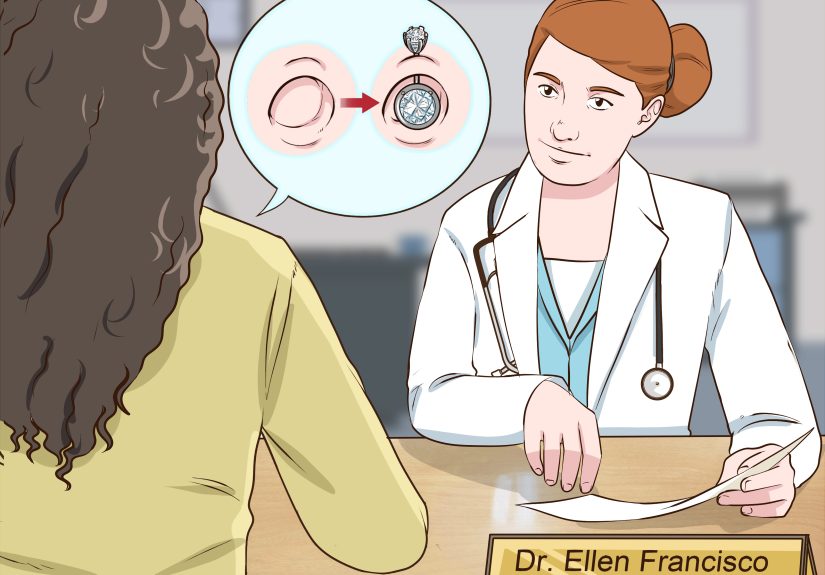
During the consultation, the piercer should examine the shape of your navel while you stand, sit, and bend slightly. Why? Because belly buttons move. A placement that looks fine while standing may collapse, pinch, or press against jewelry when sitting. This is especially important for outie navels and shallow navels.
The piercer will look for a stable ridge or fold of skin that can hold jewelry without too much pressure. If your anatomy does not support a traditional top navel piercing, they may suggest a floating navel piercing, a lower navel piercing, or no piercing at all. “No piercing” is not the villain here. It is often the option that saves your skin from irritation, scarring, and rejection.
Step 6: Discuss Jewelry Style and Material
Initial jewelry matters. For fresh navel piercings, professional piercers commonly recommend high-quality implant-grade titanium, solid 14k or 18k gold, niobium, or other body-safe materials. Nickel-heavy jewelry is a common troublemaker and may trigger allergic reactions, itching, redness, and irritation.
For an outie or shallow navel, bulky jewelry may not sit comfortably. A floating navel design may be better for some anatomy because it reduces pressure inside the navel. Your piercer should choose the proper length and shape so the jewelry allows room for normal swelling without being so long that it snags on every waistband in your closet.
Step 7: Prepare Before the Appointment
Before your appointment, eat a real meal, drink water, and wear loose, comfortable clothing. Avoid tight jeans, high-waisted leggings, shapewear, and anything that presses directly on the navel. Your outfit should not fight the piercing before it even exists.
Do not apply lotion, body oil, glitter, fake tan, or heavy fragrance around the belly button before your appointment. Keep the area clean, but do not scrub aggressively. Also, avoid alcohol or substances that may increase bleeding or make consent unclear. Arrive calm, clean, and ready to listen to aftercare instructions.
Step 8: Know What Happens During a Professional Piercing
A professional navel piercing appointment usually includes cleaning the area, marking the placement, confirming the mark with you, using sterile tools, and inserting sterile jewelry. The piercer should explain what they are doing without handing you a do-it-yourself manual. The procedure is quick, but placement decisions should never be rushed.
You may feel pressure, a sharp pinch, and mild soreness afterward. Some light bleeding or tenderness can happen at first. However, severe pain, heavy bleeding, dizziness that does not pass, or unusual swelling should be taken seriously. Tell your piercer immediately if you feel unwell.
Step 9: Follow Simple Cleaning Rules
Aftercare should be gentle. Wash your hands before touching the piercing. Clean with sterile saline wound wash as recommended by your piercer, then gently dry the area with clean disposable gauze or a paper product. Do not twist, rotate, pick at, or drag crust from the jewelry. Your piercing is healing, not auditioning for a cleaning commercial.
Avoid harsh products such as hydrogen peroxide, rubbing alcohol, strong antibacterial soaps, ointments, or homemade salt mixtures unless a healthcare professional specifically tells you otherwise. Harsh cleaning can dry out and irritate healing tissue, which may slow the process instead of helping it.
Step 10: Protect the Piercing From Friction
Navel piercings are easily irritated by clothing. Tight waistbands, belts, compression garments, and rough fabrics can bump the jewelry and delay healing. Choose loose tops and lower-rise or soft-waist pants when possible during the early healing stage.
Be careful with towels, loofahs, blankets, and seatbelts. A fresh piercing can snag at the worst possible moment, usually when you are least emotionally prepared. Pat the area dry instead of rubbing. If you play sports, dance, or exercise, ask your piercer how to protect the piercing without trapping sweat and bacteria.
Step 11: Avoid Swimming and Unnecessary Touching
Fresh piercings and pools are not best friends. Avoid swimming in pools, lakes, hot tubs, rivers, and oceans until your piercer says it is safe. These environments can expose the healing channel to bacteria and irritants. Showering is usually fine, but rinse the area well and dry gently.
Also avoid letting other people touch the piercing. Yes, even if they “just want to see.” A healing navel piercing does not need a fan club with fingerprints. Keep hands, pets, and random curiosity away from the area.
Step 12: Watch for Problems and Get Help Early
Some tenderness, mild redness, slight swelling, and pale fluid can be normal in the early stages of healing. Warning signs include worsening redness, spreading warmth, intense pain, thick yellow or green discharge, fever, red streaking, jewelry sinking into the skin, or the piercing moving closer to the surface.
If you suspect infection, do not remove the jewelry unless a healthcare professional tells you to. Removing jewelry too soon can trap infection inside as the opening closes. Contact your piercer for placement or irritation concerns, and contact a medical professional for signs of infection, allergic reaction, severe swelling, or worsening pain.
How Long Does an Outie Belly Button Piercing Take to Heal?
Navel piercings can take several months to a year to fully settle, and some take longer depending on anatomy, jewelry, aftercare, lifestyle, and irritation. Outie navels may require extra patience because jewelry placement must work with a more complex shape. Even when the outside looks calm, the inside of the piercing channel may still be healing.
Do not change jewelry too early. A piercing can look healed on the surface while still being fragile inside. Changing jewelry too soon can cause tearing, swelling, irritation, or closure. Always ask your piercer before switching to decorative jewelry, especially heavy dangling belly rings.
Best Jewelry for an Outie Belly Button
The best jewelry depends on your anatomy. For many people, a curved barbell is used for a standard navel piercing. For some outie or collapsing navels, a floating navel piece may be more comfortable because it places a flatter or smaller end inside the navel and a decorative top above it.
Choose quality over sparkle overload for the initial piercing. Large gems, dangling charms, and cheap mystery-metal jewelry may look cute in photos, but they can catch on clothes and irritate healing tissue. Once fully healed, you can explore more styles with your piercer’s approval. Until then, let the piercing heal like it has rent to pay.
Common Mistakes to Avoid
Piercing at Home
At-home piercing is risky because it lacks sterile equipment, professional placement, and proper jewelry sizing. It can lead to infection, scarring, rejection, allergic reactions, and injury. A navel piercing is not a craft project.
Choosing Jewelry Based Only on Looks
Jewelry must fit your body, not just your Pinterest board. If the jewelry is too short, it can pinch. If it is too long, it can snag. If the material is poor quality, your skin may revolt.
Overcleaning the Piercing
More cleaning does not always mean better healing. Overcleaning can dry and irritate the tissue. Follow your piercer’s aftercare schedule and keep it boring. Boring is excellent when wounds are healing.
Ignoring Rejection Signs
Migration and rejection can happen when the body pushes jewelry outward. Signs may include thinning skin between the jewelry ends, jewelry shifting position, persistent redness, or the piercing looking more shallow over time. See your piercer early if you notice changes.
Is a Floating Navel Piercing Better for an Outie?
A floating navel piercing may be a better option for some outie belly buttons, but it is not universal. This style is designed for navels where traditional jewelry would press, flip, or sit awkwardly. It can reduce pressure in certain anatomy types, especially when the navel collapses while sitting.
However, only an in-person consultation can determine whether it is suitable. Photos can help a piercer get a general idea, but they cannot replace seeing how your navel moves in real life. Bodies are three-dimensional; selfies are sneaky little liars.
When You Should Not Get an Outie Belly Button Piercing
You may need to skip or delay the piercing if you have an active skin infection, unexplained navel pain, a suspected hernia, recent abdominal surgery, pregnancy, poor healing, or anatomy that cannot support jewelry. You should also wait if you cannot commit to months of aftercare or if your daily clothing constantly presses on the area.
A good piercer will help you make a safe decision. Sometimes the best outcome is choosing a different body piercing, using non-piercing jewelry, or simply appreciating your outie as-is. Not every belly button wants a ring, and honestly, some belly buttons have strong opinions.
Extra Experience-Based Tips for Outie Belly Button Piercing
People who get navel piercings often say the piercing itself is not the hardest part. The real challenge is the healing period. The belly button sits right where waistbands, seatbelts, blankets, gym clothes, and accidental bumps love to gather. With an outie belly button, that challenge can be even more noticeable because the navel shape may make jewelry sit differently than expected.
One common experience is clothing frustration. A fresh navel piercing can feel fine in the studio and then become irritated the moment you put on stiff denim. Loose clothing is not just a cute suggestion; it can be the difference between calm healing and a cranky piercing. Soft pajama-style waistbands, flowy shirts, and breathable fabrics are your new best friends for the first stretch of healing.
Another real-life lesson is that “looking healed” does not mean “fully healed.” Many people see less redness after a few weeks and assume they can change jewelry immediately. That is a classic trap. Navel piercings heal from the outside inward, so the surface may look peaceful while the inner channel is still delicate. Changing jewelry too soon can restart irritation and make the area sore again.
Sleeping habits also matter. Stomach sleepers may struggle because pressure on the jewelry can cause tenderness. If you naturally sleep face-down, try training yourself to sleep on your back or side before getting pierced. Your future self may thank you at 3 a.m. when you are not waking up because your belly button had a disagreement with the mattress.
Exercise is another area where expectations need adjusting. You may not have to stop moving completely, but high-friction workouts can irritate a healing navel piercing. Sweaty waistbands, core exercises, and stretching that folds the stomach may increase pressure around the jewelry. After workouts, shower, rinse the area gently, and dry it well. Do not leave sweat sitting around the piercing like it paid for VIP access.
People with outie navels should also expect a more detailed consultation. This is a good thing. If a piercer spends extra time checking your anatomy, that means they are taking the piercing seriously. They may ask you to sit, bend, breathe deeply, or relax your stomach so they can see how the tissue moves. It may feel oddly specific, but it helps prevent poor placement.
Jewelry expectations are another big topic. Some clients arrive wanting a dramatic dangling belly ring right away. For healing, simple and properly fitted jewelry is usually better. Fancy pieces can come later after the piercing is fully stable. Think of starter jewelry like training wheels: not the final look, but very useful for getting you there safely.
Finally, patience is the real secret. A safe outie belly button piercing is not about rushing through 12 steps; it is about respecting anatomy, choosing a qualified piercer, and caring for the piercing consistently. The best result is not just a pretty piece of jewelry. It is a piercing that heals well, feels comfortable, and does not spend the next year acting like a tiny abdominal drama queen.
Conclusion
Learning how to pierce an outie belly button really means learning how to do it safely with professional help. The outie tissue itself should not be pierced, and not every navel has the right anatomy for jewelry. A professional piercer can assess the area, recommend the safest placement, choose suitable jewelry, and explain proper aftercare.
If your anatomy works, an outie belly button piercing can be stylish, unique, and surprisingly elegant. If it does not work, forcing it is not worth the risk. The best piercing is one that respects your body first and your jewelry goals second. Sparkle is great; healthy skin is better.