Table of Contents >> Show >> Hide
- What to Expect After a Vasectomy
- Vasectomy Recovery Timeline at a Glance
- How to Recover From a Vasectomy: 9 Steps
- 1. Clear Your Schedule and Actually Rest
- 2. Use Ice Packs the Right Way
- 3. Wear Supportive Underwear or an Athletic Supporter
- 4. Manage Pain Safely
- 5. Keep the Area Clean and Dry
- 6. Avoid Heavy Lifting and Strenuous Exercise
- 7. Return to Work Based on Your Job, Not Your Ego
- 8. Resume Sex Slowly and Keep Using Birth Control
- 9. Complete Your Post-Vasectomy Semen Analysis
- Warning Signs: When to Call a Doctor
- Common Vasectomy Recovery Mistakes
- Real-Life Recovery Experience: What It Often Feels Like
- Conclusion
Recovering from a vasectomy is usually straightforward, but it is still surgerytiny surgery, yes, but surgery in a very emotionally important neighborhood. Most people go home the same day, rest for a couple of days, and return to light routines quickly. The secret is not bravery, toughness, or pretending the couch is beneath you. The secret is following simple aftercare rules: rest, ice, support, patience, and a semen test before assuming the procedure “worked.”
A vasectomy blocks or cuts the vas deferens, the tubes that carry sperm into semen. After the procedure, sperm can no longer enter future ejaculations, but sperm already stored in the reproductive tract may remain for weeks or months. That is why vasectomy recovery has two parts: physical healing and pregnancy-prevention confirmation. You may feel physically fine long before your semen is confirmed sperm-free.
This guide explains how to recover from a vasectomy in 9 practical steps, including what to do during the first 48 hours, when to resume activity, when sex is usually safe, which symptoms deserve a phone call, and how to handle the all-important post-vasectomy semen analysis.
What to Expect After a Vasectomy
After a vasectomy, mild soreness, swelling, bruising, and a heavy or tender feeling in the scrotum are common. Some people describe it as a dull ache; others say it feels like they were gently kicked by a tiny, very rude ghost. The discomfort is usually manageable with rest, supportive underwear, cold packs, and pain medicine recommended by the clinician.
Many people can return to desk work within a few days, while jobs involving lifting, climbing, long driving, or physical labor may require more time. Strenuous exercise, heavy lifting, cycling, running, and sexual activity are usually paused for about a week or until a healthcare professional says it is safe.
Vasectomy Recovery Timeline at a Glance
| Time After Vasectomy | Typical Recovery Focus |
|---|---|
| First 24 hours | Rest, ice, supportive underwear, minimal movement, and monitoring for unusual bleeding or severe pain. |
| Days 2–3 | Light walking, continued scrotal support, careful hygiene, and avoiding heavy activity. |
| Days 4–7 | Gradual return to normal routines if pain is improving; still avoid strenuous exercise and sex unless cleared. |
| After 1 week | Many people resume sex or masturbation if comfortable, but contraception is still required. |
| 8–16 weeks | Post-vasectomy semen analysis is commonly performed to confirm whether sperm are gone. |
How to Recover From a Vasectomy: 9 Steps
1. Clear Your Schedule and Actually Rest
The first step in vasectomy aftercare is beautifully simple: do less. Plan to spend the first 24 to 48 hours resting at home. This is not the moment to reorganize the garage, help a friend move, or prove that “it was just a little procedure.” Your body heals better when you give it a calm start.
Resting helps reduce swelling, bleeding, and unnecessary pulling around the incision or puncture site. Keep your legs elevated when comfortable, lie down when possible, and avoid standing for long periods during the first day. Short bathroom trips and gentle movement are fine, but your main job is to be boring. Boring is medically underrated.
2. Use Ice Packs the Right Way
Cold therapy can help reduce swelling and discomfort during the first day or two. Use an ice pack or a bag of frozen peas wrapped in a towel. Never place ice directly on the skin, especially in such a sensitive area. Apply cold packs for short intervals, such as 15 to 20 minutes at a time, then take a break.
Ice is helpful, but more is not always better. Over-icing can irritate skin or cause cold injury. Think of it as “cool and calm,” not “turn the scrotum into a winter sport.” If swelling worsens significantly despite rest and ice, or one side becomes very large, firm, or increasingly painful, contact your healthcare provider.
3. Wear Supportive Underwear or an Athletic Supporter
Supportive underwear is one of the unsung heroes of vasectomy recovery. Snug briefs, compression shorts, or an athletic supporter help limit movement of the testicles, which can reduce tugging, swelling, and aching. Loose boxers may feel freeing in ordinary life, but right after a vasectomy they can allow too much movement.
Many clinicians recommend wearing support for several days, and some people prefer it for about a week. Choose something snug but not painfully tight. If it cuts into the skin, causes numbness, or feels like a medieval invention, switch to a more comfortable option.
4. Manage Pain Safely
Mild to moderate soreness is expected after a vasectomy. Follow the pain-control instructions from your clinician. Many people are advised to use over-the-counter pain relievers, such as acetaminophen, and some clinicians allow ibuprofen or similar anti-inflammatory medicines after the early bleeding-risk window. However, instructions vary, especially if you take blood thinners, have kidney disease, stomach ulcers, bleeding problems, or other medical conditions.
Aspirin may increase bleeding risk for some people, so do not take it for post-procedure pain unless your healthcare provider specifically says it is appropriate. If pain is severe, worsening, or not improving after several days, do not simply “walk it off.” Call your doctor. The goal is steady improvement, not heroic suffering with a snack break.
5. Keep the Area Clean and Dry
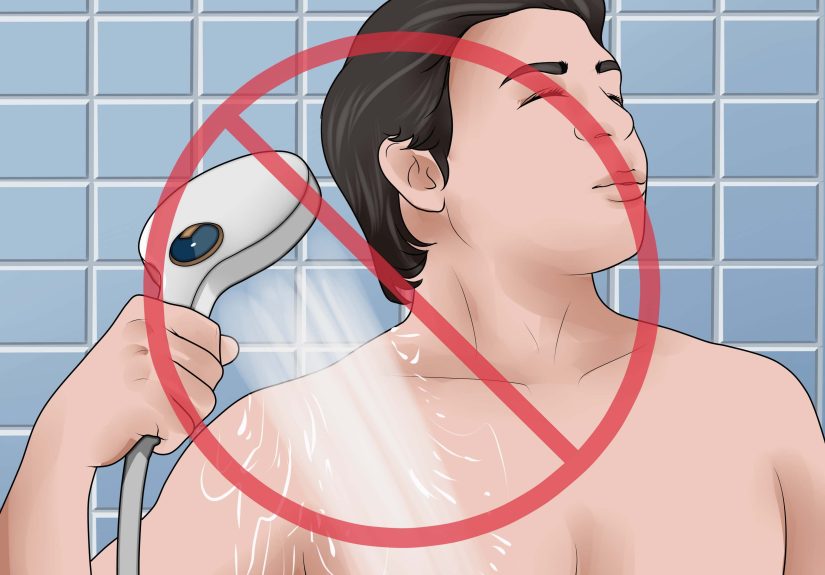
Follow your clinic’s instructions for bandages, bathing, and wound care. Many people are told they can shower after about 24 hours, but baths, hot tubs, swimming pools, lakes, and oceans are usually avoided for a short period because soaking can raise the risk of irritation or infection.
When showering, let water run gently over the area. Do not scrub the incision or puncture site. Pat dry with a clean towel. If you have stitches, they may dissolve on their own, depending on the technique used. A small amount of bruising or spotting can be normal, but increasing redness, pus-like drainage, foul odor, warmth, or fever should be reported promptly.
6. Avoid Heavy Lifting and Strenuous Exercise
For the first week, avoid heavy lifting, running, cycling, weight training, contact sports, and intense workouts unless your clinician gives different instructions. Straining can increase swelling, bleeding, or pain. Even if you feel better by day three, your internal tissues are still healing.
Light walking is usually encouraged after the first day because it promotes circulation and helps you ease back into normal movement. The rule is simple: if an activity makes the scrotum ache, throb, pull, or swell, stop and downgrade your ambition. The treadmill will not forget you. The dumbbells can wait. They are dumbbells; patience is their whole personality.
7. Return to Work Based on Your Job, Not Your Ego
People with desk jobs may return to work within a few days, especially if pain is controlled and they can sit comfortably. Physical jobs may require more time or temporary restrictions. If your work involves lifting, squatting, long-distance driving, climbing ladders, or being on your feet all day, ask your clinician when it is safe to return.
Driving should also be approached carefully. Do not drive immediately after sedation or while taking any medication that affects alertness. Even without sedating medicine, wait until you can sit comfortably, brake quickly, and move without sharp pain. A good rule: if getting into the car makes you whisper dramatic things to yourself, give it more time.
8. Resume Sex Slowly and Keep Using Birth Control
Sex and masturbation are usually paused for about a week, sometimes longer depending on the clinician’s instructions and how you feel. Some guidance recommends avoiding sexual activity for 7 to 10 days. When you resume, start gently. If ejaculation causes pain, stop and allow more healing time. A small amount of blood in semen may happen early and usually clears, but persistent or heavy blood should be discussed with a healthcare provider.
The most important point: a vasectomy does not prevent pregnancy immediately. Sperm can remain in the reproductive tract for weeks or months. Use condoms or another reliable birth control method until a post-vasectomy semen analysis confirms that the procedure succeeded. Feeling healed is not the same as being cleared.
9. Complete Your Post-Vasectomy Semen Analysis
This is the step too many people are tempted to skip. Do not skip it. The semen analysis is the only way to confirm that sperm are no longer present at a level that could cause pregnancy. Many clinicians schedule testing around 8 to 16 weeks after the procedure, often near the three-month mark. Some offices also recommend waiting until a certain number of ejaculations have occurred, because ejaculation helps clear remaining sperm.
Your clinic will explain how to collect and deliver the sample. Follow those instructions exactly. The sample may need to be collected in a sterile container, delivered within a specific time window, and kept at the proper temperature. If sperm are still seen, your clinician may ask for another test later. Until you receive medical clearance, continue contraception every time.
Warning Signs: When to Call a Doctor
Most vasectomy recovery symptoms are mild, but some signs need medical attention. Contact your healthcare provider if you develop fever, chills, worsening pain, severe swelling, a growing lump, heavy bleeding, pus-like drainage, increasing redness, difficulty urinating, or pain that does not improve with rest and recommended medication.
Some people notice a pea-sized lump near the vasectomy site, which may be related to healing tissue or sperm granuloma. It is often not dangerous, but any new lump that is painful, enlarging, or concerning should be checked. Long-term testicular pain after vasectomy is uncommon, but it can happen. Persistent pain should never be ignored or minimized.
Common Vasectomy Recovery Mistakes
Doing Too Much Too Soon
The classic mistake is feeling better and immediately acting like nothing happened. Recovery often feels easy until it suddenly does not. A long walk, a heavy grocery bag, or a workout can bring back swelling and aching. Ease back gradually.
Skipping Scrotal Support
Supportive underwear may not be glamorous, but it can make a big difference. Movement equals tugging, and tugging equals discomfort. A week of practical underwear is a small price to pay for a smoother recovery.
Assuming Sterility Before Testing
This is the biggest mistake. A vasectomy blocks new sperm from entering semen, but it does not instantly clear existing sperm. Pregnancy is still possible until semen analysis confirms success.
Real-Life Recovery Experience: What It Often Feels Like
The experience of recovering from a vasectomy is usually less dramatic than people imagine, but it is not nothing. The first day often feels like a mix of relief, caution, and awkward waddling. Many people come home surprised by how quick the procedure was, then spend the afternoon on the couch with an ice pack and the strange awareness that every movement now has “scrotal consequences.”
During the first 24 hours, the biggest adjustment is mental. You may feel capable of doing more, especially if the pain is mild. That is exactly when the couch becomes your best medical device. People who recover smoothly often say they treated the first two days like a scheduled pause: comfortable clothes, snacks within reach, remote control nearby, and no heroic chores. The ones who regret it usually have a story involving stairs, laundry baskets, or “just one quick errand.”
By day two or three, soreness may become more noticeable as the local anesthetic has fully worn off and bruising begins to show. Bruising can look more dramatic than it feels. The color changes may be surprising, but mild bruising is common. Supportive underwear becomes especially valuable here. It reduces the bouncing and pulling that can turn a manageable ache into an annoying throb.
Sleep can be slightly tricky for side sleepers or people who move a lot at night. Wearing supportive briefs to bed for a few nights may help. Some people place a pillow between the knees to reduce pressure. Others discover a new appreciation for lying still, which is not exactly a thrilling hobby but can be effective.
Returning to work depends heavily on the job. Someone answering emails from a chair may feel ready quickly, while someone lifting equipment, driving for hours, or working on their feet may need modified duties. A useful experience-based tip is to plan recovery around your real life, not your fantasy life. If your home has toddlers, pets, stairs, or a refrigerator that somehow always needs rearranging, arrange help before the procedure.
Sexual activity is another area where patience matters. When cleared to resume, comfort should guide the pace. The first ejaculation after a vasectomy may feel normal, slightly tender, or mentally strange simply because you are paying more attention than usual. That does not mean something is wrong. Still, pain is a signal to stop and wait. And yes, contraception is still required. The semen test is the finish line, not the first pain-free day.
Emotionally, many people feel relieved after the procedure, especially if the decision was made carefully with a partner. Others feel oddly anxious until the semen analysis confirms success. That is normal too. The best recovery mindset is calm, practical, and slightly humble. Follow the instructions, protect the area, call the doctor when symptoms seem off, and complete the test. Your future self will thank youprobably while walking normally.
Conclusion
Learning how to recover from a vasectomy is mostly about respecting the small details. Rest for the first couple of days, use ice properly, wear supportive underwear, keep the area clean, avoid heavy activity, and ease back into sex only when comfortable and cleared. Most importantly, keep using birth control until your post-vasectomy semen analysis confirms success.
A smooth vasectomy recovery is not about being tough. It is about being smart. Give your body a short healing window, watch for warning signs, and do the follow-up test. That combination helps protect your comfort, your health, and your pregnancy-prevention goals.