Table of Contents >> Show >> Hide
- Before You Start: What Matters Most
- How to Remove Acrylic Paint from Hair: 9 Steps
- Step 1: Do Not Panic, and Check the Paint Label
- Step 2: Rinse the Hair with Lukewarm Water as Soon as Possible
- Step 3: Apply a Slippery Helper Such as Conditioner or a Gentle Oil
- Step 4: Divide the Hair into Small Sections
- Step 5: Gently Work Through the Hair with Your Fingers First
- Step 6: Use a Wide-Tooth Comb to Loosen the Paint
- Step 7: Wash with a Mild Shampoo
- Step 8: Repeat the Softening-and-Comb Process for Leftover Bits
- Step 9: Soothe and Inspect the Scalp
- What Not to Do
- When to Get Medical Help or Call Poison Control
- Can You Cut the Paint Out Instead?
- How to Prevent This Next Time
- Final Thoughts
- Experience and Practical Lessons: What Real Cleanup Usually Feels Like
- SEO Tags
Getting acrylic paint in your hair is one of those tiny life disasters that starts with creativity and ends with, “Why do I suddenly feel like a craft supply shelf?” The good news is that acrylic paint is usually easier to deal with than it looks, especially if you act before it fully dries. The less-good news is that scrubbing like you are trying to erase a bad decision from history can make things worse.
If you are wondering how to remove acrylic paint from hair without wrecking your scalp, snapping strands, or reaching for something dramatic like paint thinner, take a breath. This guide walks you through 9 practical steps that help loosen the paint, lift it from the hair, and clean everything up with as little stress as possible. You will also learn what not to do, when to call for help, and how to keep your scalp calm after cleanup.
In other words: yes, your hair can recover. No, you do not need to buzz it off and start a new life under a different name.
Before You Start: What Matters Most
When acrylic paint lands in hair, three things matter: how much paint got in there, whether it is still wet or already dry, and what else is in the formula. Many acrylic paints are water-based, but not every product is exactly the same. Some contain additives, stronger pigments, or caution labels. That is why the smartest approach is to start gently and avoid harsh chemicals near your scalp.
The goal is simple: soften the paint, separate the hair, gently loosen the residue, and wash it away. Think patient cleanup, not aggressive warfare.
How to Remove Acrylic Paint from Hair: 9 Steps
Step 1: Do Not Panic, and Check the Paint Label
Your first move is not scrubbing. It is information. If the paint bottle or tube is nearby, read the label. Look for notes such as “non-toxic,” “water-based,” “AP certified,” or any warnings about special pigments or irritation. This helps you understand whether you are dealing with a standard classroom-style acrylic or something a little more serious.
If the label mentions strong warnings, unusual pigments, or if the product is not clearly water-based, be more cautious. The same goes for craft products mixed with mediums, varnishes, or solvents. Those are a different party, and your scalp did not RSVP.
Why this matters: The right cleanup method depends on the product. Mild acrylic paint stuck to hair can often be loosened with water, conditioner, and shampoo. Paint removers and solvents, on the other hand, should stay far away from your scalp.
Step 2: Rinse the Hair with Lukewarm Water as Soon as Possible
If the paint is still wet, head to the sink or shower immediately. Use lukewarm water, not hot water. Hot water can dry out the scalp and make hair more fragile, while lukewarm water helps soften fresh paint without being too harsh.
Let the water run through the painted section for several minutes. Do not mash the paint deeper into the roots. Instead, let the water do some of the work. Use your fingers to lightly separate strands and encourage the paint to loosen.
If the paint has already dried, do not skip this step. Water alone may not remove the paint, but it can help soften the area and prep it for the next steps.
Step 3: Apply a Slippery Helper Such as Conditioner or a Gentle Oil
Once the hair is wet, coat the painted section with a generous amount of conditioner. A thick, inexpensive conditioner is actually perfect here. You are not auditioning for a luxury hair commercial. You just need slip.
If the paint is especially stubborn, you can also try a small amount of baby oil, mineral oil, coconut oil, or olive oil on the affected strands. Massage it gently into the painty patch and let it sit for a few minutes. The idea is to soften the dried film so it stops clinging to the hair like a needy ex.
Conditioner is often the best first choice because it helps with both softening and detangling. Oil can help with dried residue, but it may take an extra shampoo afterward to remove the greasy feeling.
Step 4: Divide the Hair into Small Sections
This step sounds fussy, but it saves time. Instead of attacking the whole paint-covered area at once, separate the hair into small, manageable sections. Use clips if you have them. If not, fingers work just fine.
Sectioning helps you see where the paint actually is. More important, it prevents you from dragging loosened paint into clean hair. That is the hair-care version of cleaning one room by throwing everything into another room and calling it productivity.
For curly, coily, or textured hair, this step matters even more. Sectioning reduces breakage and gives you more control while detangling.
Step 5: Gently Work Through the Hair with Your Fingers First
Before you grab a comb, use your fingers to gently pinch, slide, and loosen the paint from the hair shaft. This is especially helpful if the paint has dried into little flakes or stiff patches.
Try to roll the paint between your fingers rather than scrape it. If you feel resistance, add more conditioner or a little more water. Tugging hard can snap strands, irritate the scalp, and turn a cleanup session into a hair casualty report.
Pro tip: Start near the ends of the affected area rather than pulling from the roots. If the paint is clustered close to the scalp, use slow, short motions and keep the hair saturated with product.
Step 6: Use a Wide-Tooth Comb to Loosen the Paint
Now bring in a wide-tooth comb. This is not the moment for a tiny fine-tooth comb that behaves like it has personal issues. A wide-tooth comb is gentler on wet hair and less likely to cause breakage.
Begin at the ends and work upward slowly. Comb a little, stop, add more conditioner if needed, then continue. The goal is to lift out loosened paint and separate strands without ripping through knots.
If you have thick, curly, or textured hair, combing while the conditioner is still in the hair may be easiest. If you have straight or fine hair, let the conditioner sit for a bit first and then detangle gradually.
Do not force the comb through a hard paint clump. If it is not moving, it is not ready. Add more slip, massage gently, and try again in a few minutes.
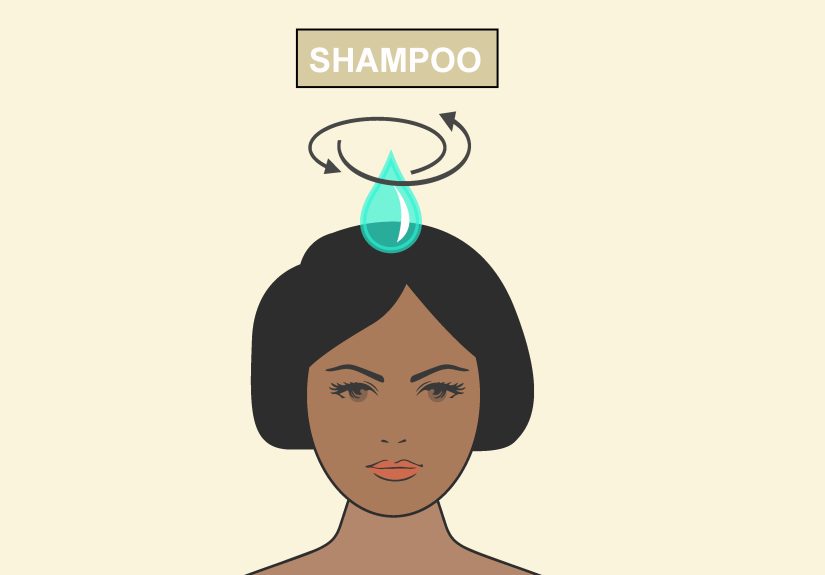
Step 7: Wash with a Mild Shampoo
After loosening as much paint as possible, wash the area with a mild shampoo. A gentle, fragrance-light or fragrance-free shampoo is usually the best option, especially if the scalp already feels irritated.
Lather the shampoo mainly on the scalp and roots, then let it rinse through the rest of the hair. There is no need to scrub aggressively. You are cleaning paint residue, not sanding a deck.
Rinse thoroughly. If needed, shampoo a second time. Often the first wash removes loosened paint and oil, while the second wash gets the hair actually clean.
If you used baby oil, mineral oil, or olive oil in the earlier steps, expect that you may need an extra shampoo round to remove the slick residue.
Step 8: Repeat the Softening-and-Comb Process for Leftover Bits
Sometimes most of the paint comes out, but a few stubborn specks hang on like glitter’s grumpier cousin. If that happens, do not escalate straight to harsh chemicals. Instead, repeat the cycle:
- Wet the area again
- Add conditioner or a little oil
- Wait a few minutes
- Use fingers and then a wide-tooth comb
- Wash again with mild shampoo
This gradual method is usually safer than trying to dissolve everything in one dramatic move. Hair responds better to patience than panic.
If there is still a tiny paint stain on a few strands after multiple gentle attempts, it may continue to flake away over the next day or two with regular washing. That is annoying, yes, but still much better than creating scalp irritation with a bad shortcut.
Step 9: Soothe and Inspect the Scalp
Once the paint is out, take a minute to check your scalp. Is it red, itchy, burning, or tender? If so, keep post-cleanup care simple. Avoid strong fragranced products, heavy styling products, or hot tools for a day or so. Let your scalp calm down.
You can follow with a light conditioner on the hair lengths and let the hair air-dry if possible. If your scalp feels dry, focus on gentle cleansing for the next wash or two. If you notice ongoing irritation, rash, swelling, or pain, it is time to contact a healthcare professional.
What Not to Do
When people search for how to remove acrylic paint from hair, they often stumble into some truly chaotic internet advice. Let us save you from that adventure.
Do Not Use Paint Remover or Paint Thinner
This is the big one. Products made to strip paint from surfaces are not meant for hair or scalp. They can irritate skin, create fumes, and cause much bigger problems than a patch of acrylic ever did.
Do Not Pour Acetone or Solvents on Your Head
Acetone, turpentine, mineral spirits, and similar solvents may sound powerful, but “powerful” is not the same as “smart.” These can dry out or burn the skin, weaken hair, and create eye and inhalation risks.
Do Not Scrub with Nails or a Rough Brush
If you attack the paint patch like you are scratching a lottery ticket, you can damage the cuticle, break strands, and irritate the scalp. Gentle friction beats frantic scraping every time.
Do Not Use Very Hot Water
Super-hot water might feel like serious cleaning, but it can increase dryness and irritation. Lukewarm is the better move.
Do Not Ignore Symptoms
If the scalp starts burning, swelling, blistering, or the person gets paint in the eyes or mouth, stop the DIY routine and get advice right away.
When to Get Medical Help or Call Poison Control
Most cases of acrylic paint in hair are more messy than dangerous, but there are times when you should not just “see how it goes.” Get expert help if:
- The paint got into the eyes, nose, or mouth
- The scalp develops significant redness, swelling, rash, or burning
- The product label includes strong warnings or special hazard language
- The paint was mixed with solvents, varnishes, or unknown additives
- The person has trouble breathing, feels dizzy, or seems unwell
- A child got a large amount of paint on the scalp or may have swallowed some
If you are in the United States, Poison Control is a smart resource for product-exposure questions. It is especially helpful when the label is confusing or the product is not a plain, basic acrylic.
Can You Cut the Paint Out Instead?
Technically, yes. But that should be the last resort, not the opening scene. If paint has hardened into a tiny section at the ends of the hair and refuses to budge, trimming that little bit may be simpler than endless detangling. Still, most people can remove acrylic paint from hair without cutting it, especially if they work slowly and keep the hair saturated with conditioner.
If the paint is near the roots, do not reach for scissors unless you want to create a very specific hairstyle called “accidental regret.”
How to Prevent This Next Time
Because yes, there is always a next time when craft projects, home painting, or children with “creative energy” are involved.
- Tie long hair back before painting
- Wear a shower cap, bandana, or old hat for messy projects
- Keep a mild shampoo and conditioner nearby for quick cleanup
- Read labels before using unfamiliar paints or mediums
- Wash splatters early before they have time to dry
Fresh paint is cooperative. Dried paint has attitude. Timing matters.
Final Thoughts
If you need to know how to remove acrylic paint from hair, the safest answer is also the least glamorous one: water, conditioner, patience, a wide-tooth comb, and a gentle shampoo. That combination handles most situations without creating new problems for your hair or scalp.
The trick is to avoid overreacting. No paint thinner. No harsh scrubbing. No panic haircut at midnight. Start gently, repeat the process if needed, and keep an eye on irritation or unusual symptoms.
Messy hair moments happen. The win is not avoiding every accident. The win is fixing them without turning one small disaster into a sequel.
Experience and Practical Lessons: What Real Cleanup Usually Feels Like
One reason this topic gets so much attention is that paint-in-hair accidents rarely happen under calm, controlled circumstances. Usually, they happen in the middle of a project, with half the room covered in supplies, someone yelling for paper towels, and at least one person saying, “It’s fine,” when it is very much not fine. In real life, the biggest challenge is not always the paint itself. It is the urge to do something fast and aggressive just to make the problem disappear.
Many people first notice that acrylic paint in hair feels worse than it is. Wet paint looks dramatic, but it often rinses better than expected if you move quickly. Dried paint, however, feels crunchy, sticky, and weirdly permanent, which is why people start considering questionable solutions. That is where experience helps. The strands usually do better with repeated softening than with one forceful attempt.
Parents often run into this after school crafts, birthday parties, or “quiet” art time that was clearly too quiet. In those moments, kids may already be upset, and a harsh cleanup can make the whole thing feel scary. A calmer routine helps: move to the sink, use warm water, add conditioner, and talk them through it. Slow cleanup tends to work better because it keeps everyone from turning a washable mess into a scalp issue.
Adults get hit by the same problem in different settings. Home improvement projects, mural work, stage makeup experiments, cosplay prep, or late-night creative sessions can all end with paint in the hairline. People with bangs, baby hairs, textured edges, or loose curls often find that paint catches most easily in those finer sections. The lesson here is that the smallest hairs can be the trickiest. They need extra slip and extra patience, not extra force.
Another common experience is realizing that the cleanup method depends on hair type. Fine straight hair may release paint faster, but it can also tangle quickly if you rub too much. Thick curly hair may hold onto paint longer, especially if it dries between strands, but conditioner and sectioning make a huge difference. Coily hair often benefits from working in small parts and keeping everything saturated. In every case, the pattern is the same: when the hair feels resistant, adding more slip is usually smarter than adding more strength.
People also learn pretty fast that “clean” does not always happen in one round. Sometimes the paint comes out almost immediately. Sometimes you get 85% out, wash, rest, and come back for the stubborn leftovers. That is normal. Real cleanup is often a process, not a magic trick. Hair responds well when you let the product soften the residue instead of demanding instant perfection.
There is also a practical emotional lesson here: the sight of paint in hair is worse than the final result most of the time. Once the hair is wet, conditioned, and separated into sections, the situation starts looking far more manageable. What felt like a disaster often turns into a slightly annoying detangling session and a funny story later.
So if acrylic paint ends up in your hair, the best experience-based advice is simple: slow down, keep the hair slippery, work in sections, and let gentle repetition do the heavy lifting. It is not exciting advice, but it is the kind that saves both your scalp and your dignity.