Table of Contents >> Show >> Hide
- Why Repotting Matters
- Signs Your Plant Needs Repotting
- When Is the Best Time to Repot?
- What You Need Before You Start
- Choosing the Right Potting Mix
- How To Repot a Plant Step by Step
- What About Gravel in the Bottom of the Pot?
- Common DIY Repotting Mistakes to Avoid
- Aftercare: What To Do Once the Plant Is Repotted
- Conclusion
- Real-Life DIY Repotting Experiences: What Usually Happens
If your plant could talk, it probably would not say, “Please buy me a bigger pot immediately.” Plants are more passive-aggressive than that. They send clues instead: roots poking out of drainage holes, soil that dries faster than your patience, and a once-proud pothos that now leans like it is auditioning for a dramatic soap opera.
That is where repotting comes in. Done well, it gives roots more room, refreshes tired soil, improves drainage, and helps a plant settle back into healthy growth. Done badly, it can leave your favorite leafy roommate stressed, soggy, and looking personally offended. The good news is that repotting is not difficult. With the right timing, a few basic supplies, and a gentle hand, this is one of the most useful DIY plant-care skills you can learn.
In this guide, you will learn how to tell when a plant actually needs repotting, how to choose the right pot and potting mix, and how to repot step by step without turning your living room into a dirt-themed crime scene. Whether you are working with a houseplant, a patio container plant, or a gift plant that has clearly outgrown its starter pot, the method is mostly the same.
Why Repotting Matters
Repotting is not just about giving a plant a prettier container. It is about improving the root environment. Over time, potting mix breaks down. It becomes compacted, drains less efficiently, and holds water in all the wrong ways. At the same time, roots may circle inside the pot, crowd one another, and use up the limited supply of nutrients in the old mix.
When you repot a plant, you are usually doing one or more of these things: refreshing depleted soil, giving roots more breathing room, correcting drainage problems, dividing an overgrown plant, or checking for issues such as rot, pests, or salt buildup. In other words, repotting is part renovation, part health check, and part tiny real-estate upgrade.
That said, not every plant wants a massive penthouse. Many container plants, especially some succulents and slow growers, prefer to be a little snug. The goal is not to move every plant into a huge pot “just in case.” The goal is to match the container to the plant’s current needs.
Signs Your Plant Needs Repotting
The biggest repotting mistake is doing it too often or for the wrong reason. A sad plant is not always a cramped plant. Sometimes it needs better light, steadier watering, or fewer enthusiastic “just a little more” fertilizer moments.
Here are the clearest signs it is time to repot:
- Roots are growing out of the drainage holes.
- Roots are visible on the soil surface or circling tightly around the root ball.
- The plant wilts faster than usual between normal waterings.
- The soil dries out unusually fast.
- Growth has slowed, and new leaves are smaller than normal.
- The plant has become top-heavy and tips over easily.
- The potting mix looks compacted, crusty, or exhausted.
If you can slide the whole root ball out of the pot and see a dense ring of roots with very little loose soil left, congratulations: your plant has officially outgrown its apartment.
When Is the Best Time to Repot?
For most plants, the best time to repot is during active growth, usually in spring or early summer. That is when roots recover faster and the plant can adjust to fresh soil and a slightly larger pot without as much stress. Late winter can also work for some indoor plants as daylight increases and growth starts waking up.
Can you repot in other seasons? Yes, sometimes. If a plant is severely root-bound, sitting in soggy soil, suffering from rot, or stuck in a failing container, do not wait for an official spring ceremony. Take action. Just know that repotting during low-light winter conditions or while a plant is already stressed can slow recovery.
Also, try not to repot while a plant is in heavy bloom unless it truly needs emergency help. Flowering takes energy, and repotting adds another stressor. Think of it as asking someone to move apartments during finals week.
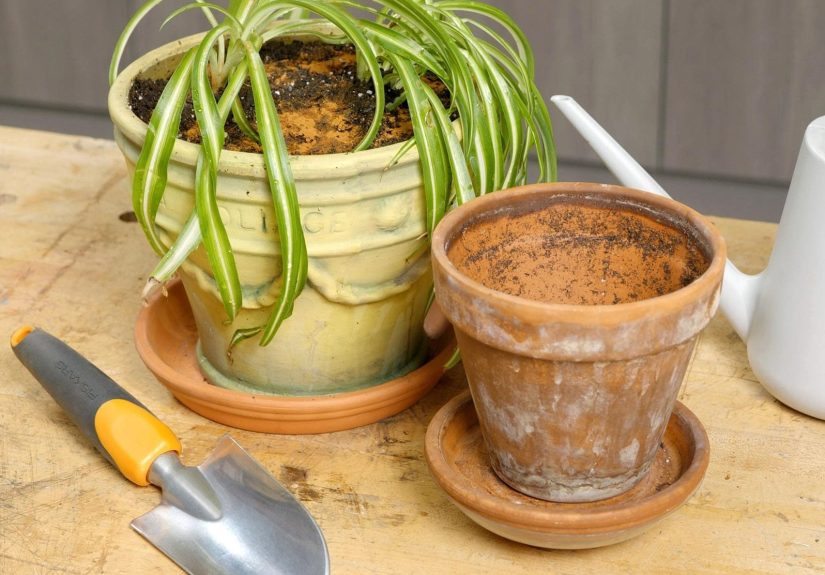
What You Need Before You Start
- A new pot with drainage holes
- Fresh potting mix suited to the plant type
- Gloves if you prefer clean hands or have prickly plants
- A trowel or scoop
- Clean scissors or pruners
- Newspaper, tray, or old towel to catch loose soil
- Watering can or sink access
Choose a pot that is only slightly larger than the current one. In most cases, going up about 1 to 2 inches in diameter is enough. Bigger is not automatically better. A pot that is too large can hold extra moisture around the roots, which makes overwatering easier and root problems more likely.
And yes, drainage holes matter. A decorative pot without drainage may look chic, but roots generally prefer practical housing. If you love the look of a hole-free pot, use it as a cachepot and keep the plant in a nursery pot inside it.
Choosing the Right Potting Mix
Repotting is the perfect time to stop using whatever dusty mystery bag happened to be on sale three seasons ago. Different plants need different textures.
For most foliage houseplants
Use a high-quality indoor potting mix that drains well while still holding some moisture. A light, airy mix supports root aeration and is much better than heavy garden soil, which can compact inside containers.
For succulents and cacti
Use a fast-draining cactus or succulent mix. These plants hate sitting in wet, dense soil. Give them a gritty medium and they will complain less.
For orchids
Use bark-based orchid mix, not standard potting soil. Orchid roots need airflow almost as much as they need your good intentions.
For patio or flowering container plants
Use a container mix designed for potted plants. It should drain well, hold enough moisture, and stay loose rather than turning into a brick after a few waterings.
How To Repot a Plant Step by Step
1. Water the plant ahead of time
A lightly hydrated plant is easier to remove from its pot and usually suffers less root stress during the move. Water it about an hour before repotting so the root ball is moist, not bone-dry and not swampy.
2. Prep the new pot
Add a small layer of fresh potting mix to the bottom of the new pot. You want the top of the old root ball to sit slightly below the rim, leaving enough room for watering later. This part matters more than people think. If the plant sits too low, watering becomes messy. If it sits too high, roots may end up exposed.
3. Remove the plant gently
Tip the plant sideways, hold it near the base, and slide it out. If it is stuck, tap the sides and bottom of the pot. Squeezing a plastic nursery pot can help loosen the root ball. If the plant is extremely root-bound, run a dull knife around the inside edge of the pot. Go gently. This is repotting, not gladiator training.
4. Inspect the roots
This is the moment of truth. Healthy roots are usually firm and light-colored. If roots are circling around the root ball, loosen them with your fingers. If you see dead, mushy, or obviously damaged roots, trim them away with clean pruners.
Do not panic if a few roots break during the process. Plants are tougher than they look. You are not trying to create a museum exhibit. You are helping roots spread into fresh mix instead of continuing to spiral around the same tired shape.
5. Remove some old mix if needed
You do not have to strip off every bit of old soil. In fact, doing so can be unnecessarily stressful for many plants. But if the mix is compacted, salty, sour-smelling, or clearly worn out, gently remove some of it from the outer edges and bottom of the root ball. That allows the roots to settle into fresher material more easily.
6. Set the plant at the correct depth
Place the plant into the new pot so it sits at the same depth it was growing before. Do not bury the crown or base deeper than it was in the old pot. A deeper planting can create moisture problems and encourage rot around the stem.
7. Fill around the sides
Add fresh potting mix around the root ball, pressing lightly to remove large air gaps but not compacting it like wet cement. Roots need oxygen. Firm is good. Packed tight is not. Leave about an inch of space between the soil surface and the rim of the pot so watering is easier later.
8. Water thoroughly
Give the plant a thorough watering until moisture runs through the drainage hole. This helps settle the soil around the roots. If the soil level drops a little after watering, add a bit more mix to bring it back up, but do not pile soil over the stem.
9. Put it back in the right spot
After repotting, return the plant to an environment with the light conditions it already prefers. Do not move a shade-loving plant into harsh sun because you suddenly feel optimistic. Let the plant recover in a stable place with appropriate light and moderate moisture.
What About Gravel in the Bottom of the Pot?
This is one of the most persistent plant myths around. Adding gravel or stones to the bottom of a pot does not improve drainage the way many people assume. In fact, it can reduce the amount of soil available for roots and create a perched water problem, where moisture stays higher in the pot than you want. The better solution is simple: use a pot with drainage holes and a well-draining potting mix.
Common DIY Repotting Mistakes to Avoid
Choosing a pot that is way too big
This is probably the classic mistake. People imagine the plant will “grow into it,” but the extra soil can stay wet longer than the root system can handle.
Using garden soil in a container
Outdoor soil is usually too dense for indoor or container repotting. It compacts easily and can drain poorly in pots.
Repotting every time you feel helpful
Plants do not need a new home every few months just because you bought one on sale. Repot based on signs, not boredom.
Fertilizing immediately
Fresh potting mix often contains nutrients already. Right after repotting, the roots are busy adjusting. Give the plant a little time to settle before feeding again.
Changing everything at once
Repotting, heavy pruning, moving to stronger light, and changing the watering schedule all on the same day is a lot. Spread out major changes when possible.
Aftercare: What To Do Once the Plant Is Repotted
Repotting does not end when the soil hits the pot. The aftercare matters. For the next couple of weeks, keep an eye on moisture, avoid overwatering, and watch for transplant shock. A little droopiness is not unusual, especially if roots were disturbed. That is the plant version of needing a quiet weekend after moving house.
Check the top inch of soil before watering again. Many plants do best when that upper layer dries slightly between waterings. Hold off on fertilizer for a short period, especially if you used fresh mix. If your plant lost a few yellow leaves after the move, do not assume disaster. Recovery can take a little time.
If the plant still looks miserable after a couple of weeks, step back and reassess the basics: light, temperature, watering, drainage, and whether the new pot is simply too large.
Conclusion
Repotting a plant is one of those DIY jobs that sounds messier and scarier than it really is. Once you understand the signs, the timing, and the basic method, it becomes a quick skill you can use again and again. The formula is simple: choose the right moment, size up modestly, use fresh mix, keep the plant at the same depth, water well, and let it recover.
The payoff is worth it. A properly repotted plant usually looks healthier, grows more steadily, and becomes easier to care for. And there is something deeply satisfying about giving a crowded root ball a better home. Your plant may never send a thank-you card, but fresh growth is close enough.
Real-Life DIY Repotting Experiences: What Usually Happens
If you repot plants long enough, you start to notice a funny pattern: the experience is almost never as dramatic as you feared, but it is rarely as clean as the internet promised. The first time many people repot a plant, they imagine a graceful five-minute project with one tasteful scoop of soil and a triumphant final misting. In real life, there is usually dirt on the floor, one glove missing, and a moment where you stare at a root ball and think, “Well, that escalated quickly.”
A common beginner experience happens with pothos, philodendron, or spider plants. They often slide out of the nursery pot with a thick web of roots holding the shape of the container like a mold. It can be surprising to see how little actual soil is left. The plant may have seemed “fine,” but once you see the roots circling tightly around the outside, the need for repotting becomes obvious. After moving that kind of plant into a pot just a bit larger with fresh mix, new growth often picks up within a few weeks. Not because magic happened, but because the roots finally have space and fresh material to work with.
Another very real experience is discovering that a plant did not need a bigger pot nearly as much as it needed better soil. This happens a lot with older houseplants that have been watered again and again in the same mix for years. The top may look dusty, the middle can become compacted, and water may either rush through too fast or sit there like a swamp. In those cases, repotting feels less like upsizing and more like replacing an old mattress. The plant is not asking for luxury. It is asking for support.
Succulents create their own special repotting drama. They look sturdy, but many of them want a very fast-draining mix and absolutely no soggy nonsense. People often repot them into a pot that looks adorable but holds too much moisture. Then the plant softens, drops leaves, or starts to rot at the base. The lesson many DIY growers learn the hard way is that style should not beat drainage. A simple pot with a hole and the right gritty mix is often the real glow-up.
Then there is the “I bought a giant decorative pot and now I must justify it” phase. Plenty of plant owners move a modest plant into a much larger container because it looks balanced or because they want to avoid repotting again soon. The result is often a plant sitting in a wet moat of unused soil. The leaves may yellow, growth can stall, and people assume the plant is hungry, so they fertilize it, which only makes things more chaotic. One of the best repotting lessons is that roots care less about your design vision than they do about air and moisture balance.
Repotting can also reveal hidden problems. A plant that keeps declining despite careful watering may have root rot, circling roots, mineral buildup, fungus gnat issues, or a container with poor drainage. Many experienced growers say they truly understand a plant only after they have seen the root system. That is not overly dramatic. Roots tell the backstory. They show whether the plant has been too wet, too dry, too cramped, or just overdue for fresh mix.
There is also an emotional side to repotting that people do not talk about enough. If a plant has sentimental value, the job can feel oddly high stakes. Maybe it came from a grandparent, a friend, or a special trip. Suddenly a routine task feels like surgery. But that nervousness often fades once you see how resilient many plants really are. Gentle handling matters, of course, but perfection is not required. Plants have been surviving wind, rain, animals, and human overconfidence for a very long time.
In the end, repotting teaches patience more than anything else. You do the work, water thoroughly, return the plant to good light, and then you wait. Not for instant results, but for small signs: firmer leaves, steadier moisture, new growth points, better color. That is the real DIY reward. Repotting is not flashy, but it is one of the clearest ways to help a plant thrive with your own hands.