Table of Contents >> Show >> Hide
- What “a thimble and some gas” really means
- Before you touch the starter rope, check these basics
- How to start a stubborn weed trimmer the standard way
- What to do if the engine is flooded
- How to use “a thimble and some gas” the safe way
- Why your weed trimmer is being difficult
- When a quick fix becomes a repair job
- How to keep the trimmer from becoming stubborn again
- Real-life experience: what this looks like in the yard
- Conclusion
- SEO Tags
If your weed trimmer refuses to start, congratulations: you have joined one of suburban America’s most exclusive clubs. Membership benefits include sweaty palms, mild resentment, and the sudden belief that a machine the size of a baguette should not have this much emotional power over an adult.
Still, a stubborn gas trimmer usually is not broken in some dramatic, cinematic way. Most hard-starting problems come down to the same short list: stale fuel, the wrong fuel mix, too much choke, a flooded engine, a dirty air filter, a fouled spark plug, or a fuel system that has gone dry after sitting around long enough to start collecting dust and bad intentions.
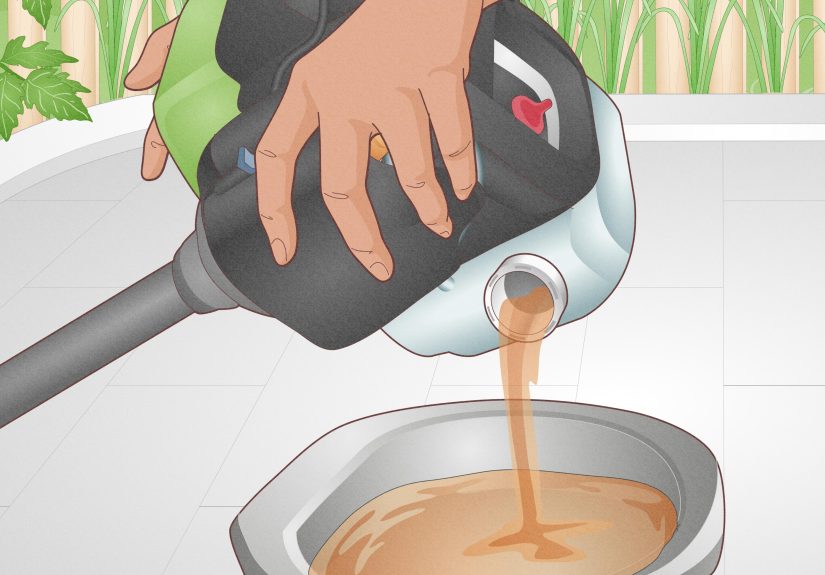
And yes, the old phrase “with a thimble and some gas” has a real-world meaning. It usually refers to using a tiny measured amount of fresh fuel to help diagnose a dry fuel system or confirm whether the engine will briefly fire. But before anyone starts splashing gasoline around like they are seasoning a cast-iron skillet, let’s say the important part out loud: the safest modern version of this idea is almost always the primer bulb. A literal thimble of fuel is a last-resort diagnostic move, not a routine starting ritual.
This guide explains how to start a stubborn weed trimmer the smart way, how to use a tiny amount of fuel safely if needed, and how to tell whether your trimmer is dealing with a simple starting issue or begging for actual repair.
What “a thimble and some gas” really means
When people talk about starting a weed trimmer with a thimble and some gas, they are usually talking about one of two things. The first is the harmless version: using the correct fresh fuel in a tiny measured amount to refill or support a dry carburetor system. The second is the chaotic version: pouring gas where it does not belong and hoping the machine suddenly remembers its purpose in life.
You want the first version.
On most modern gas trimmers, the primer bulb already does the job more safely and more consistently. It draws fresh fuel from the tank into the carburetor so the engine has something useful to ignite. If the primer bulb works and the fuel is correct, you often do not need any improvised trick at all.
If the bulb is damaged, the fuel line is dry, or the trimmer has been sitting for months, a tiny measured amount of fresh fuel may help you diagnose the issue. If the engine fires for a second and dies, that usually points to a fuel-delivery problem rather than an ignition problem. In plain English: the trimmer can spark, but it is not getting enough fuel on its own.
Before you touch the starter rope, check these basics
1. Make sure you know whether it is a 2-cycle or 4-cycle trimmer
This matters more than people would like. A 2-cycle trimmer uses gasoline mixed with 2-stroke oil in the ratio recommended by the manufacturer. Many handheld units use a 50:1 or 40:1 mix, but you should follow the specific manual for your model. A 4-cycle trimmer uses straight gasoline and keeps oil separate. If you put straight gas in a 2-cycle machine, or premix in a 4-cycle machine, the engine will not be pleased, and neither will your weekend.
2. Use fresh fuel
Old gas is one of the biggest reasons a string trimmer will not start. Fuel can begin degrading fast enough to create hard-starting problems in a surprisingly short time, especially in warm weather or if it has been sitting in the tank since last season. If the fuel smells sour, looks dark, or has been hanging around long enough to qualify for residency, replace it.
3. Use the right fuel
For many small engines, gasoline with more than 10% ethanol is a bad idea. E15 is commonly not recommended for small-engine outdoor equipment. If your machine is sensitive, ethanol-free fuel or properly stored E10 often gives fewer headaches. For 2-cycle units, use the correct oil mix ratio and label your fuel can so you do not accidentally turn every machine in the garage into a science experiment.
4. Check the obvious stuff
Is the stop switch in the run position? Is the spark plug boot attached? Is the trimmer head clear of grass and debris? Is the air filter packed with dust? Is there actually fuel in the tank? Sometimes the “repair” is just noticing that the machine is switched off. It happens to the best of us. Usually after three angry pulls.
How to start a stubborn weed trimmer the standard way
Before using any thimble-related trick, try the normal starting procedure correctly. A lot of trimmers do not need repairs; they just need their procedure followed in the right order.
Cold-start procedure
- Place the trimmer on the ground on a stable surface with the cutting head clear of anything it can hit.
- Prime the bulb the number of times recommended by the manual. Many models call for several presses, even if you already see fuel in the bulb.
- Set the choke to cold start or full choke.
- Pull the starter rope with a brisk, controlled pull until the engine coughs, pops, or briefly tries to start.
- Move the choke to run or half-choke, depending on the model.
- Pull again until the engine starts and settles in.
- Let it warm up briefly before squeezing the throttle like you are trying to impress the neighbors.
Warm-start procedure
If the engine was running recently, skip full choke. A warm engine often starts in the run position or a warm-start setting. Using full choke on a warm engine is a great way to flood it and then spend the next ten minutes wondering why technology hates you.
What to do if the engine is flooded
A flooded weed trimmer has too much fuel and not enough air in the combustion cycle. The usual clues are a strong fuel smell, repeated failed starts after too much choking, or a wet spark plug.
To clear a flood:
- Move the choke to the run position.
- Do not keep priming.
- Pull the starter rope several times to clear excess fuel.
- If needed, remove and inspect the spark plug. If it is wet or fouled, dry or replace it before trying again.
One of the easiest ways to turn a simple starting problem into a bigger one is to keep repeating the exact same wrong cold-start routine over and over. If the trimmer smells strongly of gas, stop adding more gas to the problem.
How to use “a thimble and some gas” the safe way
Let’s talk about the title move.
If your trimmer has fresh fuel, the correct mix, and a proper spark, but it acts like the carburetor is bone-dry, a tiny measured amount of fresh fuel can be used as a diagnostic prime. The key word is tiny. Not a splash. Not a pour. Not a “that looks right” glug from the gas can.
The safe diagnostic approach
- Let the engine cool if it has been running or if you have been trying to start it repeatedly.
- Use only the correct fresh fuel for that trimmer: premix for 2-cycle, straight gas for 4-cycle.
- Use the smallest measured amount possible.
- Apply it only where the trimmer’s intake system can safely use it for diagnosis, following the manual or a model-specific service procedure.
- Try starting again without over-choking the engine.
If the trimmer briefly starts and then dies, you have learned something useful: the ignition system may be working, but the fuel system is likely not delivering fuel correctly. That points to issues like a clogged carburetor, cracked fuel line, blocked fuel filter, stuck primer bulb, or stale fuel residue gumming things up.
If nothing changes at all, the issue may be elsewhere, such as the spark plug, ignition coil, switch, or poor compression.
Important: do not pour fuel onto a hot engine, into random openings, or around the spark plug area. This is diagnosis, not pyrotechnics.
Why your weed trimmer is being difficult
Stale fuel or wrong fuel mix
This is the number-one villain. Gas that sat too long can gum up the carburetor. Wrong fuel ratios can foul the plug or damage the engine. If you only use the trimmer occasionally, fresh fuel and proper storage matter more than heroic pulling strength.
Dirty or fouled spark plug
A spark plug that is dirty, wet, loose, or worn can keep the engine from starting. Remove it, inspect it, clean light deposits if appropriate, and replace it if it looks damaged or heavily fouled. On many small engines, a fresh spark plug solves an embarrassing number of “major” problems.
Clogged air filter
If the engine cannot breathe, it cannot mix air and fuel correctly. A filthy air filter can make starting harder, cause rough running, or make the engine run too rich. Clean or replace the filter according to the manual.
Fuel delivery trouble
Cracked fuel lines, an old fuel filter, a sticky primer bulb, or a carburetor full of varnish can all keep fuel from reaching the engine. If your trimmer only runs for a second after a tiny prime, this is where to look next.
Operator sequence issues
Yes, this one stings. But many “broken” trimmers are just being started in the wrong sequence. Too much choke, too much priming, or trying to warm-start a cold engine can all cause drama.
When a quick fix becomes a repair job
Sometimes the trimmer is not stubborn. Sometimes it is actually broken.
You may need repair or deeper maintenance if:
- the primer bulb never fills or stays soft,
- fuel lines are cracked or leaking,
- the spark plug gets wet every time but the engine never fires,
- the engine only runs on a tiny prime and immediately dies,
- the carburetor is likely varnished from old fuel,
- there is no spark when tested, or
- compression feels weak and the rope pulls with suspicious ease.
At that point, the cure may be a carburetor cleaning, fuel filter replacement, new fuel lines, spark plug replacement, or ignition testing. There is no shame in taking a trimmer to a repair shop once it graduates from “annoying” to “medically interesting.”
How to keep the trimmer from becoming stubborn again
Use fuel you can trust
Buy only what you will use in a reasonable amount of time. Store it in an approved container. Add stabilizer the day you buy it if you expect it to sit. For seasonal storage, many manufacturers recommend either draining the fuel system or following the exact storage method in the manual.
Label your fuel can
If you have both 2-cycle and 4-cycle equipment, label your cans clearly. “Mystery gas” is a terrible maintenance plan.
Clean the machine regularly
Dust, grass, and oily debris build up fast on trimmers. Keep the air filter clean, check the cooling fins, and do not let the trimmer head become a compost exhibit.
Replace wearable parts before they become problems
Spark plugs, filters, and fuel lines do not live forever. Replacing small, inexpensive parts on schedule is much cheaper than replacing the whole machine while muttering about modern manufacturing.
Real-life experience: what this looks like in the yard
The funny thing about a stubborn weed trimmer is that it almost always picks the worst possible moment to act delicate. It does not quit on a quiet Tuesday when you have time, patience, and a clean workbench. It quits when the grass is already knee-high along the fence, the sidewalk edges look shaggy, and you have exactly forty minutes before the day gets too hot or your motivation evaporates.
A lot of people have the same story. The trimmer worked fine the last time. It got parked in the garage. A few weeks or months later, it suddenly turns into an unwilling museum artifact. You prime it. You choke it. You pull until your shoulder starts negotiating a peace treaty. Maybe it coughs once, just to be rude. Maybe it starts for two seconds and dies with the confidence of a machine that knows you do not yet own a spark tester.
That is where the “thimble and some gas” experience usually enters the chat. Not because it is the ideal method, but because stubborn small engines have a way of making ordinary people feel like part mechanic, part detective, part amateur exorcist. In practice, though, most real-world cases end up being boring in the best possible way. The fuel was old. The mix was wrong. The choke was left on too long. The spark plug was black with deposits. The air filter looked like it had spent the off-season under a dust storm warning.
Once you have fought a trimmer a few times, you start noticing patterns. Fresh gas matters more than optimism. Correct starting sequence matters more than upper-body strength. A new spark plug can feel suspiciously close to magic. And the primer bulb, humble little bubble that it is, often does a better job than any improvised trick people swear by at the hardware store.
There is also a strange satisfaction in finally hearing the engine catch after a careful restart. Not because it is a profound spiritual moment, although after twenty bad pulls it can feel like one, but because the machine reminds you that it was never asking for brute force. It was asking for the right fuel, the right air, the right spark, and the right sequence. Small engines are fussy, but they are not mysterious.
The longer you own a gas trimmer, the more you realize that stubborn starts are usually preventable. The people who seem effortlessly good at keeping old trimmers alive are rarely doing anything glamorous. They label the fuel can. They do not leave gas sitting forever. They replace the spark plug before it becomes a fossil. They clean the filter. They pay attention to whether the trimmer is a 2-cycle or 4-cycle model, which is less exciting than guessing and dramatically more effective.
So yes, sometimes a stubborn weed trimmer can be nudged back to life with a tiny measured amount of fresh fuel. But the real lesson behind the phrase is bigger than the thimble. It is that good small-engine habits beat emergency tricks every time. When the fuel is fresh, the plug is healthy, the filter is clean, and the starting procedure is right, the trimmer usually starts like it remembers you are the one holding the rope.
Conclusion
If you need to start a stubborn weed trimmer with a thimble and some gas, think of that phrase as shorthand for a careful, minimal, diagnostic approach, not a free-for-all with a fuel can. In most cases, the best solution is still the boring one: use fresh fuel, follow the right choke-and-prime sequence, clear a flooded engine properly, and inspect the spark plug, air filter, and fuel system before assuming the trimmer is done for.
The good news is that most gas trimmer starting problems are fixable. The better news is that once you understand why the engine is being difficult, you stop wasting energy on random guesses and start solving the actual issue. And that means less pulling, less grumbling, and a lot more trimming.