Table of Contents >> Show >> Hide
- Why Tea Staining Works
- Best Pillow Covers for Tea Staining
- What You Need
- How To Tea Stain Pillow Covers: Step by Step
- How Long Should You Soak Pillow Covers in Tea?
- Common Tea Staining Mistakes to Avoid
- How To Style Tea-Stained Pillow Covers
- How To Care for Tea-Stained Pillow Covers
- Tea Staining vs. Fabric Dye
- Final Thoughts
- Experience: What Tea Staining Pillow Covers Is Really Like
If your pillow covers look a little too crisp, a little too bright, or a little too “I was purchased five minutes ago,” tea staining might be your new favorite DIY trick. It is simple, affordable, and wonderfully forgiving. With nothing fancier than tea, water, and a bit of patience, you can turn plain pillow covers into soft, aged-looking accents that feel right at home in farmhouse, cottage, vintage, rustic, or relaxed boho spaces.
The best part? Tea staining does not aim for factory-perfect color. It is supposed to look organic. A little variation is not a problem. It is part of the charm. Think less “precision lab technician” and more “effortlessly weathered linen found in a charming old cottage.” In other words, this is a craft where perfection can actually ruin the vibe. Finally, a hobby for the rest of us.
Why Tea Staining Works
Tea contains tannins, which naturally leave behind warm beige, taupe, sepia, and antique-looking tones. That is exactly why your favorite mug sometimes looks like it is collecting tiny Victorian memories. On fabric, those same tannins can create a beautifully aged finish, especially on light-colored natural fibers.
Tea staining is not the same as using commercial fabric dye. It is softer, subtler, and less dramatic. Instead of producing bold, fully saturated color, tea usually gives pillow covers a washed, timeworn look. That makes it perfect for anyone who wants a cozy, old-world aesthetic instead of a loud “surprise, now everything is brown” moment.
Best Pillow Covers for Tea Staining
Choose Natural Fibers First
If you want the best results, start with pillow covers made from cotton, linen, hemp, silk, or other natural fibers. Cotton and linen are especially good candidates because they absorb liquid well and take on that soft antique tint beautifully. White, ivory, oatmeal, and very pale beige covers are the easiest to transform.
If your pillow cover is mostly polyester, acrylic, or another synthetic blend, the results may be disappointing. The color can turn out uneven, faint, or barely noticeable. The same goes for many performance fabrics. Those materials are designed to resist moisture and stains, which is great when someone drops salsa on your sofa, but not so great when you are trying to intentionally stain something on purpose.
Pick Washable Covers
Tea staining works best on removable, washable pillow covers. If the care label already looks nervous about water, steam, heat, or hand-washing, skip the experiment or test a hidden area first. Also, remove the pillow insert before you begin. Tea-staining the cover is charming. Tea-staining the insert is just a moist regret.
What You Need
- Light-colored pillow covers
- Black tea bags or loose black tea
- A large pot, bucket, or basin
- Hot water
- A spoon, tongs, or wooden stir stick
- Mild detergent
- Old towels for drying
- Rubber gloves if you want cleaner hands
- A small bowl or spray bottle for spot-aging effects, optional
Black tea is the usual go-to because it creates the warmest, richest vintage tones. You can use a lighter tea, but the final result will be more subtle. As a general starting point, a strong bath matters more than absolute precision. For a deeper stain, many DIYers use about one tea bag per cup of water, then adjust from there depending on the size and number of pillow covers.
How To Tea Stain Pillow Covers: Step by Step
1. Prewash the Pillow Covers
Wash the covers first with a mild detergent and no fabric softener. This step matters more than people think. Prewashing removes finishes, residue, dust, and anything else left on the fabric from manufacturing or storage. If you skip this step, the tea may soak in unevenly, which is a lovely choice only when it is intentional.
Leave the covers slightly damp after washing, or re-wet them before dyeing. Damp fabric tends to absorb the tea bath more evenly than dry fabric.
2. Brew a Strong Tea Bath
Bring water to a near boil and steep a generous amount of black tea until the liquid is dark and concentrated. The stronger the tea, the stronger the potential stain. If your brew looks like polite afternoon tea, keep going. You want more “old library paperback” and less “hydration with manners.”
For one or two standard pillow covers, a large pot or basin filled with enough hot tea to fully submerge the fabric is usually enough. Let the tea steep for at least 10 to 20 minutes, then remove the bags or strain out the leaves.
3. Test Before You Commit
If your pillow cover has an inside hem, a hidden flap, or a spare scrap of matching fabric, test the color there first. Tea staining is wonderfully low-drama, but fiber blends, fabric weight, and weave can change the result. A quick test helps you avoid accidentally creating a pillow cover that looks less “antique French market” and more “mystery attic item.”
4. Submerge the Covers
Place the damp pillow covers into the tea bath and push them under the liquid so they are fully saturated. Stir or move them around gently to prevent folds from creating sharp lines unless that is exactly the look you want. Agitation helps the color develop more evenly across the fabric.
If you want a uniform vintage wash, keep the covers open and moving occasionally. If you want a mottled, aged, slightly uneven effect, let parts of the fabric bunch naturally and disturb them less often.
5. Soak Until You Like the Color
There is no single perfect soak time because every fabric behaves a little differently. Start checking after 5 to 10 minutes. A quick dip can leave a faint antique cream tone. A longer soak creates deeper beige and brownish-tan shades. You can leave the covers in for 30 minutes, an hour, or longer if you want more drama.
Keep in mind that tea staining usually looks stronger when wet. Once the fabric dries, the color often softens slightly. That means if you want a noticeable aged effect, let the shade go a little deeper than your final goal before removing the covers from the bath.
6. Add Character, Not Chaos
If you love the imperfect, collected-over-time look, this is where tea staining gets fun. You can drip stronger tea onto seams, edges, corners, or zipper areas to create gentle variation. You can also scrunch the cover lightly, press it between your hands, or dab concentrated tea with a sponge for a softer, timeworn finish.
For a subtle farmhouse or cottagecore look, keep the effect light and even. For a more distressed or primitive style, embrace a little inconsistency. The trick is to look accidental on purpose, which is much easier in décor than in life.
7. Rinse Lightly and Dry
Once you like the color, remove the pillow covers and rinse them gently in cool water until the excess tea is mostly gone. Do not attack the fabric like it owes you money. A soft rinse is enough. Then lay the covers flat on old towels or hang them to air dry.
If you want a slightly crinkled, relaxed texture, let them air dry naturally. If you prefer a smoother, cleaner finish, press them lightly with an iron once dry, following the care label. Then put the inserts back in and admire your work like the textile wizard you have quietly become.
How Long Should You Soak Pillow Covers in Tea?
Use this as a general guide:
- 5 to 10 minutes: Very soft ivory-to-cream aging
- 15 to 30 minutes: Light beige or warm antique tone
- 30 to 60 minutes: Noticeable vintage tan
- 1 to 3 hours: Deeper weathered, old-textile look
The exact result depends on the fabric, the strength of the tea, and how much you stir. Linen often looks beautifully soft and dimensional, while tightly woven cotton can take on a cleaner, more even finish.
Common Tea Staining Mistakes to Avoid
Using the Wrong Fabric
Tea staining pillow covers made from stain-resistant or highly synthetic material is usually an uphill battle. If the fabric resists water, it will probably resist your vintage dreams too.
Skipping the Prewash
Factory residue can block or distort the stain. Wash first. Future you will be grateful.
Brewing Weak Tea
If your tea bath looks pale, your results will probably be pale too. Use more tea than you think you need.
Over-Rinsing
A heavy rinse can wash away too much color. Keep the rinse gentle unless the cover came out darker than expected.
Expecting Commercial Dye Performance
Tea staining is beautiful, but it is not the same as a professional fabric dye process. The finish is softer and the color is less permanent. Think “patina,” not “industrial-grade makeover.”
How To Style Tea-Stained Pillow Covers
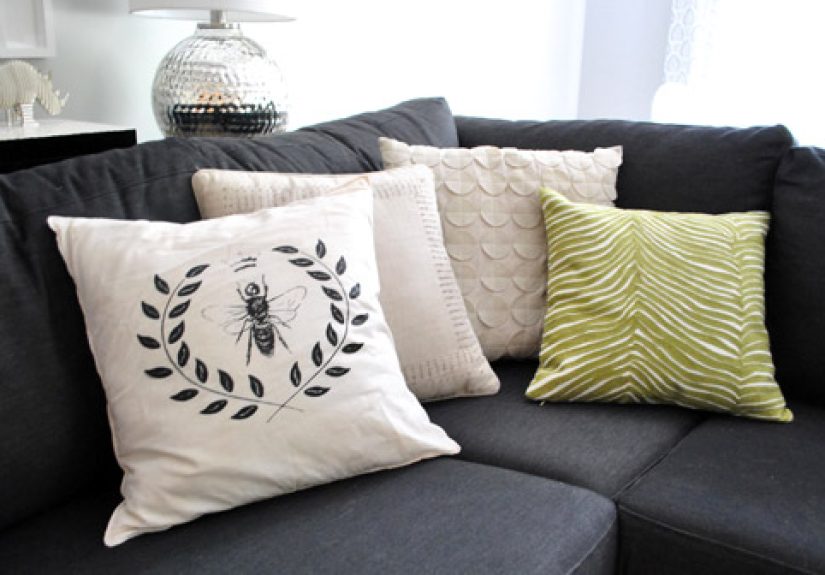
Tea-stained pillow covers are incredibly versatile. They pair beautifully with natural textures like jute, wood, rattan, stonewashed cotton, and soft wool throws. In a farmhouse room, they help bright white spaces feel warmer and less showroom-stiff. In a vintage-inspired bedroom, they can make new bedding look layered and collected. In a neutral living room, they add depth without shouting for attention.
You can also mix tea-stained covers with stripes, ticking fabric, embroidery, or lace for a more custom look. If you want the pillows to feel older without looking dirty, keep the palette warm and understated. The magic is in the softness, not the sludge.
How To Care for Tea-Stained Pillow Covers
After tea staining, wash the covers gently in cold water with a mild detergent when needed. Avoid bleach unless your secret goal is to erase all your hard work. Air drying is safest if you want to preserve the look for as long as possible.
If you spill fresh tea on them later, which would be hilariously on-brand, treat the spill carefully rather than scrubbing hard. Tea is tannin-based, so fresh stains are easier to deal with when handled quickly and gently. And before using a hot dryer, always check whether the look is still where you want it. Heat has a funny way of making decisions feel very final.
Tea Staining vs. Fabric Dye
If you want subtle age, soft tonal variation, and natural-looking warmth, tea staining is a fantastic choice. If you want saturated color, predictable repeatability, and better long-term colorfastness, fabric dye is the better option. Tea staining wins on charm. Commercial dye wins on control.
That is why tea-stained pillow covers work so well in decorative settings. They do not need to scream with color. They just need to whisper, “I have stories,” even if they were delivered in a cardboard box three days ago.
Final Thoughts
Learning how to tea stain pillow covers is one of those rare home projects that is easy, inexpensive, creative, and genuinely useful. You can soften stark white fabric, give plain covers more personality, and create a custom vintage look without buying anything fancy. As long as you choose the right fabric, brew a strong bath, and let the tea do its thing, the process is refreshingly simple.
So if your throw pillows need a little warmth, a little character, and a little less “straight from aisle seven,” tea staining is absolutely worth trying. At worst, you spend an afternoon with tea. At best, your décor suddenly looks ten times more expensive and mysteriously well-traveled.
Experience: What Tea Staining Pillow Covers Is Really Like
The first time I tea stained pillow covers, I expected one of two outcomes: either a magical vintage transformation or a soggy mess that looked like I had dropped my bedding into a weak latte. The truth landed happily in the middle, and that is exactly why this project is so satisfying. Tea staining is not difficult, but it is surprisingly interactive. You are not just following steps. You are watching fabric change in real time, making tiny decisions, and learning how much “aged” is enough before your beautiful neutral starts drifting toward “old napkin.”
One thing that stands out right away is how different fabrics react. A plain cotton cover usually takes color in a steady, predictable way. Linen, on the other hand, often develops a more dimensional look, with subtle highs and lows that feel expensive and collected. That natural unevenness can be gorgeous. In fact, some of the best results happen when you stop trying to force absolute uniformity. If your goal is a cozy, lived-in room, a little variation makes the pillow feel more authentic, not less.
Another real-world lesson is that strong tea matters more than fancy technique. The first weak batch I made gave the pillow cover a tone so subtle that only I knew anything had changed, which is not ideal after spending half the afternoon stirring a bucket. The second time, I used far more black tea, let it steep longer, and immediately got that warmer, antique finish I had hoped for. It was the same basic process, just with a more concentrated bath. That simple change made the project feel less like wishful thinking and more like actual design strategy.
I also learned that patience beats panic. When the fabric first comes out of the tea bath, it often looks darker, blotchier, and more dramatic than expected. That can be mildly alarming. But once you do a light rinse and let it dry, the color usually settles into something softer and more natural. This is where many people go wrong. They over-rinse because they get nervous. Then they end up washing away the richness they wanted in the first place. Let the process finish before you decide whether you love it.
There is also a sweet spot in tea staining between “beautifully aged” and “why does this look like a prop from a pirate tavern?” If you want elegance, stop before the fabric turns too muddy. A gentle beige or antique cream is often more stylish than a deep brown, especially if the pillows are going into a bedroom or light-filled living room. Tea staining tends to look best when it enhances the fabric rather than overpowering it.
Perhaps the most useful experience-based tip is this: style the pillow before judging it. A tea-stained cover lying flat on a counter can look underwhelming. Once it is stuffed, fluffed, placed next to a throw blanket, and surrounded by wood, woven textures, or soft bedding, the effect suddenly makes sense. The color reads warmer, richer, and far more intentional. That is the moment when the project stops feeling like a craft experiment and starts feeling like smart decorating.
So yes, tea staining pillow covers really does work. It is simple enough for beginners, flexible enough for creative people, and forgiving enough for anyone who does not want their home projects to require a chemistry degree. You make tea, you soak fabric, you watch plain covers become more interesting. Honestly, that is an excellent return on investment for a handful of tea bags and one mildly messy afternoon.