Table of Contents >> Show >> Hide
- Can You Really Wash Darks and Lights Together?
- How to Wash Darks and Lights Together: 6 Steps
- Step 1: Read the Care Labels Before Anything Else
- Step 2: Do a Quick Colorfastness Test
- Step 3: Sort by Risk, Not Just Color
- Step 4: Use Cold Water and the Right Detergent
- Step 5: Add a Color Catcher Sheet and Turn Clothes Inside Out
- Step 6: Choose the Right Cycle, Dry Carefully, and Check Before Heat
- What Not to Wash Together
- What to Do If Colors Bleed Anyway
- Best Laundry Products for Mixed Loads
- Simple Example: A Safe Mixed Load
- Extra Experience: What Actually Works When You Mix Darks and Lights
- Conclusion
Let’s be honest: sorting laundry into perfect little piles sounds lovely in theory. Whites here, lights there, darks in another basket, towels somewhere else, delicates being dramatic in their own mesh bag. In real life? You have one laundry basket, one free hour, and a suspicious sock that seems to belong to nobody.
So the big question is: can you wash darks and lights together? The answer is yesbut only if you do it carefully. Washing dark and light clothes together is not the laundry crime your grandmother warned you about, but it is a small gamble. The trick is knowing which clothes can share a washer peacefully and which ones are dye-transfer disasters waiting to happen.
This guide breaks down how to wash darks and lights together in six practical steps. You’ll learn when mixing laundry is safe, how to prevent color bleeding, which water temperature to use, how color catcher sheets help, and what to do if a dark shirt turns your pale hoodie into a “limited edition gray.”
Can You Really Wash Darks and Lights Together?
Yes, but not every load is a good candidate. The safest mixed laundry load includes older, colorfast clothing in similar fabric weights, washed in cold water with a gentle or normal cycle. Think navy T-shirts with gray sweatpants, faded jeans with beige work shirts, or black leggings with light blue gym tops.
The riskiest mixed loads include brand-new dark denim, red cotton, bright towels, black garments that have never been washed, delicate whites, expensive shirts, and anything labeled “wash separately.” Those clothes are basically waving little red flags from the hamper.
Color transfer usually happens when loose dye escapes from darker fabrics during washing and settles onto lighter fabrics. Heat, long soaking, rough agitation, and overcrowding can make that risk worse. Lint can also cause problems: a fluffy white towel washed with black pants may leave your pants looking like they rolled across a sheep convention.
How to Wash Darks and Lights Together: 6 Steps
Step 1: Read the Care Labels Before Anything Else
Before you toss clothes into the washer like you’re making fabric soup, check the care labels. The tiny tag inside a shirt may not look exciting, but it knows things. It tells you whether the garment needs cold water, gentle washing, hand washing, low heat, air drying, or dry cleaning.
Look for warnings such as “wash separately,” “wash with like colors,” “color may transfer,” “turn inside out,” or “do not bleach.” These labels are not decorative. They are the garment’s polite way of saying, “Please don’t ruin me before brunch.”
If a dark item is new, deeply colored, or made from denim, cotton, rayon, or a bright synthetic blend, treat it as high risk. Wash it separately for the first few cycles or test it before mixing. New indigo jeans, red sweatshirts, and black cotton tops are common dye bleeders. Even if they look innocent, they may have plans.
Step 2: Do a Quick Colorfastness Test
A colorfastness test helps you figure out whether a garment is likely to bleed. It only takes a minute and can save you from turning your light clothes into accidental tie-dye.
Wet a hidden area of the garment, such as an inside seam or hem. Press it with a clean white cloth or paper towel. If color transfers onto the white cloth, do not wash that item with lights. Wash it separately in cold water until it stops releasing dye.
This test is especially useful for black jeans, dark towels, red clothing, cheap fashion items, and handmade or dyed fabrics. If the garment fails the test, don’t panic. It just needs its own laundry lane for now. Every dramatic shirt deserves boundaries.
Step 3: Sort by Risk, Not Just Color
When you wash darks and lights together, sorting still matters. You’re not separating everything into museum-level categories; you’re simply removing the troublemakers.
Create three quick groups:
- Safe to mix: older, already-washed clothes that have not bled before.
- Maybe: medium colors, faded darks, athletic wear, and casual basics.
- Nope: new dark denim, bright red garments, black towels, white dress shirts, delicate whites, and anything expensive.
Also sort by fabric type and weight. Heavy items like jeans, hoodies, and towels can rub against lighter fabrics and cause fading, pilling, lint transfer, or stretching. Washing a delicate cream blouse with dark jeans is like sending a violin into a wrestling match.
For best results, combine items that are similar in weight: T-shirts with T-shirts, athletic wear with athletic wear, casual cottons with casual cottons. Keep lint producers, such as towels and fleece, away from lint magnets, such as black leggings and dark dress pants.
Step 4: Use Cold Water and the Right Detergent
Cold water is your best friend when washing darks and lights together. It helps reduce dye bleeding, fading, shrinking, and unnecessary wear. Modern detergents are designed to work well in cooler water, especially when clothes are normally soiled rather than covered in grease, mud, or mystery stains from “I don’t know, it was already there.”
Choose a quality liquid detergent or a detergent labeled for cold water. Liquid detergent dissolves easily and is less likely to leave powdery residue on dark clothing. Use the amount recommended on the detergent label. More detergent does not mean cleaner clothes. Too much detergent can leave residue, trap odors, and make fabrics look dull.
Avoid chlorine bleach in a mixed load. It can damage colors and should only be used on bleach-safe whites according to the garment label. If you need brightening, choose an oxygen-based, color-safe product only when the label says it is safe for the fabric.
Cold water is usually right for mixed dark and light loads, but there are exceptions. Heavily soiled items, oily stains, bedding from someone who is sick, or laundry that needs sanitizing may require warmer water or a sanitize cycle. In those cases, do not mix darks and lights. Cleanliness and hygiene come first; fashion diplomacy can wait.
Step 5: Add a Color Catcher Sheet and Turn Clothes Inside Out
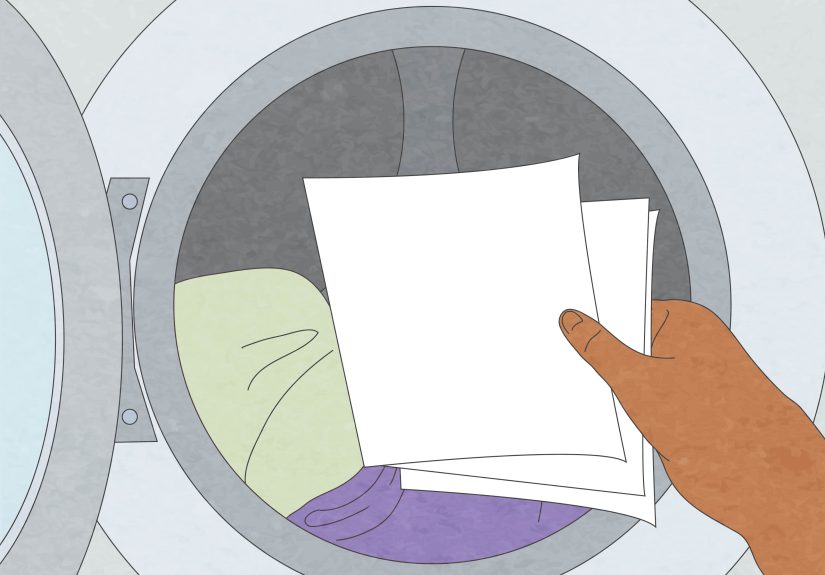
A color catcher sheet is not magic, but it is a useful backup plan. These sheets are designed to trap loose dye in the wash water before it settles onto lighter fabric. They are especially helpful when you must wash mixed colors, travel laundry, college laundry, or a small apartment load where perfect sorting is not realistic.
Use one sheet for a normal mixed load and consider two for loads with darker or brighter items. Still, remember this: a color catcher is a seat belt, not a license to drive through a laundry tornado. It reduces risk, but it cannot guarantee protection if a brand-new red hoodie decides to become a dye fountain.
Turn dark clothes inside out before washing. This reduces friction on the outer surface, helping preserve color and prevent fading. Zip zippers, close hooks, tie drawstrings loosely, and empty pockets. A forgotten tissue in a mixed load is not laundry; it is confetti with consequences.
For delicate lights or small dark garments, use mesh laundry bags. They reduce rubbing and help prevent straps, lace, or thin fabrics from getting stretched or snagged.
Step 6: Choose the Right Cycle, Dry Carefully, and Check Before Heat
Use a gentle or normal cycle with cold water. Avoid heavy-duty cycles unless the fabrics are sturdy and very dirty. More agitation can loosen dye and wear down fibers faster. Also, do not overload the washer. Clothes need room to move so water and detergent can circulate. If the washer is packed tighter than a suitcase before vacation, your clothes will not wash evenly.
When the cycle ends, remove clothes promptly. Wet garments sitting together in the washer can continue transferring dye, especially if a dark item is touching a light one for a long time. Shake out each item and inspect light clothes before drying.
This part is important: do not put dye-stained clothes in the dryer. Heat can set stains, making them much harder to remove. If you notice color bleeding, rewash the stained item immediately in cold water with detergent before it dries.
Drying darks and lights separately is smart when possible. Dark items can transfer lint to lights, and light items can leave pale lint on dark fabrics. Air-drying is best for delicate pieces, dark clothes you want to preserve, and anything that might shrink. If you use a dryer, choose low heat and remove clothes while they are still slightly damp to prevent overdrying.
What Not to Wash Together
Even if you follow every step, some laundry combinations are still asking for trouble. Do not wash brand-new dark denim with white shirts. Do not wash red clothing with pale towels. Do not wash black fleece with cream sweaters. Do not wash delicate whites with heavy dark jeans. And please, for the love of laundry peace, do not wash a new burgundy towel with your favorite white blouse.
You should also keep heavily soiled items separate. Muddy sports clothes, greasy work uniforms, kitchen towels, and pet bedding need stronger cleaning than lightly worn shirts. Mixing them with regular clothes can spread soil, odor, and lint across the load.
What to Do If Colors Bleed Anyway
If dye transfers onto a light item, act fast. Keep the stained clothing wet and do not dry it. Rewash it separately in cold water with detergent. If the stain remains, soak the item in an oxygen-based color-safe bleach solution if the care label allows it. Follow the product directions carefully.
For white bleach-safe cotton items, chlorine bleach may help, but only if the label permits it. Never use chlorine bleach on wool, silk, spandex, leather, mohair, or items labeled “do not bleach.” When in doubt, choose oxygen bleach or ask a professional cleaner.
Also check the rest of the load. If one garment bled, identify the culprit and wash it separately in the future. The guilty item is usually new, dark, bright red, deeply dyed, or suspiciously proud of itself.
Best Laundry Products for Mixed Loads
You do not need a laboratory of products to wash darks and lights together. A simple setup works well:
- Cold-water detergent: Good for everyday mixed loads and dark clothing.
- Color catcher sheets: Helpful insurance against loose dye.
- Mesh laundry bags: Great for delicates, socks, athletic wear, and small items.
- Oxygen-based color-safe bleach: Useful for brightening and treating dye transfer when labels allow.
- Lint roller: Because mixed laundry sometimes has a sense of humor.
Simple Example: A Safe Mixed Load
Here is an example of a low-risk mixed load: one gray T-shirt, one navy T-shirt that has been washed many times, one pair of black athletic shorts, two light blue cotton shirts, one beige sweatshirt, and one pair of dark socks. Wash everything inside out in cold water with liquid detergent, add a color catcher sheet, use a normal cycle, and air-dry the darker items if you want them to last longer.
Here is a high-risk mixed load: new black jeans, a red hoodie, white towels, a pale yellow blouse, and a cream sweater. That load should be separated immediately. In fact, it should probably apologize to the washing machine.
Extra Experience: What Actually Works When You Mix Darks and Lights
In real life, washing darks and lights together is usually a decision made by busy people, students, apartment dwellers, parents, travelers, and anyone who has ever stared at three tiny piles of laundry and thought, “Absolutely not. We are doing this in one trip.” The good news is that mixed laundry can work beautifully when you build a few habits into your routine.
One of the most useful habits is keeping a mental “do not mix” list. For example, brand-new jeans should always get special treatment. Dark denim is famous for releasing dye during early washes, so it belongs with other dark items or by itself. The same goes for new red, burgundy, purple, and black garments. If a piece of clothing looks intensely dyed, assume it has secrets.
Another experience-based tip: older clothes are much safer to mix. A black T-shirt that has survived twenty washes without bleeding is usually not a major threat. A navy hoodie from last winter is probably fine with gray, beige, and medium-blue clothes. Laundry risk drops once a garment has been washed several times and proven it can behave in public.
Cold water makes the biggest difference. Many people ruin clothes not because they mixed colors once, but because they mixed colors with warm or hot water, used too much detergent, overloaded the washer, and then left everything wet in the drum for two hours. That combination is less “laundry routine” and more “fabric escape room.”
Color catcher sheets are especially helpful for shared laundry rooms. College dorm washers, laundromats, and apartment machines can be unpredictable because previous users may have washed heavily dyed items. A color catcher sheet gives you a little extra protection, especially when you cannot run several tiny loads. It is not perfect, but it is cheap insurance.
Drying is where many people forget to stay careful. Even if the wash went well, dark and light clothes can still exchange lint in the dryer. White towels are the worst offenders. They may be clean, fluffy, and innocent-looking, but they can coat dark leggings in lint like powdered sugar on a donut. Dry towels separately whenever possible.
If you are trying to save time, the best strategy is not to mix everything randomly. Instead, create “compatible mixed loads.” Wash casual medium-to-dark clothes together. Wash pale and medium colors together. Keep true whites, new darks, towels, and delicates separate. This gives you fewer loads without turning laundry into a suspense thriller.
The most practical rule is simple: if you would be upset if a garment changed color, do not put it in a risky mixed load. Expensive work shirts, white jeans, formal clothes, sentimental pieces, and delicate fabrics deserve their own wash plan. Everyday T-shirts and gym clothes can be more flexible.
After enough laundry experiments, you learn that the washer rewards patience. Check labels, use cold water, avoid overcrowding, remove clothes promptly, and inspect before drying. Do that, and washing darks and lights together becomes less scary. Your clothes stay cleaner, your colors stay brighter, and your laundry day stops feeling like a negotiation with fabric-based chaos.
Conclusion
Washing darks and lights together is possible, but it works best when you make smart choices. Read care labels, test risky garments, sort by dye risk and fabric weight, wash in cold water, use the right detergent, add a color catcher sheet, and dry with care. The goal is not perfect laundry perfectionism. The goal is clean clothes that still look like the colors you paid for.
When in doubt, keep new darks, bright reds, true whites, towels, delicates, and expensive items separate. For older, colorfast everyday clothes, a careful mixed load can save time, water, energy, and sanity. And honestly, sanity deserves a spot in the laundry basket too.