Table of Contents >> Show >> Hide
- Ulcerative colitis and food: why it feels personal (and confusing)
- What the AIP diet is (and what it isn’t)
- What the research says about AIP for IBD (including ulcerative colitis)
- My AIP plan for UC (the “do this like an adult” version)
- UC-specific tweaks that make AIP more realistic
- The reintroduction phase: where AIP actually becomes useful
- AIP-friendly (and UC-aware) 3-day sample menu
- So… should you try the AIP diet for ulcerative colitis?
- Bonus: My AIP-for-UC “Field Notes” (A Composite Diary, ~)
Quick honesty note: I’m writing this in a first-person “field report” style because it’s the clearest way to explain what an AIP trial can look and feel like. But it’s a composite experience built from clinical guidance, published research, and common patient-reported patternsnot my personal medical history. Always check in with your gastroenterologist and (ideally) an IBD-savvy registered dietitian before trying a restrictive plan.
Ulcerative colitis (UC) has a special talent: it can make your digestive system feel like it’s running a group chat you can’t mute. So when someone whispers, “What if food is the key?” it’s hard not to lean in.
That’s how I ended up looking at the Autoimmune Protocol (AIP) diet, an elimination-style approach that’s often described as “paleo… but with even fewer fun things.” People try it for autoimmune conditions, and some with inflammatory bowel disease (IBD)including UCwonder if it can help identify trigger foods, reduce symptoms, or just bring a little predictability back to meals.
This article breaks down what AIP is, what the research actually says (including the limitations), and what a smart, safer “trial run” can look likeespecially when UC flares, fatigue, and nutrition needs are all part of the equation.
Ulcerative colitis and food: why it feels personal (and confusing)
UC is a form of IBD that causes inflammation in the lining of the colon and rectum. Symptoms can vary, but many people cycle between flares (more symptoms, more urgency, more “why did I trust that burrito?”) and remission (fewer symptoms, more normal life).
Here’s the part that makes diet conversations tricky: food doesn’t “cause” UC, and there’s no single diet proven to cure it. But food can influence symptoms, tolerance, hydration, and nutritional statusespecially during a flare. So diet matters, just not always in the simple, TikTok-friendly way we wish it did.
Translation: UC isn’t a moral failure of your lunch choices. It’s a complex condition. But your lunch choices can still affect how your day goes.
What the AIP diet is (and what it isn’t)
The AIP diet is typically described as a personalized elimination diet. It starts by removing a broad set of foods thought to be common irritants or immune triggers, then carefully reintroducing them to see what you tolerate.
The two main phases
- Elimination phase: You remove several food groups for a defined period (often 30–90 days, though many programs use ~6 weeks as an initial structured phase).
- Reintroduction phase: You add foods back one at a time, watching for symptom changes.
Foods commonly eliminated on AIP
Exact rules vary, but many AIP plans remove:
- Grains (including wheat, rice, corn, oats)
- Legumes (beans, lentils, peanuts, soy)
- Dairy
- Eggs
- Nuts and seeds (and often seed-based spices)
- Nightshades (tomatoes, peppers, eggplant, white potatoes)
- Coffee and alcohol
- Refined sugar, many additives, and ultra-processed foods
- In some versions: certain oils or emulsifiers/additives
What you typically eat more of
- Meat, poultry, seafood
- Vegetables (often emphasizedthough UC may require texture tweaks)
- Fruit (again, individual tolerance matters)
- Healthy fats (olive oil, avocado, some coconut products depending on the plan)
- Herbs and non-seed spices (plan-dependent)
What AIP is not: It’s not a guaranteed anti-inflammatory “reset button,” and it’s not a substitute for UC medical care. Think of it as a structured experimentuseful for some, frustrating for others, and best done with guardrails.
What the research says about AIP for IBD (including ulcerative colitis)
Let’s talk evidencebecause if your colon is going to be dramatic, your research standards shouldn’t be.
A small pilot study showed promising symptom improvement
A frequently cited prospective pilot study enrolled 15 adults with active IBD (including 6 with UC) and used a program with a 6-week elimination phase followed by a 5-week maintenance phase (no reintroductions during the study). By week 6, 11 out of 15 participants achieved clinical remission, and those who achieved remission maintained it through week 11. Participants’ symptom scores improved, and some showed improvement on follow-up endoscopy, although the study was small and not randomized.
Important nuance: it was uncontrolled (no comparison group), and many participants were also using IBD medications. That means it’s intriguingbut not proof. Also, participants with certain strictures had complications when increasing roughage, which highlights why “more raw veggies” isn’t universally safe in IBD.
Professional guidance: diets can help overall health, but no one diet reliably prevents flares
Recent gastroenterology guidance emphasizes that diet matters for overall health and quality of life, and many patients benefit from minimizing ultra-processed foods and building balanced eating patterns. But evidence that any single diet consistently prevents adult IBD flares remains limited. That’s why many experts often point people toward broadly healthy, sustainable patterns (like a Mediterranean-style approach) while tailoring changes to symptoms and nutritional needs.
So where does that leave AIP? As a potential short-term toolespecially for identifying personal triggersrather than a forever-lifestyle requirement.
My AIP plan for UC (the “do this like an adult” version)
If I’m going to try a restrictive diet for UC, I want a setup that protects my health and my sanity. Here’s the structure I’d use.
Step 1: Set guardrails before day one
- Medical check-in: confirm my current UC plan (meds, monitoring) stays stable unless my clinician changes it.
- Define the goal: “Identify trigger foods and improve day-to-day symptoms,” not “cure UC forever with sweet potatoes.”
- Time box it: commit to a defined trial window (often 4–6 weeks) and decide what “success” looks like.
- Track basics: stool frequency/urgency, blood, pain, energy, sleep, and stress. (Bonus: note where I am in the cycle of flare vs remission.)
Step 2: Build an AIP grocery list that won’t wreck my gut
AIP is often vegetable-forward, but UC sometimes demands texture strategyespecially during flares. So I’d stock “gentle” forms of AIP-friendly foods:
- Proteins: salmon, ground turkey, chicken thighs, lean beef, canned tuna
- Cooked veggies: peeled zucchini, carrots, squash, well-cooked greens (if tolerated), cauliflower rice (maybe)
- Easy fruits: bananas, peeled apples (cooked into applesauce), melons
- Fats: olive oil, avocado (if tolerated), coconut milk (if tolerated)
- Flavor: fresh herbs, garlic-infused oil (if tolerated), lemon, ginger
If I were actively flaring, I’d lean harder on soups, stews, and blended foods to reduce mechanical irritation and make fiber easier to handlebecause “raw salad cleanse” is not the vibe when your colon is inflamed.
Step 3: Keep meals boring on purpose (at first)
When you’re testing tolerance, novelty is the enemy. Early on, I’d repeat a small set of simple meals so it’s easier to spot patterns:
- Breakfast: banana + turkey patties + sautéed zucchini
- Lunch: chicken soup with carrots and squash
- Dinner: baked salmon + roasted sweet potato + well-cooked greens (if tolerated)
- Snack: applesauce, coconut yogurt (if allowed on my version), or broth
Yes, it’s repetitive. But it’s temporaryand it’s way easier than guessing whether your symptoms came from onions, stress, or that “healthy” bar with 17 ingredients you can’t pronounce.
UC-specific tweaks that make AIP more realistic
AIP rules don’t automatically account for the realities of IBDlike strictures, diarrhea risk, hydration, and nutrient depletion. So I’d tailor the approach based on common UC nutrition guidance.
During a flare: think low-residue and hydration
Many clinicians recommend a lower-fiber / low-residue approach during flares to reduce stool volume and mechanical irritation. That can mean limiting raw produce, nuts, seeds, and other rough textureswhile still trying to meet nutrition needs with softer, cooked, blended, or peeled options.
Hydration matters too. Frequent diarrhea can raise dehydration risk, so I’d sip fluids consistently and consider oral rehydration options if my clinician recommends them.
Between flares: rebuild variety (and your relationship with food)
When symptoms calm, I’d gradually expand varietyespecially soluble-fiber foods and tolerated fruits/vegetablesbecause long-term “white foods only” eating patterns can backfire nutritionally and emotionally.
Don’t let restriction quietly create deficiencies
UC can be associated with deficiencies (and IBD in general often overlaps with low iron, vitamin D, calcium needs, etc.). AIP removes dairy and many fortified foods, so it’s smart to plan calcium/vitamin D sources (or supplements if advised), keep protein adequate, and monitor iron statusespecially if you’ve had bleeding or anemia.
The reintroduction phase: where AIP actually becomes useful
Elimination is the headline. Reintroduction is the point.
The goal isn’t to stay on the strict phase foreverit’s to learn what you tolerate so your diet can become more normal, more nourishing, and less stressful.
A simple reintro method (practical, not perfect)
- Pick one food (example: eggs).
- Try a tiny amount on day 1.
- If okay, try a normal portion on day 2.
- Watch symptoms for ~2–3 days while keeping everything else stable.
- Log what happens, then decide: keep it, pause it, or retest later.
If symptoms worsen, it doesn’t automatically mean “never again.” It might mean “not during this season of my UC,” or “try a different form,” or “let’s talk to my dietitian because something else is going on.”
AIP-friendly (and UC-aware) 3-day sample menu
Adjust textures and fiber based on your symptoms and clinician advice.
Day 1
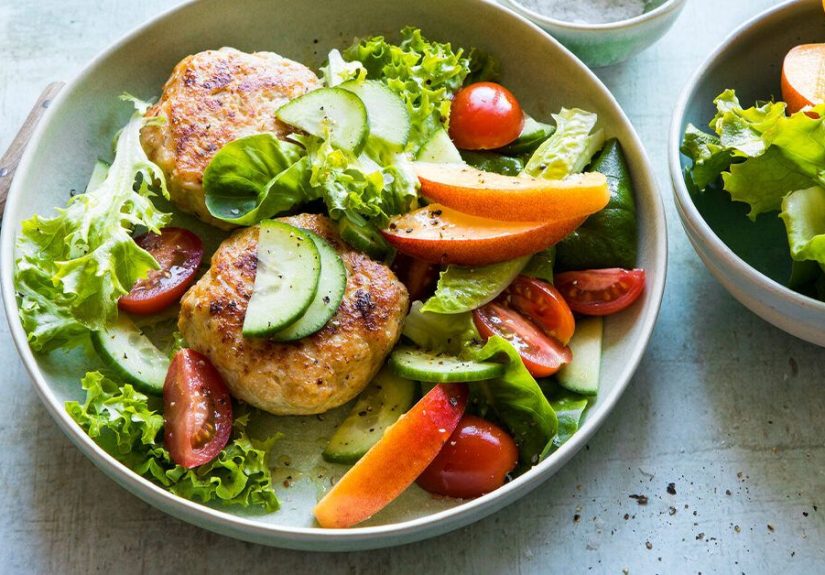
- Breakfast: turkey patties + mashed sweet potato
- Lunch: chicken and carrot soup (well-cooked)
- Dinner: baked salmon + peeled, roasted zucchini
- Snack: applesauce or bone broth
Day 2
- Breakfast: banana + leftover salmon (breakfast rules are fake)
- Lunch: ground turkey stir-fry with cooked squash
- Dinner: slow-cooked pot roast + carrots
- Snack: melon slices (if tolerated)
Day 3
- Breakfast: warm applesauce + cinnamon (if tolerated) + chicken sausage (AIP-compliant)
- Lunch: tuna salad (AIP-style) in lettuce wraps or with cooked veg
- Dinner: turkey meatballs + roasted sweet potato + sautéed greens (if tolerated)
- Snack: ginger tea (caffeine-free) if it sits well
So… should you try the AIP diet for ulcerative colitis?
If you’re curious about AIP for UC, here’s the balanced take:
- Potential upside: It can function as a structured “trigger-finder,” and early research suggests symptom improvements for some people with IBD.
- Potential downside: It’s restrictive, can be hard to sustain, and may increase the risk of nutrient gaps or unintended weight loss if not planned carefully.
- Most sensible approach: Treat it as a time-limited experiment with professional support, then reintroduce foods methodically so your diet becomes broadernot narrower.
And remember: if your UC is active, severe, or complicatedor if you’re experiencing bleeding, dehydration, significant weight loss, or worsening symptomsdiet tweaks should ride in the passenger seat while your medical team drives.
Bonus: My AIP-for-UC “Field Notes” (A Composite Diary, ~)
Day 1 started with the kind of optimism normally reserved for New Year’s resolutions and people who believe their inbox can hit zero. I cleared out the pantry like I was auditioning for a minimalist documentary: out went the cereal, the crackers, the “healthy” granola bars that are basically candy wearing a hiking vest. In came sweet potatoes, salmon, and enough zucchini to build a small canoe.
The first surprise: AIP didn’t feel like “a diet” as much as “a logistics hobby.” Meal planning wasn’t optionalit was oxygen. If I didn’t have compliant food ready, I’d end up staring into the fridge like it owed me answers. The second surprise: my taste buds adapted faster than my social life. Friends wanted coffee. I wanted to be included. AIP wanted me to drink water and reflect on my choices.
By the end of week one, I learned two critical skills: (1) how to cook vegetables until they’re soft enough to qualify as a hug, and (2) how to politely say, “No thanks,” when someone offers me something with 14 ingredients and a vibe of “trust me.” If my UC was flaring, I leaned hard into soups, broths, and cooked, peeled producebecause raw salad during a rough week felt like sending my colon an aggressive email.
Week two was when the routine kicked in. Breakfast was often protein plus something soft: turkey patties with sweet potato mash, or leftover salmon because breakfast rules are made up. Lunch became soup. Dinner became “one pan, one protein, one vegetable I won’t regret.” Boring? Yes. Peaceful? Also yes. And in UC-land, peaceful is premium.
The biggest win wasn’t perfectionit was clarity. With fewer variables, patterns were easier to notice. Stress still mattered (annoyingly), sleep still mattered (rude), but food reactions felt less like a mystery novel and more like a spreadsheet. I started keeping notes: how I felt after meals, what symptoms shifted, what my energy did. The goal wasn’t to prove AIP was magical; it was to gather data without spiraling into food fear.
Then came the reintroduction phasethe moment AIP stops being restrictive for the sake of restriction and becomes a real tool. I picked one food at a time, started small, and waited. It felt slow, but it also felt… fair. If a food didn’t go well, it wasn’t a lifetime banit was a “not right now” note to revisit later, ideally with my care team’s input. Because UC is a long game, and the best diet isn’t the strictest oneit’s the one that keeps you nourished, stable, and still able to say yes to dinner plans sometimes.