Table of Contents >> Show >> Hide
- What Are Matchstick Blinds, Exactly?
- Why the Japanese-Inspired Look Works So Well
- Benefits of Japanese-Inspired Matchstick Blinds
- Potential Drawbacks to Know Before You Buy
- How to Style Them the Japanese-Inspired Way
- Best Rooms for Matchstick Blinds
- Buying Tips That Save Regret Later
- How to Maintain Them Without Losing Your Mind
- Are Japanese-Inspired Matchstick Blinds Worth It?
- Extended Experience: Living With Japanese-Inspired Matchstick Blinds
- Conclusion
- SEO Tags
If your windows are currently dressed like they gave up sometime around 2009, Japanese-inspired matchstick blinds may be the elegant intervention your room has been begging for. They are airy without being flimsy, textured without being fussy, and stylish without shouting, “Look at me, I read one design blog and now I own six ceramic bowls.” In other words, they hit a rare sweet spot.
These blinds bring together two ideas homeowners love: the organic warmth of woven natural materials and the calm, restrained beauty often associated with Japanese-inspired interiors. The result is a window treatment that softens harsh light, adds texture, and makes a room feel more thoughtful almost immediately. No dramatic renovation required. No indoor koi pond necessary.
Whether you are redesigning a living room, refreshing a bedroom, or trying to make your home office feel less like a tax audit and more like a sanctuary, Japanese-inspired matchstick blinds can do a surprising amount of heavy lifting. They are simple, practical, and visually quiet, which is exactly why they work so well.
What Are Matchstick Blinds, Exactly?
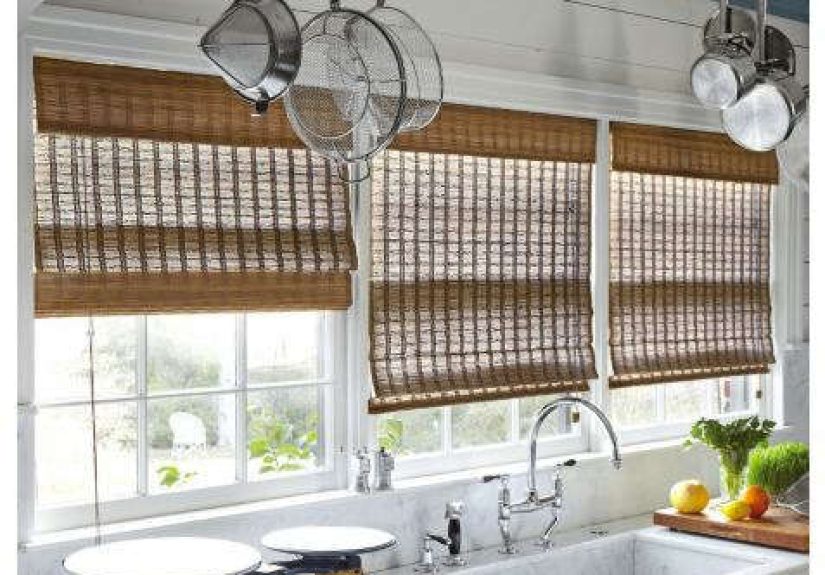
Despite the name, matchstick blinds are often closer to woven wood shades than classic slatted blinds. They are usually made from thin pieces of bamboo, reeds, grasses, rattan, or other natural fibers woven or stitched together into a flexible panel. When raised, they roll or fold upward; when lowered, they create a textured screen across the window.
The “matchstick” label usually refers to the thin, stick-like material used in the weave. Some versions look rustic and casual, while others feel more refined and tailored. That range is part of the appeal. You can choose a breezy, beachy style or a tighter, more architectural weave that leans minimalist and modern.
They are especially popular in homes where people want softness and texture, but not heavy drapery. They also work beautifully for anyone who likes natural materials but wants something more visually relaxed than painted wood blinds or more distinctive than a plain roller shade.
Why the Japanese-Inspired Look Works So Well
Japanese-inspired interiors are often admired for their sense of calm. Rooms tend to emphasize natural textures, filtered light, visual balance, and purposeful restraint. That does not mean every space has to look like a museum or a minimalist fever dream. It simply means the room feels edited, grounded, and peaceful.
Matchstick blinds fit that philosophy naturally. Their woven texture introduces bamboo- and reed-like materials that echo nature. Their light-filtering quality creates a softer atmosphere than harsh bare windows. Their neutral tones blend into a room instead of bullying every other design choice into submission. That makes them an easy match for spaces built around serenity, simplicity, and tactile warmth.
Japanese-inspired styling also values connection to the outdoors. Matchstick blinds help preserve that feeling because they filter sunlight rather than shutting it out completely. When used well, they make a room feel in conversation with the outside world instead of sealed off from it like a suspiciously expensive bunker.
Benefits of Japanese-Inspired Matchstick Blinds
1. They add natural texture without visual clutter
One of the biggest strengths of matchstick blinds is texture. Smooth walls, flat paint, and standard furniture can make a room feel one-note. These blinds break up that flatness with organic detail. Because the palette is usually neutral, the texture feels rich rather than busy.
2. They soften daylight beautifully
Natural woven blinds tend to diffuse sunlight in a flattering way. Instead of getting a blast of sharp glare, you get a warmer, gentler glow. In a living room or breakfast nook, that effect can make the space feel instantly more inviting. In a home office, it can help tame bright daylight without making the room gloomy.
3. They suit many design styles
Even though this article focuses on a Japanese-inspired approach, matchstick blinds are versatile. They can work with Japandi, coastal, organic modern, rustic, transitional, and even some contemporary interiors. That flexibility matters if you want timeless window treatments rather than something trendy that expires before your next utility bill.
4. They can be customized for privacy and function
Privacy depends heavily on the weave. Looser weaves let in more light and can reveal more silhouettes. Tighter weaves provide better coverage. Many options also allow liners, including light-filtering and blackout styles. That means you can keep the texture you love while upgrading the practical performance of the shade.
5. They now come with modern features
Today’s woven wood and matchstick shades are not stuck in the past. Many are available with cordless lifts, continuous loop systems, and motorization. That is especially helpful for tall windows, hard-to-reach spots, or homes where safety and convenience matter just as much as appearance.
Potential Drawbacks to Know Before You Buy
No window treatment is perfect, and matchstick blinds are no exception. Their biggest limitation is privacy. If you choose an open weave without a liner, your beautiful serene room may become a stage production for the neighbors after sunset.
They are also less precise than slatted blinds when it comes to directional light control. You cannot tilt them open or closed the way you can with traditional horizontal blinds. Your main controls are raising, lowering, and choosing whether to add a liner.
Another consideration is dust. Natural fibers can collect it, especially in kitchens or high-traffic rooms. Cleaning is not difficult, but it does require more care than wiping down a metal or faux-wood blind. And because these materials are natural, color variation and slight irregularities are normal. For many people, that is part of the charm. For perfectionists, it may be a tiny emotional journey.
How to Style Them the Japanese-Inspired Way
Choose quiet, earthy colors
Look for tones like sand, oat, warm beige, stone, weathered brown, or soft driftwood. These colors feel grounded and understated, which helps the blinds blend into a restful environment. If the shade color looks like it belongs in a neon smoothie, keep walking.
Let the texture be the statement
Japanese-inspired rooms usually avoid too many competing focal points. If your matchstick blinds have beautiful texture, let them do that work. Pair them with plain walls, simple trim, and furniture with clean lines. The room will feel intentional instead of over-decorated.
Layer with restraint
If you need extra privacy or softness, layer the blinds with light linen drapery panels in ivory, flax, or warm gray. The key is keeping the layering relaxed and simple. Heavy velvet curtains will fight the whole mood. Your window should whisper, not audition for a period drama.
Add complementary materials
Matchstick blinds look especially good with oak or ash wood furniture, matte ceramics, paper lantern lighting, natural stone, woven baskets, and low-profile upholstery. These materials support the same organic, tactile language without making the room look themed.
Best Rooms for Matchstick Blinds
Living room
This is where matchstick blinds often shine. They add depth to the room while keeping the atmosphere light and open. In a Japanese-inspired living room, they pair beautifully with low furniture, soft neutral rugs, and a restrained color palette.
Bedroom
For bedrooms, lined shades are usually the smarter option. A blackout or room-darkening liner can preserve the calm look while improving sleep. Without a liner, the room may glow beautifully at sunrise, which is charming unless you consider 5:47 a.m. a personal attack.
Dining room
Dining rooms benefit from the texture and warmth of woven shades, especially in spaces that otherwise feel hard or formal. Matchstick blinds can make the room feel more intimate without heavy window treatments.
Home office
In a workspace, these blinds can reduce glare and keep the room feeling polished. Choose a medium weave or add a liner if you need better screen visibility during the brightest parts of the day.
Kitchen
They can look excellent in kitchens, particularly over a sink or breakfast area, but choose carefully. If the space gets greasy or humid, you will want easy maintenance and enough clearance from heat and splatter zones.
Buying Tips That Save Regret Later
Pay attention to weave density
This affects both the look and the function. Loose weaves feel airy and casual, but they are less private. Tighter weaves create a more tailored appearance and usually offer better light control.
Decide early on inside mount vs. outside mount
An inside mount looks clean and architectural, but it requires accurate measurements and enough window depth. An outside mount can make the window appear larger and may block more light around the edges. Measure twice, order once, and spare yourself the deeply spiritual frustration of a near fit.
Consider cordless or motorized operation
Cordless styles create a cleaner look and are more family-friendly. Motorization adds convenience and works especially well for larger windows or homes leaning into smart technology. Traditional natural texture and modern convenience are not enemies; they can absolutely share a room.
Do not skip samples
Natural materials vary in color and texture. What looks like “soft wheat” online may arrive looking more like “determined granola.” Samples help you judge tone, weave, and how the material behaves in your actual light.
How to Maintain Them Without Losing Your Mind
Regular maintenance is simple: dust lightly with a microfiber cloth, feather duster, or vacuum brush attachment. Avoid soaking them. Natural materials generally do better with gentle cleaning than with enthusiastic scrubbing. For spot cleaning, use a barely damp cloth and test an inconspicuous area first.
If you live in a humid climate, make sure the room is reasonably ventilated. In very damp spaces, long-term exposure can be harder on natural fibers. In bright sun, some fading over time is possible, which is worth considering for rooms with intense afternoon light.
Are Japanese-Inspired Matchstick Blinds Worth It?
Yes, for the right home and the right expectations. If you want perfect blackout performance without liners, highly adjustable slats, or an ultra-formal finish, they may not be your best option. But if you want warmth, texture, soft light, and a more peaceful design language, they are a strong choice.
What makes them especially appealing is that they do not rely on flashy design tricks. They improve a room by making it feel calmer, more natural, and more intentional. That kind of upgrade tends to age well. And in home design, “ages well” is a phrase worth framing.
Extended Experience: Living With Japanese-Inspired Matchstick Blinds
Living with Japanese-inspired matchstick blinds is less about one dramatic before-and-after reveal and more about a series of small daily wins. The first thing most people notice is the morning light. Instead of sunlight barging into the room like it owns the lease, the blinds soften it into a warm wash. The room wakes up more gently. Coffee tastes more expensive. Even the furniture seems less argumentative.
In a living room, the effect can be surprisingly emotional. Spaces with hard edges, electronics, and too many rectangular things often feel visually tense. Once matchstick blinds are installed, the window becomes less of a bright hole in the wall and more of a textured surface that participates in the room. The light moves through the weave throughout the day, creating a subtle sense of rhythm. It is not flashy, but it is deeply satisfying.
One of the best experiences is how these blinds encourage editing. Because they have such a calm presence, clutter becomes easier to notice. A pile of unopened mail suddenly looks extra chaotic. A random bright plastic object becomes the villain of the story. Many homeowners find themselves simplifying the room around the blinds, not because they have to, but because the space starts to suggest it. That is one of the quiet powers of good design: it changes behavior without making a speech.
In a bedroom, the experience depends on the liner. With a light-filtering liner, the room feels soft and cocoon-like without becoming cave-dark. With blackout lining, the texture remains visible during the day while nighttime privacy improves significantly. That combination is ideal for people who want a restful room that still feels natural and breathable. It is a practical luxury, not a precious one.
There are also real-life details that make a difference over time. Cordless versions feel cleaner and more streamlined in daily use. Motorized versions feel downright elegant, especially in rooms with multiple windows. Pressing a button and watching several woven shades move in sync is one of those tiny modern pleasures that makes you briefly feel like the competent lead character in a design show.
Of course, living with natural materials also means embracing a bit of variation. No two shades look perfectly identical, and that is part of the appeal. The tiny irregularities in color and weave keep the blinds from looking machine-flat or sterile. In a Japanese-inspired room, that sense of natural imperfection actually adds depth. The blinds feel made, not manufactured into oblivion.
Guests tend to respond well to them too, even if they do not know the design vocabulary behind the look. They usually describe the room as calm, warm, airy, or relaxing. That is the point. The blinds are not trying to steal attention. They are helping the room feel better. In a world full of interiors that seem desperate to perform on social media, that quiet confidence is refreshing.
Over time, the biggest benefit may be how adaptable they are. They work in spring with fresh greenery, in summer with bright natural light, in fall with warm wood tones, and in winter with layered textiles. They are not trend bait. They are one of those rare design choices that continue to feel relevant because they are built on texture, nature, and restraint rather than novelty. And frankly, your windows deserve that kind of maturity.
Conclusion
Japanese-inspired matchstick blinds offer more than a stylish window covering. They create atmosphere. They soften light, add organic texture, and support a calmer way of decorating that feels timeless rather than trendy. With the right weave, mount, and liner, they can be both beautiful and functional. If your goal is a home that feels composed, warm, and quietly refined, this may be one of the smartest upgrades you can make.