Table of Contents >> Show >> Hide
- What Is Jaundice?
- How Bilirubin Normally Moves Through the Body
- Main Causes of Jaundice
- Symptoms of Jaundice in Adults and Older Children
- Jaundice in Newborns: Common, But Still Worth Watching
- How Jaundice Is Diagnosed
- Treatments for Jaundice
- Can Jaundice Be Prevented?
- Recovery and Outlook
- Practical Experiences and Real-World Scenarios (Extended Section)
- Conclusion
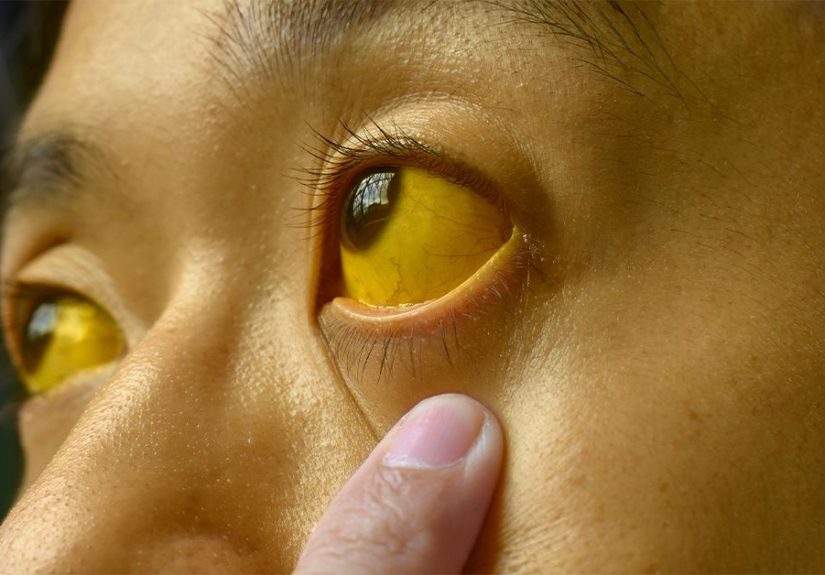
Jaundice sounds like the name of a moody indie band, but in real life it’s a sign your body wants your attention. It causes yellowing of the skin and the whites of the eyes, and while that yellow tint can look dramatic, jaundice itself is not a disease. It’s a clue. The real question is: why is bilirubin building up?
In adults, jaundice can point to problems involving the liver, gallbladder, pancreas, bile ducts, or red blood cells. In newborns, it’s very common and often temporarybut not always harmless, so it still needs monitoring. The good news: once the cause is identified, treatment is usually straightforward and focused on fixing the underlying issue.
What Is Jaundice?
Jaundice happens when too much bilirubin builds up in the bloodstream. Bilirubin is a yellow pigment created when old red blood cells break down. Normally, the liver processes bilirubin and sends it out through bile so it can leave the body in stool. When that system slows down, gets damaged, or gets blocked, bilirubin risesand the yellow color shows up.
Depending on the person and lighting, jaundice may first be noticed in the eyes (called scleral icterus) before the skin. It can become visible when bilirubin rises above the normal range, and the exact level varies by person.
How Bilirubin Normally Moves Through the Body
Think of bilirubin like trash pickup with multiple stops:
- Step 1: Old red blood cells break down and release bilirubin.
- Step 2: The bilirubin travels to the liver.
- Step 3: The liver processes it (this is called conjugation).
- Step 4: Bilirubin moves through bile ducts into the intestines.
- Step 5: It leaves the body through stool (and a small amount through urine).
Jaundice appears when that chain gets disruptedtoo much bilirubin is made, the liver can’t process it well, or bile flow gets blocked.
Main Causes of Jaundice
Doctors often group causes into three buckets: before the liver, in the liver, and after the liver. (Yes, medicine loves categories. Honestly, fair enoughit helps.)
1) Before the Liver (Prehepatic): Too Much Bilirubin Production
This happens when red blood cells break down faster than normal (called hemolysis). The liver may be working fine, but it gets overwhelmed by the bilirubin load.
Common examples include:
- Hemolytic anemia
- Transfusion reactions
- Certain inherited red blood cell disorders
- Large bruises or internal bleeding that are being reabsorbed
In these cases, a person may have jaundice with fewer “classic liver” symptoms at first. The fix depends on the blood-related cause.
2) In the Liver (Hepatic): The Liver Can’t Process Bilirubin Properly
This is one of the most common pathways. The liver may be inflamed, damaged, scarred, or stressed enough that it can’t process bilirubin efficiently.
Common causes include:
- Viral hepatitis (including hepatitis A, B, or C)
- Alcohol-related liver disease
- Medication or toxin-related liver injury (including supplements in some cases)
- Cirrhosis
- Genetic conditions such as Gilbert syndrome
- Autoimmune or metabolic liver diseases
Hepatitis can also cause a cluster of symptoms like fatigue, nausea, abdominal discomfort, dark urine, pale or clay-colored stool, and jaundice. Hepatitis A and B are vaccine-preventable, while hepatitis C has no vaccine but can often be treated effectively once diagnosed.
3) After the Liver (Posthepatic/Obstructive): Bile Flow Is Blocked
This is also called cholestatic or obstructive jaundice. The liver may still make bile, but the bile can’t flow normally.
Common causes include:
- Gallstones blocking the bile duct
- Bile duct narrowing (stricture)
- Inflammation or infection of the biliary system
- Pancreatic cancer or bile duct tumors
- Other conditions affecting the pancreas or bile ducts
This type often comes with dark urine, pale stools, and itching because bile components build up in the blood. Some people also develop right-upper-abdominal pain, fever, or chills, which can be a sign of a blocked duct with infection and may require urgent treatment.
Symptoms of Jaundice in Adults and Older Children
The yellow color gets the spotlight, but it’s rarely the only symptom. Depending on the cause, people may notice:
- Yellowing of the skin and whites of the eyes
- Dark urine (tea- or cola-colored)
- Pale, gray, or clay-colored stool
- Itchy skin (sometimes intense)
- Fatigue or weakness
- Fever or chills
- Nausea, vomiting, or loss of appetite
- Abdominal pain (especially upper right side)
- Unexplained weight loss
- Confusion in severe liver disease
Warning Signs That Need Prompt Medical Care
Jaundice should always be evaluated, but some symptoms raise the urgency. Seek medical care quickly if jaundice appears with:
- Severe abdominal pain or tenderness
- Confusion, agitation, or unusual sleepiness
- Fever with chills
- Bleeding, easy bruising, or black/tarry stools
- Vomiting blood
- Rapid worsening of symptoms
These can signal serious complications such as bile duct infection, liver failure, or bleeding problems.
Jaundice in Newborns: Common, But Still Worth Watching
Newborn jaundice is extremely common. Many babies develop some yellowing in the first few days after birth because their livers are still learning the job. In most cases, it improves on its own as feeding increases and the baby starts clearing bilirubin more efficiently.
Typical newborn jaundice often appears around day 2 to day 4 and gets better within 1 to 2 weeks. Breastfed babies may have jaundice that lasts longer, and some forms (like breast milk jaundice) can linger at low levels for several weeks while the baby remains otherwise healthy.
When Newborn Jaundice May Be More Serious
Babies need urgent evaluation if jaundice:
- Appears within the first 24 hours after birth
- Is spreading and getting more intense quickly
- Comes with poor feeding, hard-to-wake behavior, or unusual fussiness
- Comes with fever
- Persists beyond the expected time frame (especially with pale stools)
A special concern is biliary atresia, a condition where bile ducts are damaged or blocked in infancy. It can cause prolonged jaundice and pale stools, and it needs prompt diagnosis. Severe untreated newborn jaundice can also lead to kernicterus, a rare but serious type of brain injury caused by very high bilirubin.
How Jaundice Is Diagnosed
Jaundice is easy to notice, but the hard part is finding the cause. Diagnosis usually combines a physical exam, lab work, and sometimes imaging.
1) Medical History and Physical Exam
A clinician will ask about:
- When the yellowing started
- Whether you have pain, fever, itching, dark urine, pale stools, or weight loss
- Alcohol use
- Medication and supplement use
- Recent travel, food exposure, or hepatitis risk factors
- Family history of liver or blood disorders
They’ll also check for liver tenderness, enlarged organs, bruising, and other clues that point to liver disease, hemolysis, or bile duct blockage.
2) Blood Tests
The key test is a bilirubin blood test (total and direct/conjugated bilirubin). This helps confirm jaundice and guide the next steps. Doctors often order additional tests too:
- Liver enzymes (AST, ALT, alkaline phosphatase, GGT)
- Complete blood count (CBC)
- Clotting tests (liver disease can affect clotting)
- Hepatitis tests
- Tests for hemolysis if red blood cell breakdown is suspected
In newborns, bilirubin may be checked with a skin device (transcutaneous bilirubin) and confirmed with a blood test if needed. Hospitals also monitor newborns before discharge and schedule follow-up bilirubin checks based on age and risk factors.
3) Imaging and Procedures
If a blockage is suspected, imaging may be used to look for gallstones, duct narrowing, or tumors. Common options include:
- Ultrasound (often the first imaging test)
- CT scan or other bile-duct imaging
- ERCP (endoscopic retrograde cholangiopancreatography), which can both diagnose and treat certain blockages
- Liver biopsy in selected cases
In newborns with persistent jaundice, doctors may investigate for causes such as blood type incompatibility, infection, or biliary atresia.
Treatments for Jaundice
There is no one-size-fits-all “jaundice pill.” Treatment depends on the cause. Once the cause improves, the jaundice usually fades.
Treatment for Adults and Older Children
Examples include:
- Gallstone blockage: Procedures like ERCP may be used to open the duct or remove the blockage.
- Hepatitis: Management depends on the virus type and severity; some cases are supportive care, others need antiviral treatment.
- Medication-related liver injury: Stopping the offending medicine or supplement (under medical guidance) is key.
- Alcohol-related liver disease: Alcohol cessation and liver-focused treatment can help prevent worsening damage.
- Cancer-related obstruction: Treatment may involve surgery, oncology care, or procedures to restore bile flow.
- Itching: Some patients need symptom relief medicines while the underlying cause is being treated.
If jaundice is caused by severe liver failure or a serious infection, treatment may be urgent and hospital-based.
Treatment for Newborn Jaundice
Most newborns need monitoring and good feedingnot major treatment. When treatment is needed, options may include:
- Frequent feeding: Breast milk or formula helps babies poop more often, which helps remove bilirubin.
- Phototherapy: Special blue/blue-green light helps change bilirubin into a form the body can eliminate.
- Home phototherapy (in selected cases): Some babies can be treated at home with close follow-up.
- IV fluids: Occasionally used if hydration is a concern.
- IV immunoglobulin (IVIg): Sometimes used when jaundice is related to blood type incompatibility.
- Exchange transfusion: A rare but important treatment for severe jaundice not responding to other methods.
One important note for parents: sunlight is not considered a safe substitute for medical treatment of jaundice.
Can Jaundice Be Prevented?
Not alwaysbut you can lower the risk of some common causes.
For Adults
- Get vaccinated for hepatitis A and hepatitis B.
- Avoid sharing needles or other blood exposure risks (important for hepatitis C prevention).
- Use medications and supplements carefully, especially those that can affect the liver.
- Limit alcohol and seek help early if alcohol use is becoming harmful.
- Get evaluated early if you notice dark urine, pale stools, itching, or yellowing.
For Newborns
- Feed frequently in the first days of life (often 8 to 12 times a day for breastfed babies).
- Make sure bilirubin is checked before hospital discharge.
- Keep follow-up visits, especially if the baby goes home early.
- Call the pediatrician if jaundice worsens or the baby is hard to wake or not feeding well.
Recovery and Outlook
The outlook depends on the cause. Jaundice from a temporary issuelike a short-lived newborn bilirubin rise or a treatable gallstone blockageoften improves quickly. Jaundice linked to chronic liver disease may take longer and requires ongoing management.
The most important takeaway is this: jaundice is a signal, not a final diagnosis. Getting the cause right is what makes treatment effective.
Practical Experiences and Real-World Scenarios (Extended Section)
To make this more practical, here are a few real-world style experiences (composite examples based on common medical situations) that show how jaundice can play out. These are not personal medical advice, but they reflect the kinds of patterns doctors see all the time.
Experience 1: “I Thought It Was Just Bad Lighting”
A 42-year-old office worker noticed his eyes looked “a little yellow” on a Monday morning video call. He blamed the webcam, then blamed his monitor settings, then blamed the weather. By the next day, his urine was darker than usual and he felt wiped out. He went to urgent care, and blood tests showed elevated bilirubin and liver enzymes. Further testing suggested acute viral hepatitis.
What matters here is timing. He didn’t wait for severe symptoms. The yellow eyes, dark urine, and fatigue together were enough to get checked, which helped him start the right evaluation early. Many people expect jaundice to mean severe pain, but it often starts quietly.
Experience 2: The “Stomach Bug” That Wasn’t
A woman in her 60s had nausea, chills, and upper abdominal pain after dinner, then developed yellow skin and itching. At first she thought it was food poisoning. In the emergency department, imaging showed a bile duct blockage from a gallstone. She needed a procedure (ERCP) to relieve the obstruction.
This is a classic lesson in obstructive jaundice: the combo of jaundice, pain, fever/chills, pale stools, or dark urine can point to a bile flow problem. In some cases, the blockage can trigger infection, so quick treatment is not just about comfortit can prevent dangerous complications.
Experience 3: The Supplement Surprise
A younger adult started several “natural” supplements for fitness and energy. A few weeks later, he noticed itching, fatigue, and yellowing of the eyes. Testing suggested liver injury. He was shocked because he assumed over-the-counter meant harmless.
This experience is increasingly common. Jaundice can be related to medications, herbs, or supplements, not just alcohol or infections. One of the best things a patient can do is bring a complete list of everything they takeprescriptions, vitamins, workout products, teas, and all. That list can save time and sometimes solves the mystery faster than any scan.
Experience 4: New Parents, Day 3 Panic
New parents brought home a healthy newborn, then noticed yellowing on day 3. They panicked (understandably), called the pediatrician, and were told to come in for a bilirubin check. The baby was feeding okay but sleepy. The bilirubin level was elevated, so the pediatrician recommended phototherapy and close follow-up.
Within a couple of days, the bilirubin level came down and the baby improved. The parents later said the hardest part was not the treatmentit was the fear. This is why clear instructions matter: how often to feed, what symptoms to watch for, and when to seek urgent help. Newborn jaundice is common, but the monitoring plan is what keeps it safe.
Experience 5: The Prolonged Jaundice That Needed a Deeper Look
Another family noticed their baby still looked yellow after the expected newborn period. The baby’s stools also looked unusually pale. Their pediatrician did the right thing and escalated the evaluation instead of assuming it was “just newborn jaundice.” The baby was referred for specialist testing to rule out biliary atresia.
That example shows why persistence matters. Most newborn jaundice is harmless and fades on its own, but jaundice that lingersor comes with pale stools, poor feeding, or weak alertnessdeserves urgent follow-up. The sooner serious causes are found, the better the outcome.
Across all these examples, the same pattern shows up: jaundice is visible, but the cause isn’t. The yellow color is the headline; bilirubin testing, medical history, and targeted imaging are the actual story. If you or your child develops jaundice, the best move is not to self-diagnose online for six hours (tempting, yes)it’s to get evaluated and let the clues line up properly.
Conclusion
Jaundice is one of the body’s clearest warning signs. Whether it’s caused by a temporary newborn bilirubin rise, viral hepatitis, gallstones, medication-related liver injury, or something more serious, the yellow color is a signal that bilirubin isn’t moving through the body the way it should.
The key to effective treatment is finding the underlying cause quickly. In adults, that often means blood tests and imaging. In newborns, it means bilirubin checks, feeding support, and close follow-upplus phototherapy when needed. Bottom line: don’t ignore jaundice, but don’t panic either. Get it checked, get the cause identified, and the right treatment usually follows.