Table of Contents >> Show >> Hide
- What Is Kontex Lattice, Exactly?
- “Organic Towels” 101: What the Label Should Mean (and What It Sometimes Means)
- How to Choose a Great Towel Like You’re Secretly a Textile Scientist
- Where Kontex Lattice Fits in the Organic Towel World
- Care Tips: How to Keep Kontex Lattice (and Any Organic Towel) Absorbent
- Who Kontex Lattice Organic Towels Are Perfect For
- FAQ: Quick Answers Before You Add to Cart
- Conclusion: A Towel That’s Smarter Than It Looks
- Experiences: Living With Kontex Lattice (and Why People Get Weirdly Loyal)
Towels are the unsung heroes of the bathroom. They show up when you’re wet, cold, and questioning your life choices (like why you thought hot yoga was “a fun idea”). And yet, most of us treat them like background characters: buy a random set, wash them into cardboard, then wonder why drying off feels like sanding a deck.
Enter Kontex Lattice towelsa design-forward, waffle-textured Imabari towel that’s often grouped into the “organic towel” conversation because it’s cotton, thoughtfully made, and sold by retailers who care about cleaner, simpler textiles. But here’s the twist: “organic” can mean two different things online(1) truly certified organic cotton with third-party verification, or (2) “organic” as in “it feels natural, breathable, and not like it was marinated in mystery chemicals.”
This article breaks down what Kontex Lattice is, why its weave is such a big deal, how to shop the broader world of organic towels without getting bamboozled, and how to keep your towels fluffy, thirsty, and dramaticin a good way.
What Is Kontex Lattice, Exactly?
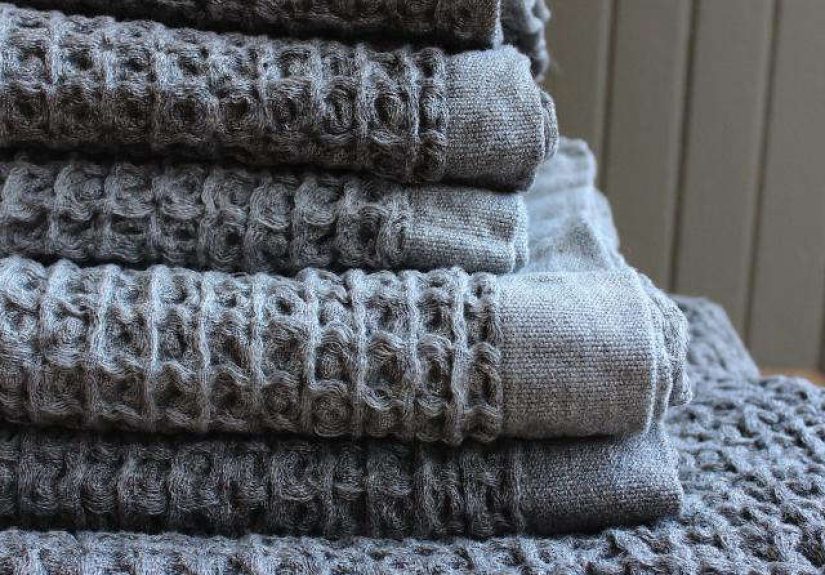
Kontex is a Japanese towel maker based in Imabari, a region famous for towel craftsmanship. The Lattice line is recognizable by its grid-like, waffle-esque texturesomething you’ll either call “subtle spa luxury” or “a towel with abs.”
The Lattice weave: why the texture matters
Lattice is not just a pattern for your eyes; it’s functional engineering for your skin. A waffle-style weave increases surface area, which can help a towel grab water quickly and release it faster between uses. Translation: you’re less likely to end up with a damp, sad towel that smells like it’s been whispering secrets to the shower curtain all night.
This texture also gives you a “lightweight but substantial” feelless bulky than ultra-plush hotel terry, but more comforting than a thin towel that gives up halfway through drying your elbows.
Old-school looms, modern results
One of the reasons Kontex towels get so much love is the production approach: gentle, slower weaving that protects the integrity of the threads. That can translate into a towel that feels soft without relying on heavy chemical finishing, and that stays absorbent instead of turning slick. If you’ve ever had a towel that looked luxurious but behaved like a waterproof jacket, you’ll appreciate the difference.
Sizes, uses, and the “compact towel” idea
Kontex Lattice is typically sold in multiple sizeswashcloth, hand towel, and bath towelplus a “compact bath towel” option that’s especially handy if you live in a small space, share a towel bar with three other humans, or just prefer linen-closet minimalism.
“Organic Towels” 101: What the Label Should Mean (and What It Sometimes Means)
Let’s clear up the biggest confusion in the towel aisle: organic cotton is about how cotton is grown and processed, while “safe” or “clean” textiles can also refer to chemical testing, dye standards, and overall manufacturing practices. A towel can be wonderfully made and still not be certified organic. Conversely, a towel can be certified organic and still feel underwhelming if the weave, weight, or finishing isn’t your style.
Look for the receipts: certifications that actually help
- GOTS (Global Organic Textile Standard): Often considered the gold standard for organic textiles because it covers more than the fiberit also addresses processing requirements and supply-chain checks.
- OEKO-TEX® STANDARD 100: Focuses on harmful substance testing. It doesn’t mean “organic,” but it does help if your priority is minimizing potentially irritating residues on fabric that touches your skin.
If you’re shopping specifically for GOTS certified towels, that’s a straightforward target: you’re paying for verified organic content plus stricter oversight. If you’re shopping for “healthier feeling towels,” OEKO-TEX and reputable brand transparency can be helpful guardrails.
Greenwashing in a bathrobe (sadly, a thing)
Words like “eco,” “natural,” and “green” can be meaningfulor pure vibes. A good rule: if a product page says “organic” but doesn’t clarify a certification, treat it as a clue, not a guarantee. It might still be a great towel (Kontex Lattice often is), but you deserve clarity before you pay premium prices.
How to Choose a Great Towel Like You’re Secretly a Textile Scientist
You don’t need a lab coat to shop for towels. You just need a few concepts that quality-focused reviewers keep returning to: fiber quality, weave, weight, absorbency, drying time, and durability.
GSM: the “thickness” number that matters more than thread count
GSM (“grams per square meter”) is a common way to talk about towel density. Higher GSM often means a plusher, heavier towel. Lower GSM often means a lighter, faster-drying towel. Neither is “better”it’s a lifestyle choice.
- 400–500 GSM: lighter, faster-drying, great for humid bathrooms or frequent washers
- 500–650 GSM: balanced plushness and practicality (a popular “sweet spot”)
- 700+ GSM: spa-thick luxuryamazing feel, but can take longer to dry
The Kontex Lattice vibe generally lands on the “smart absorbency and manageable dry time” side of the spectrumthanks to that textured weave. If you want maximum fluff, you might prefer a plush terry organic towel. If you hate towels that stay damp, waffle and woven styles are your friends.
Weave types: terry vs waffle vs flat weave
Terry towels have loops that gulp water and feel cozyclassic bath-sheet energy. Waffle towels lean lighter and quicker-drying, with that textured grid that increases surface area. Flat weave (like Turkish-style towels) can dry fast and pack small, but may feel less plush.
Kontex Lattice sits in the waffle-adjacent lane: textured, airy, and designed to performnot just pose prettily on a ladder shelf.
The “store-soft” trap (and how to avoid it)
Some towels feel suspiciously soft in the store because of finishes that wash outor worse, finishes that make them less absorbent. When you’re buying premium towels, look for brands and retailers that talk about absorbency, washing out oils/impurities, and long-term performance, not just “cloud-like softness” with zero substance behind it.
Where Kontex Lattice Fits in the Organic Towel World
Think of the Kontex Lattice towel as an “organic-minded” choice: cotton-forward, crafted with a process that prioritizes softness and function, and sold through design-and-quality retailers rather than bargain-bin chaos. But it’s smart to shop it with your own definition of “organic” in mind.
If you want certified organic cotton towels
If your must-have is certified organic cotton (especially GOTS), focus on towels that clearly state certification and provide details about the supply chain. Many well-known sustainable bedding and bath brands build their identity around this and make it easy to verify.
If you want fast-drying, high-performing towels with a cleaner feel
If your priority is performancequick dry, absorbent, not overly bulkythen textured towels like Lattice are a great match. This is especially true if your bathroom doesn’t get great airflow, you share towels in a busy household, or you simply refuse to be emotionally dependent on a towel warmer.
If you care about design (but you also want your towel to do its job)
Lattice towels have that quietly elevated look: not loud patterns, not hotel-stripe obvious, just a refined grid texture that feels intentional. It’s the kind of towel that makes your bathroom look like you drink water on purpose.
Care Tips: How to Keep Kontex Lattice (and Any Organic Towel) Absorbent
Towels are basically thirsty athletes. Treat them well and they’ll perform. Treat them badly and they’ll protest by becoming scratchy and useless. Here’s how to keep your organic towels and waffle-weaves happy:
Skip fabric softener like it owes you money
Fabric softener coats fibers and can reduce absorbency. If you want softness, use good towel habits: don’t overload the washer, use a mild detergent, and avoid waxy additives.
Wash gently, dry smart
Use cool or warm water on a gentle cycle when possible, and tumble dry low or hang dry with airflow. High heat can stress fibers over time. Textured towels often dry faster anywayone of the main perks of the Lattice style.
Do a “reset” wash when towels feel weird
If your towel starts repelling water (rude), it may have detergent buildup. An occasional rinse-focused cycle or a laundry-safe “strip” method (done carefully) can help restore absorbency. Keep it simple and don’t turn your laundry room into a chemistry lab unless you truly enjoy that sort of chaos.
Who Kontex Lattice Organic Towels Are Perfect For
- Small-space dwellers who want towels that dry faster and don’t hog the towel bar
- Busy households where towels need to perform back-to-back without staying damp
- Fans of waffle weave who like texture, lightness, and quick-dry practicality
- Design people who want bathroom textiles that look elevated without shouting
- Sensitivity-conscious shoppers who prefer simpler, cotton-forward choices and transparent care guidance
FAQ: Quick Answers Before You Add to Cart
Are Kontex Lattice towels truly “organic”?
Kontex Lattice towels are typically described as 100% cotton, and some retailers categorize or label the line in “organic” collections. If you require certified organic (like GOTS), verify the specific certification on the product listing or brand documentation. If your priority is a high-quality cotton towel with a cleaner, craft-focused approach, Lattice is still a strong contender.
Do waffle-style towels actually absorb well?
Yeswhen well made. The texture increases surface area, which can help absorb water quickly and dry faster afterward. A good waffle towel shouldn’t feel thin and flimsy; it should feel structured, comfortable, and reliably thirsty.
How many towels do I really need?
A practical baseline: two bath towels per person (one in use, one in backup), plus a few hand towels and washcloths. If you like the Lattice “compact towel” idea, you can often get away with less storage while still feeling fully stocked.
Conclusion: A Towel That’s Smarter Than It Looks
Kontex Lattice is the kind of towel that wins people over the old-fashioned way: it works. The textured, waffle-like weave is designed for absorbency, better drying, and everyday comfortand the Imabari craft story adds credibility to the feel-good factor.
If your definition of “organic towels” is strictly certified organic cotton, shop with certification in mind and treat the label like a contract. If your definition is “natural fibers, thoughtful manufacturing, and a towel that doesn’t turn into a damp regret,” Kontex Lattice fits beautifully. Either way, your bathroom routine deserves an upgradeand your skin would like to file a formal complaint about that scratchy towel you’re still using.
Experiences: Living With Kontex Lattice (and Why People Get Weirdly Loyal)
Let’s talk about the part nobody puts on the product page: what it’s like to actually live with a towel like Kontex Lattice. Not in a “perfect spa bathroom with sunlight and a eucalyptus plant” way, but in real-life conditionstiny bathrooms, rushed mornings, surprise laundry days, and the universal truth that your towel will be the only thing standing between you and starting your day grumpy.
Morning showers: The first noticeable “experience” people tend to report with a waffle-textured towel is the speed. You step out, grab the towel, and it starts working immediatelyespecially on arms, shoulders, and hairline drips. The texture helps it grip water without needing that aggressive rubbing that makes you feel like you’re trying to erase yourself. If you’re someone who prefers pat-dry over scrub-dry, the Lattice style fits the vibe.
Humidity reality check: In bathrooms with poor ventilation, towels can stay damp long enough to develop that “mysterious locker room” personality. A textured, airier towel can be a game-changer here. The Lattice weave tends to hang with more airflow between the fibers, so it has a better chance of drying out between uses. That’s not just comfortit’s quality-of-life. Nobody wants to begin their day by sniff-testing fabric.
Post-gym and travel moments: People who pack a towel for workouts, pool days, or travel often realize a harsh truth: the plushest towel is not always the best towel. It’s heavy, it takes forever to dry, and it turns your bag into a portable damp cloud. Lattice-style towels are often described as more “packable” than thick terry while still feeling like a real towel. The compact sizing options can be especially useful: enough coverage to be satisfying, without the bulk that makes your suitcase look like you’re smuggling a comforter.
Kids, guests, and “high turnover” households: In a busy home, towels are basically in a constant relay race. Someone showers, someone washes hands, someone spills water, someone decides the towel is now a cape. Textured towels that dry faster tend to survive this lifestyle with less funk and fewer “Why is this still wet?” complaints. And because the Lattice look is understated, it also does well in guest bathroomsquietly stylish without making visitors feel like they’re in a museum.
Skin and comfort: A towel can be soft in a way that’s “fluffy,” or soft in a way that’s “smooth and breathable.” Lattice leans toward the second. The experience is often described as cozy without being heavylike a light robe rather than a thick blanket. If you’re sensitive to the feeling of dense pile towels, a waffle-like texture can feel more comfortable while still delivering absorbency.
Laundry day honesty: The long-term relationship with any towel is decided in the washer and dryer. People who keep towels absorbent often have the same habits: minimal fabric softener, mild detergent, not overloading the machine, and letting towels fully dry. With textured towels, there’s also a satisfying “bounce back” when you care for them wellthe grid texture stays crisp-looking instead of going limp and sad. The towel continues to look intentional on the hook, which is a small joy… but in adulthood, small joys are basically currency.
The “suddenly I’m a towel person” effect: Here’s the funniest experience people describe after upgrading towels: they start noticing towels everywhere. Hotels. Friends’ houses. Gym lockers. Airbnbs. Suddenly, you’re evaluating absorbency like a judge on a reality show: “Nice try, but you’re not drying my ankles and you know it.” A towel like Kontex Lattice can raise your baseline expectations. And once your expectations are raised, going back to a scratchy bargain towel feels like wearing a suit made of paper towels.
If you’re building a more sustainable home, upgrading towels is oddly satisfying because it’s both practical and sensory. You use a towel every day. You feel the difference every day. And if you choose a cotton-forward, thoughtfully made towelwhether certified organic or simply crafted with fewer gimmicksyou’re improving your routine in a way that’s immediate and surprisingly joyful. That’s a rare win in modern life. Take it.