Table of Contents >> Show >> Hide
- What Is a Matte Black Bare Bulb Pendant Light?
- Where These Pendants Look Best
- How to Choose the Right Pendant: Size, Shape, and Vibe
- Hanging Height and Spacing: The Rules That Save Your Neck (and Your Eyeballs)
- Bulb Choices That Make or Break the Look
- Styling Tips for a Matte Black Exposed Bulb Pendant
- Installation and Safety: Make It Pretty, Make It Safe
- Cleaning and Maintenance: Keeping Matte Black Looking “Matte,” Not “Messy”
- Buying Checklist: A Smart, No-Regrets Plan
- Conclusion: Why This Fixture Is a Design Cheat Code
- Everyday Experiences With a Matte Black Bare Bulb Pendant Light (Extra Notes & Stories)
- 1) The “Why Is Everyone Standing Here?” kitchen moment
- 2) The glare lesson you learn exactly once
- 3) The matte black “fingerprint reality check”
- 4) The “my room finally has a focal point” surprise
- 5) The rental-friendly mindset shift
- 6) The “I didn’t know lighting affected my mood this much” realization
Some light fixtures whisper. A matte black bare bulb pendant light makes eye contact from across the room and says,
“Yes, I’m simple. No, I’m not boring.” It’s basically the little black dress of lighting: minimal, adaptable, and somehow always in style.
Whether you’re leaning industrial, modern farmhouse, Scandinavian, or “I just want my kitchen to look less like a dentist’s office,”
an exposed-bulb pendant can be the easiest upgrade with the biggest payoff.
This guide breaks down what makes matte black bare bulb pendants work, where they shine (and where they glare), how to size and hang them correctly,
which bulbs actually look good, and how to keep that matte finish looking intentional instead of “smudged charcoal.”
Expect practical rules of thumb, real-world examples, and a few design truths delivered with love and mild sarcasm.
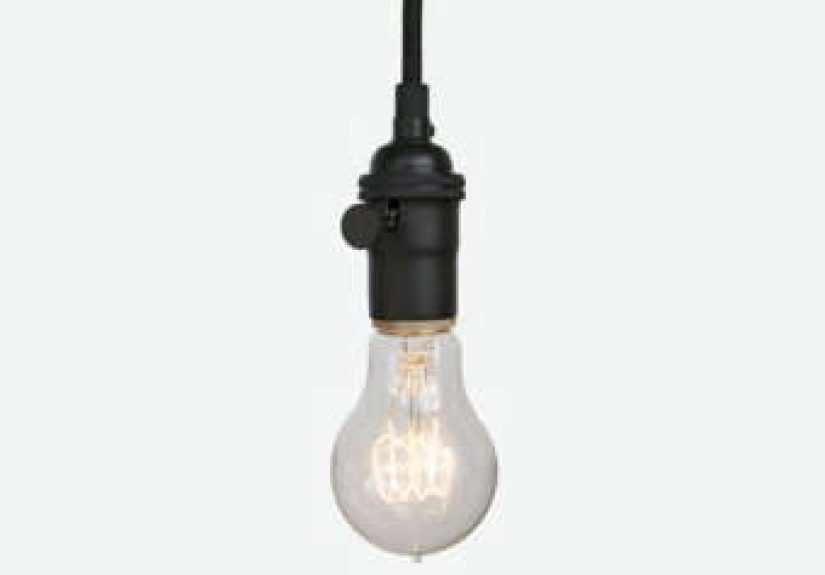
What Is a Matte Black Bare Bulb Pendant Light?
A bare bulb pendant is exactly what it sounds like: a hanging light fixture where the bulb is visible rather than hidden behind a shade.
In a matte black version, the socket, canopy, and hardware typically come in a flat or low-sheen black finish, while the bulb becomes
the “main character.” That means the bulb shape, color temperature, and dimming behavior aren’t afterthoughtsthey’re the whole show.
The appeal is twofold: visually, it’s clean and architectural; functionally, it can deliver focused light where you need it
(like over a kitchen island) without adding visual clutter. The trade-off is that exposed bulbs can cause glare if you choose the wrong bulb
or hang the fixture at the wrong height. Don’t worrywe’ll fix that.
Why Matte Black Works So Well
- It frames the bulb like a picture frame: black recedes, the light pops.
- It plays nice with most finishes (wood, white cabinets, brass accents, stainless appliances).
- It adds contrast without demanding a whole-room redesign.
- It looks modern even when the rest of your house is doing its own thing.
Where These Pendants Look Best
Bare bulb pendants work anywhere you want a fixture to feel light, airy, and graphic. They’re especially good in rooms that already have
strong shapesthink clean cabinetry, open shelving, a bold backsplash, or a statement mirror.
Top placements
- Kitchen islands & peninsulas: classic spot for a row of pendants that provides task lighting and anchors the layout.
- Dining tables: one statement pendant or a cluster can feel sculptural without blocking sightlines.
- Entryways & hallways: a minimalist pendant can brighten narrow spaces without feeling heavy.
- Bedrooms: use as bedside pendants to free up nightstand space (and stop knocking lamps over at 2 a.m.).
- Home offices: adds style and focusespecially with a dimmer and warm bulbs.
Where to be cautious
- Low ceilings: exposed bulbs can sit right in your line of sight (a glare situation).
- TV rooms: bare bulbs can reflect in screens and create “movie theater, but make it annoying.”
- Bathrooms: only if the fixture is rated appropriately for damp locations and placed thoughtfully.
How to Choose the Right Pendant: Size, Shape, and Vibe
If you’ve ever seen a tiny pendant floating above a giant island like it got lost on the way to a powder room, you already know:
scale matters. A bare bulb pendant is visually lighter than a shaded pendant, so you often need a slightly larger bulb (or a cluster)
to keep it from disappearing.
Pick a bulb style that matches your room
- Globe bulbs (G25/G30): soft, classic, flatteringgreat for kitchens and dining areas.
- Edison-style (ST19/ST64): vintage industrial vibe; best on a dimmer and usually warmer in tone.
- Tubular bulbs: sleek and modern; looks great in minimalist and contemporary spaces.
Decide how “bare” you want to go
Some fixtures are truly exposed (socket + bulb). Others add a subtle cage, stem, or small collar around the bulb.
If you love the concept but fear glare, a fixture with a modest guard or partial shade can be the best of both worlds.
Matte black finish check
Matte black can vary from “soft charcoal” to “inky black hole.” If you’re mixing with other black items (cabinet pulls, faucets, frames),
aim for a similar undertone so the room looks layerednot mismatched.
Hanging Height and Spacing: The Rules That Save Your Neck (and Your Eyeballs)
The most common regret with pendant lights isn’t the styleit’s the placement. Hang them too low and people duck. Hang them too high and they look
like they’re trying to avoid commitment. Good placement is about clearance, sightlines, and proportion.
Over a kitchen island
-
Height: A widely used standard is to hang pendants so the bottom of the fixture sits about
30–36 inches above the countertop. -
Spacing: For multiple pendants, a common guideline is about 24–36 inches on center (often around 30 inches),
or roughly 2–3 feet apart measured from the center of each shade/bulb area. -
Edge clearance: Keep pendants visually centered and leave roughly 6–12 inches from the island edge so the row
feels intentional and doesn’t crowd the ends.
Example: a 7-foot island
Let’s say your island is 84 inches long. A balanced plan might be three mini pendants with larger globe bulbs.
You’d keep the end pendants pulled in from the edges, then space the three evenly so the light spreads across the work surface.
If you only do one pendant, choose a fixture with enough visual presence (often a larger bulb or a bigger silhouette) so it doesn’t look undersized.
Over a dining table
The common target is similar: the bottom of the pendant typically lands about 30–36 inches above the tabletop.
In dining rooms, comfort mattersnobody wants to make eye contact through a chandelier like it’s a social obstacle course.
Ceiling height adjustments
If your ceilings are taller than standard, you can usually raise the fixture slightly while keeping the pendant visually connected to the surface below.
The goal is the same: plenty of clearance, no glare, and a fixture that looks like it belongs there (not like it’s hovering in protest).
Bulb Choices That Make or Break the Look
With a bare bulb pendant, the bulb is basically your lampshade. So yes, it matters. A lot.
You’re choosing brightness, mood, and whether your guests feel warmly invited… or interrogated.
Brightness: think lumens, not watts
Brightness is measured in lumens. As a rough reference, many guides equate about 800 lumens to the light output of an old
60-watt incandescent bulb, and 1,600 lumens to a 100-watt incandescent. For pendants, you can choose lower-lumen bulbs if you’re using multiple
fixtures or if you have layered lighting (recessed + under-cabinet + pendants).
Color temperature (Kelvin): choose your mood
- 2700K: warm and cozy, similar to classic incandescent light (great for most homes).
- 3000K: still warm but a bit crisper (popular in kitchens).
- 3500K+: can feel cool/clinical in living spaces unless used intentionally.
Glare control: the exposed-bulb problem (and the fix)
If you can see the filamentor a bright LED point sourceat eye level, glare happens. Options:
- Use a frosted bulb instead of clear (softer light, fewer harsh highlights).
- Choose a larger globe bulb with diffused glass to spread light more evenly.
- Add a dimmer so you can dial down brightness after meal prep.
- Hang at the right height so the bulb isn’t staring directly into your soul.
LED advantages (without the lecture)
LEDs generally use much less energy and last longer than incandescent bulbs, which matters when you have multiple pendants and you don’t want “changing bulbs”
to become your new personality. Pick quality dimmable LEDs if you’re using a dimmer switch.
Styling Tips for a Matte Black Exposed Bulb Pendant
Matte black bare bulb pendants are minimalist, but they don’t have to feel stark. The trick is to give them something to play off of:
texture, contrast, or repetition.
Quick wins
- Repeat the black: echo it in cabinet hardware, bar stools, window frames, or picture framesjust a few touches.
- Warm it up: add wood, woven textures, or warm metals (like brushed brass) for balance.
- Make the bulb intentional: match bulb shapes across multiple pendants for a clean, designed look.
- Use odd numbers (often): three pendants over an island can feel balanced and dynamic.
- Layer lighting: pendants look best when they’re not the only light source in the room.
Design pairings that work
- Modern farmhouse: matte black + warm white walls + wood tones + warm 2700K bulbs.
- Industrial: matte black + concrete/brick + clear Edison bulbs on dimmers.
- Contemporary: matte black + globe bulbs + clean lines + minimal clutter.
- Scandi: black accents + light wood + soft diffused bulbs.
Installation and Safety: Make It Pretty, Make It Safe
Pendant lights look effortless when they’re done, but the setup is electrical workso treat it that way.
If you’re not comfortable with wiring, hiring a licensed electrician is money well spent.
What to look for before you buy
- Safety certification: Look for fixtures that are listed/certified by recognized testing labs for electrical safety.
- Proper rating: Dry vs. damp location ratings matter (especially near sinks or bathrooms).
- Ceiling compatibility: sloped ceiling kits or adjustable canopies if needed.
- Dimming compatibility: if you want a dimmer, confirm the fixture and bulb are dimmable.
Common installation “oops” moments
- Not accounting for sightlines: a pendant centered perfectly on paper can still block the view across the kitchen.
- Forgetting the bulb is visible: a mismatched bulb looks like wearing athletic socks with dress shoes.
- Skipping the dimmer: bare bulbs without dimming can feel harsh at night.
- Using the wrong bulb base: verify socket type (commonly E26 in the U.S.) before ordering.
Cleaning and Maintenance: Keeping Matte Black Looking “Matte,” Not “Messy”
Matte black finishes are popular because they look modern and refined, but they can show oils and dustespecially in kitchens.
The good news: maintenance is usually simple if you avoid harsh cleaners.
Best practices
- Dust regularly with a soft, dry microfiber cloth to prevent buildup.
- For smudges, use mild soap and water on a damp cloth, then rinse with clean water and dry with a soft cloth.
- Avoid abrasive pads and harsh chemicals that can damage finishes.
Bulb upkeep
Exposed bulbs collect dust. A quick wipe (when the bulb is cool and off) keeps light output consistent and prevents that “why does my kitchen feel dim?”
mystery.
Buying Checklist: A Smart, No-Regrets Plan
Before you click “Add to Cart”
- Measure ceiling height and the surface below (island/table/floor).
- Decide: one statement pendant, a pair, or a row of three.
- Choose bulb shape first if the bulb is the focal point.
- Confirm bulb base type (commonly E26) and max wattage (or LED equivalent).
- Plan dimming (dimmer switch + dimmable bulbs).
- Check ratings (dry/damp) and certification/listing.
- Pick a finish tone that works with nearby metals and hardware.
Budget notes
Matte black bare bulb pendants exist at nearly every price point. Higher-end options often offer heavier materials, better hardware, smoother finish quality,
and more refined cord/chain systems. Budget fixtures can still look greatjust pay attention to canopy fit, cord quality, and finish consistency.
Conclusion: Why This Fixture Is a Design Cheat Code
A matte black bare bulb pendant light is one of those rare upgrades that checks the “looks good” box and the “works better” box.
It adds contrast, defines zones (especially in open layouts), and can shift a room from “fine” to “finished” without a full renovation.
Get the placement right, choose a bulb that flatters the space, and add a dimmerthen enjoy the kind of lighting that makes your kitchen feel
like the best room in the house (even if the dishwasher is making a weird noise again).
Everyday Experiences With a Matte Black Bare Bulb Pendant Light (Extra Notes & Stories)
People don’t usually talk about lighting the way they talk about couches or paint colors, but once you install a matte black bare bulb pendant,
you start noticing things. Like how your kitchen island suddenly becomes the unofficial gathering placeeven when there are perfectly good chairs
somewhere else in the house.
1) The “Why Is Everyone Standing Here?” kitchen moment
One of the most common experiences is realizing that good pendant lighting changes behavior. With two or three pendants over the island, the countertop
stops feeling like a work zone only and becomes a social magnet. Kids do homework there. Friends hover there. Someone will inevitably lean in and say,
“This lighting is nice,” which is adult code for “Your kitchen looks expensive now.” The trick is keeping the bulbs warm enough (think cozy, not surgical)
and adding a dimmer so “meal prep bright” can quickly become “after-dinner glow.”
2) The glare lesson you learn exactly once
If you choose a clear, ultra-bright bulb and hang the pendant slightly too high, you’ll discover a new hobby: squinting. Exposed bulbs can look amazing
and still be uncomfortable if the light source is too intense or too cool. Many homeowners end up swapping bulbs after the first weeknot because the fixture
is wrong, but because the bulb is. A frosted globe or a diffused LED can be the difference between “modern and sleek” and “why does my island feel like
an airport security line?”
3) The matte black “fingerprint reality check”
Matte black finishes are gorgeous, but kitchens are oily placeshands reach up, cords get nudged, dust lands on everything like it pays rent.
The experience most people report is that matte black doesn’t need constant cleaning, but it does reward quick, gentle upkeep. A soft microfiber wipe
once a week keeps the finish looking intentional. And if someone grabs the socket area with greasy hands while changing a bulb? Mild soap and water,
then dry it, and move on with your life. The goal is “clean and calm,” not “polished to a mirror,” because matte black is not trying to be shiny.
4) The “my room finally has a focal point” surprise
In a dining area, a bare bulb pendant can create that “center of gravity” feeling without a huge chandelier. People often expect a bigger fixture to make
a statement, but with exposed bulbs the statement can come from proportion, repetition, and bulb choice. A cluster of three matte black sockets with matching
globe bulbs can feel sculptural and modern, especially if the rest of the room is simple. The experience here is less about brightness and more about presence:
the pendant becomes a visual anchor that makes the table area feel like a deliberate zone rather than “the place we also eat sometimes.”
5) The rental-friendly mindset shift
For renters (or anyone cautious about big renovations), pendant lights can feel like an ambitious move. But even in a smaller space, one matte black bare bulb
pendant in the right spotover a small dining table, in a reading corner, or even centered in a studiocan make the entire place feel more designed.
People often describe this as the “one grown-up upgrade” effect: you didn’t change the cabinets, you didn’t move walls, but the room looks like it has a plan.
Pair it with a good bulb and a warm color temperature, and suddenly your space feels curated instead of temporary.
6) The “I didn’t know lighting affected my mood this much” realization
The biggest experience isn’t visualit’s emotional. Warm, dimmable pendant lighting can make evenings feel calmer. It softens hard edges, makes food look better,
and creates that cozy atmosphere that people chase with candles and throw blankets. When the pendant is bare bulb, the bulb choice becomes the mood dial.
A warm, diffused bulb can make a room feel inviting; a cool, intense bulb can make it feel tense. Most homeowners end up learning what designers already know:
light isn’t just functionalit’s the vibe manager.