Table of Contents >> Show >> Hide
- What Minwax Ebony Actually Is
- Why DIYers and Woodworkers Reach for Ebony
- Key Features That Matter in Real Projects
- Best Uses for Minwax 1 qt. Wood Finish Ebony
- How to Apply It Without Creating a Tiny Home Improvement Tragedy
- What the Color Looks Like on Different Woods
- Pros and Cons of Minwax Ebony Oil-Based Interior Stain
- Safety and Common-Sense Handling
- Is Minwax 1 qt. Wood Finish Ebony Worth Buying?
- Experience Section: What People Commonly Learn After Using Minwax Ebony
- Conclusion
If you have ever looked at a plain wood project and thought, “Nice grain, but can it be moodier?” then Minwax 1 qt. Wood Finish Ebony Oil-Based Interior Stain is probably already on your radar. This is one of those classic products that shows up in garages, workshops, and weekend DIY plans whenever someone wants wood to look richer, darker, and a little more dramatic without covering it up like paint. It is bold, practical, and just temperamental enough to keep you humble.
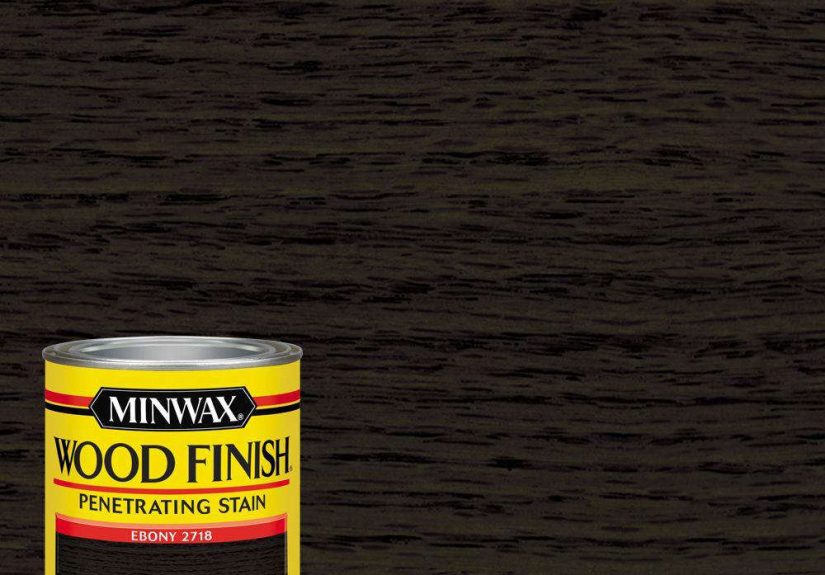
Minwax Ebony is an oil-based, semi-transparent interior wood stain designed to soak into bare or stripped wood, deepen the color, and still let the grain show through. That last part matters. This is not a flat black paint pretending to be sophisticated. It is a penetrating stain, which means the finished look depends heavily on the wood species, the sanding, the prep, and whether you approached the project with patience or with the confidence of a person who says, “Testing on scrap is for cowards.” Spoiler: testing on scrap is not for cowards. It is for people who enjoy fewer regrets.
What Minwax Ebony Actually Is
At its core, Minwax Wood Finish Ebony is a fast-drying, oil-based interior stain sold in a one-quart can. A quart typically covers roughly 125 to 150 square feet under ideal conditions, which is enough for many small furniture projects, a set of cabinet doors, trim, or a modest table top. It is commonly used on unfinished furniture, cabinets, doors, trim, molding, and even hardwood floors when paired with the right finishing system.
One reason the product stays popular is its balance of color depth and usability. It is marketed as a one-coat stain, and in many cases that is exactly how it performs. It also dries faster than many people expect from an oil-based formula, which makes it attractive for DIYers who want to stain today and keep the project moving instead of staring at tacky wood until next season.
Why DIYers and Woodworkers Reach for Ebony
Ebony has a very specific personality. It is darker than walnut, more dramatic than espresso, and generally less flat-looking than plain black finishes. On open-grain woods like oak or ash, it can create a striking, modern look while still highlighting texture. On smoother woods like maple or birch, it can look sleek and contemporary, though prep becomes much more important. On pine, it can go from charmingly rustic to “Why does this shelf look like a weather map?” if you skip conditioning.
That range is both the appeal and the challenge. Ebony does not erase wood character; it amplifies whatever is already happening. If the wood is beautiful, the stain can look stunning. If the wood is blotchy, uneven, or poorly sanded, Ebony will cheerfully introduce those issues to everyone in the room.
Key Features That Matter in Real Projects
1. Rich, penetrating color
The formula is designed to sink into the wood rather than sit on top of it. That helps create a deeper, more natural-looking tone than an opaque coating. On the right board, the result feels less like “black wood” and more like “luxury wood that has seen things.”
2. Semi-transparent finish
This is important for anyone chasing a designer look. Semi-transparent means the grain still shows through, so the wood remains wood. You get color and character together, which is exactly why stain keeps winning arguments against paint in so many furniture projects.
3. Fast dry time for an oil-based stain
Minwax lists a roughly two- to three-hour dry and recoat window under normal conditions. That does not mean you should rush the next step like a caffeinated game-show contestant, but it does mean a project can move along quickly when temperature and ventilation are working in your favor.
4. One-coat performance
One coat is generally recommended, and that is good news because darker stains can get muddy fast when overworked. If you want a deeper tone, a second coat after adequate drying can help, but it should be a deliberate choice rather than an emotional response to staring at wet wood under bad garage lighting.
5. Mineral spirits cleanup
This is standard oil-based territory. Brushes, rags, and messes clean up with mineral spirits, not soap and water. That is normal, but it is also your reminder that this is a real solvent-based product, not a polite craft-store glaze in a cute bottle.
Best Uses for Minwax 1 qt. Wood Finish Ebony
This stain works especially well for furniture makeovers, interior trim, built-ins, cabinets, shelving, and accent pieces. It is a strong choice when you want contrast in a room with lighter walls, brass fixtures, or white cabinetry. Ebony can make a plain oak bench feel modern, give a thrifted side table actual dignity, and turn builder-grade trim into something that looks far more intentional.
It also shines on projects where visible grain matters. Oak takes ebony beautifully because the open pores help create that dramatic dark-with-texture effect many people love. Ash behaves similarly. Maple and birch can look elegant, but they are more likely to stain unevenly, so they benefit from extra prep and pre-stain conditioner. Pine can absolutely work, but it needs patience, testing, and sometimes a sense of humor.
How to Apply It Without Creating a Tiny Home Improvement Tragedy
Start with bare or stripped wood
Stain needs open pores to penetrate. If the wood still has an old finish on it, the stain will not magically power through and transform it. It will mostly sit there and disappoint you. Sand the surface properly, beginning with a medium grit and working up to a fine grit, usually around 220 for final prep on many projects. Always sand with the grain and remove the dust thoroughly before you do anything else.
Use a pre-stain wood conditioner when appropriate
Minwax specifically recommends oil-based pre-stain wood conditioner for more even results, especially on soft or porous woods such as pine, alder, birch, and maple. This step helps reduce blotching and streaking by evening out absorption. If you have ever stained pine without conditioner and then stared silently at the result, you already understand the value here.
Stir well and test first
Dark stains rely on suspended pigments, so stirring matters. Test the stain on a hidden area or scrap piece from the same wood species before committing to the full project. Ebony can look charcoal on one board, chocolate-black on another, and nearly custom on quarter-sawn oak. The wood always gets a vote.
Apply generously, then wipe off the excess
You can apply with a brush or a clean cloth. Work in manageable sections, follow the grain, and keep a wet edge so lap marks do not form. After the stain has had a short time to penetrate, wipe off the excess with a clean rag. Leaving too much on the surface can create a sticky mess, dull the grain, and make the finish look heavier than intended.
Topcoat for durability
Here is the grown-up truth of wood finishing: stain provides color, but a protective topcoat provides the real wear resistance. For tabletops, cabinets, doors, or floors, a clear finish such as polyurethane is the smart follow-up once the stain has dried appropriately. If the project is going to be touched, cleaned, leaned on, dragged across by keys, or introduced to coffee mugs, protect it.
What the Color Looks Like on Different Woods
Oak: Probably the star of the show. Ebony on oak often produces dramatic dark pores and a high-contrast grain pattern that feels both classic and modern.
Ash: Similar to oak in openness and definition. Great for contemporary furniture and statement pieces.
Maple: Can look sleek and elegant, but may blotch if not conditioned. Sample boards are your best friend here.
Birch: Also prone to uneven absorption. Prep and conditioner matter a lot.
Pine: Rustic and unpredictable. Can be beautiful, can be blotchy, can also make you suddenly interested in distressing techniques.
Walnut: Already dark, so Ebony tends to deepen and mute rather than dramatically transform. Great if you want a richer, moodier brown-black tone.
Pros and Cons of Minwax Ebony Oil-Based Interior Stain
Pros
- Deep, dramatic color that still lets the grain show.
- Works on a wide range of interior wood projects.
- Fast dry time for an oil-based formula.
- One coat is often enough.
- Widely available and familiar to both DIYers and pros.
Cons
- Strong fumes mean ventilation is not optional.
- It is flammable and must be handled with care.
- Dark colors exaggerate sanding mistakes and uneven absorption.
- Softwoods can blotch without conditioner.
- Oil-soaked rags require careful disposal because of spontaneous combustion risk.
Safety and Common-Sense Handling
This is not the part of the article where everyone gets wildly entertained, but it is the part that keeps your project from becoming a cautionary tale. Minwax Ebony is a solvent-based, flammable product. Use it with good ventilation, keep it away from heat and sparks, and avoid breathing the vapors. Wear gloves and eye protection, especially if your normal finishing style involves a lot of “I’ll just wipe this little bit with my hand.” No. You will not.
The biggest safety point is rag disposal. Oil-soaked rags and steel wool can heat up and ignite if left in a pile. Spread them out to dry safely or place them in a sealed, water-filled metal container according to local disposal rules. This sounds dramatic because it is dramatic. Finishing products are wonderful right up until they try to become a fire.
Is Minwax 1 qt. Wood Finish Ebony Worth Buying?
If you want a dark interior wood stain that is accessible, proven, and capable of producing beautiful results, Minwax Ebony remains a strong choice. It is especially good for people who want a deep, stylish finish without losing the natural grain. Its best results come from good prep, realistic expectations, and respecting the fact that wood species matter just as much as stain color.
In other words, this is not a miracle in a can. It is better than that. It is a dependable finishing product that rewards careful work. Treat it like a shortcut, and it may humble you. Treat it like a real finishing system, and it can make ordinary wood look far more expensive than it really was.
Experience Section: What People Commonly Learn After Using Minwax Ebony
One of the most common experiences with Minwax 1 qt. Wood Finish Ebony Oil-Based Interior Stain is surprise at how different it looks from one wood board to the next. Someone buys one can, one brush, and one glorious vision. Then the oak coffee table looks dramatic and elegant, while the pine shelf looks like it joined a punk band. That does not mean the stain failed. It means the wood had opinions.
On oak, many users end up delighted. The dark pigment settles into the open grain, the texture remains visible, and the piece suddenly looks custom. A basic red-oak side table from a flea market can go from “college apartment survivor” to “modern accent piece” with one careful afternoon of sanding, staining, and wiping. It is the kind of result that makes people start saying dangerous things like, “Maybe I should refinish all the furniture.” This is how garages fill up.
On pine, the learning curve gets steeper. People often notice that the first coat goes on darker in some spots and lighter in others, especially around knots and soft areas. That is usually the moment when pre-stain wood conditioner stops sounding optional and starts sounding like wisdom. Once users apply conditioner properly and test on scrap first, the second attempt is usually much better. The lesson is simple: Ebony is stunning, but it is not a babysitter.
Another very real experience is discovering how much lighting changes the color. Under bright daylight, Ebony may read as a soft charcoal-brown with visible grain. Under warm indoor bulbs, it can shift richer and darker, almost like black coffee with a secret. This is why experienced finishers keep moving the sample board around the room before making a final decision. What looks perfect in the workshop may feel too cold, too warm, or too intense once the piece moves indoors.
Users also tend to remember the wiping stage. The first instinct is often to leave more stain on the wood because darker feels better in the moment. But too much leftover stain can muddy the look and leave tacky areas that dry slowly. People usually get their best results when they apply generously, let it penetrate briefly, and then wipe with confidence. Not panic-wiping. Not half-hearted dabbing. A clean, firm wipe that leaves the color in the wood instead of puddled on top of it.
Then there is the smell, which every oil-based stain user recognizes immediately. It is the unmistakable scent of “open the windows now.” Most people who use this product more than once quickly develop a routine: gloves on, ventilation running, drop cloths down, mineral spirits nearby, rags managed responsibly, and no open flames anywhere in sight. It is not glamorous, but it is part of using the product like an adult.
Finally, many users say the most satisfying part comes after the topcoat goes on. That is when Ebony often gains clarity and depth, especially on furniture. The grain pops, the color settles, and the project stops looking like a stained board and starts looking like a finished piece. That transformation is why Minwax Ebony keeps getting chosen. It can be a little fussy, yes. But when the prep is right, the final look is absolutely worth the trouble.
Conclusion
Minwax 1 qt. Wood Finish Ebony Oil-Based Interior Stain remains a favorite because it hits a sweet spot between accessibility and dramatic results. It is easy to find, straightforward to use, and capable of producing a high-end look on everything from furniture to trim when applied correctly. The secret is not magic. It is prep, testing, even application, safe handling, and a willingness to let the wood help tell the story. Do that, and Ebony can deliver the kind of finish that makes people ask where you bought the piece instead of whether you made it.