Table of Contents >> Show >> Hide
- Why Pallet Boards and Nursery Pots Work So Well Together
- Before You Build: The Boring Stuff That Saves the Whole Project
- Design Rules That Make These Planters Look Better
- Creative Ideas for More Pallet Board & Nursery Pot Planters
- Best Plant Pairings for This Style of Planter
- How to Keep Pallet Board and Nursery Pot Planters Thriving
- Common Mistakes to Avoid
- What Real Experience Teaches You About These Planters
- Conclusion
If regular flowerpots feel a little too ordinary and store-bought planters make your wallet whimper, pallet board and nursery pot planters are the kind of DIY solution that feels both clever and practical. They are budget-friendly, flexible, easy to customize, and surprisingly forgiving for gardeners who are long on enthusiasm and short on patience. In other words, they are the golden retrievers of the container-gardening world.
The beauty of this style is simple: pallet boards give you structure, texture, and that slightly rustic “I definitely know what I’m doing” look, while nursery pots handle the actual growing job. That means you get the charm of custom woodwork without forcing every plant to live directly inside a wooden box that may eventually rot, warp, crack, or stage a dramatic collapse during tomato season.
Done well, these planters are useful for herbs, annual flowers, lettuce, strawberries, succulents, patio peppers, dwarf tomatoes, and even privacy screens packed with ornamental grasses. Done poorly, they become a leaning tower of soggy basil and regret. So let’s aim for the first option.
Why Pallet Boards and Nursery Pots Work So Well Together
Pallet board planters are popular because they make vertical gardening and small-space gardening easier. Nursery pots, meanwhile, are lightweight, easy to replace, and already designed with drainage in mind. Putting the two together creates a smart system: the pallet structure gives your display shape, and the pots act like removable inserts.
That removable-pot setup matters more than many beginners realize. It lets you swap out plants by season, pull out a struggling plant before it infects the whole arrangement, refresh potting mix without dismantling the frame, and move tender plants when the weather starts acting like it has personal issues. It is also a great way to reuse plastic nursery pots that would otherwise pile up in the garage until they form their own zip code.
Another advantage is control. Different plants have different needs, and individual nursery pots help you manage moisture, soil type, and root space more precisely. Instead of forcing rosemary, mint, and petunias into one chaotic communal arrangement, you can give each plant a setup that makes sense.
Before You Build: The Boring Stuff That Saves the Whole Project
Choose Safe Pallet Wood
Not every pallet deserves a second life as a planter. For edible gardening, the safest choice is a pallet marked HT for heat-treated, or sometimes DB-HT. Avoid pallets marked MB, which indicates methyl bromide treatment. That is not the kind of surprise ingredient you want anywhere near your salad greens. Unmarked pallets also deserve skepticism, especially if you do not know where they came from or what they carried.
Even with heat-treated pallets, inspect the wood carefully. Skip boards that smell strange, show oil stains, have obvious mold, or look like they survived a forklift bar fight. For ornamental planters you can be slightly more flexible, but for herbs, lettuce, strawberries, and other edible crops, caution is the smarter aesthetic.
Drainage Is Not Optional
Container planters need drainage holes. Full stop. If your nursery pots already have them, great. If you are using decorative outer sleeves, crates, or cachepots, make sure trapped water has a way to escape or that the growing pot can be lifted out and drained. Cover large holes with screen, mesh, or even a small filter material if needed. Do not add gravel in the bottom and call it engineering. That old trick sounds wise, but it often creates wetter conditions around roots instead of solving the problem.
Use Potting Mix, Not Garden Soil
This is one of the biggest differences between a planter that thrives and one that turns into compacted muck. Garden soil is too heavy for containers. A good container mix should be light, airy, moisture-retentive, and well drained. In plain English, roots need water, but they also need oxygen. When the medium compacts, roots sulk.
Look for a quality potting mix or soilless mix. If you are filling many pots, moisten the mix before planting so it does not repel water at the worst possible moment. Dry potting mix can behave like a sponge with trust issues.
Clean Reused Nursery Pots
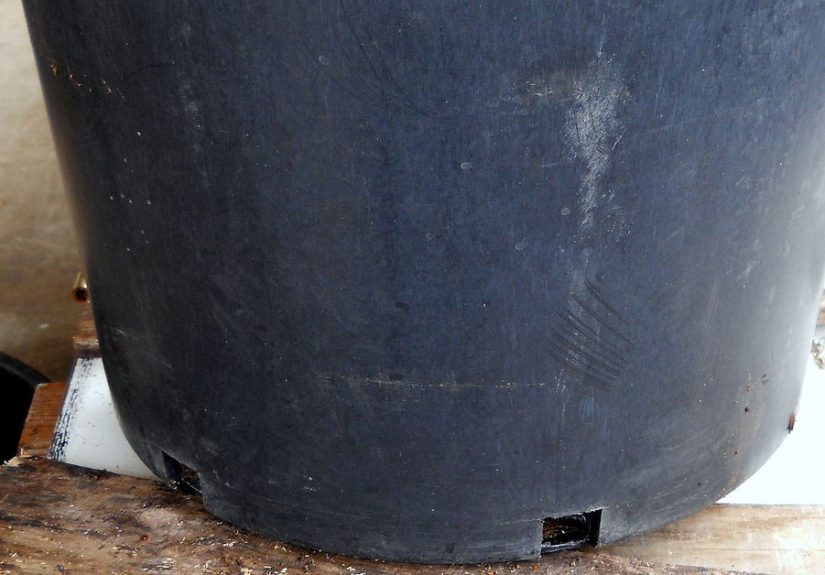
Reusing nursery pots is smart, economical, and better than sending a mountain of black plastic into the great unknown. But reuse them properly. Scrub off old soil, wash the pots, and disinfect them before replanting. A common method is soaking them in a bleach solution made with one part household bleach to nine parts water for at least 10 minutes, then rinsing well. It is not glamorous, but neither is spreading disease from last year’s sad petunia experiment to this year’s hopeful basil.
Design Rules That Make These Planters Look Better
Build Around Removable Pots
Instead of filling a whole pallet box with soil, create openings, rails, shelves, or slings that hold individual nursery pots. This makes maintenance easier and extends the life of the wooden structure. Wood can frame the beauty; plastic can handle the mess.
Match Pot Size to Plant Ambition
Small herbs, shallow-rooted greens, and compact annuals can live happily in modest nursery pots. Larger crops like tomatoes, peppers, cucumbers, and eggplant need significantly more room. A good rule is to go as large as you reasonably can. More soil means more root room, more stable moisture, and fewer emergency watering sessions that begin with, “Why does everything look dramatic today?”
Group Plants by Water Needs
One of the best ways to keep a mixed planter healthy is to group plants with similar moisture preferences. Basil, parsley, mint, and cilantro usually want more consistent moisture. Rosemary, thyme, lavender, and oregano are happier drying out a bit between waterings. Mix those care styles carelessly and somebody will complain. Usually in crispy leaf form.
Use Height on Purpose
Pallet board planters are ideal for vertical interest. Tall plants can act as a focal point, mid-sized plants fill the center, and trailing plants soften edges. Gardeners often call this the thriller, filler, spiller approach, and it works because it gives containers shape instead of making them look like a random plant reunion.
Creative Ideas for More Pallet Board & Nursery Pot Planters
1. The Wall-Mounted Herb Ladder
Mount horizontal pallet slats to a fence or wall and attach narrow shelves or pot holders between them. Slide in nursery pots of basil, thyme, parsley, and chives. This is great for patios and balconies because it uses vertical space while keeping kitchen herbs close enough to snip during cooking. Just do yourself a favor and give mint its own separate pot. Mint does not share. Mint conquers.
2. The Porch-Friendly Pot Sleeve Display
Build simple wooden sleeves from pallet boards that hide plain black nursery pots. Suddenly your bargain garden-center finds look curated instead of accidental. Use three or five grouped at varying heights for a layered front-porch display. This works beautifully with coleus, petunias, angelonia, sweet potato vine, and ornamental grasses.
3. The Rolling Salad Station
Create a low pallet frame on casters and drop in nursery pots or grow bags filled with lettuces, arugula, spinach, and dwarf kale. Because the containers are mobile, you can chase the sun in spring and dodge brutal summer heat. It is like giving your greens a little rolling apartment with excellent ventilation.
4. The Privacy Screen Planter
Stand pallet boards vertically and reinforce them into a narrow row planter that holds large nursery pots at the base. Plant tall ornamental grasses, compact cannas, salvia, or other upright annuals for height. This works especially well on patios where you want a little screening without building something permanent and weirdly aggressive.
5. The Strawberry and Flower Pocket Wall
Attach rows of small nursery pots or cut-in pot rings to a pallet frame and use them for strawberries, calibrachoa, alyssum, or trailing herbs. Keep the top row for sun-loving plants and the lower rows for varieties that appreciate a bit of shade from their upstairs neighbors. It is compact, productive, and charming enough to make visitors ask if you “saw it online,” which you technically did not, because now it is your idea too.
6. The Patio Pepper Rack
Use a pallet back with sturdy side supports and add shelves deep enough for medium nursery pots. Fill them with peppers, dwarf tomatoes, compact eggplant, and basil. The structure keeps the arrangement tidy while the individual pots make crop rotation and replanting easy. Bonus: harvesting dinner from something you built yourself feels wildly competent.
7. The Succulent Frame
For a lower-maintenance option, build a shallow pallet-board frame that holds small nursery pots snugly behind a front lattice or slatted face. Fill it with succulents, sedums, echeverias, and small trailing varieties. Because each plant stays in its own pot, you avoid turning the whole frame into one giant overwatered science project.
8. The Mixed Pollinator Corner
Use pallet sleeves and grouped nursery pots to create a pollinator-friendly cluster near a seating area. Choose a tall thriller such as an upright grass or flowering annual, add mounding fillers, and finish with spillers that soften the edges. This style looks intentional, attracts movement and color, and turns a blank patio corner into an actual destination instead of a place where the broom goes to think.
Best Plant Pairings for This Style of Planter
Edible Combo
Try basil, parsley, chives, leaf lettuce, and a compact pepper. Keep the pepper in the largest pot, and group the leafy herbs where watering is easiest. This gives you an attractive kitchen-garden feel without pretending one tiny pot can support a tomato jungle.
Drought-Tolerant Combo
Rosemary, thyme, oregano, lavender, and trailing sedum make a smart lineup for sunnier, drier locations. Use terra-cotta or similarly breathable pots if you tend to overwater. Many gardeners do. The hose is fun. The roots disagree.
Flowering Combo
Use a tall focal plant, a medium mounder, and a trailing edge plant. Think upright color, steady bulk, and a soft cascade. This creates the layered look that makes even a small DIY project feel professionally styled.
How to Keep Pallet Board and Nursery Pot Planters Thriving
Water consistently, but not blindly. Stick a finger into the potting mix and check before reaching for the watering can like a dramatic movie prop. Smaller pots dry out faster than larger ones, and dark plastic nursery containers can heat up quickly in full sun.
Feed container plants regularly. Even if your potting mix starts with fertilizer, watering gradually washes nutrients away. After the first few weeks, most container gardens benefit from a steady feeding routine with an all-purpose fertilizer or a slow-release option, depending on the plants and your maintenance style.
Rotate pots as needed for even growth. Replace or restain pallet boards when they weather. Refresh potting mix when it becomes tired, compacted, or overly root-bound. And every so often, step back and edit the arrangement. Not every plant needs to stay just because you paid for it. Some plants are stars. Others are supporting actors. A few are background extras who keep stealing water and doing nothing for the plot.
Common Mistakes to Avoid
- Using mystery pallets for edible planters.
- Stuffing large crops into undersized pots.
- Skipping drainage holes or trapping pots in water.
- Adding gravel at the bottom instead of fixing the real drainage problem.
- Using heavy garden soil instead of potting mix.
- Mixing thirsty herbs with drought lovers.
- Reusing dirty nursery pots without disinfecting them.
- Building a beautiful planter that is impossible to water or move.
What Real Experience Teaches You About These Planters
After you build a few pallet board and nursery pot planters, you start noticing the difference between what looks good on day one and what still works in week eight. At first, most people focus on the structure. They think about the pallet wood, the spacing, the paint color, and whether the whole thing looks rustic, modern, or somewhere in the neighborhood of “I had leftover screws and confidence.” But once the planting begins, the real lessons show up fast.
The first lesson is that convenience wins. A planter that looks amazing but makes watering awkward will eventually become annoying. If the back row is impossible to reach or the lowest pots sit in trapped runoff, the design starts fighting you. A simple layout with removable nursery pots usually performs better over time because you can lift, rotate, prune, repot, and replace without taking apart the whole display. In real gardening life, flexibility is not just helpful. It is survival.
The second lesson is that plants expose bad planning immediately. A tiny nursery pot may look neat in a pallet rack, but a fast-growing basil or pepper will tell you the truth within a couple of weeks. It either thrives, or it starts sending passive-aggressive signals through yellow leaves and droopy stems. Bigger pots are not always prettier at first, but they are usually kinder. More root room means steadier moisture, fewer feeding problems, and less panic during hot weather.
You also learn that matching plants by water needs is not optional. Many beginners create a cute mixed arrangement with rosemary, mint, basil, and lavender because all the labels say “full sun” and optimism is powerful. Then one plant gets crispy, one plant gets soggy, one plant gets leggy, and mint begins plotting territorial expansion. Experience teaches you to separate the divas from the stoics. Once you do, maintenance becomes easier and the whole planter looks better.
Another thing that becomes obvious over time is that reused nursery pots are incredibly useful. They are not glamorous, but they are practical in the best possible way. You can stage seedlings, test combinations, move plants out of bad weather, and swap out seasonal color without rebuilding anything. The pallet frame becomes your display system, while the nursery pots become your working system. One brings charm; the other brings logic. Together, they save money and reduce waste without sacrificing style.
And then there is the emotional side of it, which nobody mentions enough. These planters invite tinkering. They make you notice your space more closely. A bare fence becomes a vertical herb garden. A dull patio corner becomes a layered flower display. A stack of plain nursery pots becomes possibility instead of clutter. The project feels approachable because it is never truly finished. You can repaint a board, change a pot, swap parsley for petunias, or pull out a failed plant and try again. That is part of the charm. Pallet board and nursery pot planters do not demand perfection. They reward curiosity, small improvements, and the willingness to laugh when your “easy weekend project” quietly becomes a whole gardening personality.
Conclusion
More pallet board and nursery pot planters are not just another DIY trend floating around the internet in a cloud of reclaimed wood and unrealistic confidence. They are genuinely practical garden solutions for people who want flexibility, thrift, and style in the same project. With safe pallet selection, proper drainage, good potting mix, clean reused pots, and thoughtful plant pairing, you can build planters that look great and actually support healthy growth.
The best part is that these projects scale beautifully. You can make one tiny herb display for a balcony, a rolling vegetable rack for a patio, or a full vertical planter wall that turns a plain outdoor area into something memorable. Start simple, use removable pots, give roots enough room, and let experience shape the next version. Your plants will be happier, your project will last longer, and your porch may become suspiciously photogenic.