Table of Contents >> Show >> Hide
- What Is a Natural Leather Tote, Exactly?
- Why the Natural Leather Tote Still Wins
- Understanding the Leather Before You Buy
- How to Spot a Great Natural Leather Tote
- Best Uses for a Natural Leather Tote
- How to Style a Natural Leather Tote
- How to Care for a Natural Leather Tote
- How to Store It Without Regret
- Is a Natural Leather Tote Sustainable?
- Who Should Buy One?
- Final Thoughts
- Real-Life Experiences With a Natural Leather Tote
A natural leather tote is one of those rare accessories that can look perfectly at home in a boardroom, a bookstore, an airport, and a coffee shop where someone is absolutely pretending to work on a screenplay. It is practical without being boring, polished without trying too hard, and durable enough to become less of a bag and more of a sidekick. In a market crowded with synthetic lookalikes, logo-heavy statement pieces, and flimsy carryalls that panic at the sight of a laptop, the natural leather tote remains a classic for a reason.
What makes it special is not just the material. It is the combination of strength, texture, structure, and personality. A good natural leather tote can hold your essentials today and still look better next year. It picks up character instead of just damage. It softens where you use it, deepens in color where you touch it, and slowly turns into an object that feels distinctly yours. That is not marketing magic. That is simply what quality leather tends to do when it is made well and used often.
What Is a Natural Leather Tote, Exactly?
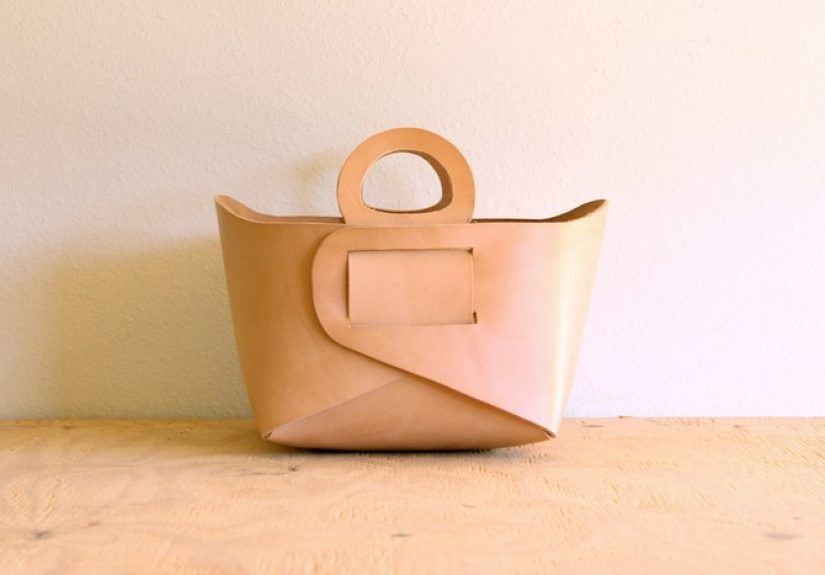
At its simplest, a natural leather tote is a carryall made from real leather with a relatively clean, honest finish. The word natural usually suggests that the leather is not overly corrected or disguised. Instead of being coated so heavily that it looks like plastic wearing a leather costume, the surface often keeps some of its original grain, texture, and markings.
That means slight variations are not flaws. They are part of the charm. Tiny scars, subtle wrinkles, grain shifts, and gentle color changes are reminders that the material came from a hide, not a chemistry experiment. If your tote looks a little too perfect, too shiny, and too identical to every other bag on the shelf, it may be less “natural leather” and more “convincing impersonator.”
Most natural leather totes fall into a few broad categories. Full-grain leather keeps the outermost layer more intact and is often prized for strength and patina. Top-grain leather is usually sanded or refined for a smoother, more even appearance. Both can be good choices, but they deliver different personalities. Full-grain tends to age with more visible character. Top-grain often feels a little more polished out of the box.
Why the Natural Leather Tote Still Wins
The biggest reason people keep coming back to a natural leather tote is longevity. Trend bags are fun, but a tote is supposed to work for a living. It has to carry your wallet, notebook, charger, sunglasses, snack, and the mysterious receipt collection that multiplies when nobody is looking. Leather handles this daily chaos better than many synthetic materials because it combines flexibility with toughness.
Then there is the style factor. A natural leather tote does not scream for attention. It does not need rhinestones, motivational slogans, or hardware that looks like it belongs on a submarine. It wins through quiet competence. Put it next to denim and sneakers, and it looks effortless. Pair it with trousers and loafers, and suddenly you look suspiciously organized.
Another advantage is the way leather ages. Many materials simply wear out. Natural leather tends to wear in. The best totes become softer, richer, and more personal over time. That aging process, often called patina, is one of the main reasons people treat a great leather bag less like a purchase and more like an investment.
Understanding the Leather Before You Buy
Full-Grain Leather
Full-grain leather is the overachiever of the leather world. It keeps more of the natural grain intact, which helps preserve strength and allows the surface to develop character over time. If you like the idea of a tote that starts crisp and handsome, then slowly becomes softer and more individual, full-grain is usually the dream.
This leather is not always perfectly uniform, and that is the point. It may show natural marks and variation. For shoppers who want flawless symmetry, that can feel unfamiliar. For shoppers who want authenticity, it is the whole romance.
Top-Grain Leather
Top-grain leather is often refined for a more even appearance. It can feel smoother, more polished, and slightly more resistant to staining than very raw-looking leather. It is still a strong material, and it often works beautifully for totes designed for office use, dressier settings, or buyers who want that “put-together on day one” look.
If full-grain leather is the ruggedly charming lead in an indie film, top-grain is its better-groomed cousin who actually answers emails on time.
Tanning Matters More Than Most People Realize
Leather is not just about grade. Tanning also affects how a tote feels, looks, and ages. Vegetable-tanned leather is often admired for the way it deepens in tone and develops rich patina. It can start firmer and become more beautiful with use. Chrome-tanned leather is often softer, more flexible, and easier for brands to shape into lightweight everyday bags. Some leathers use a combination approach to balance softness, durability, and aging.
That is why two natural leather totes can look similar online but feel completely different in real life. One may be structured and crisp. Another may slouch in a lovely, relaxed way. Neither is automatically better. The right choice depends on whether you want your tote to behave like a disciplined coworker or a stylish friend who is always five minutes late but somehow still looks amazing.
How to Spot a Great Natural Leather Tote
Look at Construction, Not Just Color
A beautiful shade of tan means nothing if the bag is built like a cardboard promise. Start with the handles. They should feel secure, evenly attached, and comfortable in the hand or over the shoulder. Reinforcement matters because the handle area takes the most abuse. If a tote is going to haul a laptop, water bottle, and half your emotional support items, those stress points need to be ready.
Next, check the seams. Fewer, cleaner panels can mean fewer weak points. Strong stitching, quality thread, and sturdy hardware also matter. A well-made tote does not need twenty flashy design tricks. It needs intelligent construction.
Pay Attention to Shape and Interior Function
Think about how you actually live. Do you commute with a laptop? Travel often? Need a secure closure? Toss your keys into bags and then spend ten minutes digging like an archaeologist? These questions matter more than whatever color is trending this season.
A strong natural leather tote often shines in the details: a zip closure for travel, a key loop, interior slip pockets, a laptop sleeve, or enough structure to stand on its own. Some people love open-top totes because they are easy to reach into. Others want a zipper because airports, trains, and gravity are not always kind. There is no universal winner, only the tote that best matches your daily habits.
Best Uses for a Natural Leather Tote
One reason this bag category remains so popular is versatility. A natural leather tote can be a work bag, travel bag, daily purse, errand companion, or weekend carryall. It adapts well because it sits at the sweet spot between fashion and function.
For work, it can hold a laptop, charger, notebook, cosmetics pouch, and all the little things that apparently cannot stay in one place. For travel, it becomes a polished personal item that looks grown-up while still being practical. For everyday use, it is roomy enough to hold life’s usual clutter without making you feel like you are carrying camping equipment.
It also transitions well between seasons. Canvas can read casual. Nylon can look sporty. A natural leather tote lands in a more flexible middle ground. It feels polished in fall and winter, but it still works with spring dresses or summer denim.
How to Style a Natural Leather Tote
The easiest way to style one is to stop overthinking it. A natural leather tote already carries enough visual interest through texture and shape. You do not need to pair it with an outfit that looks like it took three mood boards and a minor identity crisis to assemble.
For workwear, a structured tote in tan, cognac, chocolate, or black pairs beautifully with trousers, button-downs, loafers, or a simple knit dress. For casual days, slouchier leather works well with denim, a white tee, boots, and a long coat. For travel, the tote looks smart with leggings and a blazer, which is fashion’s way of saying, “Yes, I am comfortable, but I still have standards.”
Natural tones are especially useful because they play well with everything. Brown shades feel warm and timeless. Black looks sharp and urban. Deep olive, burgundy, and saddle tones add character without becoming difficult to wear.
How to Care for a Natural Leather Tote
Leather is durable, but it is not invincible. It likes consistency, not chaos. The good news is that caring for a tote does not need to become a spiritual practice. A simple routine goes a long way.
Weekly and Monthly Maintenance
If you use your tote every day, wipe it down regularly with a soft, slightly damp cloth to remove dust and surface grime. A deeper clean every month or so is usually enough for a daily bag. If you rotate bags and use the tote only occasionally, a more relaxed schedule works fine.
Use Gentle Products
Avoid attacking your tote with harsh household cleaners, alcohol-heavy wipes, or random miracle sprays from the back of a cabinet. Leather responds better to gentle treatment. Mild soap, distilled water, or a leather-safe cleaner is usually the better route. When in doubt, test any product on a small hidden area first.
Condition, But Do Not Smother
Conditioner helps keep leather from drying out, especially in dry climates or after exposure to the elements. But more is not always better. Over-conditioning can leave residue or change the finish in ways you did not invite. A light application once or twice a year is often enough, though climate and leather type may change that.
Respect Water and Sunlight
Natural leather is not thrilled by surprise downpours, spilled coffee, or hours baking in direct sun. If the tote gets wet, blot it gently and let it air-dry naturally. Do not speed the process with a hair dryer, heater, or sunny windowsill. Leather likes patience more than panic.
How to Store It Without Regret
Storage matters more than people think. An excellent tote can lose shape, dry out, or pick up creases if stored carelessly. Before putting it away, empty the contents, wipe it clean, and lightly stuff it with acid-free tissue paper or other soft filler to help it keep its shape.
Then place it in a breathable dust bag, ideally cotton or linen, and store it in a cool, dry place away from direct light. Avoid sealing leather in plastic bins or airtight containers where moisture can get trapped. That may sound neat and organized, but leather tends to prefer breathing over suffocating politely in the dark.
Is a Natural Leather Tote Sustainable?
This question deserves a real answer, not a dramatic sigh and a vague promise. Leather is complicated. It is not impact-free, and responsible buyers should be honest about that. At the same time, a well-made leather tote can last for years, sometimes decades, which gives it an advantage over poorly made bags that are replaced constantly.
If sustainability matters to you, focus on durability, repairability, and sourcing transparency. Look for brands that discuss tannery practices, responsible manufacturing, or recognized certifications for leather processing. Buying one bag that lasts a long time is usually smarter than buying three disposable ones that fail before they earn sentimental value.
Who Should Buy One?
A natural leather tote makes sense for people who want one hardworking bag that can do many jobs well. It is ideal for commuters, students, travelers, minimalists, and anyone tired of replacing flimsy bags every year. It is also a great choice for people who appreciate materials that age gracefully instead of staying frozen in factory perfection.
It may not be right for someone who wants an ultra-lightweight gym bag, a fully weatherproof adventure bag, or a trend-driven piece they plan to replace next season. Leather rewards commitment. If you want a loyal companion, wonderful. If you want a bag fling, maybe look elsewhere.
Final Thoughts
The best natural leather tote is not just attractive on a product page. It works hard, ages beautifully, and becomes more useful with time. It has enough room for real life, enough style for almost any setting, and enough material integrity to earn its keep year after year.
That is why this type of bag remains so appealing. It is not loud. It is not gimmicky. It does not need to reinvent itself every season. A great natural leather tote simply shows up, does the job, and somehow looks better while doing it. Honestly, that is more than can be said for most people before coffee.
Real-Life Experiences With a Natural Leather Tote
Living with a natural leather tote is different from owning one for decorative purposes, which is an important distinction because many bags look amazing online and then panic the moment they meet daily life. A natural leather tote tends to reveal its value slowly. The first week is usually about admiration. You notice the texture, the smell, the way the leather catches light, and the satisfying structure when you set it down on a desk. Then the honeymoon phase ends and real life begins. That is actually where the tote gets interesting.
On a weekday commute, the bag starts proving itself in small ways. It fits a laptop without looking like luggage. It holds a notebook, charger, wallet, lip balm, sunglasses, and maybe a snack you swore would be healthy until a pastry entered the chat. Over time, you begin to appreciate little things more than flashy design: handles that do not dig into your shoulder, a base that does not collapse, a pocket that keeps your keys from vanishing into the abyss, and a closure that saves your belongings from performing acrobatics on public transit.
Travel is where many people truly fall in love with a leather tote. At the airport, it feels polished enough to pair with a blazer and forgiving enough to survive being packed with all the extra items you forgot to organize. It becomes a personal item, then a work bag, then an overnight companion. A good tote handles these identity changes without complaint. It can sit under an airplane seat, slide onto a hotel desk, and walk into dinner looking like it belongs there.
There is also an emotional shift that happens with natural leather. Small marks stop feeling tragic and start feeling personal. The first scratch may hurt your soul a little, but later you realize the bag is becoming yours in a way a synthetic copy never quite does. The leather softens where your hand grips it. The color deepens around the corners. The shape relaxes in exactly the places your routine demands. Instead of getting old, it gets familiar.
Perhaps the most underrated experience is confidence. A natural leather tote has a way of making ordinary days feel more put together. It does not solve your schedule, your inbox, or your tendency to carry seventeen receipts for no reason. But it gives your daily routine a touch of order and permanence. In a world full of disposable things, that feels surprisingly good. A great leather tote is not just something you carry. After enough use, it starts to feel like part of how you move through the world.