Table of Contents >> Show >> Hide
- The Myth of the Magic Number (AKA 98.6°F’s Main Character Energy)
- What “Normal” Really Means: Your Body Has a Schedule
- Body Temperature Basics: A Quick Chart (By Measurement Site)
- Normal Body Temperature by Age: Babies, Kids, Adults
- So What Counts as a Fever?
- When a “Low” Temperature Matters (Yes, That’s a Thing)
- How to Take a Temperature Without Accidentally Sabotaging It
- When to Call a Doctor: Practical Guidance by Age
- Common Questions (Because Google at 2 a.m. Is a Dark Place)
- Real-World Experiences: What People Notice in Daily Life (About )
- Conclusion: Normal Is a Range, and Trends Beat Single Numbers
- SEO Tags
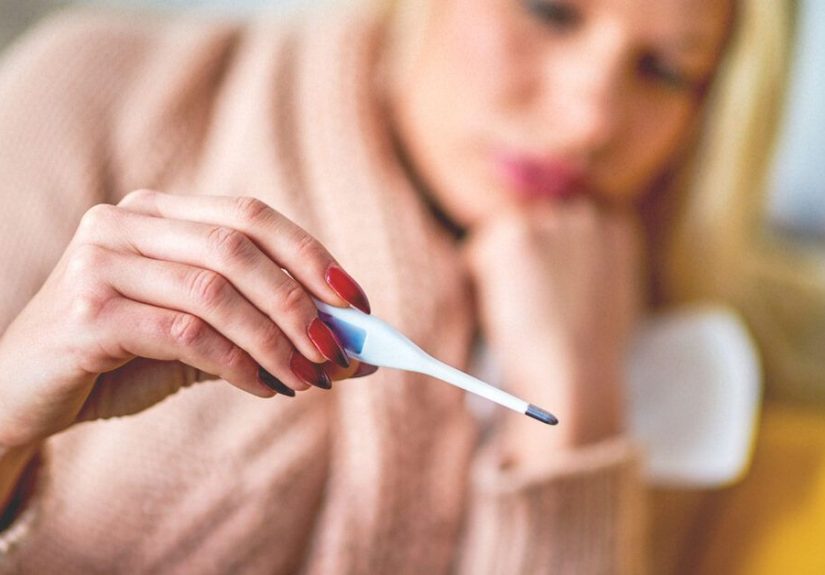
If you’ve ever taken a temperature and immediately started doing mental gymnastics (“98.9… is that fine? Is that a fever? Is that the beginning of the end?”), welcome to the club. Here’s the good news: normal body temperature isn’t a single magic number. It’s a moving target influenced by age, time of day, activity level, hormones, andbecause life enjoys chaoswhere you measure it.
This guide breaks down what “normal” looks like for babies, kids, and adults, why your thermometer readings can feel inconsistent, what counts as a fever by measurement method, and when it’s smart to call a clinician (especially for infants).
The Myth of the Magic Number (AKA 98.6°F’s Main Character Energy)
Most of us grew up hearing that 98.6°F (37°C) is “normal.” It’s still used as a convenient average, but modern research and clinical guidance emphasize something more realistic: healthy body temperatures varybetween people and within the same person across the day.
Translation: 98.6°F is like the “average” shoe size. Helpful for stocking shelves. Not great for predicting what fits you. Some healthy adults may run closer to the high 97s, and many people float around a broader “normal” window without being sick.
What “Normal” Really Means: Your Body Has a Schedule
1) Time of day matters (your thermostat has office hours)
Body temperature typically runs lower in the early morning and higher in the late afternoon/evening. So a reading that seems “a little high” at 7 p.m. might be completely ordinary for you, especially if you were active, bundled up, or had a warm drink.
2) Activity, environment, meals, and emotions can bump your number
Exercise, hot showers, heavy clothing, hot weather, and even strong emotions can temporarily raise temperature. Conversely, a cool room, not eating much, or being very still can lower it.
3) Where you measure changes the reading
This is the big one. A temperature isn’t just a temperatureit’s a temperature plus the method. Rectal readings tend to run higher than oral. Underarm (axillary) readings usually run lower. Forehead scanners can be convenient but may vary based on technique and environment.
Body Temperature Basics: A Quick Chart (By Measurement Site)
Use this as a practical reference. If you’re reporting a temperature to a clinician, always include how you measured it.
| Measurement site | Typical comparison to oral | Common fever cutoff | Notes |
|---|---|---|---|
| Oral (mouth) | Baseline reference | ~100.0–100.4°F (varies by guidance) | Wait after hot/cold drinks for best accuracy. |
| Rectal | Often ~0.5–1.0°F higher | 100.4°F (38°C) or higher | Most accurate for infants; follow safe technique guidance. |
| Ear (tympanic) | Often ~0.5–1.0°F higher | 100.4°F (38°C) or higher | Not recommended for babies under 6 months; technique matters. |
| Forehead (temporal artery) | Often ~0.5–1.0°F lower | 100.4°F (38°C) or higher | Fast and easy; can be affected by sweat, drafts, and user technique. |
| Underarm (axillary) | Often ~0.5–1.0°F lower | 99.0°F (37.2°C) or higher | Good for screening; confirm with another method if unsure. |
Normal Body Temperature by Age: Babies, Kids, Adults
Babies (0–12 months): “Tiny Humans, Big Reactions”
Babies can run a bit warmer than older kids and adults, and their temperature can shift more with the environment (overheating from blankets is a classic). The bigger point: in infantsespecially newbornsfever thresholds matter more than the exact “normal” number.
For babies, clinicians often consider 100.4°F (38°C) or higher a true fever (especially using a rectal temperature). And for infants under 3 months, that cutoff is a “call now” situation because young babies can get sick quickly even when they don’t look dramatically ill.
Best measurement for infants: rectal digital thermometer is commonly described as the most reliable. Ear thermometers are generally avoided for babies under 6 months because the ear canal is small and readings can be off.
Kids (1–12 years): Normal Is a Range, Not a Ruler
Kids are basically walking science experiments. They run around, sweat, chug ice water, refuse naps, and somehow remain fine. That means their temps can swing. Many pediatric references describe “normal” in children as a broad range, and kids can look well with a temperature that’s slightly higher than an adult’s typical readingespecially later in the day.
Still, a common clinical fever marker remains 100.4°F (38°C) (depending on method), and what matters is the whole picture: hydration, breathing, alertness, pain, rash, and whether the child is acting like themselves (or like themselves on a bad day).
Adults (13–64 years): Your Baseline Is the Real MVP
In healthy adults, many clinicians describe typical normal readings roughly in the high 97s to around 99°F, with expected daily variation. A reading of 98.6°F is still “average,” but not a personal requirement.
A practical approach: learn your baseline when you’re well. If you usually sit at 97.4°F and you’re suddenly 99.6°F with chills and body aches, that change may mattereven if it’s not hitting a classic fever cutoff.
Older adults (65+): Slightly Cooler Can Be Normal
Many older adults run a bit cooler than younger adults. That can make fevers harder to spot, because an older adult might have an infection with a temperature that doesn’t look “dramatic” by the old 98.6°F yardstick. For seniors, symptoms and behavior changes (confusion, weakness, poor appetite) deserve extra attention.
So What Counts as a Fever?
You’ll see two common “fever” thresholds in reputable guidance: 100.4°F (38°C) is widely used across ages and methods (especially rectal/ear/temporal), while some guidance uses 100.0°F (37.8°C) for oral readings.
The easiest way to stay sane: treat 100.4°F (38°C) as the universal “true fever” marker, then factor in: (1) the measurement site, (2) the person’s baseline, and (3) symptoms.
A quick adult fever severity snapshot (helpful, not absolute)
- Normal-ish range: often around 97–99°F for many adults
- Low-grade fever: roughly 99.1–100.4°F
- Moderate fever: roughly 100.6–102.2°F
- High fever: roughly 102.4°F and up
Note: these ranges are general. A “lower” fever can feel awful, and a higher number can look scary but be less urgent if the person is otherwise stable. Context always wins.
When a “Low” Temperature Matters (Yes, That’s a Thing)
Most people worry about being too hotbut being too cold can be dangerous too. A core temperature below 95°F (35°C) is considered a medical emergency associated with hypothermia. If someone’s temperature is that low (especially with confusion, shivering, sleepiness, or slow breathing), treat it as urgent and seek medical help.
Also: if your everyday baseline is unusually low (for example, mid-96s) and you feel fine, it may be normal for youespecially as you age. But if low readings come with symptoms (confusion, weakness, fainting), it’s worth medical attention.
How to Take a Temperature Without Accidentally Sabotaging It
Do this for more accurate results
- Use a digital thermometer. (Temperature strips on the forehead are famously unreliable for true body temperature.)
- Wait after hot/cold drinks before oral readings. Give it time so you’re not measuring the ghost of your iced latte.
- Wait after exercise or a hot bath. If you just ran up stairs like you’re escaping a movie explosion, your temperature might read higher for a bit.
- Be consistent. If you’re tracking trends, use the same method at similar times of day.
- Tell the method when you report the number. “100.2 oral” and “100.2 underarm” are not the same story.
When to Call a Doctor: Practical Guidance by Age
This section is intentionally straightforward. If you’re ever unsure, trust your instincts and contact a clinicianespecially for infants.
Babies under 3 months
- Call your pediatrician immediately for a rectal temperature of 100.4°F (38°C) or higher.
- If your baby seems unusually sleepy, hard to wake, has trouble breathing, or isn’t feeding well, seek urgent care.
Babies 3–6 months
- Seek guidance if fever is presentespecially if your baby seems unusually irritable, lethargic, or uncomfortable.
- Higher fevers or concerning symptoms deserve prompt evaluation.
Kids 6 months and older
- Call sooner if your child has a fever plus: trouble breathing, stiff neck, dehydration, persistent vomiting, severe pain, unusual rash, or they’re difficult to wake.
- For many kids who are drinking fluids, sleeping, and still playing at times, fever can often be monitored with guidance from your pediatrician.
- First-time febrile seizure warrants medical evaluation.
Adults
- Seek urgent care for fever with severe symptoms: trouble breathing, chest pain, confusion, stiff neck, severe dehydration, or persistent vomiting.
- If fever persists for multiple days, or you’re immunocompromised, pregnant, or have serious chronic conditions, contact a clinician earlier.
- Very high fevers (for example, around 104°F) are commonly treated as urgentespecially with concerning symptoms.
Common Questions (Because Google at 2 a.m. Is a Dark Place)
Can teething cause a fever?
Teething may cause a slight rise in temperature, but reputable pediatric guidance generally notes it doesn’t cause a true fever. If your baby has a significant fever, assume something else is going on and check with your pediatrician.
Why is my child “hot” but the thermometer is normal?
Warm skin can happen from activity, a warm room, heavy clothing, or just being snuggly. If you suspect fever, measure with a reliable thermometer and use a consistent method. If symptoms worry you even with a normal number, call your cliniciansymptoms matter.
Is 99°F a fever?
Often, 99°F is within normal variationespecially later in the day. But if 99°F is unusually high for your baseline and you feel sick, it may be an early sign your body is fighting something. Watch the trend and your symptoms.
Real-World Experiences: What People Notice in Daily Life (About )
The most common “temperature experience” is not feverit’s the panic spiral. A parent checks a baby’s forehead, feels warmth, and suddenly every blanket becomes suspicious. Here’s what tends to happen in real life: babies run warm when they’re bundled, held close, or in a room that’s cozy for adults but toasty for infants. The moment you remove a layer, wait a bit, and re-check properly, the number often drops into a normal range. It’s not that the baby “stopped being sick.” It’s that the baby stopped being wrapped like a burrito.
With toddlers and school-age kids, another classic scenario is the post-playground reading. A child sprints, climbs, melts down over a juice box, and then gets a forehead scan that reads higher than expected. Ten minutes laterafter water, rest, and a calmer nervous systemthe reading looks normal. Many families learn the hard way that taking temperatures immediately after activity is like weighing yourself while holding groceries: the number is technically real, but it’s not the number you meant.
Adults have their own greatest hits. There’s the “I took my temperature right after hot coffee and now I’m apparently a furnace” moment. There’s the “I checked after a long shower and the thermometer is being dramatic” episode. And there’s the workplace or travel ritual: a quick forehead scan in a drafty hallway that suggests you’re either sick or secretly an ice sculpture. Convenience methods are helpful for fast screening, but technique and environment can absolutely mess with the result.
Another real-world pattern: people notice that their temperature creeps up later in the day and assume they’re getting sick every evening. But bodies often run warmer in the late afternoon and evening. Learning your baseline (morning vs. evening) can be surprisingly calming. Some people keep a short “well-week” log: a few readings when they feel fine, taken the same way, at roughly the same time. It’s not overkillit’s a personal reference range that makes future readings more meaningful.
Finally, a surprisingly common experience in pediatrics is the teething blame game. Baby is fussy, drooly, and warm-ish, so teething gets blamed. Sometimes it really is teething discomfort. But when the temperature crosses into a true fever range, pediatric guidance tends to point away from teething and toward infection or inflammation. Parents often describe this as the moment they learned the difference between “a little warmer than usual” and “this is a fever.”
Conclusion: Normal Is a Range, and Trends Beat Single Numbers
Normal body temperature isn’t one numberit’s a range that changes with age, time of day, and how you measure it. The most useful strategy is to (1) measure correctly, (2) consider the method and context, (3) look at symptoms and trends, and (4) take infant fevers seriously. When in doubtespecially for babies under 3 monthscall a clinician. Peace of mind is a legitimate health outcome.