Table of Contents >> Show >> Hide
Science fiction has never been short on robots. The genre is basically a giant metal family reunion where someone always shows up with glowing eyes, mysterious programming, and at least one opinion about humanity. But while the big names get most of the applause, the real fun often lives in the corners: the oddball robots, the cult favorites, the creepy helpers, the sarcastic machines, and the designs that feel like they were assembled from spare parts, anxiety, and a director’s fever dream.
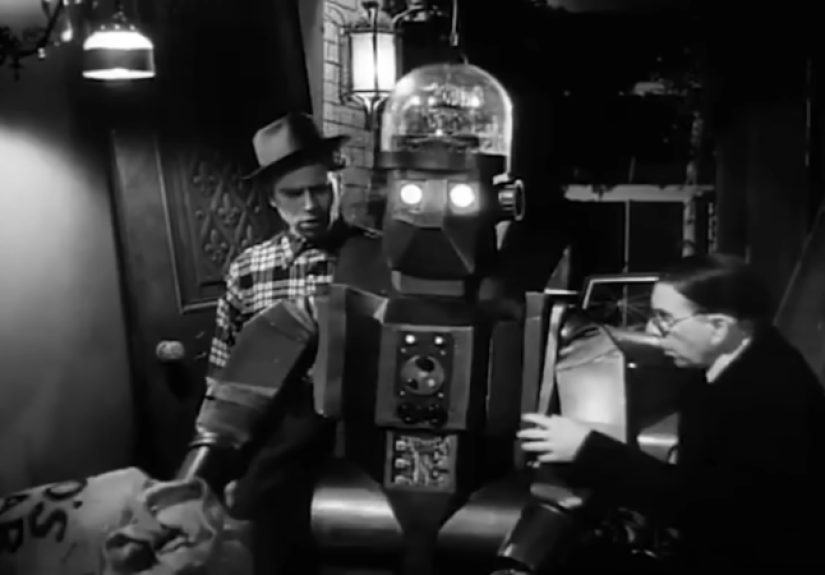
That is where obscure sci fi robots earn their keep. They may not dominate lunchboxes, theme parks, or every “best robot ever” roundup, but they often do something even better: they linger. These are the machines that sneak into your memory because they are strange, unsettling, funny, or unexpectedly moving. They are not always polished. Sometimes they look like a toaster lost a fight with a welding shop. Sometimes they are more human than the people around them. Sometimes they are terrifying in ways blockbuster robots rarely dare to be.
This article looks at the lesser-celebrated mechanical minds of science fiction and why they still matter. Some helped shape how later robots were designed. Some gave cult films their weird heartbeat. Others proved that a robot does not need a huge franchise to leave a serious dent in pop culture. If mainstream sci-fi robots are the headliners, these are the brilliant opening acts who quietly stole the whole show.
Why Obscure Sci-Fi Robots Matter
One reason forgotten or underappreciated robots matter is simple: they reveal what each era feared. In one decade, robots are false prophets and symbols of industrial control. In another, they are corporate tools, lonely companions, domestic assistants, or portable murder blenders with the temperament of a tax audit. A famous robot often becomes an icon. An obscure robot, meanwhile, stays weird enough to preserve the flavor of the moment that created it.
They also allow filmmakers and writers to take bigger creative swings. A robot outside the blockbuster spotlight can be scarier, sadder, sillier, or more morally confusing. It can be gentle without being cute. It can be comic without being dumb. It can be monstrous without becoming just another action figure with excellent shoulder articulation. That creative freedom is why so many cult sci-fi robots age surprisingly well.
9 Obscure Sci-Fi Robots Worth Rediscovering
1. Maria’s Robot Double in Metropolis
Let’s start with royalty. The robot duplicate of Maria in Metropolis is not obscure to film historians, but for everyday viewers, she often feels like a hidden ancestor buried beneath nearly a century of sci-fi. That is a shame, because this machine is ground zero for the humanoid robot in cinema. She is elegant, eerie, theatrical, and visually unforgettable.
What makes the robot Maria so fascinating is not just the metallic body, but the idea behind it. She is not a helper bot or a walking gadget. She is a counterfeit human, a machine built to manipulate the crowd. In modern terms, she is part android, part propaganda engine, and part nightmare influencer. The concept still feels current because it taps into a timeless fear: what happens when technology does not merely serve power, but performs it? Plenty of later robots owe her a thank-you card and probably back royalties.
2. Huey, Dewey, and Louie in Silent Running
The little drones in Silent Running are among the most charming robots ever placed in a melancholy science-fiction setting. They are not flashy. They do not deliver epic speeches. They mostly help with tasks, move with awkward sweetness, and somehow become the emotional support crew for a deeply lonely movie. That is exactly why they work.
These robots feel handmade in the best possible way. Their design has a physical, practical honesty that modern CGI often struggles to match. More importantly, they shift the tone of the story. Without them, Silent Running would still be thoughtful. With them, it becomes touching. They turn labor into companionship and routine into feeling. The film quietly asks whether a machine can ease loneliness even when it cannot fully understand it. The answer is soft, sad, and memorable.
3. Maximilian in The Black Hole
If most family-friendly robots are built to reassure, Maximilian was built to make small children stare at the screen and reconsider every life choice that led them there. This spinning red menace from The Black Hole is one of the nastiest robot designs in older studio science fiction: compact, silent, aggressive, and devilish in silhouette.
Maximilian works because he is not overloaded with explanation. He is presence. He drifts. He whirs. He feels less like a servant and more like a threat given a polished outer shell. The contrast between the friendlier robots in the film and Maximilian’s violent aura gives The Black Hole much of its identity. He is the machine version of a bad feeling in your stomach, and that kind of design discipline deserves more respect than it usually gets.
4. Box in Logan’s Run
There are robot introductions, and then there is Box. In Logan’s Run, Box arrives like the universe’s weirdest kitchen appliance and then promptly turns the movie into full-on nightmare fuel. He is theatrical, talkative, bizarrely cheerful, and attached to one of the grimmest reveals in 1970s sci-fi.
Box is a great reminder that an obscure movie robot does not need elegant design to be effective. In fact, his slightly ungainly appearance makes him worse in a good way. He feels engineered for function, then twisted by logic that no longer has human guardrails. That is classic dystopian robot territory: the machine still follows its job description, but the world around it has gone rotten. Box is campy, creepy, and impossible to forget once he starts explaining himself with that icy enthusiasm.
5. Hector in Saturn 3
Some robots are scary because they are unstoppable. Hector is scary because he feels wrong on a deeper level. The robot in Saturn 3 has a heavy, invasive quality that turns mechanical movement into something almost predatory. The film itself has a messy reputation, but Hector absolutely understood the assignment: be unsettling, then keep going.
What makes Hector memorable is how physical the threat feels. He is not a clean digital intelligence. He is machinery with dangerous intent, a hulking reminder that robotics in older sci-fi often looked less like sleek innovation and more like industrial menace. Hector belongs to that strain of science fiction where technology is not shiny and aspirational. It is intimate, sweaty, and deeply unwelcome. Sometimes that kind of discomfort ages better than polished futurism.
6. GERTY in Moon
If you only know one underappreciated robot from 21st-century science fiction, let it be GERTY. In a genre full of suspicious AIs, GERTY is compelling because the character constantly plays with audience expectations. The design is minimal, the interface is expressive, and the emotional effect is huge. GERTY proves that a robot does not need a humanoid body to feel present.
The brilliance of GERTY lies in restraint. The machine is helpful, watchful, and never quite behaves in the exact sinister pattern you expect. That uncertainty becomes the engine of the film’s emotional tension. Is GERTY a corporate instrument, a caretaker, a witness, or something gentler? The movie finds power in that ambiguity. Instead of being a standard evil computer, GERTY becomes a meditation on loyalty, isolation, and the uncomfortable gap between programmed duty and moral intuition.
7. M.A.R.K. 13 in Hardware
Where some robots feel mythic, M.A.R.K. 13 feels like your worst apartment problem. It is ugly, relentless, mean, and spectacularly bad for property values. In Hardware, the war droid is all jagged hostility and industrial death energy, a machine that seems born from scrap, fascism, and the kind of future where nobody gets a security deposit back.
The robot is effective because it turns small spaces into panic chambers. Rather than destroy a city, it terrorizes a home. That scale matters. Big robot apocalypse stories can be exciting, but intimate robot horror is often more vivid. A killer machine in your living room is somehow ruder. M.A.R.K. 13 also embodies one of cyberpunk’s favorite truths: when violent systems break down, the leftover hardware rarely becomes nicer.
8. Kryten in Red Dwarf
Not every obscure sci-fi robot has to be tragic or terrifying. Kryten from Red Dwarf is beloved by cult TV fans for good reason. He is fussy, loyal, neurotic, rule-bound, and often funnier than the humans around him. In a genre that loves turning robots into philosophical case studies, Kryten reminds us that robotics can also be a fantastic delivery system for comedy.
But there is more to him than punch lines. Kryten works because his politeness and programming often collide with the chaotic idiocy of everyone else. That gives the character a strange dignity. He is a machine trying to operate rationally in a profoundly irrational universe. Honestly, that may be the most relatable robot concept ever created. He brings warmth to low-budget sci-fi while proving that cult television can build richer machine characters than many expensive features.
9. Tom Servo and Crow T. Robot in Mystery Science Theater 3000
Tom Servo and Crow T. Robot are unconventional choices for a robot roundup because they are not there to conquer planets or calculate humanity’s doom. They are there to survive bad movies with style. That is precisely why they matter. These characters transformed robots into critics, comedians, and companions in one of the funniest sci-fi concepts ever produced.
The brilliance of these bots lies in their homemade energy. They feel assembled from junk, imagination, and total commitment to the bit. Yet that very scrappiness gives them personality. Tom Servo and Crow are proof that a robot can become iconic through voice, rhythm, and attitude rather than expensive effects. They also embody a quietly important truth about science fiction fandom: sometimes the best way to honor the genre is to lovingly roast it until it shines.
What These Robots Reveal About Science Fiction
Put these characters side by side and a pattern emerges. Obscure sci-fi robots often do the job that major icons cannot. They are allowed to be specific. Maria is about deception and spectacle. The Silent Running drones are about loneliness and care. Maximilian radiates pure menace. Box turns logic into grotesque utility. Hector weaponizes mechanical presence. GERTY questions our assumptions about AI morality. M.A.R.K. 13 turns a room into a battlefield. Kryten humanizes dysfunction through comedy. Tom Servo and Crow make robots into fellow viewers.
Together, they show that robots in science fiction are rarely just about technology. They are really about labor, fear, class, memory, obedience, identity, and the eternal human suspicion that our own creations might understand us too well. Also, in some cases, they are about whether a machine can roast a terrible monster movie with perfect timing. That matters too.
Why Obscure Robots Often Age Better Than Famous Ones
Big franchise robots are often built to be universally lovable or instantly marketable. There is nothing wrong with that. Sometimes you want your robot polished, noble, and available as a collectible by Friday. But lesser-known robots are usually built to serve the story first. That gives them sharper edges.
Because they are not always designed around mass appeal, they can stay odd. And oddness ages well. A strange robot from a cult film can feel more alive decades later than a sleek mechanical hero designed to please everybody. The imperfections become part of the charm. The budget seams show. The personality carries the weight. The result is a robot that feels discovered rather than manufactured by committee.
The Experience of Falling for Obscure Sci-Fi Robots
There is a particular joy in discovering a strange robot in an older or overlooked science-fiction movie. It usually happens by accident. You put on a film expecting retro effects, maybe some ambitious ideas, maybe a few hairstyles that lost a war with the 1970s, and then suddenly a weird mechanical character walks on screen and steals the whole experience. That is the magic of it. These robots rarely arrive with fanfare. They sneak up on you.
Watching obscure sci-fi robots can feel more personal than watching famous ones because there is less cultural noise around them. You are not meeting a brand. You are meeting a design choice, a performance, a voice, a movement pattern, a tiny miracle of practical effects, or sometimes a deeply cursed object that a filmmaker unleashed on the world for reasons known only to caffeine and destiny. When that kind of robot clicks with you, it feels like you found something, not something that was sold to you.
There is also a tactile pleasure in these machines. Older robot effects often creak, wobble, glide awkwardly, or move with a weight that modern digital creations sometimes lack. Instead of breaking the illusion, that physicality can make the robot more believable. You feel the bolts. You feel the costume, the puppet rig, the prop craftsmanship, the careful camera angles, the problem-solving. The machine exists in a real space, and your brain responds to that. It may not be smooth, but it feels present.
Emotionally, these robots often hit harder than expected. The little drones in Silent Running can make a viewer feel protective. GERTY in Moon can inspire suspicion, then sympathy. Kryten can make you laugh and then, somehow, make you think about what dignity looks like in a universe run by fools. Even sinister robots like Maximilian or M.A.R.K. 13 create a memorable experience because they embody such concentrated intention. They are not background decoration. They alter the atmosphere the moment they appear.
Another part of the experience is the aftertaste. Obscure robots tend to linger in the mind because they are unresolved. Famous robots come with clear reputations. You already know how you are supposed to feel. But a weird robot from a cult movie can sit in your head for days. Was it sad? Was it funny? Was it terrifying? Was it all three? Did that ridiculous design somehow become perfect by the end? Science fiction is often at its best when it leaves that little static charge behind.
And then there is the community experience. Once you start noticing obscure sci-fi robots, you start talking about them with the energy of someone who has just discovered a secret tunnel under the genre. You recommend a movie to a friend not because the plot is flawless, but because “you need to see this robot.” That sentence alone can carry a whole evening. It is enthusiastic, a little nerdy, and often completely justified. These machines become conversation starters, cult signals, and tiny pieces of shared language among viewers who love science fiction for its imagination rather than just its scale.
In the end, the experience of loving obscure sci-fi robots is really the experience of loving science fiction in its most curious form. It is about following strange ideas into stranger places. It is about appreciating the corners, the experiments, the mechanical misfits, and the glorious metal oddballs that never became household names but absolutely deserved better. They may not rule the franchise galaxy, but they own a very special neighborhood in the imagination.
Conclusion
The history of science fiction robots is much bigger, stranger, and more interesting than the handful of icons that dominate popular culture. Obscure sci-fi robots give the genre texture. They carry older fears, oddball humor, practical artistry, and wildly specific personality. Some are creepy. Some are lovable. Some are both, which is honestly the ideal robot setting.
If you want to understand the real imaginative range of sci-fi, look past the obvious legends and spend some time with the mechanical underdogs. Meet the false messiahs, the lonely helpers, the homicidal servants, the neurotic androids, and the wisecracking bot critics. They may be obscure, but they are not minor. In many cases, they are where the genre gets most inventive, most human, and most gloriously weird.