Table of Contents >> Show >> Hide
- Why These Orange Creamsicle Greek Yogurt Popsicles Work
- Ingredients You’ll Need
- How to Make Orange Creamsicle Greek Yogurt Popsicles
- Tips for the Creamiest Texture
- Flavor Variations Worth Trying
- Are These Popsicles Actually a Smart Snack?
- Common Mistakes to Avoid
- Storage and Make-Ahead Tips
- Serving Ideas
- Kitchen Notes and Real-Life Popsicle Experiences
- Final Thoughts
- SEO Tags
There are two kinds of summer desserts: the ones you eat politely with a spoon, and the ones you attack straight from the freezer while standing in front of the open door like a tiny goblin in gym shorts. These orange creamsicle Greek yogurt popsicles belong firmly in the second category. They are creamy, citrusy, lightly tangy, and nostalgic in the best possible way. One bite tastes like an old-school creamsicle got a glow-up and came back with better ingredients, more protein, and excellent taste in texture.
If you love the classic combo of orange and vanilla, this recipe delivers that dreamy “creamsicle” flavor without relying on a long list of ingredients or a carton of something neon. Greek yogurt gives the popsicles their creamy body and signature tang, orange juice brings brightness, orange zest adds bold citrus aroma, and vanilla rounds everything out so the flavor tastes full instead of flat. The result is a homemade frozen treat that feels fun enough for dessert but balanced enough for an afternoon snack.
These homemade orange yogurt popsicles are also refreshingly practical. They are easy to make ahead, easy to customize, and easy to wave around triumphantly while saying, “See? I did meal prep,” even if the meal is technically a popsicle. That counts in hot weather. Spiritually, if not legally.
Why These Orange Creamsicle Greek Yogurt Popsicles Work
The magic here comes from balance. Orange juice alone can freeze too icy. Yogurt alone can taste a little too tangy or heavy in frozen form. But when you combine Greek yogurt, fresh orange juice, zest, vanilla, and just enough sweetener, the mixture freezes into something creamy and scoopable with a bright, refreshing finish.
Greek yogurt is especially useful because it is thicker than regular yogurt, which helps give frozen pops a creamier bite. It also adds a richer mouthfeel without needing a lot of heavy cream. Using plain Greek yogurt gives you more control over the sweetness, while whole-milk Greek yogurt tends to produce the smoothest texture. If you only have low-fat Greek yogurt, no problem. Your popsicles will still be delicious, though they may freeze a little firmer.
Orange zest is the unsung hero. Juice gives you tart-sweet flavor, but zest brings the fragrant oils that make these pops taste like actual oranges instead of “generic citrus-flavored frozen tube.” Vanilla softens the tang of the yogurt and ties the orange and cream notes together. A tiny pinch of salt also helps sharpen the flavor, even though the popsicles themselves stay firmly in dessert territory and nowhere near soup.
Ingredients You’ll Need
For the popsicles
- 2 cups plain whole-milk Greek yogurt
- 3/4 cup fresh orange juice
- 1 tablespoon finely grated orange zest
- 3 to 4 tablespoons honey or maple syrup
- 1 teaspoon pure vanilla extract
- 1 to 2 tablespoons milk, as needed for blending
- Pinch of salt
Optional add-ins
- 1 to 2 tablespoons thawed orange juice concentrate for a stronger orange flavor
- 1 tablespoon cream for a richer finish
- Extra zest for a brighter citrus pop
This ingredient list is intentionally simple. If your oranges are especially sweet, you may need less honey. If they lean tart, bump the sweetener up slightly. That flexibility is one of the joys of homemade popsicles: you get to taste the base before it freezes, which is a luxury store-bought popsicles never offer. They just show up fully formed and emotionally unavailable.
How to Make Orange Creamsicle Greek Yogurt Popsicles
- Mix the base. In a blender or mixing bowl, combine the Greek yogurt, orange juice, orange zest, honey, vanilla, and salt. Blend or whisk until smooth. If the mixture feels too thick to pour, add 1 tablespoon of milk at a time until it reaches a thick but pourable consistency.
- Taste and adjust. This is the important part. Taste the mixture before freezing. It should be a little brighter and slightly sweeter than you think it needs to be, because cold temperatures mute flavor.
- Fill the molds. Pour the mixture into popsicle molds, leaving a little room at the top for expansion. Tap the molds gently on the counter to release air bubbles.
- Add sticks and freeze. Insert popsicle sticks and freeze for at least 4 to 6 hours, or until fully firm. Overnight is even better.
- Unmold and serve. To release the pops, run the outside of the mold under warm water for a few seconds. Do not yank like you are starting a lawn mower. Gentle patience wins here.
This recipe usually makes 6 to 8 popsicles, depending on the size of your molds. Smaller molds create snack-size pops that are great for kids. Larger molds create the kind of dessert that makes you feel personally victorious.
Tips for the Creamiest Texture
Use thick Greek yogurt
A thick yogurt base helps reduce iciness. Whole-milk Greek yogurt usually gives the best texture because a little extra fat makes frozen desserts feel smoother and less brittle.
Don’t skip the sweetener
Sweetener is not just there for flavor. In frozen desserts, it also helps improve texture. Too little sweetener can make your popsicles hard and icy. You do not need a huge amount, but a small dose makes a difference.
Add zest, not just juice
Orange juice provides the main flavor, but zest gives you intensity. If your first batch ever tastes “nice but not very creamsicle,” odds are it needs more zest or vanilla.
Blend until smooth
A fully blended base freezes more evenly than a lumpy one. If the yogurt and juice are not well combined, the pops may freeze with uneven texture or flavor pockets.
Freeze long enough
It sounds obvious, but half-frozen popsicles are chaos on a stick. Give them enough time to set completely so the center is firm, not slushy.
Flavor Variations Worth Trying
Orange Vanilla Bean Pops
Use vanilla bean paste instead of vanilla extract for a slightly more dessert-like flavor and those pretty little specks that make everything look fancy.
Honey Orange Greek Yogurt Popsicles
Use honey as the sweetener and add an extra teaspoon of zest. This version tastes especially floral and bright.
Creamier Dessert-Style Pops
Add 1 to 2 tablespoons of cream or half-and-half. This makes the pops richer and closer to classic creamsicle bars while still keeping the Greek yogurt base front and center.
Protein-Boosted Breakfast Pops
Pour the mixture into smaller molds and serve them as a grab-and-go breakfast side with fruit or granola. They are not a complete breakfast on their own, but they do make rushed mornings feel dramatically more civilized.
Layered Orange and Vanilla Pops
Split the mixture in half. Add extra vanilla to one bowl and extra orange juice concentrate to the other, then layer them in the molds for a swirled creamsicle effect that looks as cheerful as it tastes.
Are These Popsicles Actually a Smart Snack?
Compared with many traditional frozen desserts, orange creamsicle Greek yogurt popsicles can be a more balanced option. Greek yogurt adds protein and calcium, while oranges contribute vitamin C and bright fruit flavor. Using plain Greek yogurt also lets you control the sugar level more easily than many store-bought flavored yogurts or frozen novelties.
That said, these are still a treat, and that is part of their charm. They are simply a treat with a little more substance and a little less mystery. You know exactly what went in, which is especially nice when you want something creamy and cold without a super-sweet, heavy finish.
If you are serving these to kids, they can be a fun way to use fruit and yogurt in a format that feels exciting. If you are serving them to adults, congratulations: adults also deserve popsicles, and frankly, the case is airtight.
Common Mistakes to Avoid
Using too much juice
Too much liquid can make the popsicles icy. Keep the yogurt as the main body of the recipe, with juice playing support instead of trying to headline the show.
Using only nonfat yogurt
You can do it, but the texture may be firmer and less creamy. If nonfat is what you have, consider adding a spoonful of cream or a splash of milk to soften the texture.
Under-seasoning the flavor
Frozen foods taste less sweet and less vivid than room-temperature mixtures. Taste the base before freezing and adjust the honey, vanilla, or zest as needed.
Overfilling the molds
Popsicles expand as they freeze. Leave a little room at the top so you do not end up with tiny frozen hats on every pop.
Trying to unmold with brute force
A quick rinse under warm water works beautifully. Tugging too hard usually ends with a stick in one hand and your dignity somewhere on the floor.
Storage and Make-Ahead Tips
Once frozen solid, the popsicles can stay in the mold for several days or be unmolded and transferred to a freezer-safe container or bag with parchment between layers. That makes them easier to grab one at a time without turning the whole freezer into a rescue operation.
For best texture and flavor, enjoy them within a few weeks. Technically, frozen foods stored properly stay safe for much longer, but quality matters here. You want creamy, fragrant orange pops, not freezer-scented sadness.
If you are making these for a party, freeze them the night before. If you are making them for yourself, freeze them whenever the citrus craving strikes and then forget about them for just long enough that finding one later feels like a personal gift from your past self.
Serving Ideas
These popsicles are lovely straight from the freezer, but they also play well with a few simple extras. Serve them with fresh orange slices for a bright summer dessert plate. Crumble a little granola over a bowl and lay a slightly softened pop on top for a deconstructed yogurt-pop situation. Or dip the tips in a little melted white chocolate and refreeze for a more indulgent version.
If you are hosting brunch, these make a playful finish after a savory meal. If you are standing in your kitchen at 3:17 p.m. trying to decide whether your mood is “snack” or “dessert,” they cover both categories with suspicious ease.
Kitchen Notes and Real-Life Popsicle Experiences
Orange creamsicle Greek yogurt popsicles have a funny way of becoming the recipe you make “just once” and then somehow keep making all summer. It starts innocently enough. You buy oranges because you are feeling healthy, Greek yogurt because you are feeling organized, and then the weather gets rude. Suddenly, turning those ingredients into frozen pops feels less like cooking and more like self-defense.
The first experience most people have with these pops is surprise at how grown-up and kid-friendly they are at the same time. Kids love the bright orange color and dessert energy. Adults love that they taste nostalgic without being aggressively sweet. They hit that rare sweet spot where everyone at the table feels like the recipe was made specifically for them, which is a neat trick for six ingredients and a stick.
Another real-life truth: the texture gets better when you stop expecting them to taste exactly like store-bought creamsicles. Homemade Greek yogurt popsicles are their own thing. They are creamier in a tangy, yogurt-forward way. The orange flavor tastes fresher. The vanilla is softer and less candy-like. Once you stop comparing them to factory nostalgia and start enjoying them as a homemade frozen yogurt dessert, they become much more impressive.
They are also ridiculously useful when you need a low-effort win. Maybe dinner was chaotic. Maybe the kitchen is messy. Maybe the day has gone sideways in three separate categories. Pulling a tray of homemade popsicles from the freezer feels like evidence that you are, in fact, still capable of planning ahead. Even if the planning ahead was simply “blend dairy and citrus, freeze, hope for the best.” That still counts.
These pops are especially great for people who like recipes that flex with real life. Have slightly sour oranges? Add more honey. Yogurt a little thicker than expected? Splash in milk. Want a richer dessert? Add a little cream. Need something lighter and brighter? Increase the zest. There is no dramatic pastry-chef tension here. No candy thermometer. No warning that one wrong move will ruin the molecular structure of dessert. Just stir, taste, freeze, enjoy.
And then there is the freezer moment. Every good popsicle recipe has one. You open the freezer looking for ice, frozen peas, or emotional closure, and there they are: neat little rows of orange creamsicle Greek yogurt popsicles waiting like cheerful tiny traffic cones of happiness. On a hot afternoon, that feels borderline luxurious.
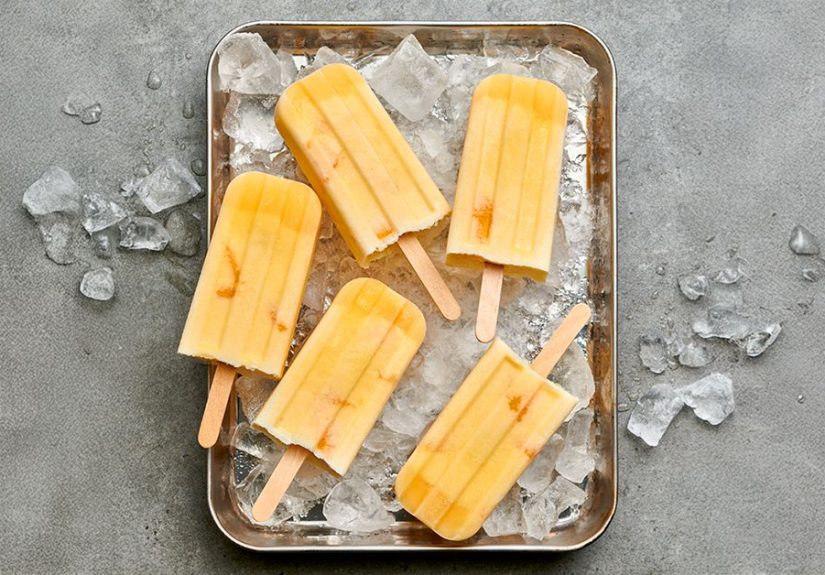
People also tend to remember the unmolding process with surprising emotion. Not because it is difficult, but because there is always one pop that refuses to come out and behaves like it signed a lease. The warm-water trick helps. So does patience. Eventually, it slides free, glossy and pale orange and perfect, and suddenly you are weirdly proud of it. That is the power of a good homemade frozen treat: it makes tiny victories feel enormous.
Most of all, these popsicles create the kind of food memory people actually want to repeat. They are simple, cold, cheerful, and a little nostalgic. They make ordinary afternoons better. They rescue overripe citrus from boring fates. They give Greek yogurt a much more exciting career path. And they remind you that sometimes the best summer dessert is not complicated at all. Sometimes it is just orange, vanilla, yogurt, and a freezer doing heroic work behind the scenes.
Final Thoughts
Orange creamsicle Greek yogurt popsicles are the kind of recipe that feels effortlessly joyful. They are easy enough for weekday prep, fun enough for summer parties, and flexible enough to fit the mood of the moment. They deliver creamy texture, bright citrus flavor, and classic orange-and-vanilla nostalgia in a cleaner, fresher homemade form.
If you are looking for a frozen treat that tastes sunny, satisfying, and just a little bit wholesome, this is a recipe worth keeping in rotation. Make one batch, and there is a very real chance your freezer will never be without them again. Which, honestly, sounds like the sort of excellent habit we should all be encouraging.