Table of Contents >> Show >> Hide
- What “Orange Tongue” Usually Means
- The 4 Most Common Causes of an Orange Tongue
- How to Tell If It’s a Stain or Something More
- Other Tongue Colors and What They Can Mean
- What You Can Do at Home (Safe, Practical Steps)
- When to See a Dentist or Healthcare Provider
- A Quick Color Cheat Sheet
- Real-Life Experiences: What People Notice (and What Usually Helps)
- Conclusion
If you’ve ever stuck out your tongue in the mirror and thought, “Why does my mouth look like it’s auditioning for an autumn-themed candle label?”welcome.
An orange tongue is usually temporary and often harmless, but it can also be your body’s way of asking for a little extra attention
(and maybe a tongue scraper).
Tongue color can shift for simple reasonslike what you ateor because of changes in moisture, bacteria, or the way the surface of the tongue sheds cells.
The key is context: how long it lasts, what it looks like (thin stain vs. thick coating), and whether you have other symptoms.
What “Orange Tongue” Usually Means
Most orange discoloration is either:
- A surface stain (color sitting on top of the tongue’s coating).
- A coated tongue (a film of debris, bacteria, and dead cells that can take on a yellow-orange tint).
In many cases, you can gently brush or scrape the tongue and see improvement within a day or two. If it keeps coming backor refuses to budgekeep reading.
The 4 Most Common Causes of an Orange Tongue
1) Foods, Drinks, and Supplements That Stain (Including Beta-Carotene)
Sometimes the explanation is sitting right there in your snack history. Brightly colored foods and drinks can temporarily stain the tongueespecially if
you already have a thin coating on the surface. Think: orange soda, sports drinks, candy, popsicles, flavored chips, and anything with bold food dyes.
Another food-related cause is beta-carotene, the pigment that makes carrots, sweet potatoes, pumpkin, squash, and mangoes look like they’ve
got a permanent golden-hour filter. Getting a lot of beta-carotene (from foods or supplements) can lead to a harmless condition sometimes called
carotenemia, which can cause yellow-orange discoloration. It’s more noticeable in skin, but oral tissues can look more yellow-orange too.
Real-world example: You’ve been on a “carrot-ginger smoothie every morning” kick, plus a multivitamin with added carotenoids. If your tongue
looks orange but you feel fine otherwise, this could be a simple pigment effectespecially if the color fades when you cut back and improve oral cleaning.
2) A Coated Tongue from Plaque and Buildup (Often Tied to Oral Hygiene)
The tongue has tiny bumps called papillae. When debris, bacteria, and dead cells collect on them, you can get a coated tongue that looks
white, yellow, or even orangedepending on what’s trapped in that layer.
A coating can be thicker if you’ve been sick, you’re breathing through your mouth, you smoke or vape, you’ve been living on soft foods, or your oral care
routine has been… let’s call it “minimalist.”
Real-world example: After a week of late nights, extra coffee, and “I’ll floss tomorrow,” you notice an orange-ish film toward the back of
your tongue. That’s a classic setup for a coating that grabs color from foods and drinks.
3) Dry Mouth and Dehydration (Your Tongue Is Thirsty Too)
Saliva helps wash away particles and keeps the mouth environment balanced. When your mouth is dry, the tongue’s surface can build up more coating and stain
more easilysometimes appearing yellow-orange.
Dry mouth can happen from dehydration, intense exercise, fever, mouth-breathing, sleeping with your mouth open, anxiety, or certain medications. Even a dry
bedroom plus snoring can turn your tongue into a slightly orange “before” photo.
Real-world example: You wake up with a dry mouth, bad breath, and a tongue that looks orange near the center. After drinking water and gently
cleaning your tongue, the color improves by midday.
4) Medications (Especially Antibiotics) and Mouth Products That Change Oral Flora
Some medications can indirectly lead to tongue color changes by altering the balance of bacteria or yeast in the mouth or by contributing to dry mouth.
Antibiotics are a common examplebecause they can shift the mouth’s microbiome and, in some people, make coatings more noticeable.
Certain mouth products can also contribute to surface discoloration or changes in coating. Even when a product is safe, your tongue may not love the combo
of “strong rinse + dry mouth + coffee.”
Real-world example: Midway through an antibiotic course, you notice a thicker tongue coating that looks yellow-orange. Improving hydration and
tongue cleaning helps. If you also develop sore, creamy white patches, that’s a different clue (more on that below).
How to Tell If It’s a Stain or Something More
Use this quick “mirror detective” checklist:
- Stain: Color appears suddenly after foods/drinks; tongue feels normal; color lightens with gentle brushing/scraping.
- Coating: Looks like a film (white/yellow/orange); breath may be worse; texture looks fuzzy; improves with consistent tongue cleaning.
- Patch that won’t scrape off: Especially white or red patches that persistworth getting checked by a dentist or clinician.
- Pain, sores, bleeding, swelling, fever, trouble swallowing: Don’t wait it out.
Other Tongue Colors and What They Can Mean
Tongues come in more shades than a paint store. Here’s what commonly drives the most noticeable color changes.
(This isn’t a diagnosisjust a practical “what it might mean” guide.)
White Tongue
A white tongue is often a coating of debris and dead cells. But it can also show up as distinct patches.
- Simple coating: Common with dehydration, illness, or buildup.
- Oral thrush: Typically creamy white patches that may feel sore and can bleed if scraped.
- Leukoplakia: Thick white patches that don’t scrape off; can be related to irritation (including tobacco) and should be evaluated.
- Oral hairy leukoplakia: White, “hairy” patches often on the side of the tongue, more common in people with weakened immune systems.
Yellow Tongue
Yellow often overlaps with orange: it’s frequently a coating plus staining from foods, smoking, or dry mouth. It can also show up during illness or when the
mouth’s bacterial balance shifts.
Red Tongue (Including “Strawberry Tongue”)
A red tongue can happen when the surface loses papillae (appearing smooth and red) or when inflammation makes the tongue look bright.
“Strawberry tongue” describes a red, bumpy look that can appear in certain infections.
- Geographic tongue: Smooth red patches that can move around over time; sometimes sensitive to spicy/acidic foods.
- Scarlet fever: Can involve a white coating early and a “strawberry” tongue later, along with sore throat and fever.
- Nutrient issues: Some vitamin deficiencies can affect tongue appearance (often with other symptoms).
Black or Brown Tongue
The most famous culprit is black hairy tongue, where papillae get longer and trap stains from food, tobacco, or organisms. It can look alarming,
but it’s often temporary and improves with oral hygiene and addressing triggers. Some products (like bismuth-containing medicines) can also darken the tongue.
Purple or Blue Tongue
A bluish tongue can sometimes signal reduced oxygen in the blood or circulation issuesespecially if you also feel short of breath, dizzy, or unwell.
This is a “don’t ignore it” color if it’s new and persistent.
Gray or Green Tongue
These are less common and often relate to coatings plus staining, mouth dryness, smoking, or changes in oral bacteria. If the color is persistent, unusual,
or comes with symptoms, get checked.
What You Can Do at Home (Safe, Practical Steps)
-
Gently clean your tongue daily.
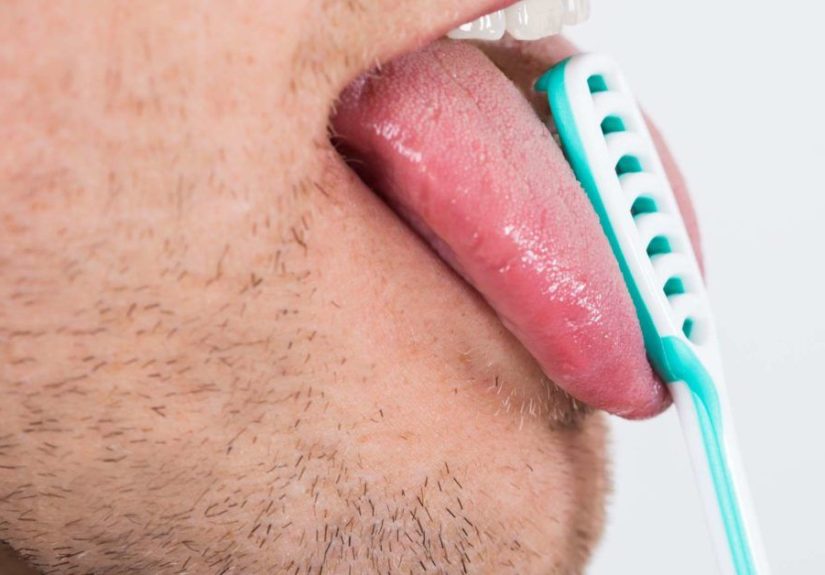
Use a tongue scraper or a soft toothbrush. Go from back to front lightlyno power-washing your taste buds. -
Brush and floss like it matters (because it does).
A tongue coating often improves when overall plaque levels drop. -
Hydrate and address dry mouth.
Water helps, and so does reducing alcohol and managing mouth-breathing at night when possible. -
Pause the obvious stainers.
If you’ve been drinking neon-orange beverages or eating brightly dyed snacks, take a break and see if your tongue returns to normal. -
Review recent medication changes.
If the timing matches a new antibiotic or a medication that dries your mouth, mention it to your clinician or pharmacist. -
Check your mouth for other signs.
Pain, sores, fever, swelling, or patches that don’t scrape off should move this from “DIY” to “get it checked.”
When to See a Dentist or Healthcare Provider
Consider getting evaluated if:
- The discoloration lasts more than 2 weeks despite good oral hygiene and hydration.
- You have pain, swelling, bleeding, sores, or a persistent lump.
- You see white patches that don’t scrape off or red/white lesions that persist.
- You have fever, severe sore throat, trouble swallowing, or a rash (especially in kids and teens).
- Your tongue looks blue/purple and you feel short of breath or unwell.
- You suspect thrush (especially after antibiotics or with immune/medical risk factors).
A Quick Color Cheat Sheet
- Orange: staining foods/supplements, coated tongue, dry mouth, antibiotics/med changes.
- White: coating, thrush, leukoplakia (needs evaluation if persistent).
- Yellow: coating + dry mouth/stains; sometimes illness-related changes.
- Red: geographic tongue, inflammation, infections like scarlet fever (with other symptoms).
- Black/brown: black hairy tongue, staining, certain medicines like bismuth.
- Blue/purple: possible oxygen/circulation issueget checked if persistent or symptomatic.
Real-Life Experiences: What People Notice (and What Usually Helps)
The most common “orange tongue” stories aren’t dramatic medical mysteriesthey’re everyday-life moments that sneak up on you. One classic scenario:
a weekend of orange sports drinks, spicy chips, and very little water. On Monday morning, you look in the mirror and your tongue has a warm tint that makes
you wonder if your mouth joined a pumpkin spice fan club overnight. In these cases, the color often fades quickly once you hydrate and gently clean the tongue.
Another frequent experience is the post-sick mouth. After a cold or the flu, people often breathe through their mouths more, sleep with their
mouths open, and take medicines that dry them out. Even if you brush your teeth, your tongue can develop a thicker coatingbecause saliva is lower and the
tongue isn’t getting its usual “natural rinse.” Add coffee or tea back into the picture, and that coating can pick up color. The fix here is boring but
effective: water, regular meals (not just crackers), and gentle tongue scraping for a few days.
Then there’s the antibiotic timeline experience: everything is normal, you start an antibiotic, and about a week later your tongue looks coated
and slightly yellow-orange. Some people also notice their breath changes or their mouth feels “off.” Often, it’s simply that the mouth’s usual balance is
temporarily shifted. Many find that improved hydration and consistent tongue cleaning helps. But if you notice tender white patches that wipe off and leave
soreness, it’s smart to ask a clinician about thrush rather than trying to brute-force it with extra mouthwash.
Food experiments create their own category of tongue surprises. People who lean hard into “health kicks” sometimes discover the irony of a
carrot-and-mango smoothie routine: you feel virtuous, but your tongue looks like it’s wearing a light orange sweater. If you’re also taking
supplements that include carotenoids, the effect can be more noticeable. In most cases, dialing back the very high beta-carotene intake and diversifying
fruits and vegetables (more berries, greens, and protein) helps normalize color over timewithout sacrificing your nutrition goals.
Finally, a lot of “orange tongue panic” is really tongue-coating awareness. Once you notice tongue color, you start noticing everything:
texture, dryness, the difference between the tip and the back, even how lighting changes the shade. A helpful mindset is to treat the tongue like skin:
it reflects hydration, habits, and irritation. If it improves with basic care in a few days, it’s probably not a crisis. If it persists, hurts, bleeds,
or comes with other symptoms, that’s your cue to get a professional opinionbecause peace of mind is also a health outcome.
Conclusion
An orange tongue is usually a surface issuestaining foods, a temporary coating, dry mouth, or a medication-related changerather than a serious disease.
Most of the time, consistent oral hygiene, hydration, and cutting back on obvious stainers clears it up quickly. The important exceptions are persistent
changes, painful lesions, patches that don’t scrape off, and symptoms like fever, sore throat, or breathing trouble. When in doubt, a dentist or healthcare
provider can help you sort “harmless weird” from “worth checking.”