Table of Contents >> Show >> Hide
- Why a 30-Day Declutter Challenge Actually Works
- Before You Start: Five Rules That Make Decluttering Easier
- The 30-Day Declutter Challenge
- What to Do With the Stuff You Remove
- How to Keep Your Home Tidy for Good
- Common Decluttering Mistakes to Avoid
- Real Experiences From a 30-Day Declutter Journey
- Conclusion
- SEO Tags
If your home has reached the point where a single junk drawer has somehow reproduced into a junk dresser, junk counter, and possibly a junk chair, welcome. You are among friends. Clutter has a sneaky way of building up one receipt, one tangled charging cable, and one “I might need this someday” candle lid at a time. The good news is that you do not need a full weekend, a color-coded command center, or the emotional stamina of a minimalist monk to fix it.
This 30-day declutter challenge is designed to help you declutter your home in realistic, bite-size steps. Instead of asking you to empty your whole house in one dramatic Saturday meltdown, this plan breaks the work into manageable daily tasks. Some jobs take ten minutes. A few take a little longer. All of them move you toward the same goal: a cleaner, calmer, more functional home that stays tidy because your systems finally make sense.
The secret is not perfection. It is momentum. When you start small, make quick decisions, and repeat the process every day, your home begins to change in a way that actually lasts. That means less visual chaos, fewer mystery piles, and dramatically lower odds of yelling, “Who moved the scissors?” when it was definitely you.
Why a 30-Day Declutter Challenge Actually Works
A good home organization plan works because it lowers the mental barrier to getting started. Most people do not fail at decluttering because they are lazy. They fail because the task feels too big, too emotional, or too boring. A daily decluttering challenge solves that by giving you one clear mission per day.
Instead of saying, “I need to organize the whole house,” you say, “Today I am clearing the bathroom drawer,” and suddenly your brain stops acting like you asked it to build a spaceship. That smaller target creates quick wins. Quick wins create motivation. Motivation makes it easier to keep going. Before you know it, your kitchen counters look visible again and your closet no longer resembles a retail store hit by a tornado.
The other reason this works is that clutter is rarely one giant problem. It is a thousand tiny decisions waiting for attention. A 30-day plan gives those decisions structure. You are not just cleaning. You are building habits, reducing friction, and creating a clutter-free home that is easier to maintain.
Before You Start: Five Rules That Make Decluttering Easier
1. Work with four categories only
Every item should go into one of four buckets: keep, donate, recycle, or trash. If you create seventeen emotional subcategories, you will still be standing in the hallway next Thursday holding one expired coupon and wondering what your life has become.
2. Start with visible wins
Begin with spaces you use every day, such as counters, entry tables, bathroom drawers, and the refrigerator. When the most visible areas improve first, your home immediately feels lighter and you are more likely to keep going.
3. Do not organize what you have not decluttered
Buying cute bins for stuff you do not need is just clutter in a better outfit. Remove the excess first. Then organize what remains.
4. Set a timer
Decluttering expands to fill the time you give it. A 15- or 20-minute timer keeps you focused, prevents overthinking, and stops you from accidentally spending 45 minutes reading old birthday cards instead of finishing the drawer.
5. Get the discarded stuff out fast
Donation bags that linger in your trunk for three weeks still count as clutter with a parking pass. Schedule a drop-off, arrange pickup, or place the recycling out quickly so your progress becomes real.
The 30-Day Declutter Challenge
- Day 1: Entryway reset. Clear shoes, random mail, shopping bags, and anything that does not belong by the door. Create a landing zone for keys, bags, and everyday essentials.
- Day 2: Purse, backpack, or work bag. Toss receipts, wrappers, dried pens, and that mystery lipstick from another era. Keep only what you actually use.
- Day 3: Junk drawer. Yes, the famous one. Remove everything, throw away trash, group similar items, and return only the useful basics.
- Day 4: Kitchen counters. Put away appliances you rarely use, clear papers, and keep only daily essentials visible. Your kitchen instantly looks bigger.
- Day 5: Refrigerator clean-out. Toss expired sauces, sad leftovers, and science-fair produce. Wipe shelves and group similar foods together.
- Day 6: Pantry sweep. Remove stale snacks, duplicates, and items nobody in your household is ever going to eat, no matter how optimistic the recipe looked online.
- Day 7: Food storage containers. Match lids to containers, recycle damaged pieces, and keep a realistic number. The lid avalanche ends here.
- Day 8: Spice and baking shelf. Check dates, combine duplicates, and wipe sticky shelves. Your cinnamon should not predate your current couch.
- Day 9: Coffee and mug zone. Keep favorite mugs, donate extras, and clear out duplicate gadgets or novelty cups that nobody reaches for.
- Day 10: Bathroom counter and sink area. Remove empty bottles, expired samples, and products you abandoned after two uses and one burst of hope.
- Day 11: Bathroom drawers. Sort cosmetics, hair tools, and grooming supplies. Keep everyday items easy to reach and let the rest go.
- Day 12: Medicine cabinet. Separate what is current from what is expired or unused, and plan proper disposal for anything that should not stay in the house.
- Day 13: Linen closet. Fold neatly, donate worn towels, and keep only the sheet sets that actually match beds you still own.
- Day 14: Nightstand. Clear books you finished, cords you do not use, and random clutter. A calmer bedtime starts with a less chaotic surface.
- Day 15: Bedroom dresser top. Remove coins, jewelry tangles, old mail, and clothes that somehow migrated there. Restore the surface.
- Day 16: Under-bed storage. If you forgot it existed, that tells you something. Keep only clearly labeled, seasonally useful, or genuinely valuable items.
- Day 17: Closet edit. Pull out clothing that does not fit, does not feel good, or has not been worn in ages. Keep what supports your real life now.
- Day 18: Shoes. Donate pairs that hurt, do not fit, or never leave the shelf. Keep the pairs you actually rotate through.
- Day 19: Accessories. Scarves, belts, hats, sunglasses, and handbags get one honest review. If it is broken, tangled, or unloved, let it go.
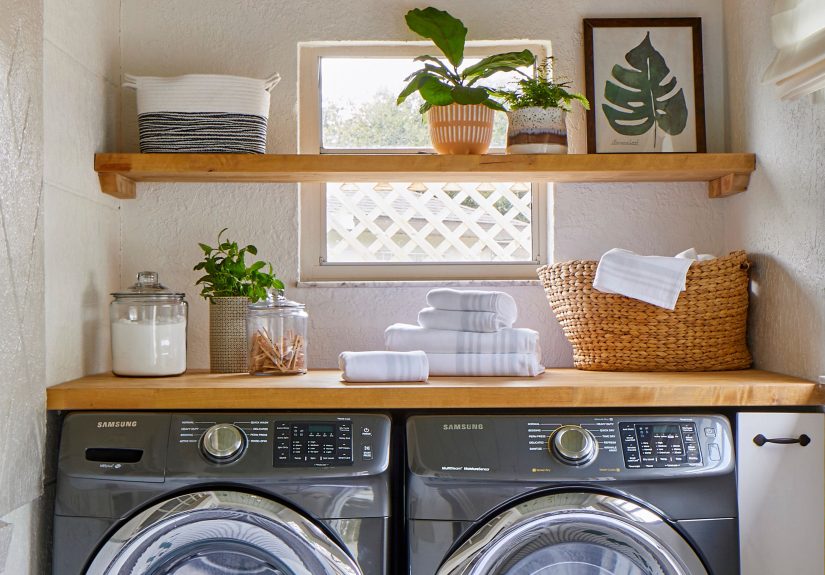
- Day 20: Laundry area. Discard empty containers, single socks without hope, and products you never use. Make the space easy to maintain.
- Day 21: Living room surfaces. Clear coffee tables, side tables, and media consoles. Remove old magazines, stray remotes, and decorative clutter overload.
- Day 22: Books, magazines, and paper piles. Keep favorites and current reading; recycle or donate the rest. You do not need twelve catalogs for patio furniture you never ordered.
- Day 23: Paperwork and mail. Sort into action, file, shred, or recycle. End the reign of the “important paper stack” that contains mostly takeout menus.
- Day 24: Home office desk. Remove broken supplies, outdated notes, mystery chargers, and anything that makes work feel harder than it needs to be.
- Day 25: Cords, chargers, and small electronics. Test what still works, label what stays, and responsibly recycle the rest. No more cable spaghetti.
- Day 26: Kids’ items or hobby supplies. Edit toys, craft materials, games, or hobby gear. Keep what gets used and donate what has been quietly retired.
- Day 27: Cleaning supplies. Combine duplicates where appropriate, toss empties, and group supplies by room or task so cleaning becomes faster.
- Day 28: Storage bins and “miscellaneous” boxes. Open the mystery containers. Face the contents bravely. Keep only what has a purpose.
- Day 29: Garage, utility shelf, or outdoor gear. Remove broken items, dried-up products, duplicate tools, and equipment you no longer use.
- Day 30: Whole-home reset. Walk through every room with a donation bag and trash bag. Pick up final strays, celebrate progress, and set your maintenance rules.
What to Do With the Stuff You Remove
A successful home decluttering plan is not just about what leaves your shelves. It is also about where those items go next. When something is still usable, donate it. Clothes, books, kitchen items, décor, and working electronics may still have plenty of life left in them. If something is not reusable, recycle it when possible, especially paper, cardboard, metal, and eligible electronics.
Be smart with sensitive or regulated items. Shred paperwork with personal or financial information. Wipe personal data from old devices before donating or recycling them. For expired or unused medicine, follow safe disposal practices rather than treating your bathroom cabinet like an archaeological dig site. In other words, decluttering should make your home safer, not just emptier.
How to Keep Your Home Tidy for Good
Finishing the challenge is excellent. Keeping the results is where the real magic happens. Here is how to make your tidy home stick.
Create a one-in, one-out rule
Buy a new sweater, donate an old one. Bring in a new mug, release one that has been living in the back row since the Obama years. This simple rule keeps your inventory from quietly swelling again.
Do a 10-minute nightly reset
Set a timer and straighten the spaces that collect clutter fastest: the kitchen counter, coffee table, entryway, and bathroom counter. Tiny resets prevent giant weekend rescue missions.
Give everything a real home
Clutter often forms because important items do not have a designated spot. When keys, chargers, mail, scissors, and dog leashes all have homes, they stop wandering around your house like unsupervised tourists.
Stop keeping fantasy clutter
Fantasy clutter is the stuff you keep for the person you might become someday: the bread maker for your artisan baking phase, the roller skates for your future disco era, the craft supplies for projects you do not even enjoy. Keep items that serve your actual life, not your imaginary lifestyle brand.
Schedule mini declutters every month
Once you finish this challenge, choose one or two zones to revisit each month. A pantry refresh, closet edit, or paper purge takes far less time when clutter never gets the chance to become a full-blown personality.
Common Decluttering Mistakes to Avoid
One of the biggest mistakes is trying to do too much at once. Another is creating a giant mess without enough time to finish. Decluttering should reduce stress, not leave your bedroom looking like a yard sale collided with a weather event.
People also get stuck when they confuse sentimental with useful. Not everything meaningful has to stay in your house forever. Keep the best examples, take photos of some items, and let the rest go with gratitude instead of guilt.
Finally, do not wait until you feel “in the mood.” Motivation is unreliable. Systems are better. A short daily task is easier to begin, easier to finish, and much easier to repeat.
Real Experiences From a 30-Day Declutter Journey
Here is what people rarely tell you about a declutter challenge: the first few days feel suspiciously easy. You clear a drawer, wipe a counter, toss expired salsa, and suddenly you are walking around your kitchen like the host of a home makeover show. You start opening cabinets just to admire the empty space. You may even text a friend a photo of your spice shelf as if it is a newborn baby. This is normal. Slightly unhinged, but normal.
Then comes the emotional middle. Around the second week, the challenge stops being about obvious trash and starts becoming about choices. Do you keep the jeans that almost fit? The pile of cords you swear belong to something important? The decorative bowl that serves no purpose except catching mail and quietly judging you? This is where decluttering becomes less about cleaning and more about clarity. You begin to notice how much of your home has been shaped by delay: delayed decisions, delayed repairs, delayed donations, delayed “I’ll deal with that later” moments.
And then something interesting happens. The more you remove, the easier daily life becomes. You stop digging through crowded drawers. You can unload groceries without having to rearrange ten mystery cans. You can find tape when you need tape, scissors when you need scissors, and socks that still have both partners in the relationship. The house is not just tidier. It is less irritating.
Many people also discover that decluttering changes how they shop. After spending twenty minutes deciding whether to keep a duplicate water bottle, you become much less interested in buying a third one because it is “on sale.” After wrestling a closet full of impulse buys, you start craving space more than stuff. That shift is huge. It is how a short-term challenge turns into a long-term lifestyle change.
The emotional payoff can be even bigger than the visual one. A decluttered room often feels calmer because it asks less from your brain. Fewer decisions. Fewer distractions. Less guilt. There is relief in opening a cabinet and seeing what is there instead of confronting a pile that seems to whisper, “You really should handle this.” In that sense, decluttering is not about making your home look perfect for guests. It is about making your home easier to live in for you.
By the end of 30 days, most people are not finished with every possible clutter zone forever. That is okay. The real victory is that they now know how to begin, how to keep going, and how to recover when life gets messy again. They have a repeatable process. They trust themselves to make decisions. They know the difference between useful storage and fancy procrastination. That is real progress, and it lasts much longer than the temporary thrill of stuffing everything into one closet five minutes before company arrives.
Conclusion
If you want to tidy your home for good, do not wait for the perfect weekend, the perfect energy level, or the perfect storage baskets. Start with one drawer. Then one shelf. Then one room. This 30-day declutter challenge works because it turns a huge project into small, repeatable actions that fit real life. Your home did not become cluttered overnight, and it does not need to become spotless overnight either. What it does need is a plan, a little consistency, and the courage to finally throw away the takeout soy sauce packets from 2022.
Small actions add up. Clear surfaces create calmer rooms. Better systems make tidiness easier. And once your home begins working for you instead of against you, staying organized feels less like punishment and more like peace. That is how you build a home that looks better, functions better, and feels better long after the 30 days are over.