Table of Contents >> Show >> Hide
- What Is Passive Stretching?
- Passive Stretching vs. Active Stretching vs. Dynamic Stretching
- Benefits of Passive Stretching
- When Should You Use Passive Stretching?
- How Long Should You Hold a Passive Stretch?
- Safety Tips for Passive Stretching
- Examples of Passive Stretches
- A Simple Passive Stretching Routine for Beginners
- Common Mistakes to Avoid
- Does Passive Stretching Prevent Injury?
- Who Can Benefit Most from Passive Stretching?
- What Passive Stretching Feels Like in Real Life: Experience-Based Perspective
- Final Thoughts
Passive stretching does not usually get the spotlight. Strength training looks heroic, cardio gets the sweaty montage, and mobility work often gets treated like the side salad nobody ordered. But passive stretching quietly does an important job: it helps you slow down, lengthen tight muscles, and reclaim range of motion without turning every session into an Olympic event. In plain English, it is stretching where an outside force helps hold the position. That “outside force” might be gravity, a yoga strap, a towel, a wall, a foam block, or a very polite stretching partner who understands the phrase “too much.”
If you have ever laid on your back and used a strap to pull your leg into a hamstring stretch, congratulations, you have already met passive stretching. If you have ever melted into a doorway chest stretch after a long day at a desk, same story. It is simple, accessible, and surprisingly useful for people who feel stiff, train hard, sit too long, or just want their body to stop acting like a rusty screen door.
In this guide, we will break down what passive stretching is, how it differs from other types of stretching, its benefits, when to use it, safe examples for beginners, and what real-life experience with passive stretching often looks like over time. Spoiler alert: flexibility does not arrive in one dramatic afternoon. It shows up more like a dependable friend who rewards consistency and hates being rushed.
What Is Passive Stretching?
Passive stretching is a type of stretching in which you relax the target muscle while something else helps create or hold the stretch. Instead of actively using your own muscles to move deeper into the position, you allow an external force to do part of the work. That is what makes it “passive.”
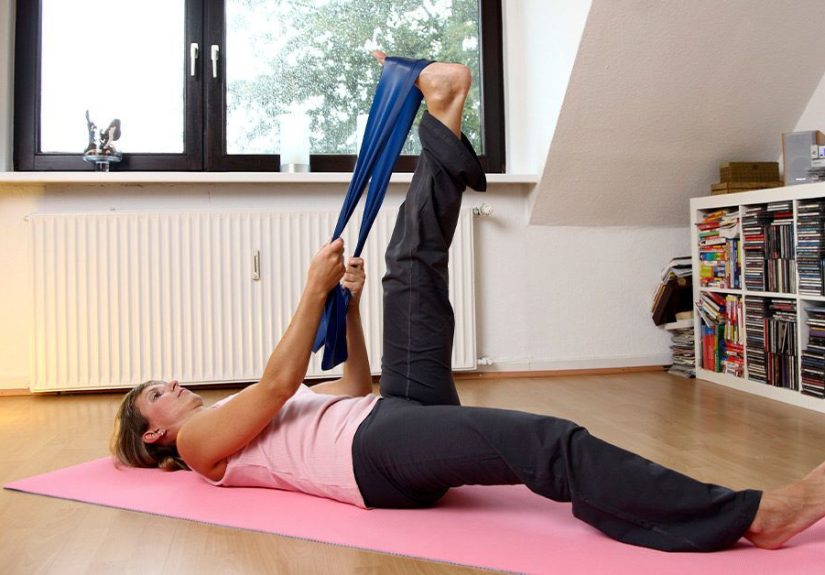
For example, in an active hamstring stretch, you might lift your leg and use your hip muscles to hold it in place. In a passive hamstring stretch, you might lie down and loop a strap around your foot, then gently pull until you feel tension. Your hamstring is lengthening, but you are not fighting gravity like a determined flamingo.
Passive stretching is often discussed alongside static stretching because both involve holding a position instead of moving through repetitions. But they are not exactly twins. Static stretching simply means holding still. Passive stretching is one form of static stretching, specifically the version where help comes from outside your body.
Passive Stretching vs. Active Stretching vs. Dynamic Stretching
Passive stretching
You relax while a prop, partner, or gravity assists the stretch. This style is commonly used after exercise, during cooldowns, in flexibility sessions, or in physical therapy programs.
Active stretching
You use your own muscles to hold the position. It often builds body control and mobility because one muscle group works while another lengthens.
Dynamic stretching
You move through a controlled range of motion rather than holding still. Think leg swings, arm circles, walking lunges, or hip openers. Dynamic stretching is usually a better fit before sports or workouts because it warms the body up instead of asking it to go from zero to pretzel.
This timing matters. Passive stretching can feel amazing, but it is generally not the first choice right before sprinting, jumping, or other explosive activity. Before intense exercise, your body typically responds better to movement-based warmups. After training, or in a dedicated recovery session, passive stretching makes a lot more sense.
Benefits of Passive Stretching
1. It can improve flexibility
This is the headline benefit and the reason most people show up. Regular passive stretching can help lengthen tight muscle groups and improve flexibility over time. That can be useful for athletes, older adults, office workers, and anyone whose hips feel like they were assembled from leftover plywood.
2. It may increase range of motion
Flexibility and range of motion are related, but they are not exactly the same thing. Flexibility refers to how much a muscle can lengthen. Range of motion refers to how far a joint can move. Passive stretching can support both by helping muscles around a joint become less resistant to movement. Better range of motion can make daily tasks easier, from bending down to tie your shoes to reaching overhead without making a dramatic sound effect.
3. It encourages relaxation
Passive stretching has a calm, low-effort quality that many people find relaxing. Because you are not actively contracting as hard, your nervous system often gets the message that it can dial things down a notch. This is one reason passive stretching fits well into recovery sessions, evening routines, and stress-management habits. It is not magic, but it can be the closest thing your hamstrings get to a spa day.
4. It can complement recovery
After a workout, passive stretching can help you slow down and transition out of go-go-go mode. It should not be sold as a miracle cure for soreness, because that would be fitness folklore in a tracksuit. Still, many people find that gentle post-workout stretching helps them feel looser, more comfortable, and more aware of areas that need attention.
5. It is accessible for many fitness levels
One of the best things about passive stretching is that it can be adapted. You do not need elite coordination, fancy equipment, or a yoga studio with twelve shades of sage green. A towel, wall, chair, or strap can be enough. That makes passive stretching useful for beginners, people returning to exercise, and people who struggle with mobility limitations.
6. It can target common “desk body” trouble spots
Sitting for long stretches often leaves people feeling tight in the hips, chest, hamstrings, calves, neck, and shoulders. Passive stretching can be a practical way to work on those areas. No, it will not erase eight hours of questionable posture in three minutes. But it can absolutely help offset some of the stiffness that builds during modern life.
When Should You Use Passive Stretching?
Passive stretching usually works best in three situations:
After exercise
Once your body is already warm, passive stretching can fit nicely into a cooldown. Muscles generally tolerate stretching better when they have been moving and have good blood flow.
During a separate mobility or flexibility session
You do not need a hard workout first. A few minutes of light movement, such as brisk walking or easy cycling, can warm your tissues enough for a focused stretching session.
As part of rehab or guided movement work
Physical therapists and sports medicine professionals often use passive stretches to help people work on flexibility and mobility safely, especially when certain areas are tight or recovering.
When is passive stretching less ideal? Right before explosive sports, heavy lifting, fast sprinting, or activities that demand maximum speed and power. In those cases, dynamic warmups usually make more sense.
How Long Should You Hold a Passive Stretch?
A common beginner-friendly guideline is to hold a passive stretch for about 10 to 30 seconds, or around 30 seconds if that feels comfortable. Some programs go a little longer for especially tight areas, but more time is not always better. Stretching should feel like controlled tension, not a hostage situation.
A practical approach looks like this:
- Hold each stretch for 15 to 30 seconds.
- Repeat it 2 to 4 times per side.
- Breathe normally instead of holding your breath like you are defusing a bomb.
- Stop short of pain.
If you are brand new, start gently. Flexibility improves through consistency, not through proving a point to your inner overachiever.
Safety Tips for Passive Stretching
Passive stretching is low drama, but it still deserves respect. Use these rules to stay on the smart side of flexibility work:
Warm up first
Do 5 to 10 minutes of light movement before stretching. Walking, marching in place, easy cycling, or a few controlled bodyweight moves can help.
Do not bounce
Bouncing can increase your risk of irritation or injury. Passive stretching should be smooth and steady.
Aim for tension, not pain
You should feel a stretch, not sharp pain, tingling, or numbness. If a stretch hurts, back off.
Communicate with a partner
Partner-assisted passive stretching can be effective, but it should never feel like a wrestling match. Clear communication matters. “Gentle” means gentle.
Be extra careful if you have an injury or medical condition
If you have chronic pain, recent surgery, a joint injury, hypermobility, osteoporosis, or a condition that affects nerves or circulation, get guidance from a healthcare professional before starting a new stretching routine.
Examples of Passive Stretches
Here are practical passive stretching examples for major muscle groups. These are general wellness stretches, not medical treatment plans.
1. Supine hamstring stretch with a strap
Lie on your back with one leg straight on the floor. Loop a strap or towel around the other foot and gently raise that leg toward the ceiling. Keep a soft bend in the knee if needed. Hold for 20 to 30 seconds, then switch sides.
2. Standing quadriceps stretch with wall support
Stand tall next to a wall. Hold your ankle behind you and gently bring your heel toward your glutes. Use the wall for balance. Keep your knees close together and do not arch your lower back like you are auditioning for a soap opera.
3. Calf stretch at the wall
Place both hands on a wall. Step one leg back and press that heel toward the floor. Lean forward slightly until you feel the stretch in the back calf. Gravity and body position do much of the work here.
4. Seated butterfly stretch
Sit with the soles of your feet together and your knees falling outward. Relax your hips and let gravity gently deepen the stretch. You can place blocks or cushions under your knees if that feels better.
5. Doorway chest stretch
Stand in a doorway with your forearms on the frame and step forward slowly. This can stretch the chest and front shoulders, which often feel tight after long hours of typing, scrolling, and pretending your posture is “fine.”
6. Child’s pose with support
Kneel on the floor, sit your hips back, and extend your arms forward. Rest your chest or forehead on a cushion or folded towel if needed. This can feel like a passive stretch for the back, hips, and shoulders when you settle into it gently.
7. Figure-four glute stretch on your back
Lie on your back, cross one ankle over the opposite knee, and draw the uncrossed leg toward your chest with your hands or a strap. You should feel the stretch in the outer hip and glute area.
A Simple Passive Stretching Routine for Beginners
Try this short routine 3 to 5 times per week after a walk or workout:
- Hamstring stretch with strap 20 to 30 seconds each side
- Calf stretch at wall 20 to 30 seconds each side
- Standing quad stretch 20 to 30 seconds each side
- Butterfly stretch 20 to 30 seconds
- Doorway chest stretch 20 to 30 seconds
- Figure-four glute stretch 20 to 30 seconds each side
Repeat the full cycle 2 times if you have time. The whole session can take under 10 minutes. That is shorter than many people spend deciding what show to watch.
Common Mistakes to Avoid
Stretching cold muscles
This is one of the most common mistakes. Cold muscles are less ready to lengthen comfortably.
Forcing the range
Going deeper is not always better. Your body responds better to repeated, comfortable work than to aggressive one-off stretching.
Holding your breath
Breathing helps you relax into the stretch. Breath-holding often does the opposite.
Ignoring symmetry
If one side feels tighter, note it, but do not spend ten minutes torturing that side into compliance. Work both sides consistently and give progress time.
Using passive stretching as the entire fitness plan
Stretching matters, but so do strength, balance, and aerobic exercise. A body that moves well usually benefits from all of the above, not just a heroic commitment to touching its toes.
Does Passive Stretching Prevent Injury?
This is where nuance matters. Passive stretching can support flexibility and mobility, which are helpful for healthy movement. But it is not a magic shield against injury, especially if it is done alone without strength training, proper warmups, rest, and progressive exercise habits.
A better way to think about it is this: passive stretching can be one useful tool in a bigger movement toolbox. It may help your body move more comfortably, reduce feelings of tightness, and support joint range of motion. But if you are hoping it will erase the consequences of poor training habits, skipped warmups, or sitting in a chair shaped like a regret machine, that is asking a lot from one towel-assisted hamstring stretch.
Who Can Benefit Most from Passive Stretching?
- People with tight muscles from sitting for long periods
- Recreational exercisers who want a simple cooldown routine
- Older adults working on comfortable daily movement
- Beginners who find dynamic mobility drills intimidating
- People in supervised rehab or physical therapy programs
- Athletes who want dedicated flexibility work outside intense training
What Passive Stretching Feels Like in Real Life: Experience-Based Perspective
Passive stretching usually does not feel dramatic at first. In fact, many beginners are disappointed because the session seems almost too simple. There is no heart-pounding effort, no giant sweat puddle, and no soundtrack telling you that greatness has arrived. What you often notice instead is subtle change. The first week may feel awkward. Your hamstrings might tremble. Your hips may act personally offended. Your shoulders may reveal just how many hours you spend leaning toward a screen like a curious houseplant.
Then something interesting happens. People often start noticing the benefits outside the stretching session itself. A runner may realize post-workout stiffness does not linger as long. An office worker may stand up from a desk with less of that “I have become one with the chair” feeling. Someone easing back into exercise may feel more confident because movement becomes less intimidating. Passive stretching tends to improve life in ordinary moments, which is honestly where most adults need the help.
There is also a mental side to the experience. Because passive stretching encourages stillness and steady breathing, it can become one of the few times in the day when you are not rushing, scrolling, or multitasking. Many people begin stretching for physical reasons and keep doing it because it feels grounding. It becomes a ritual. Strap, mat, deep breath, repeat. Not glamorous, but strangely satisfying.
Another common experience is learning patience. Flexibility gains rarely happen overnight. One session might feel amazing and the next might feel like your calves have filed a complaint. That is normal. Sleep, stress, hydration, workouts, and long periods of sitting can all change how your body responds on a given day. Progress with passive stretching is usually uneven but real. Over weeks and months, the stretch that once felt impossible starts to feel familiar. You stop fighting the position. Your breathing stays calm. Your body trusts the movement more.
People also learn the difference between “stretch sensation” and “bad idea.” That is an underrated skill. At first, some assume more discomfort equals more progress. Usually, it does not. The better experience comes from backing off slightly, relaxing, and letting the muscle lengthen without force. That is where passive stretching often shines. It teaches control, not just reach.
In the long run, the people who benefit most are often not the most extreme. They are the consistent ones. They stretch for ten minutes after walks. They do a calf stretch while coffee brews. They use a strap on the living room floor while pretending they totally meant to sit there. Passive stretching rewards that kind of regular, low-drama effort. It may not be flashy, but it is effective, sustainable, and refreshingly human.
Final Thoughts
Passive stretching is simple, adaptable, and worth understanding. It can help improve flexibility, support range of motion, encourage relaxation, and fit neatly into post-workout recovery or a standalone mobility routine. It is not the only type of stretching, and it is not a cure-all, but it earns its place in a well-rounded fitness plan.
The big takeaways are straightforward: warm up first, stretch gently, breathe, avoid pain, and use passive stretching at the right time. Think after exercise, not as a substitute for a proper warmup before explosive movement. With consistency, passive stretching can make everyday movement feel smoother and workouts feel better supported.
Your body does not need you to become a circus acrobat. It just needs a little regular care. Passive stretching is one of the easiest ways to give it exactly that.