Table of Contents >> Show >> Hide
- What “Patina” Means (and Why People Love It)
- Meet the Patina Oil Lamp Mini Copper: Design Details That Matter
- How an Oil Lamp Works (No Sorcery, Just Physics)
- Choosing the Right Fuel: Pretty Flame, Not a Chemistry Experiment
- Lighting It Without Creating Sooty Regrets
- Safety: The Non-Negotiables for Any Oil Lamp
- Caring for the Copper Finish: Patina Without Panic
- Styling Ideas: Where a Mini Copper Oil Lamp Shines
- Troubleshooting: When Your Lamp Acts Like a Diva
- Real-World Experiences With a Patina Oil Lamp Mini Copper ()
- Final Thoughts
A tiny oil lamp sounds like something you’d find in a pirate movie (next to a suspicious map and a parrot with trust issues).
But the Patina Oil Lamp – Mini Copper is very much a modern home accessory: minimalist, warm, and quietly dramatic in that
“I have my life together” wayeven if you’re currently eating cereal for dinner.
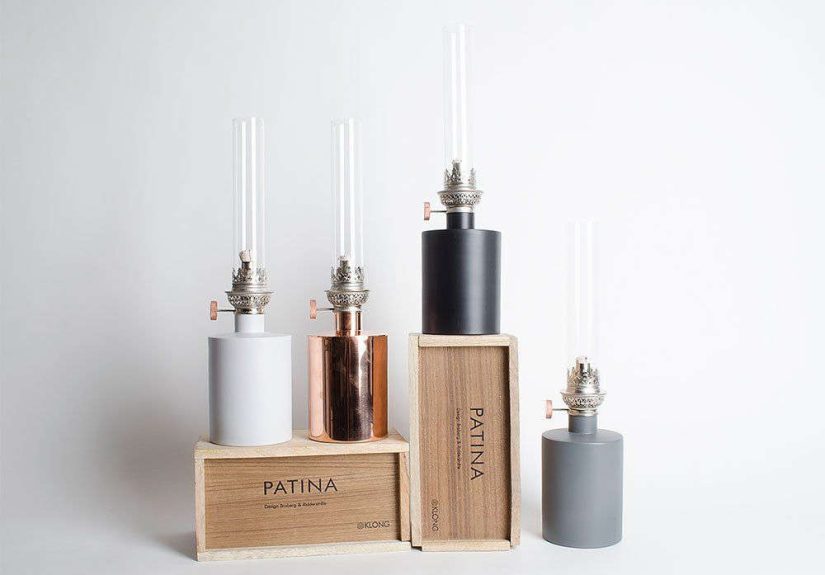
This little lot of glow is part of the Patina collection by Klong, designed by Mats Broberg and Johan Ridderstråle.
The idea is simple: a traditional oil lamp silhouette, updated so it looks right at home on a windowsill, a dining table, or a balcony on a mild night.
And because it’s copper-finished, it doesn’t stay “brand-new shiny” foreverits surface slowly develops that coveted, lived-in look we call patina.
What “Patina” Means (and Why People Love It)
Patina is not “damage”it’s character
Copper changes over time. It deepens, darkens, and can develop subtle variations in tone depending on air, humidity, and how often it’s handled.
In other words, your lamp becomes slightly unique to your home. Two identical lamps can age differently, like siblings who grew up in the same house but
somehow ended up with totally different playlists.
Why copper patina is such a vibe in decor
Copper sits in that rare sweet spot: it can look crisp and modern, or warm and vintage, depending on what you pair it with.
A mini copper oil lamp can read as Scandinavian minimalism on one table, and as moody vintage romance on anotherno outfit change required.
Meet the Patina Oil Lamp Mini Copper: Design Details That Matter
A traditional lamp, cleaned up for modern living
The Patina Mini is designed to feel timeless: a compact base with a clear glass tube/chimney that protects the flame from minor drafts and helps the lamp
burn more steadily. It uses a quality burner (often described as “French” quality) and a wick suited to the lamp’s smaller formatcommonly fiberglass in mini models.
Translation: it’s not just decorative; it’s made to be used.
Why “mini” is the magic size
Big lamps can turn into “the centerpiece that must be worshipped.” A mini lamp is more flexible:
tuck it onto a bookshelf, bring it outside for a calm evening, or cluster it with a couple of candles for a layered glow.
It’s the lighting equivalent of a great accessorysmall, but it changes the whole look.
How an Oil Lamp Works (No Sorcery, Just Physics)
The three essentials: fuel, wick, flame control
Oil lamps are simple machines:
- Fuel reservoir: holds the lamp oil.
- Wick: draws fuel upward by capillary action (tiny “pull” through fibers).
- Burner + airflow: regulates how the fuel vapor burns, which affects brightness, odor, and soot.
Fiberglass wick vs. cotton wick
Many traditional oil lamps use cotton wicks, while some modern minis use fiberglass. Fiberglass wicks can be durable and consistent,
but they still need correct flame height to avoid smoke. Cotton wicks may require trimming and occasional replacement.
Either way, the “secret” to a clean burn is the same: don’t run the flame too high, and use the right fuel.
Choosing the Right Fuel: Pretty Flame, Not a Chemistry Experiment
What “lamp oil” typically means for indoor use
For decorative indoor oil lamps, you’ll generally see recommendations for high-quality lamp oil, often a cleaner-burning paraffin-based oil
(sometimes marketed as “liquid paraffin” or “high-purity lamp oil”). The goal is a steady flame with minimal odor and soot.
Fuels to avoid (seriously, don’t freestyle this)
Avoid fuels not intended for indoor decorative lampsespecially anything highly volatile or not labeled for that purpose.
If the bottle doesn’t clearly say it’s for lamps (and ideally for indoor use), it’s not a “maybe.” It’s a “no.”
A mini lamp is not the place to discover your inner scientist.
Ventilation still matters
Even clean-burning oil is still an open flame. Use the lamp in a space with normal airflow (not sealed up like a snack drawer),
and keep it away from heavy drafts that can cause flicker, uneven burning, or soot.
Lighting It Without Creating Sooty Regrets
Let the wick drink first
After filling, give the wick time to absorb fuel before lighting. A dry wick can struggle to light cleanly and may scorch.
Patience here is not a personality traitit’s a clean-burn strategy.
Flame height: the difference between “cozy” and “why is my wall gray?”
The most common cause of smoke and soot is a flame that’s too high. Keep the exposed wick short and the flame modest.
You’re aiming for a steady glow, not a tiny torch auditioning for an action movie.
Extinguishing: do it gently
Blowing can stir smoke and cause a momentary flare. Many people prefer a snuffer-style approach or the lamp’s built-in method (if included).
Once it’s out, let the lamp cool before moving ithot metal and glass can surprise you.
Safety: The Non-Negotiables for Any Oil Lamp
Let’s be real: the most beautiful lighting in the world is not worth a preventable accident. Oil lamps are open flames with liquid fuel,
so treat them like you’d treat a candleonly with a bit more respect, because liquid fuel can spill.
- Never leave it unattendednot “for just a second,” not “while I run upstairs,” not “because the vibe is immaculate.”
- Use a stable, heat-safe surface away from curtains, papers, and anything that loves to catch fire.
- Keep it out of reach of children and pets. Small lamps + curiosity can be a risky combination.
- Store fuel safely in its original container, capped tightly, and away from heat sources.
- Don’t move a lit lamp. If you need it elsewhere, extinguish, cool, then relocate.
- Have a plan: know where you’d set it down if you needed both hands, and keep common sense within arm’s reach.
If you’re buying this primarily for ambiance, it’s totally reasonable to use it for short, supervised bursts: dinner, reading, a bath (placed far away),
or a calm evening outside. It’s a “moment-maker,” not a “leave it running for hours while you nap” situation.
Caring for the Copper Finish: Patina Without Panic
Routine cleaning: gentle wins
The easiest way to keep a copper-finished piece looking good is also the least dramatic:
dust regularly, wipe with a soft cloth, and avoid harsh cleaners. If you need more, use mild soap and water and dry thoroughly.
Copper’s relationship with moisture is like a cat’s relationship with a bathtub: complicated.
Fingerprints, spots, and “why is it brighter here?”
Copper shows handling. That’s part of its charm, but if you want fewer visible fingerprints, handle it with clean hands and wipe it after use.
Bright spots can happen from frequent touch or from contact with certain substances. Often, the finish re-blends over time as the surface naturally settles.
Should you seal it?
If you love the evolving patina, skip sealing and let it age naturally. If you prefer a more consistent look, you can protect the surface with a suitable wax
(often a microcrystalline wax used for metal care) or a clear protective coating designed for metals.
A quick rule of thumb:
- Wax = softer protection, easier to refresh, more “natural” look.
- Clear coat/lacquer = stronger barrier, but can chip or yellow over time and may be harder to reverse.
If you’re unsure, start with the gentlest approach: keep it clean, dry, and handled minimally. You can always add protection later,
but “un-polishing” an over-cleaned copper finish is… a life lesson.
Styling Ideas: Where a Mini Copper Oil Lamp Shines
On a dining table (without stealing the show)
The mini size works beautifully for intimate dinners because it won’t block conversation. Place it on a small tray with a match holder and a couple of low votives.
The copper warms up wood tones and makes white plates look extra crisp.
In a reading nook
An oil lamp glow isn’t a replacement for task lighting, but it’s a perfect companion. Use it alongside a real reading lamp for that
“bookstore café at home” mood.
On a balcony or patio
A glass chimney helps in light breezes, and copper looks especially good against outdoor texturesstone, concrete, wicker, or weathered wood.
If you want the vibe without the worry, keep burn times short and always supervise.
Troubleshooting: When Your Lamp Acts Like a Diva
If it smokes or leaves soot
- Lower the flame (most common fix).
- Check for drafts causing flicker and incomplete combustion.
- Use a higher-quality lamp oil intended for indoor lamps.
- Make sure the wick is properly positioned and not frayed or uneven.
If the flame feels weak
- Give the wick more time to soak after filling.
- Confirm the fuel level isn’t too low to feed the wick consistently.
- Ensure the lamp is assembled correctly and airflow isn’t blocked.
If there’s noticeable odor
- Switch to a cleaner-burning, high-quality lamp oil.
- Lower the flame height.
- Use the lamp in a normally ventilated space.
Real-World Experiences With a Patina Oil Lamp Mini Copper ()
The first experience most people have with a mini copper oil lamp is the “smaller than expected” momentfollowed immediately by
“oh, this is adorable.” Mini doesn’t mean flimsy; it means you can actually place it where you live, not where you stage your life for photos.
On a narrow windowsill, it looks intentional. On a crowded coffee table, it doesn’t start a territorial dispute with your books, mug, and remote controls.
Lighting it for the first time tends to be oddly satisfying. You fill it carefully, wait for the wick to saturate, and thenthere it is:
a warm, steady flame that feels softer than most electric lighting. It’s the kind of glow that makes your space look calmer than it is.
Laundry pile? Suddenly it’s “textural.” Unopened mail? “Minimalist sculpture.” The lamp is not judging you; it’s simply upgrading the atmosphere.
Over repeated use, the copper finish becomes part of the story. You might notice the surface shifting slightly where fingers naturally touch when you move it.
Some people love that: the lamp develops a lived-in gradient that feels authentic, like vintage copper cookware that’s actually been used.
Others prefer a more uniform appearance and start wiping it down after each use. Either approach is validthis is decor, not a moral philosophy.
A mini lamp also shines (pun fully intended) during gatherings. It’s a conversation starter because it’s not as common as a candle, but it reads similarly:
intentional, warm, and a little romantic without being over-the-top. On a dinner table, it feels like a centerpiece that doesn’t demand attention,
just quietly contributes. Guests tend to lean innot only for the light, but because the flame feels “real” in a way screens don’t.
People also appreciate these lamps as part of a backup-light routine. Not as a primary emergency systemjust as a small, comforting option
during short outages or when you want a break from overhead lights. The key “experience” lesson here is respect:
you don’t move it when it’s lit, you don’t leave it burning while you wander off, and you don’t treat it like a set-it-and-forget-it gadget.
When used thoughtfully, it’s a simple ritual: light, enjoy, extinguish, and let it cool.
The most consistent takeaway is that a Patina Oil Lamp Mini Copper brings a specific kind of calm. It doesn’t flood the room with brightness.
It makes pockets of glowlittle warm zones that encourage you to slow down. And in a world where everything is loud, bright, and buzzing,
that quiet flame feels like a tiny luxury you can actually use.
Final Thoughts
The Patina Oil Lamp – Mini Copper hits a rare combination: it’s functional, sculptural, and it ages beautifully.
The copper finish rewards you over time, the mini size makes it easy to place, and the flame adds warmth that electric bulbs can’t quite imitate.
Treat it with basic care, use the right fuel, keep the flame modest, and prioritize safetyand you’ll get years of cozy light with a finish that only gets better.