Table of Contents >> Show >> Hide
- What Is Pemphigoid?
- Types of Pemphigoid (And Their Favorite Hangouts)
- Causes: Why Does Pemphigoid Happen?
- Symptoms: What Pemphigoid Looks Like (and Feels Like)
- When to See a Clinician (A Few Clear “Don’t-Wait” Signals)
- How Pemphigoid Is Diagnosed
- A Quick Treatment Snapshot (Because Symptoms Don’t Read the Calendar)
- Living With Pemphigoid: Practical, Symptom-Focused Tips
- Experiences: What Living With Pemphigoid Often Feels Like (About )
- Conclusion
- SEO Tags
“Pemphigoid” sounds like a villain from a sci-fi movie, but it’s actually a group of rare autoimmune blistering diseases.
The short version: your immune system misreads a memo, targets the “glue” that helps keep skin (and sometimes mucous membranes)
attached, and you end up with itchy, tense blisters that seem to appear out of nowhere.
This article breaks down the major types of pemphigoid, what we know about causes and triggers,
and the symptoms people most commonly noticeplus a real-world “what it’s like” section at the end.
(Spoiler: the itch is often the main character.)
What Is Pemphigoid?
Pemphigoid is an umbrella term for autoimmune conditions that cause
subepidermal blisteringmeaning the “split” happens beneath the outer layer of skin.
Because the blister roof is thicker, pemphigoid blisters often look tight/tense and don’t pop as easily.
Pemphigoid is not contagious. You can’t catch it from someone, and you can’t “give it” to anyone.
It’s also not simply an allergy or “sensitive skin,” even if it starts out looking like hives or a rash.
Pemphigoid vs. Pemphigus (The 30-Second Difference)
People mix these up all the time because the names are basically twins. Here’s the practical distinction:
-
Pemphigoid: blister forms below the top skin layer → blisters are often tense
and may be very itchy. -
Pemphigus: blister forms within the top skin layer → blisters are often fragile
and break into painful erosions, commonly involving the mouth.
Both are autoimmune blistering diseases, but they behave differently and are treated a bit differentlyso the label matters.
Types of Pemphigoid (And Their Favorite Hangouts)
“Pemphigoid” is a family name. The most common “siblings” are
bullous pemphigoid, mucous membrane pemphigoid, and pemphigoid gestationis.
Bullous Pemphigoid (BP)
Bullous pemphigoid is the most common pemphigoid condition. It usually affects older adults and often
starts with itching or an urticarial (hive-like) rash before true blisters appear.
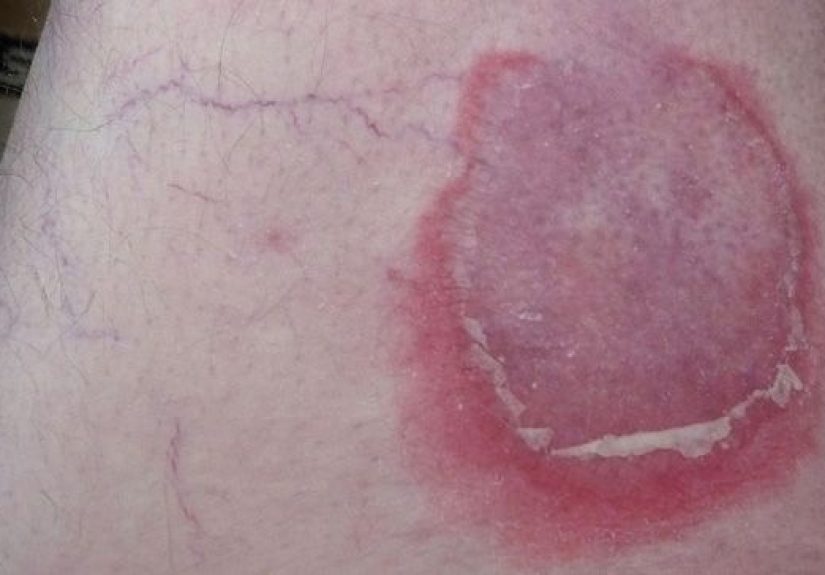
When blisters arrive, they’re typically large, tense, and filled with clear or blood-tinged fluid.
Common locations include the trunk, arms, legs, and areas that bend or fold
(think armpits, groin, or the lower abdomen). Mouth involvement can occur,
but it’s less common than in some other blistering diseases.
BP often runs a chronic coursemeaning it can last months to years, with flares and quieter stretches.
With treatment, many people get good control.
Mucous Membrane Pemphigoid (MMP) (Also Called Cicatricial Pemphigoid)
Mucous membrane pemphigoid mainly targets mucosal surfacessoft “lining” tissues such as the
mouth, eyes, nose, throat, genitals,
and sometimes the esophagus. Skin can also be involved, but mucous membranes are usually the headline.
The big difference with MMP is the potential for scarring. That scarring risk is especially important
when the eyes are involved (sometimes called ocular cicatricial pemphigoid), because
untreated inflammation and scarring can lead to serious vision problems.
Pemphigoid Gestationis (PG)
Pemphigoid gestationis is a rare autoimmune blistering disease associated with
pregnancy (and sometimes the postpartum period). It often begins with intense itching and a rash that
can start around the belly button, then spread to other areas.
Despite an older nickname you might still hear (“herpes gestationis”), this condition is not caused by the herpes virus.
It earned that old name because the rash can look “herpetiform” (clustered), not because it’s infectious.
Symptoms commonly appear in the second or third trimester, but timing varies. Some people flare after delivery,
and future pregnancies can trigger recurrence.
Other Variants You Might See Mentioned
Depending on the clinic, research paper, or specialist, you may run into additional labels. A few examples:
- Localized bullous pemphigoid: BP limited to a smaller area (sometimes the lower legs, or around sites of trauma).
- Drug-induced bullous pemphigoid: BP that appears after starting a medication and may improve after stopping it (with medical guidance).
- Brunsting–Perry variant: a scarring form that tends to affect the head/neck region (often discussed under the MMP spectrum).
Don’t stress about memorizing every subtype. Clinically, what matters most is: skin vs. mucous membranes,
scarring risk, and severity.
Causes: Why Does Pemphigoid Happen?
Pemphigoid conditions are caused by an autoimmune process. The immune system produces antibodies that
mistakenly target proteins in the basement membrane zonethe microscopic “anchoring layer” between the
outer skin (epidermis) and the deeper skin (dermis), or similar anchoring structures in mucous membranes.
In bullous pemphigoid, the best-known targets include proteins often referred to as
BP180 (also called type XVII collagen) and BP230.
This immune attack triggers inflammation, and fluid collects to form a blister beneath the epidermis.
Risk Factors and Triggers (The “Why Now?” Question)
In many cases, there’s no single identifiable causemore like a “perfect storm” of susceptibility and triggers.
Factors often discussed include:
- Age: Bullous pemphigoid is more common in older adults.
-
Medications: Some drugs have been linked to BP in susceptible people. Examples reported in medical sources include
certain diabetes medications (notably some DPP-4 inhibitors), and other drug categories.
(This doesn’t mean these meds are “bad”just that your clinician may review your list carefully.) - Skin injury or stressors: UV exposure, radiation therapy, trauma, or surgery can sometimes precede or worsen blistering.
- Pregnancy: The key “trigger context” for pemphigoid gestationis.
- Immune system patterns: Autoimmune diseases sometimes cluster, so clinicians may ask about other autoimmune history.
Important nuance: triggers are not the same as root cause. A trigger may simply be the match that lights the fire
the underlying “why” is the immune system’s misdirected response.
Symptoms: What Pemphigoid Looks Like (and Feels Like)
Pemphigoid symptoms can range from “mild but maddening” to “please get me to a specialist yesterday.”
Many people experience a phase where it looks like eczema or hives before the first blister appears.
Common Skin Symptoms (Especially in Bullous Pemphigoid)
- Itching that can be intense and can start weeks or months before blisters show up.
- Red, inflamed patches or hive-like welts.
- Large, tense blisters (bullae) that don’t rupture easily.
- Pain or burning, especially when skin is raw after a blister breaks.
- Skin-fold involvement (groin, underarms, lower abdomen) is common.
- Color changes after healing (post-inflammatory hyperpigmentation or discoloration), depending on skin tone and inflammation.
Mucous Membrane Symptoms (Especially in MMP)
MMP symptoms depend on which mucosal sites are involved. The “classic” warning sign is
painful erosions or blisters on lining tissuesoften with ongoing inflammation that can scar.
- Mouth: sore gums, blisters/erosions, pain with eating, persistent ulcer-like areas.
- Eyes: redness, irritation, dryness, gritty sensation, light sensitivity, and progressive scarring changes.
- Nose/throat/larynx: chronic irritation, hoarseness, soreness, or breathing discomfort (in more severe cases).
- Esophagus: pain or difficulty swallowing.
- Genitals/anogenital area: tenderness, erosions, discomfort with urination or sex.
If eye symptoms appear with suspected MMP, it’s typically treated as urgent because scarring can permanently affect vision.
Pemphigoid Gestationis Symptoms
- Severe itching that can be intense and relentless (yes, even at nightespecially at night).
- Rash that often starts on the abdomen (commonly around the belly button) and can spread.
- Blisters may develop after the rash phase, with variable distribution.
- Flares may occur around delivery or postpartum, and recurrence can happen in later pregnancies.
When to See a Clinician (A Few Clear “Don’t-Wait” Signals)
Blisters can happen for many reasonssome minor, some serious. Consider prompt medical evaluation if:
- You have new blisters without an obvious cause (burn, friction, known allergy).
- You have mouth, eye, or genital sores along with blistering or persistent irritation.
- You’re pregnant or recently postpartum and develop an intensely itchy rash with or without blisters.
- You notice signs of infection (spreading redness, warmth, pus, fever) around blisters.
- Your symptoms are disrupting sleep, eating, or daily function (that’s not “being dramatic”that’s clinically relevant).
How Pemphigoid Is Diagnosed
Pemphigoid diagnosis usually isn’t made by eyeballing alone (even though dermatologists have impressive eyeballs).
A typical workup includes:
- History and physical exam: pattern, itch timeline, mucosal symptoms, medication review.
- Skin (or mucosal) biopsy for routine microscopy to look for subepidermal blistering patterns.
-
Direct immunofluorescence (DIF): a specialized test on biopsy tissue that can show antibody/complement deposition
along the basement membrane zone. - Blood tests (in some cases): to detect circulating antibodies against target proteins.
These tests help distinguish pemphigoid from look-alikes such as eczema, allergic reactions, infections, or other autoimmune blistering diseases.
A Quick Treatment Snapshot (Because Symptoms Don’t Read the Calendar)
This article focuses on types, causes, and symptomsbut a few treatment basics help make the symptom story make sense.
Management depends on severity, location (skin vs. eyes/mucosa), age, and other medical conditions.
- Topical corticosteroids (often high potency) are commonly used for skin-limited BP.
-
Systemic treatments may be needed for widespread disease or mucosal/ocular involvementthese can include oral steroids
and steroid-sparing anti-inflammatory or immunosuppressive medications chosen by the clinician. - Wound care matters: blister protection, infection prevention, and pain control are not “extras”they’re core care.
- Ocular MMP often requires close collaboration between ophthalmology and other specialists to prevent scarring-related vision loss.
If you suspect a medication trigger, do not stop prescriptions on your ownbring the list to your clinician so they can weigh risks and alternatives safely.
Living With Pemphigoid: Practical, Symptom-Focused Tips
Make Itch Less Bossy
- Use gentle, fragrance-free cleansers and moisturizers to support the skin barrier.
- Keep showers lukewarm (hot water can feel amazing for 30 seconds… and then make itch worse).
- Wear soft, breathable fabrics and avoid friction at rash-prone sites.
Protect Blisters Like They’re Tiny Water Balloons
- Try not to rupture blisters; intact blister roofs can protect against infection.
- If a blister breaks, keep it clean and covered as directed by your clinician.
- Watch for infection signs earlypemphigoid skin can be vulnerable when raw.
Track Patterns (Without Becoming a Spreadsheet)
A simple notewhen itch started, when blisters appeared, new meds, infections, sun exposure, stress spikescan help clinicians identify patterns.
You don’t need an app and a dashboard. A phone note is enough.
Experiences: What Living With Pemphigoid Often Feels Like (About )
Everyone’s experience is unique, but people with pemphigoid often describe a surprisingly similar emotional storyline:
confusion → frustration → “why is my skin doing this?” → relief when it finally gets a name.
Pemphigoid can begin quietlyan itch that seems out of proportion to what you can see. Some people say the itch feels
“deep,” like it’s under the skin rather than on top of it. It can wake you up at night, turn meetings into endurance sports,
and make you question whether you’ve suddenly become allergic to your own laundry detergent (even when you haven’t changed anything).
Then, when the first tense blisters appear, there’s often a second wave of stress: blisters tend to look dramatic,
even when you feel otherwise okay. People describe becoming “hyper-aware” of their skinplanning outfits around friction,
avoiding seatbelts rubbing the wrong spot, or carefully choosing where to place a bag strap. Small daily decisions become
strategic: Which shoes won’t irritate a blister? Can I cook without heat making the itch worse? Will the bandage show through my sleeve?
For those with mucous membrane pemphigoid, the experience can be even more disruptive because symptoms may affect basic functions.
Oral involvement can make brushing teeth painful and eating feel like navigating a minefield of spicy, crunchy, or acidic foods.
Some people shift toward soft foods for comfortsoups, yogurt, smoothiesuntil inflammation calms down. Eye involvement brings its own
stress: persistent irritation, dryness, and fear about vision changes. Even mild ocular symptoms can feel unsettling because eyes are
non-negotiable equipment for daily life.
Another common theme is the “looks fine / feels awful” mismatch. Early pemphigoid can resemble eczema or hives, leading to
rounds of topical creams that don’t quite work. Once diagnosis happensoften with a biopsymany people describe relief that
it’s not contagious and that there’s a plan. But relief can coexist with anxiety about long-term control, medication side effects,
and flare unpredictability. It’s normal to feel both grateful and overwhelmed at the same time.
On the practical side, people often learn a few hard-won habits: keeping nails short to reduce skin damage from scratching,
stocking up on gentle skin-care basics, and finding bandages that protect without tearing fragile skin. Many also benefit from
having a “flare routine”a quick checklist for when symptoms spike (photos for tracking, contacting the clinic, adjusting wound care,
and avoiding known irritants). The biggest quality-of-life upgrade often comes from symptom control: when itch calms down and new blisters stop,
sleep returnsand with sleep, everything gets easier.
If there’s one consistent takeaway from patient stories, it’s this: pemphigoid is not just “a rash.” It can affect comfort, confidence,
and routines. But with accurate diagnosis, appropriate treatment, and supportive care, many people regain stability and get back to feeling like
themselvesjust with better moisturizer and a newfound respect for the basement membrane zone.
Conclusion
Pemphigoid is a group of autoimmune blistering diseasesmost notably bullous pemphigoid, mucous membrane pemphigoid,
and pemphigoid gestationis. The common thread is an immune attack on anchoring structures beneath the surface,
leading to itching, rash, and tense blisters; in MMP, mucosal involvement and scarring risk are key concerns.
If you notice unexplained blisters (especially with mouth or eye symptoms), getting evaluated early can make a big difference in outcomes.