Table of Contents >> Show >> Hide
- Why bug bites can look wildly different
- Common reactions: what’s normal vs. what’s not
- Types of bites and what “pictures” usually show
- How to take useful “imágenes” (pictures) for identification
- First aid and symptom relief: what to do right now
- When to seek urgent care (or call 911)
- Prevention that actually works (and the myths that don’t)
- FAQ: quick answers to common bite questions
- Real-world experiences related to “Picaduras de insectos: reacciones, tipos e imágenes” (about )
- Conclusion
The title is Spanish, but the itch is universal: “picaduras de insectos” means insect bitesplus the reactions they cause, the types you’ll run into,
and what they typically look like in photos (imágenes). If your skin currently resembles a tiny, mysterious constellation… you’re in the right place.
This guide is written for standard American English readers and focuses on common U.S. scenarios: mosquitoes at dusk, bed bugs in a hotel mattress seam,
ticks on a hike, and the occasional “I swear that was a flying needle” wasp sting. You’ll learn how bites and stings usually appear, how to tell normal irritation
from “please call for help,” and what actually works for relief and prevention.
Quick safety note: Photos can help you spot patterns, but they can’t diagnose you. If you have trouble breathing, swelling of the tongue/throat, fainting, or widespread hives after a stingtreat it like an emergency.
Why bug bites can look wildly different
Two people can get bitten by the same bug and end up with totally different “artwork.” That’s because the mark you see is a mix of:
- The bug’s saliva or venom (an irritant, an anticoagulant, or both).
- Your immune response (from barely noticeable to dramatically itchy).
- Location and timing (thin skin reacts differently than thicker skin; a fresh bite looks different than a 2-day-old bite).
- Scratching (your nails can turn a small bump into an inflamed, infected messno judgment, just facts).
Common reactions: what’s normal vs. what’s not
1) Normal local reaction (most common)
Think: a small red bump, mild swelling, warmth, and itch that improves over 1–3 days. Mosquito bites often fit this category. Stings can be more painful
at first, then itchy later.
2) Large local reaction (big, dramatic, but usually still local)
This is when swelling spreads beyond the bite or sting sitesometimes several inchesand peaks over 24–48 hours. It can look scary (and feel tight),
but it’s still limited to the general area. It’s more common after bee/wasp stings, fire ant stings, or repeated exposures.
3) Papular urticaria (hypersensitivity, often in kids)
Some peopleespecially childrenget clusters of very itchy bumps from bites that others barely notice. The bites may linger longer and flare after new bites.
It’s not “weakness.” It’s an immune system with main-character energy.
4) Infection (secondary, from bacteriaoften after scratching)
Infection is less about the bug and more about what happens after. Watch for increasing pain, spreading redness, warmth, pus, or fever. A bite that keeps getting
worse day after day (instead of slowly improving) deserves attention.
5) Allergic reaction / anaphylaxis (rare, urgent)
A true systemic allergic reaction can include widespread hives, swelling of lips/face, wheezing, trouble breathing, vomiting, dizziness, or fainting.
This can happen quickly after stings (and sometimes after bites). If you have a prescribed epinephrine auto-injector, use it and get emergency care.
Types of bites and what “pictures” usually show
Below are common “photo-identification” clues. Use them like a weather forecast: helpful, not perfect.
If your bite looks unusual (blistering, blackening skin, severe pain, spreading rash, fever), don’t rely on selfiestalk to a clinician.
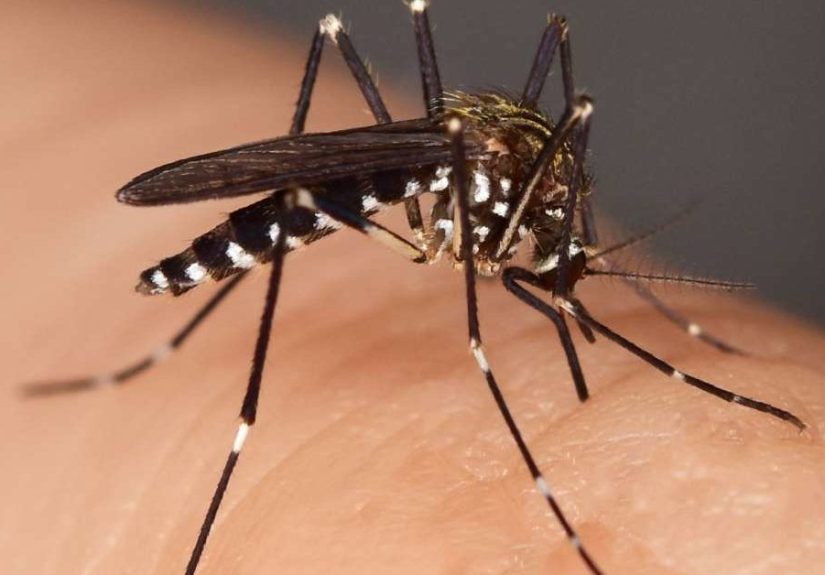
Mosquito bites
Typical look: round, puffy, itchy bump (pink/red), often with a softer edge. Some people get larger welts.
Common locations: exposed skinarms, legs, neck.
Image idea: a single raised bump on the forearm with mild redness around it.
What helps: cold compress, 1% hydrocortisone, calamine, or an oral antihistamine. Avoid scratchingmosquito bites are basically a dare.
Bed bug bites
Typical look: itchy welts or bumps that often show up in lines, clusters, or a zigzag pattern. Some people barely react; others react big.
Common locations: exposed skin during sleeparms, neck, face, hands.
Image idea: three to five bumps in a line on an arm (“breakfast, lunch, dinner” is the grim joke).
Clue outside the body: bites alone don’t prove bed bugslook for signs in bedding seams, mattress edges, and nearby furniture.
Flea bites
Typical look: small, intensely itchy bumps, sometimes with a tiny central dot. Often appear in clusters.
Common locations: ankles, lower legsespecially if there are pets, carpets, or upholstered furniture involved.
Image idea: multiple small bumps around the ankles and lower shin.
Tick bites
Typical look: may be a small red spot, a mild bump, or nothing obvious (ticks are stealthy).
The bigger issue is disease risk in some areas. Removing the tick promptly and correctly matters.
Image idea: a small red spot with minimal swelling; optional photo of the tick (saved safely) for identification if needed.
Red flags after a tick bite: fever, fatigue, new joint pains, or a spreading rash.
A bull’s-eye rash can happen, but not everyone gets the classic patternso symptoms matter.
Chigger bites
Typical look: very itchy, clustered bumpsoften near tight clothing lines (sock line, waist, under waistband).
Common scenario: tall grass, brushy areas, sitting on the ground.
Image idea: clusters of small bumps around the sock line or waist.
Fire ant stings
Typical look: burning pain at first, then itchy bumps that can form small pustules (tiny “whitehead-like” blisters).
Common locations: feet, ankles, lower legs.
Image idea: multiple small raised bumps on the foot, some turning into pustules.
Bee, wasp, hornet, and yellow jacket stings
Typical look: immediate sharp pain, swelling, redness; later itching. Honeybees can leave a stinger behind; many wasps do not.
Multiple stings increase risk of a bigger reaction.
Image idea: a swollen red patch with a clear sting point; if present, a stinger close-up (don’t squeeze it).
“Spider bites” (often not actually spiders)
Many mystery skin bumps get blamed on spiders. In reality, lots of rashes, infections, and insect bites look similar.
If you didn’t see a spider, keep an open mind.
How to take useful “imágenes” (pictures) for identification
If you’re going to photograph a bite (for yourself, a telehealth visit, or a clinician), make it count:
- Use natural light (near a window) and avoid harsh flash glare.
- Take two shots: one close-up and one “context” shot showing where it is on the body.
- Add a size reference: a coin or a ruler (not your fingerfingers are famously unreliable units).
- Photograph daily if it’s changing (same lighting, same angle).
- Don’t scrub or irritate the area just to make it “show up.” Your skin is not a science fair project.
First aid and symptom relief: what to do right now
Step-by-step for most bites
- Wash with soap and water.
- Cool it down with a cold compress 10 minutes on, 10 minutes off as needed.
- Reduce itch/inflammation: 1% hydrocortisone cream, calamine lotion, or an oral antihistamine if appropriate for you.
- Protect the skin: keep nails short; consider a light bandage at night if you scratch in your sleep.
- Monitor for infection: worsening redness, pain, swelling, warmth, pus, or fever.
Special steps for stings (bee/wasp)
- If there’s a stinger: remove it promptly. Scraping it out can reduce venom exposure (avoid squeezing the venom sac).
- Cold compress for swelling and pain.
- Watch your whole body for allergic symptoms, not just the sting site.
Special steps for tick bites
- Use fine-tipped tweezers and grasp the tick close to the skin.
- Pull upward steadilyno twisting or jerking.
- Clean the bite area and your hands.
- Skip the “folk remedies” (heat, petroleum jelly, nail polish): they can make things worse.
- Track symptoms for the next few weeks and note the date of the bite.
When to seek urgent care (or call 911)
Don’t “tough it out” if you have signs of a serious allergic reaction or systemic illness. Seek emergency care for:
- Difficulty breathing, wheezing, throat tightness, or swelling of the tongue/lips/face
- Dizziness, fainting, confusion, or a rapid/weak pulse
- Widespread hives or swelling far from the bite/sting
- Severe vomiting/diarrhea after a sting (especially with other symptoms)
- Severe pain, blistering, or skin that turns dusky/black
Seek medical advice soon (same day or next day) if you have: rapidly spreading redness, fever, pus, worsening pain, or a rash/flu-like symptoms after a tick bite.
Prevention that actually works (and the myths that don’t)
Use EPA-registered insect repellents correctly
In the U.S., repellents registered by the Environmental Protection Agency (EPA) have been evaluated for effectiveness and safety when used as directed.
Apply repellent to exposed skin and/or clothing, avoid eyes and mouth, and don’t use it under clothing. If you use a spray, spray your hands first and then apply to your face.
Kids and repellent: practical rules
- Don’t spray repellent directly on a child’s facespray your hands and apply.
- Avoid hands (kids touch everything… then touch their eyes and mouth).
- Follow age guidance on products; some ingredients have minimum age recommendations.
Clothing tricks: boring, effective, and worth it
- Wear long sleeves and pants in tick and mosquito areas (loose-fitting helps).
- Use permethrin-treated clothing and gear when appropriate (follow label directions).
- Light-colored clothing can make ticks easier to spot.
Home tactics
- Mosquito control: dump standing water, use window screens, and consider fans on patios (mosquitoes aren’t great flyers).
- Bed bugs: inspect hotel beds, keep luggage off the bed, and watch for signs at home (professional pest control is often needed).
- Fleas: treat pets and clean soft surfaces thoroughly; otherwise, the bites keep coming like an unwanted subscription.
What doesn’t work reliably
- Ultrasonic “repellent” gadgets (your phone already makes enough noise, thanks).
- Bug zappers for mosquitoes (they often kill more helpful insects than mosquitoes).
- Random essential oils as a sole strategy for high-risk areas (effectiveness varies and usually doesn’t last long).
FAQ: quick answers to common bite questions
Why do my bites itch more at night?
Warmth from bedding, increased awareness when you’re still, and rubbing against fabric can amplify itch signals. Also, your brain has fewer distractions at 2 a.m.
Should I pop a fire ant pustule?
No. Keep it clean and protected. Popping increases infection risk and rarely improves healing.
Is a bull’s-eye rash the only sign of Lyme disease?
No. Some people don’t get a classic bull’s-eye. If you develop fever, fatigue, aches, or a spreading rash after a tick bite, get medical guidance.
Can bed bugs spread disease?
Bed bugs are mainly a nuisance and cause itchy reactions; complications are more often from scratching and secondary infection than from disease transmission.
Real-world experiences related to “Picaduras de insectos: reacciones, tipos e imágenes” (about )
In real life, bug bites rarely show up as neat textbook examples. People often describe the first clue as a “new itch with a plot twist.” For example, a parent may notice
their child has several small bumps on the ankles after a weekend at a friend’s house. The child feels fine, but the itching is intense and the bumps seem to come in clusters.
That patternespecially around sock linesoften leads families to check for fleas or chiggers, wash bedding, and treat the itch with a cold compress and over-the-counter
anti-itch cream. The biggest lesson they report: the itching improves faster when scratching is prevented early, even if that means trimming nails and using a light bandage at night.
Another common experience happens during travel. Someone wakes up in a hotel with three itchy welts in a row on the forearm and thinks, “Mosquito?” Then the bites keep appearing
each morning, usually on exposed skin. At that point, many people start taking “imágenes” (pictures) to compare day to day: Are the bumps in lines? Are there clusters near the
wrist and neck? They may also photograph the bed areamattress seams, headboard edges, and luggage placementto look for signs of bed bugs. In these situations, people frequently say
the emotional stress can be bigger than the bites themselves. A practical takeaway is to focus on controllable steps: keep luggage off the bed, inspect sleeping areas, and wash/dry
clothes on high heat after returning home when bed bugs are a concern.
Outdoor enthusiasts share a different storyline: the “tick check regret.” Someone comes back from hiking and later notices a tiny tick attached behind the knee or along the hairline.
The most helpful experiences emphasize calm, correct removalfine-tipped tweezers, a steady upward pull, then cleaning the area. People who do well often write down the date and keep a
simple note in their phone: location of the hike, where the tick was found, and whether symptoms develop later. Many say the anxiety drops once they have a clear plan:
remove correctly, monitor, and seek medical advice if fever, spreading rash, or flu-like symptoms show up.
Then there’s the sting scenariousually involving a backyard drink, a yellow jacket, and a sudden dance move nobody practiced. People commonly report that swelling and soreness
can expand over a day, which feels alarming but can still be a local reaction. The “experienced” approach is to treat swelling early (cold compresses, appropriate anti-itch meds)
and watch the whole body for allergic symptoms rather than staring at the sting site like it owes you money. Those with known sting allergies often describe a very different routine:
they carry epinephrine, inform friends or family where it is, and treat breathing symptoms or widespread hives as an immediate emergencyno waiting to “see if it passes.”
Across all these stories, one theme repeats: photos help when they’re taken thoughtfully. A close-up plus a wider shot, consistent lighting, and a size reference can make a telehealth
visit or clinic appointment more productive. And perhaps the most universal experience of all: the itch is loud, but the best outcomes usually come from calm steps, good hygiene, and
knowing exactly when it’s time to get medical help.
Conclusion
Insect bites and stings are often harmless, always annoying, and occasionally serious. Most can be handled with simple first aid: wash, cool compress, anti-itch support, and
a strict “hands off” policy for scratching. “Imágenes” and pattern clues can help you guess the likely culpritmosquito vs. flea vs. bed bug vs. tickbut don’t let photos
replace common sense. If symptoms spread beyond the bite site, worsen steadily, or include breathing trouble, swelling of the face/throat, fainting, or widespread hives,
seek emergency care.