Table of Contents >> Show >> Hide
- Can you really get a pimple on a mole?
- What a harmless pimple-on-mole situation usually looks like
- What to do when you notice one
- What not to do
- When a “pimple” may be something more
- The ABCDE rule still matters
- Could it be skin cancer instead of acne?
- When to make an appointment
- What a dermatologist may do
- How to keep mole monitoring practical instead of obsessive
- Composite experiences people often relate to
- Final takeaway
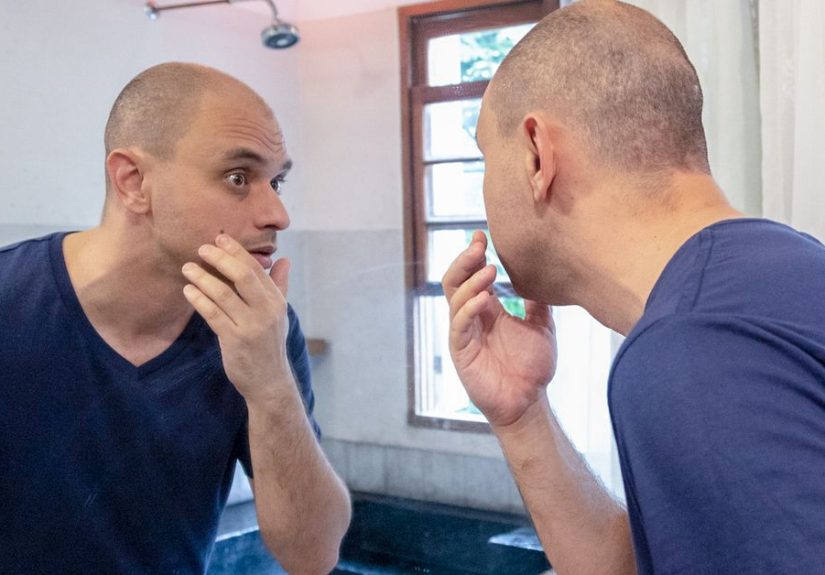
Nothing wakes up your inner health detective quite like spotting a bump on top of a mole. One second you are washing your face like a calm, reasonable person. The next, you are squinting into the mirror like a crime-scene investigator asking, “Is this just a pimple, or is my skin trying to send me an urgent memo?”
The good news is that a pimple on or around a mole is often not a catastrophe. Sometimes it really is just a clogged pore, an irritated hair follicle, or inflammation in skin that happens to include a mole. The less-fun news is that not every bump deserves to be dismissed as “probably acne.” A spot that changes, bleeds, keeps coming back, or stops acting like a normal pimple deserves a closer look.
This guide walks through what a pimple on a mole can mean, what you should do right away, what not to do, and which signs mean it is time to stop Googling and let a dermatologist take the wheel.
Can you really get a pimple on a mole?
Yes, it can happen. A mole is a collection of pigment-producing cells, but the skin around and sometimes through that area can still include hair follicles and oil-producing structures. That means a clogged pore, irritated follicle, trapped oil, friction, or even a shaving mishap can create a bump that looks very much like a pimple sitting on top of a mole.
This is especially common with raised moles or moles that grow hair. If a pore gets blocked in that area, you may notice a whitehead, a tender red bump, or a small inflamed spot that feels sore for a few days. In plain English: your skin can absolutely layer one annoying thing on top of another.
That said, the phrase pimple on a mole can also describe a growth that only looks like acne. Some skin cancers and noncancerous skin growths can mimic a pimple, cyst, blood blister, ingrown hair, or insect bite. That is why the behavior of the spot matters more than the nickname you give it.
What a harmless pimple-on-mole situation usually looks like
When the bump really is acne or minor irritation, it usually behaves like acne. It shows up fairly suddenly, may look like a whitehead or inflamed bump, can feel tender to the touch, and then starts calming down instead of becoming more dramatic. It may shrink over several days, dry out, or flatten once the inflammation settles.
A benign irritated mole may also become slightly red because of friction from clothing, shaving, masks, helmet straps, backpacks, or scratching. A raised mole on the jawline, scalp, back, or bra line is especially good at getting annoyed by daily life.
In other words, a harmless bump tends to follow the “I am annoying but temporary” script. A suspicious bump tends to write new plot twists.
What to do when you notice one
1. Leave the squeezing to stress balls
Do not pop it, pick it, scrape it, or try to “empty” it. A mole is not the place to audition your at-home dermatology skills. Squeezing can cause bleeding, irritation, infection, and more swelling. It can also make the area harder to evaluate later.
2. Wash gently
Use a mild cleanser and lukewarm water. Avoid aggressive scrubs, rough washcloths, and the kind of exfoliation that feels heroic but ends badly.
3. Try a warm compress
If the bump seems like a simple inflamed pimple or irritated follicle, a warm compress for several minutes can help it settle down. Gentle is the key word here. Your goal is to calm the area, not interrogate it.
4. Be careful with spot treatments
Over-the-counter acne ingredients like benzoyl peroxide or salicylic acid can irritate sensitive skin. If you are not fully sure the bump is ordinary acne, do not aggressively coat the mole with strong treatments. Irritation can make the area redder, crustier, and more confusing.
5. Take a clear photo
One of the smartest moves is also the simplest: take a well-lit photo. If the bump changes, grows, darkens, bleeds, or refuses to leave, that picture gives you a baseline. Memory is helpful, but your camera is less dramatic.
6. Watch the pattern, not just the bump
Ask yourself whether the mole itself is changing. Is the color different? Are the edges less even? Is the whole thing larger, higher, firmer, or oddly shiny? A pimple that comes and goes is one story. A mole that is changing underneath the bump is another.
What not to do
Do not try to cut off the mole. Do not burn it with a home remedy. Do not “test” it by poking it repeatedly to see whether it hurts. Do not decide that because it is painful, it must be harmless. Pain alone does not sort the harmless from the serious.
And do not assume a skin lesion is fine just because you are young, healthy, or “not someone who gets skin cancer.” Skin changes are worth respecting, especially when they are new or evolving.
When a “pimple” may be something more
This is the part where calm observation matters. Some warning signs are more concerning than the bump itself:
- The mole or spot is new and appears after your teen or young adult years.
- The mole changes in size, shape, color, height, or texture.
- The spot bleeds, crusts, or scabs without you picking at it.
- It keeps coming back in the same exact place.
- It does not heal the way a normal pimple would.
- It looks different from your other moles, also called the “ugly duckling” sign.
- It is persistently itchy, painful, tender, or oddly sensitive.
- It grows quickly, especially if it becomes firm, shiny, or dome-shaped.
If any of those are happening, that is your cue to stop bargaining with the mirror and book a skin check.
The ABCDE rule still matters
When doctors talk about suspicious moles, they often use the ABCDE rule. It is a useful filter, not a magic trick.
A is for Asymmetry
One half does not match the other.
B is for Border
The edges are ragged, blurred, scalloped, or uneven.
C is for Color
The mole has more than one color, or the color starts changing.
D is for Diameter
Larger spots get more attention, but smaller changing spots matter too.
E is for Evolving
This is the big one. Any mole or bump that is changing deserves respect.
If your “pimple on a mole” comes with one or more ABCDE signs, a dermatology appointment should move higher on your to-do list than reorganizing your sock drawer.
Could it be skin cancer instead of acne?
Sometimes, yes. Melanoma can begin in an existing mole or show up as a new changing spot. Some forms, especially nodular melanoma, may look like a firm bump and can be mistaken for a pimple, mole, blood blister, or bug bite. Other skin cancers, including basal cell carcinoma or squamous cell carcinoma, may show up as a shiny bump, a sore that does not heal, a crusted patch, or a spot that bleeds easily.
That does not mean every bump is cancer. It does mean you should not give a stubborn or strange lesion endless benefit of the doubt. If it looks like acne but does not act like acne, that matters.
A helpful question is this: Is it getting better, or is it getting weirder? Ordinary acne usually improves. Suspicious lesions often persist, change, or repeatedly misbehave.
When to make an appointment
You do not need to sprint to the emergency room for every small bump. But you should make a dermatology appointment sooner rather than later if:
- the mole is changing in any visible way,
- the area bleeds without clear injury,
- the bump does not fade like a normal pimple,
- the lesion keeps returning,
- the spot looks shiny, pearly, scaly, or ulcerated,
- you have a personal or family history of skin cancer, or
- your gut keeps saying, “This does not look right.”
Trusting your instincts is not overreacting. Dermatologists would rather look at ten harmless bumps than have someone ignore one important one for months.
What a dermatologist may do
First, the dermatologist will examine the spot closely, often with a handheld magnifying tool called a dermatoscope. They will ask how long it has been there, whether it has changed, whether it bleeds, and whether it has been irritated by shaving, friction, or acne treatments.
If it looks benign, you may simply be told to monitor it. If it looks suspicious, the doctor may recommend a biopsy. That means removing all or part of the spot so it can be checked under a microscope. This is the only reliable way to know exactly what a questionable lesion is.
Yes, hearing the word biopsy can make your brain immediately start dramatic background music. But in many cases, it is simply the most sensible next step.
How to keep mole monitoring practical instead of obsessive
You do not need to stare at your skin like it owes you money. A practical routine works better:
- Notice your normal pattern of moles.
- Take a photo of any spot that concerns you.
- Recheck it after a short interval if it seems like simple irritation.
- Use sunscreen and sun-protective habits consistently.
- Get a professional skin exam if a spot changes or makes you uneasy.
The goal is not panic. The goal is pattern recognition. Skin often gives clues before it gives answers.
Composite experiences people often relate to
The four scenarios below are illustrative composite examples based on common real-world situations dermatologists hear about. They are included to make the topic feel more human and practical, not to diagnose anyone through a screen.
The raised cheek mole that acted exactly like acne
One very common story goes like this: someone has had a small raised mole on the cheek for years, barely thinks about it, and then suddenly notices a sore white bump on top of it after a stressful week, extra sweating, and maybe a little too much touching of the face. The area becomes tender, looks red for a few days, and feels dramatic enough to trigger a deep internet spiral. But then it starts to flatten, the tenderness fades, and the mole underneath looks exactly the way it always did. That kind of timeline is reassuring. The bump behaved like inflammation. It showed up quickly, settled gradually, and did not change the mole’s color, border, or overall shape.
The scalp spot discovered during a haircut
Another familiar experience happens on the scalp. A barber or family member notices a bump near a mole while brushing or trimming hair. Because scalp spots are hard to see, people often feel extra nervous about them. Sometimes the explanation is irritation from a hair follicle, product buildup, scratching, or friction from hats and helmets. The person watches it for a week or two, and it improves. Other times, though, the bump keeps crusting or bleeding when barely touched. That is when a simple “probably a pimple” explanation starts losing credibility. Scalp lesions can hide in plain sight, so if a spot there keeps misbehaving, getting it checked is a smart move rather than an overreaction.
The back mole blamed on a backpack strap
People with moles on the upper back or shoulder often notice that these spots get irritated more easily. Backpack straps, sports bras, rough shirt seams, and sweaty workouts can all create repeated friction. A person may assume the soreness is from rubbing, which is sometimes true. But repeated irritation can also mask the fact that the spot itself is evolving. A helpful approach is to reduce friction, take a clear photo, and compare. If the redness settles but the mole looks the same, great. If the irritation goes away but the lesion still seems larger, darker, or oddly raised, that is useful information too. The lesson here is simple: friction explains some bumps, but it should not be used as a forever excuse.
The “I thought it was a pimple, but it never left” moment
This is the experience doctors want people to pay attention to. Someone notices a bump that seems acne-like, maybe even treats it with pimple cream, and expects it to disappear. Except it does not. It may shrink a little, then return. It may bleed after washing. It may form a crust, stay shiny, or begin looking different from nearby moles. Often the person waits because it is not wildly painful and because life is busy. Then one day they realize they have been “watching” the same spot for far too long. That realization matters. A bump that refuses to follow the normal acne life cycle should not be forced into the acne category just because that label feels less scary. Sometimes the most useful skin-care skill is not treatment. It is recognizing when a spot has stopped earning your patience.
Final takeaway
A pimple on a mole can be completely ordinary. Skin can clog, get inflamed, and act inconveniently in places that already have moles. But the safest mindset is balanced, not dismissive. Do not pop it. Do not panic. Watch how it behaves.
If the bump settles down and the mole remains unchanged, that is reassuring. If the spot changes, bleeds, persists, returns, or starts looking like the oddball among your other moles, it is time for a professional opinion. When it comes to skin, “probably nothing” is not a diagnosis. It is just a temporary guess.