Table of Contents >> Show >> Hide
- What Is a Posterior Subcapsular Cataract (PSC)?
- Why PSC Can Feel Worse Than Other Cataracts
- Causes and Risk Factors
- Symptoms: The PSC “Signature”
- How Eye Doctors Diagnose a PSC
- Treatment: What Actually Helps (and What Doesn’t)
- Can You Prevent a PSC or Slow It Down?
- When to Call an Eye Doctor ASAP
- Conclusion
- Real-World Experiences With PSC (500+ Words)
If your vision feels like someone smeared a fingerprint on the inside of your eyeballespecially when you’re trying to read, drive at night, or face a sunny day without squinting like a cartoon detectiveyou might be dealing with a posterior subcapsular cataract (PSC).
Cataracts get talked about like they’re all the same “cloudy lens” situation. PSCs are a little different. They can show up earlier, feel more annoying faster, and have a special talent for turning headlights into spotlight auditions. The good news: PSC is common, diagnosable, and very treatable.
Important note: This article is educational and not a substitute for medical care. If you’re worried about your vision, an eye exam is the real MVP.
What Is a Posterior Subcapsular Cataract (PSC)?
A cataract is a cloudy area that forms in the eye’s natural lens. A posterior subcapsular cataract forms toward the back of that lens, close to the lens capsule (the thin “shell” that holds the lens). The wordy name breaks down like this:
- Posterior = toward the back
- Subcapsular = just under the capsule
- Cataract = lens clouding
PSC is one of the three classic cataract types (the other two are nuclear and cortical). What makes PSC stand out is location: it sits right where passing light wants to travel, which is why symptoms can feel dramatic even if the cataract looks “small” on exam.
Why PSC Can Feel Worse Than Other Cataracts
PSC tends to cause issues with reading vision and glare early on. Many people notice they struggle most in bright light, even though that seems backward (“Shouldn’t more light help me see?”). With PSC, bright light can make the pupil get smallerforcing light to pass through the cloudy area more directly. It’s like your eye is trying to be helpful and accidentally aiming the flashlight straight through the smudge.
PSCs also often progress faster than some other cataract types, so the timeline from “Hmm, my glasses feel off” to “Okay, headlights are personally attacking me” can be shorter than you’d expect.
Causes and Risk Factors
PSC can be age-related, but it’s also commonly linked to other factors. Think of PSC as the cataract subtype most likely to have a “paper trail.”
1) Aging (Yes, the classic)
The lens is made of proteins arranged to stay clear. Over time, those proteins can clump or change in ways that reduce clarity. Aging is the most common driver of cataracts overall, and PSC is no exception.
2) Corticosteroid use (the big one)
Long-term or high-dose corticosteroids are strongly associated with PSC. This can include oral steroids (like prednisone), injected steroids, and sometimes prolonged topical or inhaled steroid exposure depending on total dose and duration. Steroids are important medications for many conditionsbut your eyes may file a complaint if they’re used heavily over time.
3) Diabetes and metabolic factors
People with diabetes have a higher risk of developing cataracts and may develop them at a younger age. Blood sugar changes can affect the lens’s water balance and chemistry, contributing to clouding.
4) Eye inflammation (including uveitis)
Chronic inflammation inside the eye (such as uveitis) increases cataract risk. And here’s the double-whammy: inflammation itself can contribute, and steroid treatment used to control inflammation can also raise PSC risk. Your eye is basically stuck between “fire” and “fire extinguisher foam.”
5) Radiation, trauma, and certain eye conditions
PSC can occur after eye injury, certain eye surgeries, or exposure to ionizing radiation. High myopia (nearsightedness) and some retinal conditions are also associated with cataract development.
6) Lifestyle and environmental risks
Smoking and heavy UV exposure are linked to cataracts in general. You can’t change the fact that the sun exists (rude), but you can reduce exposure with UV-blocking sunglasses and a brimmed hat.
Symptoms: The PSC “Signature”
Cataract symptoms vary, but PSC has some recognizable patterns. Many people notice symptoms earlier with PSC than with other cataract types.
- Glare and light sensitivity (sunlight, lamps, headlights)
- Halos or starbursts around lights at night
- Blurry or “filmy” vision that doesn’t fully clear with glasses
- Reading vision gets worse first (near tasks feel harder)
- Vision worse in bright light and sometimes better in dimmer settings
- Reduced contrast (things look washed out or less crisp)
- Frequent prescription changes (your glasses keep “chasing” the problem)
- Occasional double vision in one eye
A useful clue: If you say, “I can see okay in a dim restaurant, but I can’t read my phone outside in daylight,” that bright-light complaint can fit PSC especially well.
How Eye Doctors Diagnose a PSC
Diagnosis is typically straightforward and painless. Your eye care professional will combine your symptoms with what they see during the exam.
Common parts of the workup
- Visual acuity testing (reading the chartyes, the one you pretend you can see)
- Refraction (checking whether a glasses update helps)
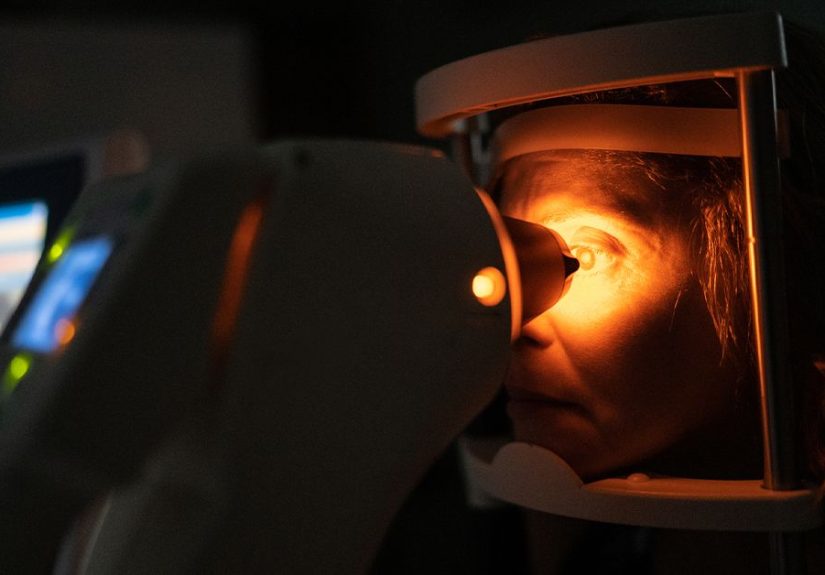
- Dilated eye exam to examine the lens and retina
- Slit-lamp exam to locate and grade the cataract
- Glare testing in some clinics (especially if night driving is your main complaint)
Your clinician may also ask about steroid use, diabetes management, prior eye inflammation, injuries, or radiation exposurebecause PSC often has identifiable risk factors.
Treatment: What Actually Helps (and What Doesn’t)
Step 1: Early-stage strategies
Early PSC symptoms may improve temporarily with practical adjustments. These don’t remove the cataract, but they can help you function better while you and your eye doctor monitor progression.
- Updated glasses or contacts (especially if your prescription has shifted)
- Brighter, directed lighting for reading (a good lamp beats a heroic squint)
- Anti-glare sunglasses outdoors and anti-reflective coatings on glasses
- Reducing night driving when glare becomes unsafe
- Magnification for detailed near tasks
Step 2: Address contributors when possible
You can’t dissolve a PSC with eye drops (despite what sketchy corners of the internet may promise), but you can work on modifiable risks:
- If you have diabetes, aim for steady management with your care team.
- If you’re on steroids, don’t stop them suddenlytalk with your prescribing clinician about the lowest effective dose or alternatives, when appropriate.
- If you have uveitis or inflammatory eye disease, keep close follow-up. Controlling inflammation protects more than just the lens.
Step 3: Cataract surgery (the definitive treatment)
Surgery is the only proven way to remove a cataract. It’s typically recommended when cataract symptoms interfere with daily lifereading, working, driving, recognizing faces, or enjoying your hobbies without frustration.
The most common technique is phacoemulsification, where the surgeon uses ultrasound energy to break up the cloudy lens and remove it through a tiny incision. A clear intraocular lens (IOL) is then placed to replace the natural lens.
What to expect with surgery and recovery
- Outpatient procedure (you go home the same day)
- Usually quick (the surgery itself is often under an hour; sometimes much shorter)
- Local anesthesia (numbing medicine; you’re typically awake but comfortable)
- Post-op eye drops (to prevent infection and calm inflammation)
- Vision improvement often begins quickly, with stabilization over days to weeks
A common “after” issue: Posterior capsular opacification (PCO)
Some people develop a cloudy film behind the IOL months or years after surgery called posterior capsular opacification (sometimes nicknamed a “secondary cataract,” even though it’s not a true cataract). If it happens, it’s typically treatable with a quick in-office laser procedure (YAG capsulotomy) that restores clarity.
Can You Prevent a PSC or Slow It Down?
You can’t guarantee prevention, but you can lower overall cataract risk and possibly delay progression by reducing stressors on the lens.
- Wear UV-protective sunglasses and a hat in strong sun.
- Don’t smoke (or get help quittingyour eyes and lungs will both cheer).
- Manage diabetes with consistent care and follow-ups.
- Review steroid use with your healthcare team if you’re on long-term therapy.
- Get regular eye exams, especially if you’re over 40 or have risk factors.
Also: be cautious with miracle “cataract cures.” If a supplement could melt cataracts, eye surgeons would be out here selling it at checkout counters like gum. Cataracts are a structural lens problemtreatment is about monitoring, optimizing vision, and removing the cloudy lens when needed.
When to Call an Eye Doctor ASAP
PSC usually causes gradual, painless vision changes. But sudden symptoms can signal other eye problems that need urgent attention. Seek prompt care if you have:
- Sudden vision loss or a dramatic change in vision
- Eye pain, significant redness, or severe light sensitivity
- New flashes of light or a shower of floaters
- A “curtain” over part of your vision
- New symptoms after cataract surgery (worsening pain, redness, or vision)
Conclusion
A posterior subcapsular cataract can feel disproportionately annoying: glare, halos, and reading trouble often show up early, and bright light can make vision seem worse instead of better. PSC is commonly linked with aging, steroid use, diabetes, eye inflammation, and other stressors like trauma or radiation. Diagnosis is usually quick with a dilated eye exam, and while early adjustments may help temporarily, cataract surgery is the definitive treatment when symptoms interfere with daily life.
If your world looks like it’s been set to “soft focus,” don’t just blame your phone brightness. A straightforward eye exam can identify PSC and map out the right next stepsso you can get back to reading, driving, and living without negotiating with every lightbulb you meet.
Real-World Experiences With PSC (500+ Words)
People often describe PSC as the cataract that “doesn’t wait politely.” One common experience is noticing that near tasks become frustrating first. A person may realize they’re increasing font sizes, holding menus farther away, or rereading the same sentence three timesnot because the words are hard, but because the contrast feels washed out. It can feel like your eyes are tired all the time, even after a full night’s sleep.
Another classic PSC moment happens outdoors: you step into bright sunlight expecting everything to sharpen, and instead your vision gets more hazy. Folks say things like, “Indoors I’m okay, but outside I’m squinting like I forgot how to be human.” That bright-light struggle can be especially confusing, because many other vision issues improve with more light. With PSC, the glare can be the problemnot the darkness.
Night driving tends to be the tipping point. People describe headlights as “spiky,” “starry,” or “like someone put glitter on my windshield.” A common coping phase is avoiding night driving, choosing familiar roads, or asking someone else to drive after sunset. There can also be an emotional layer: losing confidence behind the wheel can feel like losing independence. It’s very normal to feel annoyed, worried, or even a little angry at something you can’t “try harder” to fix.
The “glasses carousel” is another frequent experience. You get a new prescription, it helps for a bit, and then things slide again. Many people start to suspect something else is going on when glasses only partially improve clarity. That’s often when an eye exam reveals PSCsometimes with the surprising news that the cloudy spot is small, but positioned exactly where it causes maximum disruption.
When surgery comes up, people usually fall into two camps: “Let’s do it yesterday” and “Wait, you’re putting what in my eye?” Both reactions are normal. Real-life decision-making often looks like this: first you adapt with brighter lights and anti-glare lenses, then you hit a moment where daily life feels restrictedreading becomes a chore, driving feels unsafe, or work becomes exhausting. That’s when surgery shifts from “optional someday” to “a practical solution.”
Post-surgery, many people describe a “wow” momentcolors look brighter, contrast improves, and the constant haze lifts. It’s also normal to have a short adjustment period: mild scratchiness, light sensitivity, or feeling cautious about bumping the eye. People often say the hardest part wasn’t the procedureit was remembering the drops schedule without turning the kitchen counter into a tiny pharmacy.
Finally, some people experience blurry vision again months or years later and panic: “Is the cataract back?” In many cases, it’s actually posterior capsular opacification (PCO), which can mimic cataract symptoms but is usually fixable with a quick laser treatment. Knowing that ahead of time helps reduce anxiety and makes the “what’s happening now?” phase less scary.
If any of these experiences sound familiar, you’re not aloneand you’re not being dramatic. PSC is genuinely disruptive. The right eye exam can confirm what’s going on and help you choose the best timeline for treatment so your life isn’t scheduled around glare, squinting, and the nearest reading lamp.