Table of Contents >> Show >> Hide
- Kidney failure in plain English (and why it matters before it happens)
- What the research says about red meat and kidney failure
- What counts as “red meat,” and why processed meat makes things worse
- Why red meat might raise kidney risk (the short science tour)
- Higher protein waste load (especially relevant for existing CKD)
- Dietary acid load (kidneys help manage acid-base balance)
- Heme iron, AGEs, and other compounds tied to inflammation and oxidative stress
- Sodium and phosphate additives (especially in processed meats)
- The “it’s not just kidneys” effect: red meat and upstream risks
- Who should take this association extra seriously?
- How to eat in a kidney-friendlier way without giving up flavor
- A realistic sample day (kidney-friendlier, not joyless)
- When to talk to a clinician (a.k.a. the “don’t wing it” moment)
- Bottom line
- Experiences related to “Red meat consumption linked to kidney failure” (real-world patterns people report)
Your kidneys are the ultimate behind-the-scenes employees. They filter waste, balance fluids, manage electrolytes,
and keep your blood pressure from going full drama-queen. And like any overworked staff, they do not enjoy extra
“busy work” especially the kind that shows up night after night in the form of big red-meat portions and
processed-meat extras.
Over the last decade, researchers have repeatedly found a meaningful association between higher red-meat intake
and greater risk of chronic kidney disease progression including end-stage kidney disease (kidney failure).
That doesn’t mean a burger automatically equals dialysis. It does mean your usual protein choices can quietly
nudge your kidney risk in a better or worse direction, especially if you already have risk factors like diabetes
or high blood pressure.
Kidney failure in plain English (and why it matters before it happens)
“Kidney failure” usually refers to end-stage renal disease (ESRD), also called end-stage kidney disease (ESKD).
It’s the point where kidney function is severely reduced and treatment options often include dialysis or a kidney
transplant. Importantly, kidney failure is usually the final stop on a long road called chronic kidney disease (CKD).
CKD often develops quietly. Many people feel fine for years while kidney function slowly declines. That’s why diet
and lifestyle matter early: by the time symptoms show up, the kidneys may already be struggling.
What the research says about red meat and kidney failure
1) A major prospective study found red meat stood out (in a bad way)
One widely discussed prospective cohort study followed adults over time and found red meat intake was strongly and
dose-dependently associated with a higher risk of developing ESRD. The eye-catching part wasn’t just the risk increase
it was the “swap effect.” Replacing one serving of red meat with other protein sources (like poultry, fish, eggs,
or plant proteins such as soy/legumes) was associated with a substantially lower ESRD risk.
Translation: it’s not only “eat less red meat,” it’s “eat something else instead.” Your kidneys prefer a plan,
not a protein vacuum.
2) U.S. cohort data points in the same direction for CKD risk
In large U.S. population research (including long-running community cohort data), higher intake of red and processed
meats has been associated with increased risk of developing chronic kidney disease over time. Meanwhile, plant-forward
protein choices like legumes and nuts along with certain dairy options have been associated with lower risk.
3) “Linked” doesn’t equal “proven to cause,” but the pattern is consistent
Most of the strongest evidence here is observational (cohort studies). That kind of research can’t prove direct
cause-and-effect on its own because people who eat a lot of red meat may also differ in other ways (overall diet
quality, sodium intake, exercise habits, smoking history, etc.). Good studies adjust for many of those factors,
but adjustments aren’t time machines.
Still, when multiple well-designed studies point in a similar direction and the biology is plausible
it’s worth paying attention. Especially because the “intervention” is not a rare medicine; it’s Tuesday dinner.
What counts as “red meat,” and why processed meat makes things worse
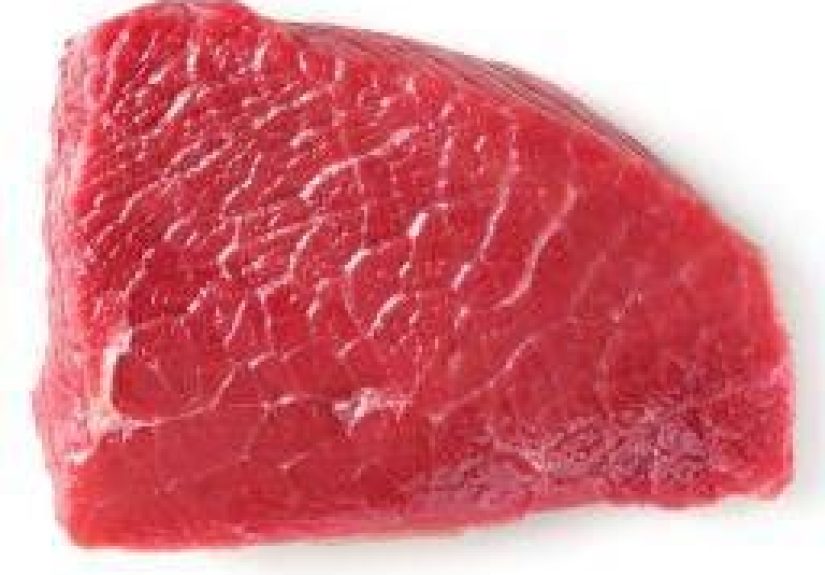
Red meat generally means meat from mammals: beef, pork, lamb, veal, and similar options. Processed meats are meats
preserved or flavored by smoking, curing, salting, or adding chemical preservatives think bacon, sausage, hot dogs,
deli meats, jerky, and many “just heat it up” meat products.
Processed meats tend to bring extra kidney stressors along for the ride: more sodium, more phosphate additives,
and more “convenience chemicals” that kidneys don’t exactly high-five.
Why red meat might raise kidney risk (the short science tour)
Higher protein waste load (especially relevant for existing CKD)
Protein is essential but metabolizing protein creates waste products that healthy kidneys filter out.
When kidney function is reduced, that waste can build up. Many kidney-health resources note that some people
with CKD may need to keep protein intake in a moderate range (it’s not one-size-fits-all, and dialysis status matters).
Dietary acid load (kidneys help manage acid-base balance)
Animal proteins, including red meat, tend to generate more acid in the body compared with many plant foods.
Over time, a higher dietary acid load may contribute to faster kidney-function decline in susceptible people.
Plant-forward patterns (fruits, vegetables, legumes) can be more “alkali-producing,” which is one reason kidney
dietitians often emphasize them.
Heme iron, AGEs, and other compounds tied to inflammation and oxidative stress
Red meat contains heme iron and can be higher in compounds created during high-heat cooking (like grilling, broiling,
or charring). Researchers have discussed pathways involving oxidative stress and inflammation two things kidneys
already get enough of in modern life.
Sodium and phosphate additives (especially in processed meats)
If you’re living with CKD, sodium and phosphorus management often become key. Processed meats can be loaded with sodium,
which can worsen blood pressure and fluid balance. Some packaged and processed foods also contain added phosphorus
(often listed with “PHOS” in the ingredients), which can build up when kidney function is reduced.
The “it’s not just kidneys” effect: red meat and upstream risks
Kidney disease doesn’t exist in isolation. Diabetes and high blood pressure are major drivers of CKD and kidney failure.
Dietary patterns that increase cardiometabolic risk can indirectly increase kidney risk. Red and processed meats are also
often high in saturated fat, and high-protein fad diets heavy in red/processed meats may be a poor match for people who
already have kidney concerns.
Who should take this association extra seriously?
If you’re healthy with normal kidney function, having red meat sometimes isn’t automatically a problem.
The bigger concern is frequent, large portions especially processed meat and especially if you have risk factors.
- People with diabetes or prediabetes (kidney damage risk rises over time with uncontrolled blood sugar).
- People with high blood pressure (hypertension is a major kidney stressor).
- People with obesity or metabolic syndrome (often linked to both diabetes and hypertension).
- Anyone with known CKD (protein, sodium, potassium, and phosphorus targets may need personalization).
- People with a family history of kidney disease or prior kidney injury.
How to eat in a kidney-friendlier way without giving up flavor
Step 1: Shrink the red-meat “default”
For many people, red meat isn’t an occasional guest it’s the roommate who never pays rent. Try making it a “sometimes”
food rather than the main character. Start with two easy levers:
- Portion: keep servings closer to restaurant-kid size (not “cowboy steak” size).
- Frequency: aim for fewer red-meat meals per week, and keep processed meats as rare as possible.
Step 2: Swap proteins strategically (this is where the data gets exciting)
The strongest practical takeaway from the research is substitution. Replace one red-meat serving with:
- Fish or seafood (often lower in saturated fat; easy to bake or grill lightly).
- Poultry (skinless, lean cuts when possible).
- Beans and lentils (chili, soups, tacos, salads they’re more versatile than their reputation).
- Tofu or tempeh (takes on flavor like a sponge with ambition).
- Eggs/egg whites (depending on your health needs and overall diet pattern).
- Nuts and seeds (great as a topping or snack; portion mindful).
Step 3: Make processed meats the “emergency-only” option
If you remember only one kidney-friendly rule at the grocery store, make it this:
processed meats are a sodium-and-phosphate trap. Hot dogs, deli meats, bacon, canned chili with meat
they’re convenient, but your kidneys don’t get convenience pay.
Step 4: Cook like your kidneys are watching
High-heat charring can increase certain compounds linked to inflammation. You don’t have to live on boiled chicken
(nobody wants that), but you can:
- Use lower-heat methods more often: baking, braising, slow-cooking, steaming, stewing.
- Marinate meats before cooking (often improves flavor so you need less salt).
- Balance the plate: half vegetables, a quarter protein, a quarter whole grains (as appropriate for your labs/needs).
Step 5: If you have CKD, personalize protein instead of guessing
Protein needs can change based on CKD stage and whether you’re on dialysis. Many kidney organizations emphasize:
some people with CKD (not on dialysis) may need to limit protein to reduce waste buildup, while people on dialysis may
need more protein. This is one of those moments where “my friend on TikTok said…” should not outrank a renal dietitian.
A realistic sample day (kidney-friendlier, not joyless)
- Breakfast: oatmeal with berries + a spoon of nut butter (or eggs with veggies and whole-grain toast).
- Lunch: lentil soup + side salad + olive-oil vinaigrette; or a turkey-and-veggie wrap (watch sodium if deli meat).
- Snack: Greek yogurt (if appropriate) or a handful of unsalted nuts; fruit.
- Dinner: baked salmon (or tofu stir-fry) + roasted vegetables + rice or quinoa.
- If you want “steak night”: keep it smaller, pair it with fiber-rich sides, and don’t make it a nightly ritual.
When to talk to a clinician (a.k.a. the “don’t wing it” moment)
Consider asking your healthcare provider about kidney screening (blood and urine tests) if you have diabetes,
high blood pressure, a family history of kidney disease, or swelling/fatigue you can’t explain.
If you already have CKD, ask for a referral to a renal dietitian they can tailor protein, sodium, potassium,
and phosphorus targets to your lab results and lifestyle.
Bottom line
The evidence doesn’t say red meat is forbidden. It says heavy red-meat intake especially when it crowds out plant
proteins, fish, poultry, and whole foods is consistently associated with worse kidney outcomes, including kidney failure
in large cohort research. The smartest move is substitution: make red meat less frequent, make processed meat rare,
and build most meals around kidney-friendlier protein patterns.
Experiences related to “Red meat consumption linked to kidney failure” (real-world patterns people report)
If you hang around nephrologists, renal dietitians, or people living with CKD long enough, you’ll notice a theme:
kidney-friendly eating rarely looks like perfection. It looks like small changes that actually stick.
One common experience is the “I didn’t realize how often I ate red meat” moment. People start tracking meals for a week
and discover red meat isn’t just dinner it’s breakfast (bacon), lunch (deli sandwich), snack (jerky), and dinner again
(“taco Tuesday,” “burger Thursday,” “steak because it’s Friday”). When they cut back, it’s not a dramatic goodbye.
It’s more like: “Okay, maybe bacon doesn’t need to be a food group.”
Another pattern: swapping works better than restricting. People who try to quit red meat cold turkey (ironically) often
rebound, because cravings love a strict rule. People who replace it with something satisfying do better. A frequent win
is a “two-night rotation”: one night fish or chicken, one night a plant-based meal (beans, lentils, tofu), then repeat.
The taste buds adjust faster than expected especially when meals are seasoned well and not treated like punishment.
Folks with early CKD often describe a surprising improvement in “everyday metrics” after reducing processed meats:
less bloating, fewer salty cravings, and easier blood pressure control. Not because kidneys magically regenerate overnight,
but because processed meats are sodium bombs, and sodium influences fluid retention and blood pressure two things the kidneys
are intimately involved in. People sometimes say they didn’t realize how salty their baseline diet was until “normal food”
started tasting salty again.
There’s also the “restaurant trap” experience. Many people eat reasonably at home, then undo it with restaurant portions:
a 16-ounce steak, fries, and a salty appetizer. A practical strategy some adopt is the “split decision”: split an entrée,
take half home, or choose a smaller cut and add a vegetable side. It’s not glamorous, but neither is dialysis scheduling.
For those already managing CKD, the most consistent success stories include working with a renal dietitian. Patients often
report that personalized guidance is a relief: it replaces internet chaos with a clear plan based on labs. One person may need
to watch potassium closely; another may not. One may need moderate protein; someone on dialysis may need more.
The experience many describe is: “I stopped guessing, and suddenly eating felt manageable again.”
Finally, people frequently mention the social side. Food is family, culture, comfort and yes, sometimes barbecue.
The most sustainable approach is rarely “never.” It’s “less often, smaller portions, better balance, and fewer processed meats.”
That approach still allows a special-occasion steak while keeping everyday meals kinder to long-term kidney health.