Table of Contents >> Show >> Hide
- Does rubbing alcohol work for acne?
- Is rubbing alcohol safe for acne?
- Better alternatives to rubbing alcohol for acne
- How to build a simple acne routine without rubbing alcohol
- What about natural remedies?
- Special situations: sensitive skin, pregnancy, and stubborn acne
- FAQ: quick answers about rubbing alcohol and acne
- Experiences people commonly have with rubbing alcohol for acne
- Final verdict
Note: This article is for general education and web publishing. It reflects current medical guidance, but it is not a substitute for personal medical advice.
If you have ever stared at a surprise pimple in the mirror and thought, “What if I just blast this thing with rubbing alcohol?” you are not alone. Rubbing alcohol has a long-running reputation as the no-nonsense household fixer: it disinfects surfaces, cleans sticky messes, and smells like it means business. So it is easy to see why people assume it might also be a quick fix for acne.
Unfortunately, your breakout and your kitchen counter do not play by the same rules.
When it comes to acne, rubbing alcohol might make skin feel squeaky-clean for a few minutes, but that does not mean it is helping. In fact, it often does the opposite. It can dry out the skin, irritate the skin barrier, trigger redness, and make an already grumpy pimple even grumpier. In plain English: it can turn a small skin problem into a larger, flaky, stingy, annoyed one.
This guide breaks down whether rubbing alcohol works for acne, the real safety concerns, and which alternatives make more sense if your goal is clearer skin instead of a chemistry experiment on your face. We will also cover common real-world experiences people have when they try harsh acne “hacks,” plus what to do instead if you want results without treating your cheeks like a whiteboard.
Does rubbing alcohol work for acne?
The short answer is no, not in the way most people hope.
Rubbing alcohol can temporarily remove surface oil and create that tight, dry feeling that tricks you into thinking something powerful just happened. But acne is not simply a matter of having “dirty” skin. Acne develops through a combination of excess oil production, clogged pores, dead skin cells, inflammation, and the activity of acne-related bacteria. That means the best treatments do more than strip the surface. They target clogged pores, reduce inflammation, and help prevent new breakouts from forming.
Rubbing alcohol is not a standard acne treatment because it does not address acne in a balanced, evidence-based way. It may dry out a pimple for a day, but it can also irritate surrounding skin so much that the area looks worse, not better. Think of it as using a leaf blower to straighten one sheet of paper on your desk. Technically, something happened. Helpful? Not really.
Why some people think it helps
There are a few reasons the myth sticks around:
- It evaporates fast, so skin feels instantly “clean.”
- It removes oil from the surface, which can make a shiny face look more matte for a little while.
- It stings, and people often mistake stinging for effectiveness.
- It is used as an antiseptic in other situations, so people assume it must be good for breakouts too.
But a temporary dry finish is not the same thing as treating acne. Many harsh products create dramatic short-term effects and lousy long-term results.
What it actually does to acne-prone skin
Rubbing alcohol is usually too harsh for facial skin, especially if your skin is already inflamed, sensitive, peeling, or irritated from acne products. Instead of calming breakouts, it can weaken the skin barrier. When that barrier is unhappy, your face may feel tight, sting during cleansing, look red, start flaking, and become more reactive overall.
That matters because acne care works best when skin is kept as calm and consistent as possible. A damaged barrier can make it harder to tolerate proven acne treatments like benzoyl peroxide, salicylic acid, or adapalene. In other words, rubbing alcohol can sabotage the routine that would actually help you.
Is rubbing alcohol safe for acne?
For most people, putting rubbing alcohol on acne is not a smart or skin-friendly move. It is not considered a preferred or gentle treatment, and the risks are bigger than the benefits.
Common side effects
Using rubbing alcohol on pimples or across the face can cause:
- Dryness
- Burning or stinging
- Redness
- Peeling and flaking
- Skin irritation
- A feeling of tightness that is more uncomfortable than useful
If you already use acne products, the irritation can stack up quickly. A face wash with salicylic acid plus a leave-on benzoyl peroxide treatment plus a swipe of rubbing alcohol is not a skin-care routine. It is a rebellion.
It can make acne look worse
Here is the frustrating part: even if rubbing alcohol seems to “dry out” a breakout at first, the irritation it causes can make acne seem more noticeable. Inflamed skin looks redder. Dry, flaky skin can emphasize bumps. And irritated skin often becomes harder to manage overall.
Some people with oily skin also overuse harsh, drying products because they assume oil must be attacked at full strength. But skin usually responds better to balance than punishment. A gentler approach can actually produce better results because it helps the skin tolerate effective treatments long enough for those treatments to work.
Other safety concerns people forget about
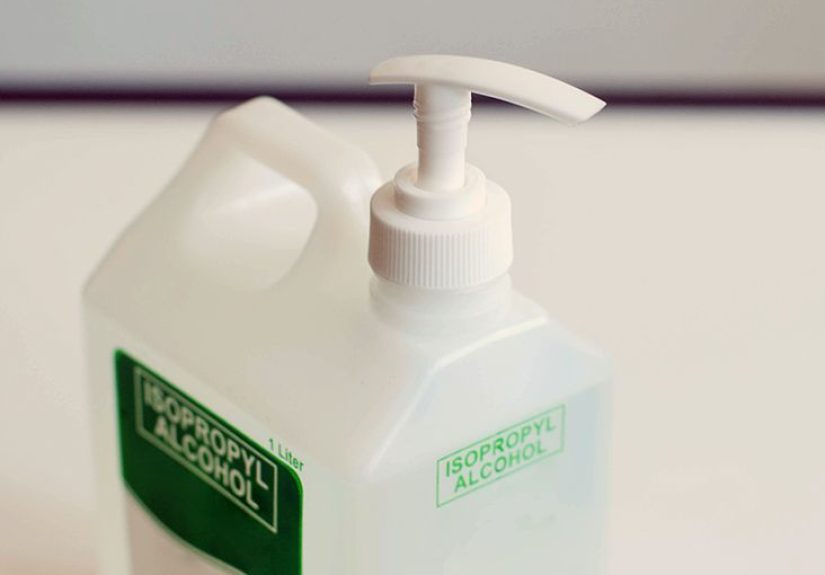
Rubbing alcohol is also a household chemical, not just a beauty-cabinet shortcut. It should not be swallowed, should be kept away from the eyes, and should be stored safely away from children. It is flammable too, which is not the kind of detail most people want to remember while leaning over a candle during a “self-care evening.”
It is also a bad idea to apply rubbing alcohol to skin that is broken, picked, freshly shaved, or already irritated. That is a recipe for more burning, more inflammation, and zero applause from your face.
Better alternatives to rubbing alcohol for acne
If you want something that actually has a track record in acne care, there are much better options. These ingredients are widely used because they target acne more effectively and more safely than rubbing alcohol.
1. Benzoyl peroxide
Benzoyl peroxide is one of the best-known over-the-counter acne treatments for a reason. It helps reduce acne-causing bacteria and is especially useful for inflamed pimples. It can be found in face washes, gels, spot treatments, and leave-on creams.
Beginners often do well starting with a lower strength, such as 2.5%, because it may be less irritating while still getting the job done. Higher percentages are not automatically better. They can simply be harsher. One important catch: benzoyl peroxide can bleach towels, pillowcases, and that one black T-shirt you always wear when you are trying to look effortlessly cool.
2. Salicylic acid
Salicylic acid is especially helpful for blackheads, whiteheads, and clogged pores. It works by helping loosen dead skin cells and clear pore buildup. If your acne is more about texture, congestion, and those tiny bumps that make your forehead feel like a speed bump collection, salicylic acid may be a good fit.
It comes in cleansers, pads, toners, and leave-on treatments. A gentle salicylic acid cleanser can be a solid starting point for oily or combination skin.
3. Adapalene
Adapalene is a topical retinoid-like ingredient that helps keep pores from clogging and can treat both existing acne and future breakouts. It is often one of the most useful over-the-counter options for mild to moderate acne, especially when blackheads, whiteheads, and recurring breakouts all show up to the party uninvited.
The catch is patience. Adapalene is not a one-night miracle. It usually takes several weeks of consistent use to show real improvement. Mild dryness and irritation can happen at first, so it helps to start slowly, such as every other night, and pair it with moisturizer.
4. Azelaic acid
Azelaic acid is a quieter superstar in acne care. It can help with acne itself and may also improve the lingering dark marks that show up after pimples heal. That makes it especially appealing if your breakouts leave behind discoloration that hangs around like an unwanted houseguest.
It is often a good option for people who want something effective but not overly aggressive.
5. A gentle, alcohol-free skin-care routine
Sometimes the best “alternative” is not one hero product. It is a better routine.
A solid acne routine usually includes:
- A gentle cleanser
- An alcohol-free moisturizer labeled noncomedogenic
- One acne treatment active, not five at once
- Daily sunscreen, especially if your treatment makes skin more sensitive
That may sound less dramatic than dabbing a mystery liquid on a zit and hoping for cinematic results, but boring routines often win. In skin care, consistency beats chaos.
How to build a simple acne routine without rubbing alcohol
If your skin is acne-prone and you want to keep things practical, start here.
Morning routine
- Wash with a gentle cleanser.
- Apply a lightweight, noncomedogenic moisturizer if needed.
- Use sunscreen.
Evening routine
- Wash with a gentle cleanser.
- Apply one treatment product, such as benzoyl peroxide, salicylic acid, adapalene, or azelaic acid.
- Follow with moisturizer if your skin feels dry.
Start with one active ingredient at a time. This helps you see what is working and lowers the odds of irritating your skin. Adding three new products at once is a great way to end up confused, flaky, and suspicious of everything in your bathroom cabinet.
What about natural remedies?
Plenty of people look for “natural” solutions after harsh products backfire. That instinct makes sense, but natural does not automatically mean gentle, effective, or well-studied. For example, tea tree oil gets a lot of attention in acne conversations. There is some limited evidence it may help in certain cases, but the research is not strong enough to put it in the same league as standard treatments. It can also irritate skin, especially if used incorrectly.
If you want the safest and most reliable path, proven acne ingredients still make more sense than improvised home remedies.
Special situations: sensitive skin, pregnancy, and stubborn acne
If you have sensitive skin, eczema, rosacea, or a damaged skin barrier, harsh products like rubbing alcohol are even more likely to backfire. Gentle cleansing and slow, careful product introduction matter more than ever.
If you are pregnant or trying to become pregnant, talk with a clinician before starting acne treatments, especially retinoids like adapalene. Non-retinoid options may be preferred depending on your situation.
If your acne is painful, cystic, leaving scars, or not improving after several weeks of a smart over-the-counter routine, it is time to see a dermatologist. That is not a defeat. That is strategy. Some acne needs prescription treatment, combination therapy, or help identifying hormonal triggers.
FAQ: quick answers about rubbing alcohol and acne
Can rubbing alcohol dry out a pimple overnight?
It can dry the area, but that does not mean it is treating the acne well. It may also irritate the skin and make the spot look redder or flakier.
Is it okay to use rubbing alcohol as a spot treatment?
It is generally not a good idea. A true acne spot treatment, such as benzoyl peroxide or salicylic acid, is usually a better choice.
Why does rubbing alcohol make my skin feel cleaner?
Because it removes surface oil fast and evaporates quickly. That sensation is not the same as healthy skin or effective acne treatment.
Can I use rubbing alcohol if I have very oily skin?
Very oily skin still needs gentle care. Over-drying can irritate the skin and make your routine harder to tolerate.
What should I use instead?
Try a gentle cleanser and an acne treatment with benzoyl peroxide, salicylic acid, adapalene, or azelaic acid, depending on your skin type and acne pattern.
Experiences people commonly have with rubbing alcohol for acne
To make this more practical, it helps to look at the kinds of experiences people often describe when they try rubbing alcohol for breakouts. These are not miracle stories or horror stories from a late-night message board. They are common patterns that show up again and again when people confuse harshness with effectiveness.
The “it looked better for one day” experience
This is probably the most common. Someone dabs rubbing alcohol on a pimple before bed, wakes up, and notices the spot looks a little drier and less shiny. Victory, right? Not so fast. By the second or third day, the skin around the blemish may look red, flaky, or irritated. Makeup sits badly on it. The pimple is still there, but now it has backup dancers in the form of peeling skin.
This happens because surface dryness can create the illusion of improvement without actually solving what is happening inside the pore.
The “my whole face got tight and angry” experience
Some people go bigger and use rubbing alcohol across larger areas of the face, especially the forehead, nose, or chin. The first reaction is often, “Wow, my skin feels super clean.” The second reaction, usually not long after, is, “Why does my face feel like a stretched balloon?”
That tight feeling is not your skin thanking you. It is often a sign the barrier is drying out. Soon after, the face may sting when moisturizer is applied, burn during cleansing, or start producing oily patches and dry patches at the same time. It is a frustrating mix that makes people think their skin is impossible, when really the routine is just too harsh.
The “I kept adding more products and made it worse” experience
Another common pattern is layering. Someone uses rubbing alcohol, then adds a scrub, then an acne mask, then a strong toner, then a leave-on treatment. Each product seems logical on its own, but together they create a traffic pileup of irritation. Instead of calm, clear skin, the result is often redness, peeling, sensitivity, and breakouts that look more inflamed than before.
This is one reason dermatology advice tends to favor simple routines. Skin usually responds better to one thoughtfully chosen active ingredient than to six products fighting each other on your face.
The “switching to gentler products finally helped” experience
Here is the encouraging pattern: many people do better when they stop chasing that stripped, squeaky-clean feeling and start supporting the skin barrier instead. A gentle cleanser, an alcohol-free moisturizer, and one acne treatment used consistently can produce steadier improvement than harsh shortcuts ever did.
The progress may be slower, but it is also more real. Pimples become less inflamed. Skin texture improves. The face stops feeling raw. And perhaps most importantly, the routine becomes sustainable. Good acne care should feel manageable, not like a punishment for having pores.
Final verdict
Rubbing alcohol is not a good acne treatment. It may briefly dry the skin, but it does not treat acne in a balanced or skin-friendly way. More often, it irritates the skin barrier, increases dryness, and makes breakouts look worse. If your goal is clearer skin, skip the rubbing alcohol and choose an option that dermatologists actually recommend.
For many people, the smarter move is a routine built around gentle cleansing, noncomedogenic moisturizer, daily sunscreen, and a proven active ingredient such as benzoyl peroxide, salicylic acid, adapalene, or azelaic acid. Acne may be stubborn, but that does not mean your solution has to be harsh. Your skin is a living organ, not a countertop.