Table of Contents >> Show >> Hide
- Why This Matters More Than It Seems
- The First Step: Decide Whether the Bike Is a Rescue or a Risk
- How Rental Ebikes End Up Near the Dumpster
- What Saving a Rental Ebike Actually Looks Like
- The Battery Is the Star, the Villain, and the Plot Twist
- Why Repairability Is the Missing Piece
- What the Best Fleet Operators Are Getting Right
- The Bigger Lesson: Green Transportation Has to Survive Real Life
- Experiences From the Rescue: What It Feels Like to Bring One Back
- Conclusion
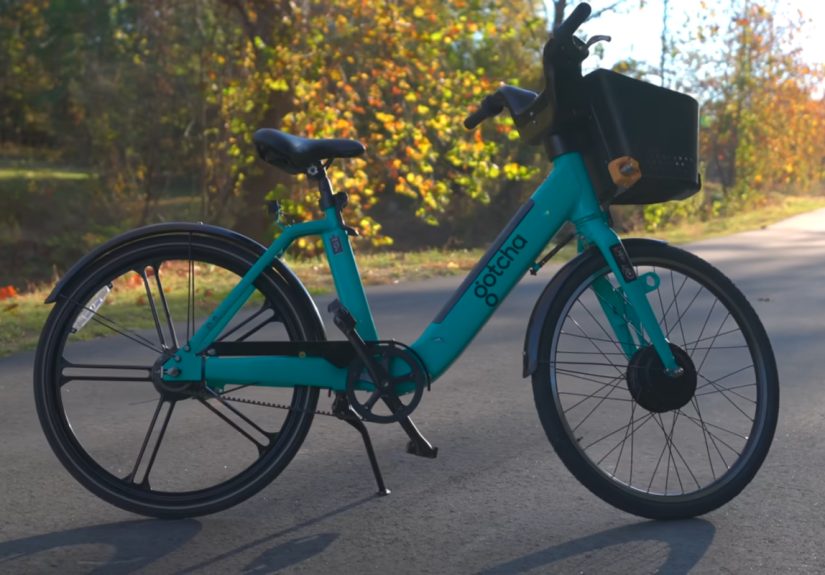
There is something oddly heroic about a battered rental ebike. One day it is zipping commuters to coffee shops, train stations, and last-minute grocery runs. The next day it is leaning against a service wall with a bent fender, a tired battery, and the thousand-yard stare of a vehicle that has seen too many curb hops. In a throwaway economy, that is usually where the story ends. But it does not have to.
Saving a rental ebike from the landfill is more than a feel-good story about fixing up a machine with scraped paint and a dramatic past. It is a practical lesson in sustainability, battery safety, right-to-repair, and smarter urban transportation. Shared micromobility companies, bike advocates, recyclers, and safety regulators are all circling the same big idea: the greenest ebike is not always the newest one. Very often, it is the one that gets repaired, refurbished, reused, and only recycled when every useful mile has already been squeezed out of it.
If that sounds less glamorous than unboxing a shiny new ride, fair enough. But landfill diversion is not supposed to be glamorous. It is supposed to work.
Why This Matters More Than It Seems
Ebikes are widely praised for replacing short car trips, cutting urban emissions, and making biking realistic for more people. That praise is deserved. But the clean image of ebikes gets blurry when a fleet vehicle is treated like a disposable appliance. A rental ebike is still a machine packed with aluminum, steel, electronics, a motor, wiring, and a lithium-ion battery. Sending all of that to waste too early is the sustainability equivalent of pouring a perfectly good cup of coffee into a plant and calling it irrigation.
The better path is a circular one. First, maintain the bike. Then repair it. Then refurbish it. Then reuse parts that are still safe and functional. Only after that should the truly worn-out pieces be recycled through the proper channels. That sequence matters because recycling is important, but it is not magic. Recycling recovers value. Repair preserves it.
This is especially true for shared fleets. Rental ebikes are used hard, exposed to weather, parked badly by strangers, and generally treated like they owe the world money. Yet fleet operators have gotten better at designing tougher vehicles and building maintenance systems that keep bikes in service longer. The strongest sustainability strategy is not simply “buy greener.” It is “make the fleet last longer.”
The First Step: Decide Whether the Bike Is a Rescue or a Risk
Not every rental ebike should be saved. That is the unromantic truth. Some are repair projects. Some are fire hazards wearing handlebars.
The battery is the first checkpoint. If it is swollen, leaking, physically crushed, overheating, or showing signs of internal damage, the mission changes immediately. You are no longer “restoring a cool old ebike.” You are managing a potentially dangerous lithium-ion battery. That means no tossing it in the trash, no dropping it into curbside recycling, and no improvising with garage-shelf wizardry. Damaged or end-of-life batteries need specialized collection, safe handling, and proper recycling.
That safety reality has shaped the entire ebike conversation in the United States. Regulators and safety organizations have pushed for compliance with recognized battery and electrical system standards, while the bike industry has also built dedicated recycling programs for end-of-life ebike batteries. In plain English, the battery is not the part to “wing it” with.
Once the battery is evaluated, the rest of the bike becomes a more familiar mechanical puzzle. Check the frame for cracks, the fork for damage, the motor mounts for looseness, the wheels for true, the brakes for rotor rub or hydraulic leaks, and the electronics for corrosion or severed wiring. Cosmetic ugliness is fine. Structural ugliness is not.
How Rental Ebikes End Up Near the Dumpster
A rental ebike rarely dies from one dramatic cause. More often, it is a death by a thousand annoyances.
1. Parts scarcity
Fleet bikes often use proprietary displays, connectors, battery housings, locks, controllers, or mounts. When one key electronic part fails, the whole bike can get sidelined while everyone stares at a parts catalog like it insulted their family.
2. Repair bottlenecks
Many ebikes are still harder to diagnose and repair than they should be. Access to tools, software, service documentation, and replacement parts is not always easy outside authorized channels. That can turn a fixable bike into “inventory loss” simply because nobody can reset a system or source the correct component fast enough.
3. Battery fear
Sometimes justified, sometimes exaggerated, battery safety concerns can push operators toward replacement over repair. If the choice is between taking time to sort out a complicated issue or pulling a bike from the fleet, the bike often loses.
4. Economics
Labor is expensive. Storage is expensive. Diagnostic time is expensive. And if a fleet is optimized for uptime, the pressure to rotate in a newer unit can be stronger than the urge to save an old one.
That is how good machines end up one step away from the landfill: not because they are worthless, but because the system around them is impatient.
What Saving a Rental Ebike Actually Looks Like
A real rescue is usually less dramatic than people expect. It is not a montage with power tools, sparks, and a triumphant guitar riff. It is closer to a disciplined triage process.
Strip it down and inspect everything
Start with the consumables and the obvious failures. Tires, brake pads, cables, grips, saddles, chains, and lights are cheap compared with the value of the complete bike. Replacing these basics can move a vehicle from “junk” to “daily rider” surprisingly fast.
Test the electrical system methodically
Controllers, harnesses, displays, torque sensors, and motor connections need to be checked one by one. Many “dead” ebikes are not dead at all. They have a broken connector, a corroded contact, a damaged sensor lead, or a battery communication fault that makes the whole bike act like it is auditioning for a tragic role.
Separate reusable parts from true waste
Even if the full bike cannot be returned to service, wheels, brakes, frames, racks, fenders, and non-damaged electronics may still have second-life value. Salvaging safe components reduces waste and lowers the cost of future repairs.
Recycle the battery properly
If the battery is at end of life, treat it like the specialized component it is. Tape terminals if required, isolate it for transport, and use a qualified recycling or hazardous waste collection pathway. This is where many “green” intentions go wrong. Good intentions do not stop battery fires.
The Battery Is the Star, the Villain, and the Plot Twist
Every rental ebike rescue eventually becomes a battery story. That is because the battery is both the most valuable and the most complicated part of the machine.
When the battery is healthy, a fleet bike can keep rolling for years. Some shared micromobility operators now emphasize longer-lasting battery systems, better battery management software, and more durable enclosures as core parts of sustainability. That is not corporate poetry. It is math. Longer battery life means more rides per pack, more value from manufacturing inputs, fewer replacements, and less end-of-life waste.
When the battery is unhealthy, everything changes. The bike may still look fine. The frame may be straight. The brakes may be fresh. But a compromised lithium-ion battery can turn a “fun restoration” into a safety incident. That is why responsible refurbishment is boring in all the right ways: inspection, documentation, handling procedures, trained staff, approved storage, proper transport, and no cowboy nonsense.
There is good news, though. The U.S. ecosystem for battery collection is more organized than it used to be. Industry-backed programs, trained retail sites, and public education campaigns have expanded access to safer recycling pathways for ebike batteries. That means saving a rental ebike no longer has to end with the awkward question, “Okay, but what do we do with this battery-shaped grenade?”
Why Repairability Is the Missing Piece
If you want to keep rental ebikes out of the landfill, you cannot only talk about recycling. You have to talk about repairability.
That means standardized parts where possible, service manuals that do not read like classified documents, diagnostics that independent shops can actually access, and product designs that assume the bike will be repaired more than once in its life. A hard-to-repair ebike might still be electrically impressive, but from a waste standpoint it behaves like a single-use gadget with pedals.
Cheap, poorly supported ebikes make the problem worse. When parts are unavailable and repair instructions are nonexistent, even simple failures can total out a bike. That is bad for owners, bad for fleet economics, and bad for the environment. Circular design is not just about what happens at the recycler. It starts the day the bike is engineered.
What the Best Fleet Operators Are Getting Right
The smartest rental ebike programs increasingly act less like casual vehicle owners and more like asset managers. They track battery health, monitor component wear, swap parts systematically, and design vehicles with durability in mind. Some have also invested in end-of-life partnerships so batteries and materials are routed back into recovery streams instead of disappearing into waste channels.
That approach matters because shared vehicles scale their impact quickly. One well-maintained fleet can replace countless short car trips. One badly managed fleet can generate a mountain of preventable waste and a collection of scary battery headlines. The difference is not philosophy. It is operations.
Done right, saving a rental ebike from the landfill becomes a model for the whole micromobility sector: extend life first, recover materials second, and design the next generation to be easier to save than the last one.
The Bigger Lesson: Green Transportation Has to Survive Real Life
It is easy to celebrate a new ebike rolling out of a showroom. It is harder, and more useful, to celebrate an old rental ebike that gets a second act. But that second act is where sustainability proves itself.
A transportation system is not truly green just because it uses batteries instead of gasoline. It also has to answer the messy questions. Can the product be repaired? Can the battery be handled safely? Can worn components be reused or recycled responsibly? Can the business model reward maintenance instead of replacement?
Saving a rental ebike from the landfill is a small story with a big point. It says the future of urban mobility should not be built on disposable hardware. It should be built on durable design, practical repair, safe battery management, and the stubborn belief that a scratched-up bike still has some miles left in it.
Because sometimes the most sustainable ride in the city is not the newest one. It is the one that almost got thrown away and did not.
Experiences From the Rescue: What It Feels Like to Bring One Back
The experience of saving a rental ebike is rarely neat. It usually begins with skepticism. The bike looks rough. The paint is scarred, the grips are sticky, the rear rack is bent like it lost an argument with a loading dock, and somebody has clearly ridden it through weather that should have come with a warning siren. At first glance, it seems easier to strip a few parts and move on. But then the inspection starts, and the story changes.
That is the surprising part. A “dead” rental ebike is often not dead in the dramatic sense. It is tired, neglected, and suffering from a stack of fixable problems. One connector is loose. One brake caliper is dragging. One wheel needs truing. The battery mount has grime in the contacts. The display is working, but only when the harness sits at exactly the angle that would make a chiropractor nervous. Piece by piece, the bike stops looking like trash and starts looking like deferred maintenance on two wheels.
There is also a strange emotional shift that happens during the process. At the beginning, you see a damaged object. Halfway through, you start seeing the people who relied on it: the commuter trying to catch a train, the student trying to save bus fare, the tourist discovering a city without a parking headache. A rental ebike is public-facing infrastructure in disguise. Restoring one feels less like polishing a toy and more like returning a small tool of freedom to circulation.
The most nerve-racking moments always involve the battery. Everyone gets brave around chains and brake rotors. Nobody should get brave around a questionable lithium-ion pack. That part of the rescue demands patience, caution, and humility. If the battery checks out, the whole project suddenly feels possible. If it does not, the project becomes a lesson in responsible handling and proper recycling. Either way, the experience teaches respect. Ebike restoration is not just mechanics with better branding.
And then comes the payoff: the first smooth test ride after the repairs. No drama. No error code. No weird shudder from the motor. Just a quiet push of pedal assist and the oddly satisfying feeling that something useful has been rescued from premature disposal. It is hard not to grin during that ride. The bike feels honest. Scratches and all, it has earned its second chance.
That experience also changes how you look at waste. You start noticing how many products are discarded not because they are beyond saving, but because saving them requires time, documentation, parts access, and a little patience. The rental ebike becomes a symbol of a much bigger problem. We are very good at manufacturing new things and still not nearly good enough at keeping old things alive.
In the end, rescuing one rental ebike will not save the planet. Let us not get carried away and nominate a derailleur for a Nobel Prize. But it does prove something important: practical sustainability is real, tangible, and often a lot less glamorous than marketing makes it sound. Sometimes it is just a scraped-up bike, a careful battery decision, a handful of replacement parts, and the refusal to confuse “old” with “finished.”
Conclusion
Saving a rental ebike from the landfill is not just a workshop project. It is a blueprint for smarter micromobility. The winning formula is simple: inspect carefully, treat batteries with respect, repair what can be repaired, refurbish what can be reused, and recycle only what truly reaches the end of the road. If cities, fleet operators, brands, and repair networks keep moving in that direction, the humble rental ebike can become one of the clearest examples of what a circular transportation system looks like in real life.