Table of Contents >> Show >> Hide
- Why This Battle Hit So Hard
- The Performance That Turned a Battle Into a Moment
- What Michael Bublé’s Coaching Style Adds to The Voice
- Why the Battle Rounds Matter More Than People Think
- Why Fans Connected With the Moment
- In Hindsight, Adam David’s Arc Makes the Battle Even Better
- Experiences Related to Watching Michael Bublé’s Emotional Reaction
- Conclusion
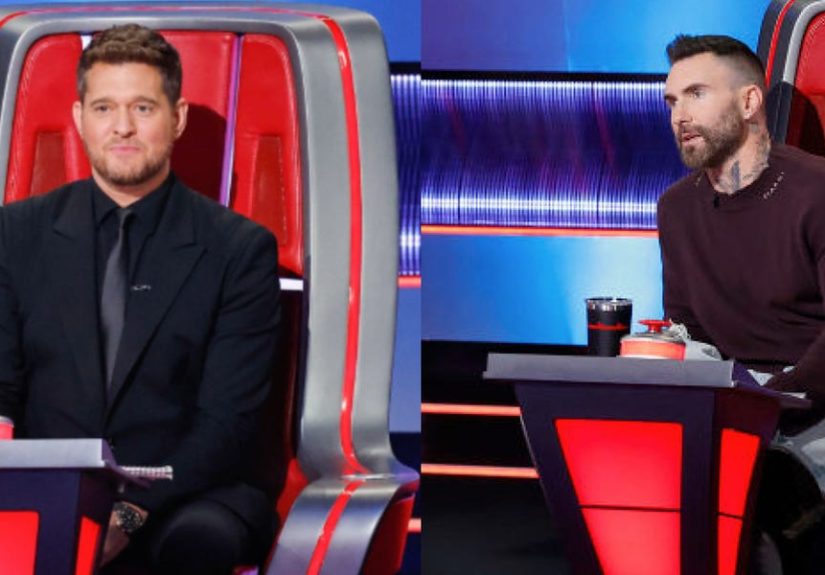
If The Voice knows how to do one thing well, it is turning a simple duet into a national event. Add a beloved song, two hungry contestants, and a coach who suddenly looks like he is trying very hard not to cry on television, and you have the kind of reality-TV moment that makes viewers lean closer to the screen. That is exactly what happened when Michael Bublé watched two of his artists face off during the Battle Rounds and found himself visibly emotional by the end of it.
The moment landed because it was not just about vocal technique, stage lights, or who nailed the final note. It was about history, identity, and the weirdly powerful magic of hearing your own song handed back to you by two singers who understand what it means. In this case, the song was Bublé’s “Home,” and the artists were Adam David and Ricardo Moreno. By the time the performance ended, the Battle felt less like a standard elimination round and more like a tribute, a pressure cooker, and a therapy session with better lighting.
For fans of The Voice, the scene was pure catnip. For casual viewers, it was a reminder that Battle Rounds are often where the season gets real. Blind Auditions may introduce the stars, but Battles expose the nerves, instincts, and emotional intelligence that separate a good singer from a memorable artist. And when a coach reacts the way Bublé did, the whole thing suddenly becomes bigger than a competition show.
Why This Battle Hit So Hard
Battle Rounds are built for drama. Two teammates are paired together, they rehearse one song, and then they perform it head-to-head while their coach decides who moves on. The format already comes with enough tension to power a small city. But this particular matchup had extra emotional voltage because Bublé chose his own song for the singers to perform.
That choice mattered. “Home” is not just another item in Michael Bublé’s catalog. It is one of the songs most closely associated with his artistic identity. It helped define him as more than a polished crooner with a tuxedo and a charming grin. It also reinforced that he was a songwriter with something personal to say. So when Adam David and Ricardo Moreno took on that song during the March 24 Battle episode, they were not merely singing a recognizable hit. They were stepping into Bublé’s story.
That is part of what made his reaction so compelling. He was not evaluating from a cold distance. He was hearing his own journey refracted through two completely different voices. Adam David brought grit, soul, and emotional wear-and-tear in the best possible way. Ricardo Moreno brought polish, tenderness, and vocal control. Same song, different emotional fingerprints. If you are a coach in that moment, good luck pretending you are a neutral judge. You are basically grading your own feelings.
The Performance That Turned a Battle Into a Moment
“Home” Was More Than a Song Choice
When coaches assign songs in the Battle Rounds, they usually look for material that will challenge both artists while highlighting what makes each one unique. Bublé’s choice of “Home” did exactly that. The song demands emotional honesty, not just pretty phrasing. It asks the singer to sound restless, hopeful, lonely, and grateful, sometimes all in the same breath. That makes it perfect for a Battle and terrifying for anyone who likes easy assignments.
Adam David and Ricardo Moreno approached it from different angles, which made the performance even stronger. Instead of turning the duet into a musical arm wrestle, they let the contrast work for them. One voice carried more grit, the other more glide. One felt lived-in, the other beautifully measured. Together, they made the song feel both familiar and newly fragile.
That balance is what pushed the performance beyond standard competition-show territory. Viewers were not just watching two contestants fight for survival. They were watching two singers honor a song in a way that reminded the man who wrote it why it mattered in the first place. That is not the kind of thing you can fake with a smoke machine and dramatic camera zooms.
Bublé’s Emotional Response Felt Earned
After the performance, even the other coaches recognized how tricky the decision would be. Adam Levine, who knows a thing or two about surviving televised musical stress, basically admitted he did not envy Bublé’s job in that moment. That reaction from a fellow coach helped underline what viewers were already seeing: this was not a routine Battle.
Then Bublé spoke, and the emotional center of the episode snapped into focus. He explained that the performance was “really incredibly emotional” for him and reflected on how, when he first got signed at age 27, people told him it was too late. He also recalled how some doubted that he was truly a songwriter. That confession gave the moment real weight. Suddenly, the Battle was not only about Adam David and Ricardo Moreno. It was about the long arc of artistic validation.
In other words, the man was not just touched because someone sang his hit song nicely. He was moved because the performance reached back into an earlier version of himself, the one still trying to prove he belonged. And honestly, if reality television can give us a moment that human without accidentally setting off a confetti cannon, we should all be grateful.
What Michael Bublé’s Coaching Style Adds to The Voice
Bublé’s appeal on The Voice has never been just that he is famous, musically accomplished, or capable of sounding smooth enough to make a grocery list feel romantic. What makes him work as a coach is that he treats singers like artists, not props.
That was clear throughout his run on the show. By the end of Season 27, Adam David would go on to win the competition, giving Bublé a second consecutive coaching victory after his earlier win with Sofronio Vasquez in Season 26. That track record matters, but what matters even more is how he talks about mentorship. Bublé has framed his legacy less around trophies and more around how he makes people feel. That mindset helps explain why moments like the “Home” Battle resonate so deeply around him.
His coaching style is rooted in encouragement, emotional honesty, and an obvious love of songcraft. He does not come across like a guy trying to dominate the show with one-liners. He comes across like somebody who remembers exactly what it felt like to need someone to believe in him before the room caught up. That gives his feedback extra credibility. When he praises vulnerability or originality, it does not sound like TV filler. It sounds like lived experience.
That is also why contestants on Team Bublé often seem genuinely seen. Adam David later spoke openly about Bublé’s support and belief in him, especially after entering the competition with only one chair turn during the Blind Auditions. By the time David won the season, the relationship between coach and artist had become one of the season’s clearest emotional through-lines. Seen in hindsight, the “Home” Battle looks even more meaningful. It was one of the moments where Bublé’s instincts as a coach and his identity as an artist overlapped in full view.
Why the Battle Rounds Matter More Than People Think
It is easy to treat the Battle Rounds as the messy middle of the competition. They do not have the clean novelty of the Blind Auditions or the big finale fireworks. But for many fans, Battles are where the season’s personality actually emerges.
That is because Battle performances reveal something that solo numbers sometimes hide: adaptability. A singer has to share space, shape a narrative with another person, protect their own identity, and still make the coach’s decision difficult. It is a brutal little test. Some singers get swallowed up. Others suddenly become more interesting because the duet exposes a quality that was only hinted at before.
Season 27 leaned into that dynamic with celebrity Battle advisors, including Cynthia Erivo on Team Bublé. That addition gave the round more texture and more serious musical guidance. It also helped remind viewers that Battles are not just TV gimmicks. Done well, they are condensed master classes in performance psychology. You are watching singers learn in public while the clock ticks loudly in the background.
So when a Battle triggers an emotional response from a coach, it is usually because the performance accomplished something difficult. It did not just sound good. It revealed character. In the case of Adam David and Ricardo Moreno, the duet brought out something essential about both contestants while also unlocking something personal in Bublé. That is a rare triple win, even if only one singer can officially move on.
Why Fans Connected With the Moment
Audiences are surprisingly good at spotting the difference between staged sentiment and genuine emotion. Bublé’s reaction landed because it did not feel manufactured. He was not performing “sad coach face” for the camera. He was responding like a songwriter hearing his own life echoed back to him.
That kind of authenticity matters in a franchise that has been on air for years. Shows like The Voice survive because they still manage to produce moments that feel unplanned, even within a highly produced environment. Fans want technical excellence, sure, but they also want to believe the people in those red chairs still care. Bublé’s reaction was proof that they can.
It also helped that the moment contained multiple layers of emotion at once. There was the personal significance of “Home.” There was the pressure of choosing between two worthy artists. There was the broader story of Bublé as someone who once had to fight for recognition as a songwriter. And there was the simple, timeless power of hearing a meaningful song sung well. Stack all of that together, and yes, people are going to talk about it online. Probably with many capital letters.
In Hindsight, Adam David’s Arc Makes the Battle Even Better
One reason this Battle has lingered is that Adam David did not stop being interesting after it aired. He went on to win Season 27, which turns the “Home” performance into more than a memorable detour. It becomes part of the winner’s narrative.
That matters for how fans remember TV competition moments. A strong performance is one thing. A strong performance that becomes a key chapter in a winning journey is something else entirely. It gains narrative gravity. Viewers start to see it as a turning point, a signpost, or a moment when a contestant and coach both understood what was possible.
David’s season-long story also matched the emotional tone of the Battle. He was not presented as a slick inevitability. He was framed as an artist with grit, lived experience, and something to prove. Bublé’s support helped make that story cohere. So when fans look back at the emotional reaction to “Home,” they are not just revisiting a touching television clip. They are revisiting one of the season’s most revealing clues.
Experiences Related to Watching Michael Bublé’s Emotional Reaction
There is a reason moments like this stick with people long after the episode ends. Most viewers have had some version of this experience in their own lives, even if nobody was singing under stage lights. Maybe it was hearing an old song and suddenly remembering exactly who you were when it first mattered. Maybe it was watching someone younger reinterpret something you once fought to create. Maybe it was simply seeing another person understand your work more deeply than you expected. That is the emotional lane this Battle occupied, and it is why it felt so relatable.
Watching Bublé react also taps into a very specific kind of human experience: the shock of being honored in a way that bypasses your defenses. People often expect artists to be polished, witty, and camera-ready at all times. But genuine gratitude tends to interrupt that script. You could see that here. His response did not come across like a rehearsed sound bite. It felt more like the emotional equivalent of getting caught in the rain without an umbrella. No plan, no shield, just truth.
For viewers who have ever mentored someone, the moment probably landed even harder. There is something uniquely emotional about watching another person take your advice, your influence, or your example and turn it into something alive. Teachers know this feeling. Parents know it. Coaches, managers, music directors, and older siblings definitely know it. You are proud, yes, but also strangely vulnerable. Because once your work lives in someone else’s voice, it stops belonging only to you.
The Battle also mirrors the experience of creative self-doubt. Bublé’s remarks about being told he was too old and not really a songwriter hit because those fears are not limited to celebrities. Plenty of people have been told they started too late, aimed too high, or chose the wrong version of themselves. Seeing a successful artist still carry the memory of that doubt makes success feel less glossy and more human. It reminds people that validation often arrives long after the insecurity has unpacked its bags and made itself comfortable.
Then there is the viewer experience itself. Watching a Battle like this can feel oddly intimate, even through a screen. Good performances do that. They collapse distance. For a few minutes, the competition disappears and the audience gets something closer to recognition. You are not just observing contestants on a show. You are remembering your own unfinished dreams, your own mentors, your own favorite songs, your own need to be understood. That is a lot to get from a Monday night TV episode, but sometimes reality competition shows sneak up on you like that.
And perhaps that is the biggest reason Bublé’s reaction mattered. It gave viewers permission to feel something, too. Not in a grand, melodramatic way. Just in a real way. In a world where people are often encouraged to react fast, joke first, and move on, there was something refreshing about a coach stopping in the middle of a competition to say, in effect, this means something to me. Sometimes that kind of honesty is more memorable than the result itself.
Conclusion
Michael Bublé’s emotional reaction to the The Voice Battle Rounds worked because it was rooted in something deeper than TV suspense. Adam David and Ricardo Moreno did not just perform “Home.” They reminded Bublé of the fight behind the song, the doubt that shadowed it, and the meaning it still carries. That is why the moment stood out. It was not only entertaining. It was personal.
In a format built on split-second decisions and high-stakes performances, that kind of sincerity is gold. It made the Battle memorable, strengthened Bublé’s reputation as one of the show’s most emotionally present coaches, and gave viewers one of those rare competition-show scenes that still feels worth talking about later. The winner of the round mattered, of course. But the feeling in the room mattered more. And for a few minutes, everyone watching could hear it.