Table of Contents >> Show >> Hide
- Why Proper Ground Flaxseed Storage Matters
- Step 1: Buy the Right Amount Instead of a Lifetime Supply
- Step 2: Transfer It to the Right Container
- Step 3: Label It Like a Person Who Enjoys Winning
- Step 4: Refrigerate It for Everyday Freshness
- Step 5: Freeze Extra Portions for Long-Term Storage
- Step 6: Learn the Signs of Spoilage Before It Ruins a Recipe
- Common Mistakes to Avoid When Storing Ground Flaxseed
- Best Ways to Use Ground Flaxseed Before It Sits Too Long
- Should You Buy Whole or Ground Flaxseed?
- Conclusion
- Extra Practical Experience: What Storing Ground Flaxseed Actually Feels Like in Real Life
- SEO Tags
Ground flaxseed is one of those kitchen MVPs that looks tiny, acts humble, and then quietly improves smoothies, oatmeal, muffins, pancakes, yogurt bowls, and even homemade veggie burgers. It brings fiber, plant omega-3s, and a pleasant nutty flavor to the table. But it also has a dramatic side. Once flaxseed is ground, its natural oils are more exposed to air, light, heat, and moisture. Translation: if you store it carelessly, it can lose freshness fast and eventually taste bitter or flat.
The good news is that storing ground flaxseed properly is not complicated. You do not need a lab coat, a pantry spreadsheet, or a tiny seed butler. You just need a smart system. In this guide, you’ll learn six simple steps for keeping ground flaxseed fresher, longer, and ready to use. We’ll also cover common mistakes, signs it has gone bad, and practical real-life storage experiences so you can skip the stale-seed disappointment.
Why Proper Ground Flaxseed Storage Matters
Whole flaxseed is naturally protected by its outer shell. Ground flaxseed, on the other hand, has already been cracked open. That is great for nutrition and digestibility, but less great for shelf life. The oils inside flaxseed are delicate, and once they meet oxygen, they begin to break down. Add warmth, humidity, and bright kitchen light, and your healthy ingredient can start acting like it has seen things.
That is why smart storage matters. Proper storage helps ground flaxseed keep its flavor, texture, and usefulness. It also helps you waste less money. Nobody enjoys buying a wholesome bag of flax meal only to discover weeks later that it smells sour and tastes like regret.
Step 1: Buy the Right Amount Instead of a Lifetime Supply
Small bags beat giant bargain bags for most households
It is tempting to buy the biggest package on the shelf because it seems cheaper. But unless you use ground flaxseed constantly, a giant bag may outlast its best quality. For most people, smaller amounts are smarter. A modest package is easier to finish while the flavor is still fresh.
If you only use ground flaxseed a few times a week, buy a smaller bag or choose whole flaxseed and grind a little at a time. This simple decision reduces the odds of your pantry turning into a seed retirement home.
Check the packaging before you buy
Look for sealed packaging with no tears, punctures, or signs of moisture. Opaque or darker packaging is even better because it helps protect the oils from light. Also check the expiration or best-by date. Freshness starts at the store, not at home.
One more smart move: if the package specifically says to refrigerate after opening, take that seriously. The label is not being dramatic. It is trying to save your breakfast.
Step 2: Transfer It to the Right Container
Airtight is non-negotiable
Once you open the package, move the ground flaxseed into an airtight container if the original bag does not reseal well. Exposure to air is one of the biggest enemies of freshness, so your goal is simple: keep oxygen out as much as possible.
Good options include:
- Glass jars with tight-fitting lids
- BPA-free airtight food containers
- Freezer-safe containers for longer storage
- Small containers that reduce empty air space
Opaque is a bonus
If possible, use an opaque container or keep a clear container in a dark cabinet, refrigerator drawer, or freezer bin. Light may not look dangerous, but for oil-rich seeds, it is not exactly a best friend. Ground flaxseed prefers the lifestyle of a vampire: cool, dark, and left alone.
Keep it dry and clean
Always use a dry spoon when scooping. Moisture can shorten shelf life and make the texture clumpier. Never shake flaxseed over a steaming pot or bowl and then return the container to storage. Condensation is sneaky, and sneaky is how ingredients go bad.
Step 3: Label It Like a Person Who Enjoys Winning
Date the container
One of the easiest storage habits is also one of the most useful: write the date on the container. Use a piece of masking tape, a freezer label, or a washable marker. Mark the date you opened it or the date you ground it.
This small step helps you track freshness without playing the fun game called “How old is this, and why am I sniffing it like a detective?” If you grind your own flaxseed at home, labeling becomes even more helpful because there is no manufacturer timeline to lean on.
Rotate older flaxseed forward
If you keep more than one bag or container, place the older one in front and use it first. This first-in, first-out approach works beautifully for pantry staples and saves you from discovering two half-used containers hiding behind a jar of cinnamon from another era.
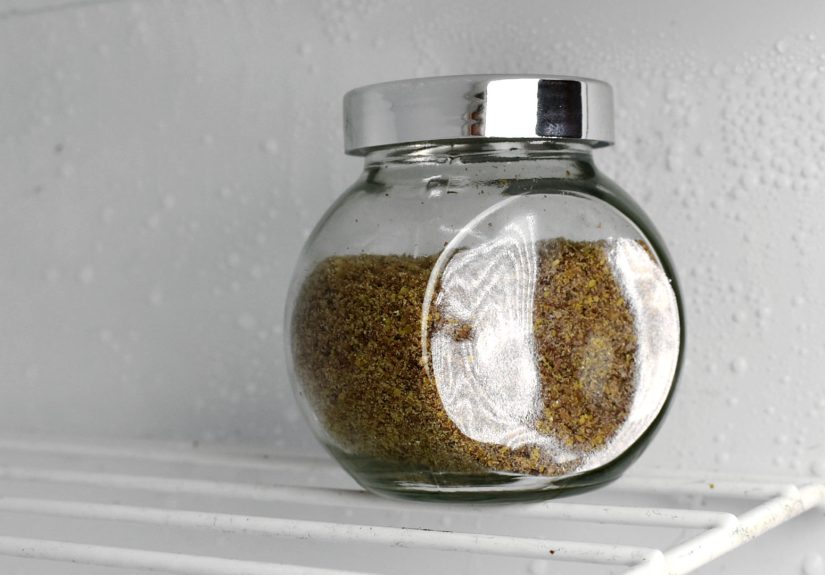
Step 4: Refrigerate It for Everyday Freshness
The refrigerator is the easiest everyday solution
For many home cooks, the refrigerator is the sweet spot for storing ground flaxseed after opening. It is cool, protected from strong light, and convenient enough for daily use. If you add flaxseed to breakfast bowls, protein shakes, baked oats, or muffin batter several times a week, refrigeration makes access easy without sacrificing freshness.
Store it in the coldest practical spot, not in the warmest part of the fridge door. A back shelf or crisper area in an airtight container works better than a spot that heats up every time someone grabs juice.
Why the fridge helps
Cool temperatures slow down the breakdown of the natural oils in flaxseed. This helps preserve taste and keeps that pleasant nutty flavor from turning bitter. The fridge is especially helpful if your kitchen runs warm, your pantry gets afternoon sun, or you live in a humid climate where “room temperature” feels suspiciously tropical.
If your household cooks a lot, the fridge also creates a useful routine. Open the door, grab the flaxseed, add a spoonful to oatmeal, and return it right away. Easy habits are the ones that stick.
Step 5: Freeze Extra Portions for Long-Term Storage
The freezer is your backup plan
If you bought a large bag, stocked up during a sale, or ground more flaxseed than you can use soon, divide it into smaller freezer-safe portions. Freezing is one of the simplest ways to extend freshness while keeping your daily-use container manageable.
Portioning matters here. Instead of freezing one huge brick of ground flaxseed, divide it into smaller jars or bags. That way, you only thaw what you need and keep the rest protected. Repeatedly opening one large frozen container exposes the contents to air and temperature changes, which defeats the point.
How to freeze ground flaxseed well
- Use a clean, airtight, freezer-safe container.
- Leave a little room at the top if needed, but not too much empty space.
- Label it clearly with the date.
- Store daily-use flaxseed separately so you are not constantly opening the freezer stash.
Frozen ground flaxseed is especially handy for smoothie lovers. You can scoop it straight from the freezer into the blender with almost no fuss. It is like meal prep, but for people who do not enjoy calling it meal prep.
Step 6: Learn the Signs of Spoilage Before It Ruins a Recipe
Use your nose first
Fresh ground flaxseed should smell mild, earthy, and slightly nutty. If it smells sour, sharp, stale, or paint-like, that is a bad sign. Those rich oils have likely turned rancid, and the flaxseed should be tossed.
Taste matters too
If the aroma seems questionable, taste a tiny bit. Fresh flaxseed has a gentle nuttiness. Spoiled flaxseed often tastes bitter or unpleasantly harsh. Do not try to rescue it by hiding it in banana bread. Your banana bread did nothing wrong.
Watch the texture and appearance
Clumping, unexpected moisture, or any sign of contamination means it is time to discard it. If your scoop goes in dry and comes out like it just survived weather, something is off. Trust common sense. A cheap bag of flaxseed is not worth gambling on.
Common Mistakes to Avoid When Storing Ground Flaxseed
- Keeping it near the stove: Heat speeds up quality loss.
- Using the original flimsy bag forever: Resealable packaging is nice, but not always truly airtight.
- Forgetting the date: Memory is not a food safety system.
- Leaving the lid loose: Air exposure adds up fast.
- Buying too much pre-ground flaxseed: Convenience is nice, but freshness often favors smaller quantities.
- Ignoring weird smell or taste: If it seems wrong, it probably is.
Best Ways to Use Ground Flaxseed Before It Sits Too Long
The easiest way to keep ground flaxseed fresh is to actually use it. Build it into your routine so the container does not become a forgotten science project in the back of the fridge.
Simple ideas include stirring it into:
- Oatmeal or overnight oats
- Smoothies and protein shakes
- Yogurt parfaits
- Pancake or waffle batter
- Muffins, quick breads, and granola bars
- Homemade energy bites
- Meatballs or veggie burgers as a binder
You can also make a flax egg by mixing ground flaxseed with water for baking. That alone is enough to make many home bakers keep a container on hand year-round.
Should You Buy Whole or Ground Flaxseed?
If convenience matters most, ground flaxseed is easy to use and blends quickly into recipes. If freshness matters most, whole flaxseed often has the edge because its outer shell protects the oils better. Many people find the best compromise is buying whole flaxseed and grinding small batches at home.
This approach gives you flexibility. You get the nutrition benefits of ground flaxseed while keeping the bulk of your supply in a more stable form. A coffee grinder, spice grinder, or high-speed blender can handle the job. Just make sure the appliance is dry and clean before you start.
Conclusion
Storing ground flaxseed is not difficult, but it does reward a little attention. Buy a realistic amount, use an airtight container, label it, refrigerate what you use regularly, freeze the extra, and trust your senses before adding it to food. Those six steps go a long way toward preserving flavor, freshness, and value.
In other words, ground flaxseed is low-maintenance, not no-maintenance. Treat it kindly, and it will return the favor in smoothies, baked goods, breakfast bowls, and all the other places where a spoonful of nutty goodness quietly makes your food better.
Extra Practical Experience: What Storing Ground Flaxseed Actually Feels Like in Real Life
In real kitchens, storing ground flaxseed is rarely about textbook perfection. It is more about habits. People usually buy flaxseed with excellent intentions. They imagine themselves sprinkling it over oatmeal every morning, blending it into green smoothies, and becoming the sort of person who casually says things like “I added lignans.” Then life happens. The bag gets opened, folded over with one tired clip, and pushed behind the peanut butter.
That is why the container change matters so much in practice. The moment ground flaxseed goes into a sturdy airtight jar, it becomes easier to use and easier to remember. You can see it, scoop it, close it, and move on with your day. It feels less like a fragile health product and more like a normal kitchen staple. That tiny shift often makes the difference between finishing the flaxseed and eventually throwing it away.
Another very real experience is the smell test. Almost everyone who uses ground flaxseed regularly reaches a moment when they open the container and pause. Fresh flaxseed smells mild and pleasantly nutty. Old flaxseed has a smell that makes you pull the jar back and say, “Well, that is not right.” It is not always dramatic, but it is noticeable. Once you smell rancid flaxseed one time, your brain stores that memory forever. It becomes your personal quality-control superpower.
The freezer experience is also underrated. People often think freezing sounds annoying, but in daily life it is surprisingly convenient. A small freezer jar of ground flaxseed is easy to portion, and because it is often used in cold foods like smoothies or yogurt, it fits naturally into the routine. The real trick is splitting the flaxseed into a smaller “now” container and a larger “later” container. That way, your everyday jar gets opened often, while the backup stays protected.
Many home cooks also discover that warm kitchens are not ideal for ground flaxseed. If your home gets hot in the afternoon or your pantry sits near the oven, “cool room temperature” may be more fantasy than fact. In those kitchens, the refrigerator usually wins. It removes the guesswork. Instead of wondering whether the pantry is too warm this week, you just keep the flaxseed chilled and move on.
One more practical lesson: buying whole flaxseed can reduce guilt. A lot of people love the idea of pre-ground flaxseed because it is convenient, but whole flaxseed often feels less stressful to keep around. It lasts longer, and grinding a few spoonfuls at a time can be a nice middle ground between freshness and convenience. It also helps avoid the classic kitchen tragedy of buying a giant bag of ground flaxseed, using it twice, and then rediscovering it during a fridge cleanout six months later beside three sauces and a questionable lemon.
At the end of the day, the best storage method is the one you will actually follow. Fancy container systems are nice, but consistency matters more. If your flaxseed stays sealed, cool, dry, and easy to reach, you are already doing better than most abandoned pantry ingredients. And that is a win worth celebrating, ideally with a muffin.