Table of Contents >> Show >> Hide
- Why Dry Skin Happens in the First Place
- What the Best Dry Skin Remedies Actually Have in Common
- Staff Recs: The Best Dry Skin Remedies in 2024
- 1. A Thick, Fragrance-Free Cream
- 2. Petrolatum-Based Ointment for Cracks and Very Dry Patches
- 3. Ceramide Moisturizers for Barrier Repair
- 4. Urea or Lactic Acid Cream for Rough, Scaly Areas
- 5. A Gentle, Low-Irritation Cleanser
- 6. Short, Lukewarm Showers
- 7. The Damp-Skin Moisturizer Method
- 8. Overnight Hand and Foot Rescue
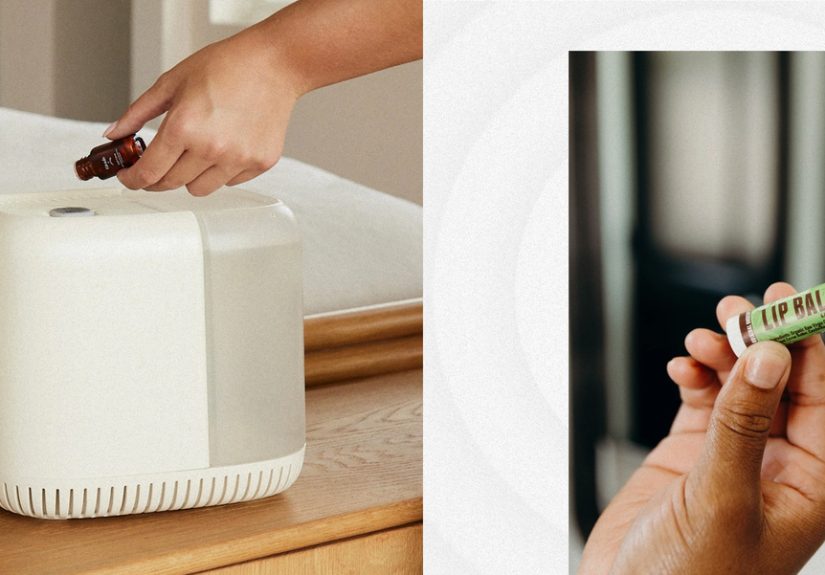
- 9. Lip Balm and Small-Area Occlusive Care
- 10. A Humidifier for Dry Indoor Air
- Best Dry Skin Remedies by Body Area
- Ingredients Worth Looking For
- When Dry Skin Might Need More Than Home Care
- A Simple Dry Skin Routine That Actually Works
- Experience Section: What Dry Skin Feels Like in Real Life
- Conclusion
Dry skin has a way of showing up uninvited and making itself very comfortable. One day your face feels a little tight after washing. The next day your hands look like you have been sanding furniture for fun. By the weekend, your elbows resemble tiny desert maps and your shins are throwing flakes like confetti. Glamorous? Not exactly.
The good news is that the best dry skin remedies in 2024 were not the fanciest, most aggressively marketed products on the shelf. In most cases, the winners were simple, boring, fragrance-free, and incredibly good at one job: helping the skin barrier hold onto water. That means thick creams, ointments, smart bathing habits, gentle cleansers, and ingredients that actually do something useful instead of just smelling like a tropical vacation.
This staff-style roundup takes a practical, evidence-based look at what really helps when skin turns rough, tight, flaky, itchy, or cracked. Think of it as the no-drama guide to getting soft, comfortable skin back on speaking terms with the rest of your body.
Why Dry Skin Happens in the First Place
Dry skin, also called xerosis, happens when the outer layer of your skin loses too much water. Once that barrier gets a little beat up, the skin has a harder time holding in moisture and keeping out irritants. That is why dry skin is not just about looking flaky. It can also sting, itch, feel rough, and become more reactive to soaps, weather, and friction.
A few usual suspects show up again and again: cold weather, indoor heat, long hot showers, harsh soaps, frequent handwashing, aging skin, over-exfoliating, and underlying conditions like eczema. In other words, dry skin is often a teamwork problem between your environment, your habits, and your skin barrier.
What the Best Dry Skin Remedies Actually Have in Common
Before we jump into the staff recs, here is the big takeaway: the best dry skin remedies are rarely about one miracle ingredient. They work because they combine a few smart strategies. First, they add water to the outer skin layer or attract moisture. Second, they soften rough texture. Third, they help seal that water in so it does not evaporate five minutes later while you are answering email.
That is why the most useful products usually include some blend of humectants, emollients, and occlusives. Yes, those words sound like skincare trying to impress you at a dinner party. But they matter.
Humectants
These attract water and help hydrate the skin. Common examples include glycerin, hyaluronic acid, and urea. If your skin feels dehydrated and tight, humectants are part of the solution.
Emollients
These help smooth and soften rough, flaky skin. Ingredients like fatty acids, ceramides, and some oils fit here. They make skin feel less like sandpaper and more like actual skin.
Occlusives
These form a seal to reduce water loss. Petrolatum is the classic example. It is not trendy, but it is wildly effective. It is the skincare equivalent of a reliable pickup truck.
Staff Recs: The Best Dry Skin Remedies in 2024
1. A Thick, Fragrance-Free Cream
If there is one product category our imaginary office skincare drawer would defend with its life, it is a thick cream in a tub or squeeze bottle. Not a watery lotion. Not a sparkly serum that costs as much as rent. A real cream.
Why this gets top billing: creams tend to be more effective than thin lotions for dry skin because they contain more oil and barrier-supporting ingredients. They spread well, feel substantial, and work especially well after bathing. For many people, this is the everyday hero product that handles arms, legs, torso, and even hands in a single step.
Look for labels that say fragrance-free and hypoallergenic, especially if your skin also itches or gets red easily. Dry skin and perfume are not always sworn enemies, but they are definitely not best friends.
2. Petrolatum-Based Ointment for Cracks and Very Dry Patches
When skin is beyond “a little dry” and firmly in “please help immediately” territory, ointments are hard to beat. Petrolatum-based products are excellent for tiny cracks, irritated knuckles, flaky corners of the nose, rough elbows, dry heels, and winter-ravaged hands.
Yes, they can feel greasy. No, they are not glamorous. But they are extremely good at sealing in moisture, especially overnight. This is the remedy you reach for when your hands look like you have been hand-washing bricks or your heels are threatening to snag the bedsheets.
One of the best ways to use an ointment is the classic bedtime move: apply a generous layer, then cover hands with cotton gloves or feet with socks. It is not high fashion, but your skin will forgive the styling choices.
3. Ceramide Moisturizers for Barrier Repair
Ceramides became one of the most talked-about ingredients in dry skin care for a reason. These lipids help support the skin barrier, which is exactly what dry skin needs when it is losing water too quickly.
If your skin feels both dry and sensitive, or if it seems to react to everything from cold air to your own face wash, a ceramide-rich moisturizer is a strong pick. Many staff favorites in this category also include glycerin or hyaluronic acid, which makes them even more useful for skin that feels depleted.
This is the kind of remedy that does not always deliver a flashy overnight transformation, but it often pays off beautifully with steady use. Think less drama, more dependable improvement.
4. Urea or Lactic Acid Cream for Rough, Scaly Areas
Some dry skin is not just thirsty. It is thick, rough, and stubborn. That is where urea or lactic acid creams can really shine. These ingredients help soften hardened skin and improve texture, especially on feet, heels, knees, elbows, and rough patches on the legs.
The trick is to use them where they make sense. A stronger urea cream can be great for cracked heels, but maybe not the first thing you want to smear all over a sensitive face that already feels cranky. Match the product to the problem area, and do not confuse “stronger” with “better everywhere.”
5. A Gentle, Low-Irritation Cleanser
Sometimes the best dry skin remedy is stopping the thing that keeps making your skin worse. Harsh cleansers, strong soaps, heavy fragrance, and over-washing can strip away the oils your skin actually needs.
A gentle cleanser helps because it cleans without turning your skin into a squeaky-clean cautionary tale. If your face feels tight right after washing, your cleanser may be doing too much. If your body wash smells like a tropical thunderstorm and your legs feel itchy afterward, that is another clue.
For dry skin, a bland cleanser is often a good cleanser. Exciting personality is not required here.
6. Short, Lukewarm Showers
This one is not a product, but it absolutely deserves staff-rec status. Long, hot showers feel amazing in the moment and are sometimes terrible for dry skin. Hot water strips oils faster, and extra shower time gives water more opportunity to evaporate from the skin afterward.
The better move is shorter showers with lukewarm water, followed by moisturizer within a few minutes of getting out. Pat the skin dry instead of rubbing like you are trying to erase a mistake. If you remember only one routine tip from this article, make it this one.
7. The Damp-Skin Moisturizer Method
Dermatology advice keeps coming back to the same simple habit: apply moisturizer to damp skin. Not dripping wet. Not bone dry 40 minutes later while you scroll your phone. Damp.
Why it works: you are helping trap some of that post-bath water in the outer skin layer. It is one of the easiest upgrades you can make, and it costs exactly zero extra dollars. We love a remedy with results and no subscription fee.
8. Overnight Hand and Foot Rescue
Hands and feet deserve their own category because they are often the first places to become impressively dry. Hands deal with handwashing, sanitizer, weather, and friction. Feet deal with pressure, thick skin, and the bold confidence of open-back shoes.
For hands, use a thick cream or ointment after washing and again before bed. For feet, apply a rich cream, ointment, or urea-based product at night and wear socks. This overnight routine is one of the highest-reward dry skin habits around, especially in winter.
9. Lip Balm and Small-Area Occlusive Care
Dry skin rarely stays politely on your shins. Lips, nostrils, eyelids, cuticles, and corners of the mouth can all get involved. These areas do better with simple, protective products than with scented or menthol-heavy formulas that may feel tingly but are not always soothing in the long run.
A bland, protective balm is often the best call for these zones. When in doubt, simpler usually wins.
10. A Humidifier for Dry Indoor Air
If your skin behaves fine outdoors in one season and then loses its mind the second the heat comes on indoors, the air may be part of the problem. Dry indoor environments can pull moisture from the skin, especially during colder months.
A humidifier will not replace moisturizer, but it can absolutely support your routine. It is particularly helpful for people who wake up with dry lips, tight facial skin, itchy shins, or hands that seem older than they were the night before.
Best Dry Skin Remedies by Body Area
Face
Stick with a gentle cleanser, then apply a fragrance-free cream with ceramides, glycerin, or hyaluronic acid. If certain spots are peeling, a tiny amount of ointment at night can help. Daily sunscreen matters too, because sun exposure can further stress the skin barrier.
Hands
Use hand cream after every wash if you can manage it. Keep one by the sink, one in your bag, and one near your bed. Is that excessive? Maybe. Is it effective? Absolutely.
Body
Use a rich cream right after showering. Focus on arms, legs, and any itchy zones. If your body skin still feels rough, consider stepping up to a heavier cream or an ointment on the driest patches.
Feet
For rough heels and thick dry skin, use a thicker cream or a urea-based formula at bedtime. Socks are your finishing move. Your future self will thank you when sheet season arrives.
Ingredients Worth Looking For
When shopping for the best dry skin remedies, the ingredient list matters more than the marketing poetry on the front label. Useful ingredients include ceramides, glycerin, hyaluronic acid, petrolatum, dimethicone, urea, lactic acid, and sometimes mineral oil or lanolin, depending on personal tolerance.
What should many people with dry or sensitive skin avoid? Heavy fragrance, strong exfoliating acids used too often, harsh soaps, and products with lots of alcohol that leave the skin feeling stripped. “Unscented” can still contain masking fragrance, so “fragrance-free” is often the safer bet.
When Dry Skin Might Need More Than Home Care
Sometimes dry skin is just dry skin. Sometimes it is waving a little flag that says, “Hi, I might be eczema, contact dermatitis, psoriasis, or something else.” If the dryness is severe, painful, cracked, bleeding, infected-looking, keeping you awake, or not improving with a solid routine, it is worth checking in with a clinician or dermatologist.
Also, if you have itch without much of a visible rash, or your skin suddenly changes in a major way, do not spend six months arguing with a body lotion. Get help.
A Simple Dry Skin Routine That Actually Works
- Take a short lukewarm shower.
- Use a gentle cleanser only where needed.
- Pat skin dry.
- Apply a fragrance-free cream to damp skin within a few minutes.
- Use ointment on cracks, hands, heels, or extra-dry patches.
- Reapply hand cream during the day.
- Use a humidifier if indoor air is very dry.
- Wear sunscreen on exposed skin every day.
Experience Section: What Dry Skin Feels Like in Real Life
Dry skin is easy to dismiss until it starts interfering with ordinary life in surprisingly annoying ways. It is not always dramatic. Often, it is a slow build. You notice your face feels tight after washing. Then your makeup clings to flaky areas. Then the skin on your hands starts catching on towels, and suddenly opening a cardboard box feels like a personal attack.
One of the most common real-life experiences with dry skin is the “winter spiral.” The air gets colder outside, the heat comes on indoors, showers get hotter, and skin starts losing moisture from every direction. At first, it shows up as dullness or roughness on the legs and arms. A little later, there is itching at night, especially on the shins. By that point, a lightweight lotion often feels like a polite suggestion instead of a solution.
Another familiar experience is the handwashing problem. People who wash their hands often for work, parenting, cooking, or basic germ-avoidance know the pattern well. The backs of the hands turn dry first. Then the knuckles get rough. Then the skin around the nails starts looking ragged. If the weather is cold too, the combination can be brutal. In these situations, a small tube of hand cream used consistently often works better than one dramatic rescue treatment applied once in a panic.
There is also the “I thought this was just normal” experience. Many people live with dry skin for years without realizing that their routine is making it worse. They use harsh cleansers because they like the squeaky-clean feeling. They wait too long after showering to moisturize. They assume stinging means a product is working. Then they switch to a fragrance-free cream, shorten the shower, and apply moisturizer on damp skin, and suddenly their skin behaves like it has been waiting for common sense all along.
Dry skin can also be surprisingly emotional. When your face is flaky, your hands are cracked, or your feet are rough enough to snag fabric, it can make you feel less comfortable in your own body. People often describe feeling self-conscious, especially when the dryness is visible. The upside is that dry skin usually responds well to consistency. It may not improve overnight, but with the right routine, the skin barrier often gets calmer, softer, and less reactive over time.
Perhaps the most useful lived experience lesson is this: dry skin rewards boring routines. The products that help most are often the ones no one brags about online. Thick cream. Gentle cleanser. Petrolatum. Socks at bedtime. A humidifier humming quietly in the corner. Not glamorous, but incredibly effective. In the world of dry skin remedies, practical usually beats pretty, and consistency beats excitement every single time.
Conclusion
If 2024 taught dry-skin sufferers anything, it is that the best remedies are usually simple, barrier-friendly, and repeatable. A thick fragrance-free cream, a reliable ointment, smarter shower habits, and a few proven ingredients can do far more than a crowded shelf of overhyped products. Dry skin does not need a complicated ten-step routine. It needs moisture, protection, and less nonsense.
So if your skin is flaky, itchy, tight, or cracking, skip the gimmicks. Pick the boring winner. Your skin will absolutely get the message.