Table of Contents >> Show >> Hide
- What Is Wire Ware by Naoto Fukasawa?
- Why Wire Storage Still Feels Fresh
- Plusminuszero: The Beauty of “Just Right”
- Naoto Fukasawa’s Design Philosophy in a Storage Object
- The Collection: Fruit Basket, Egg Carton, Egg Cup, and Toast Rack
- Material and Finish: Why Black Wire Works
- How Wire Ware Improves Kitchen Storage
- Design Analysis: Lines, Emptiness, and Everyday Ritual
- Who Is Wire Ware Best For?
- Styling Ideas for Wire Ware at Home
- Why Designers Still Talk About Objects Like This
- Buying and Collecting Considerations
- Experience Notes: Living With Wire Ware-Inspired Storage
- Conclusion
Some storage products scream for attention. They arrive wearing shiny finishes, complicated hinges, awkward labels, and the visual confidence of a kitchen gadget that thinks it has a TED Talk. Then there is Wire Ware by Naoto Fukasawa for Plusminuszero: quiet, black, linear, and so calmly useful that it almost whispers, “Relax, I have the eggs.”
Wire Ware is a small collection of storage-focused tableware designed for everyday kitchen items such as fruit, bread, eggs, and toast. It belongs to the world of objects that do not try to redesign your life with drama. Instead, it improves one tiny domestic moment at a time. A basket holds fruit. An egg carton keeps eggs from wandering. A toast rack lets breakfast stand upright like it has somewhere important to be. Simple? Yes. Lazy? Absolutely not.
Designed by Japanese industrial designer Naoto Fukasawa for Plusminuszero, also written as ±0, Wire Ware reflects a design philosophy built around clarity, habit, balance, and usefulness. It is storage stripped to its outline: thin black steel lines describing volume without filling it in. The result is a set of pieces that feel both vintage and modern, practical and poetic, humble and strangely memorable.
What Is Wire Ware by Naoto Fukasawa?
Wire Ware is a collection of wire tableware and storage objects created for Plusminuszero around 2010 and shown in design coverage during the Milan design period. The line includes a bread or fruit basket, an egg carton, an egg cup, and a toast rack. Each piece is made from black wire or steel with a matte finish, giving the collection a strong graphic identity without making it visually heavy.
The genius of the collection is that it uses almost nothing to do almost everything. Instead of thick walls, panels, lids, or decorative flourishes, Wire Ware uses open lines. The wire creates a frame, and the empty space inside does the rest. This makes each object feel light on a table, countertop, or shelf. It also means the stored items remain visible. Fruit looks like fruit, bread looks inviting, eggs look organized, and toast looks unusually dignified for something that was recently bread.
Why Wire Storage Still Feels Fresh
Wire storage has been around for generations. Farmhouse egg baskets, bakery racks, cooling grids, and market crates all use the same basic idea: strong lines, open air, and easy visibility. What makes Fukasawa’s Wire Ware special is the refinement. These are not rustic objects pretending to be antiques. They borrow the honesty of old wire storage but translate it into a precise, minimal, modern language.
That matters in contemporary kitchens because visual clutter is often the real enemy. Many storage products solve one problem while creating another. They hide the bananas, dominate the countertop, or turn a small breakfast corner into a warehouse for “solutions.” Wire Ware does the opposite. It organizes without blocking the view. It gives everyday food a place to rest without overproducing the moment.
Plusminuszero: The Beauty of “Just Right”
Plusminuszero was established in Japan in 2003 and became known for domestic products that are simple, useful, and carefully shaped. The brand’s name suggests balance: not too much, not too little, but exactly enough. That idea fits Wire Ware beautifully. A fruit basket should not require a user manual. A toast rack should not look like a spaceship. An egg holder should not make breakfast feel like inventory management.
Under Fukasawa’s design direction, Plusminuszero built a reputation for taking common household objects seriously. Fans of the brand often point to its appliances, humidifiers, fans, and kitchen objects as examples of everyday design done with quiet confidence. Wire Ware belongs to that same family. It is not a loud luxury product. It is a modest object made thoughtful through proportion, material, and restraint.
Naoto Fukasawa’s Design Philosophy in a Storage Object
Naoto Fukasawa is widely associated with ideas such as “Without Thought,” “Super Normal,” and design that dissolves into behavior. In plain English, he designs objects that feel natural to use before you even think about using them. You see the object, understand it, reach for it, and move on with your day. No drama. No puzzle. No small domestic argument between you and a badly designed lid.
Wire Ware is a perfect example of that approach. The basket is immediately readable as a basket. The egg carton is immediately readable as a safe place for eggs. The toast rack does not ask to be admired before it does its job. Yet the more you look, the more intelligence appears. The spacing of the wires, the matte black finish, the curved outlines, and the slight vintage character all work together. It is familiar, but not boring. Minimal, but not cold.
The Collection: Fruit Basket, Egg Carton, Egg Cup, and Toast Rack
Wire Basket for Fruit or Bread
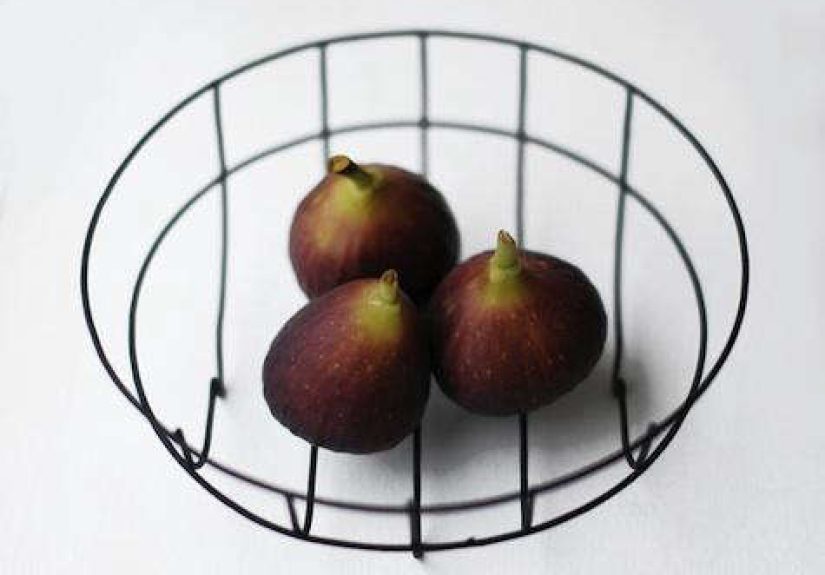
The Wire Ware basket is perhaps the easiest piece to imagine in daily life. Place apples, citrus, pears, rolls, or a small loaf inside, and the basket gives them structure without hiding their color. Because the frame is open, fruit can breathe better than it would in a sealed container. It also looks good from multiple angles, which matters if your kitchen island is visible from the living room and you secretly want guests to think you have your life together.
Wire Egg Carton
The egg carton is one of the collection’s most charming pieces. Standard egg cartons are usually paper, plastic, or foam, designed for transportation more than display. Fukasawa turns egg storage into a small tabletop sculpture. The eggs remain the stars, while the wire frame simply keeps them safe and ordered. It is practical for baking days, brunch prep, or storing eggs on a counter when appropriate food-safety rules are followed.
Wire Egg Cup
The egg cup is tiny, but it captures the spirit of the whole collection. It supports one egg with minimal material and maximum clarity. There is a gentle humor in giving one boiled egg its own black wire throne. It is not excessive, exactly. It is just ceremonial enough to make breakfast feel intentional.
Wire Toast Rack
The toast rack may be the most old-fashioned member of the group, and that is part of its charm. Toast racks help slices stay separated, reducing steam buildup and helping toast remain crisp longer. Fukasawa’s version brings the classic breakfast-table object into a cleaner, more architectural form. It is useful, but it also adds rhythm to the table: repeated vertical lines, warm toast, black wire, morning light.
Material and Finish: Why Black Wire Works
The matte black finish gives Wire Ware its strong visual identity. Black wire creates a clean outline around whatever it holds. Against white plates, wood counters, stone surfaces, or stainless steel appliances, the pieces look crisp but not flashy. The color also makes the collection flexible. It can work in a modern apartment, a Japanese-inspired kitchen, a Scandinavian dining nook, an industrial loft, or a farmhouse space that has learned to use indoor plumbing and good lighting.
Steel wire also brings durability and lightness. The structure is strong enough for daily use, but the pieces do not feel bulky. This balance is important for small kitchens, where every object left on the counter must earn its square inches. Wire Ware earns its place by being useful, good-looking, and easy to move.
How Wire Ware Improves Kitchen Storage
Good kitchen storage is not only about hiding things. Sometimes it is about displaying the right things well. A bowl of lemons, a few rolls, fresh eggs for a recipe, or toast served at breakfast can make a kitchen feel alive. Wire Ware supports that kind of storage. It creates order while keeping daily ingredients visible and accessible.
For people who cook often, visibility matters. When fruit is visible, it gets eaten. When bread has a designated place, it does not migrate across the counter like a carbohydrate tourist. When eggs are held neatly, baking prep becomes smoother. The value of Wire Ware is not that it transforms the kitchen overnight. Its value is that it quietly reduces friction in small repeated moments.
Design Analysis: Lines, Emptiness, and Everyday Ritual
Wire Ware is essentially a study in outline. Most storage containers use mass: boxes, bowls, walls, lids, and compartments. Fukasawa uses line. The line tells your eye where the object begins and ends, while emptiness keeps it visually light. This is why the collection feels refined even though it is made from a familiar material.
The design also respects the items being stored. A fruit basket should flatter fruit, not compete with it. An egg holder should protect eggs, not bury them. A toast rack should serve toast while still making breakfast look appealing. Wire Ware understands hierarchy. The object supports the ritual; it does not hijack it.
Who Is Wire Ware Best For?
Wire Ware is best for people who appreciate functional minimalism, thoughtful kitchen storage, and objects that look better the longer you live with them. It suits design collectors, small-space dwellers, home cooks, fans of Japanese product design, and anyone who has ever looked at a plastic fruit bowl and thought, “Surely civilization can do better than this.”
It is also ideal for interiors where every visible item matters. In a small apartment, the kitchen counter often doubles as a prep station, breakfast bar, mail zone, and emotional support surface. A storage object that looks calm can make the whole room feel calmer. Wire Ware brings order without adding visual noise.
Styling Ideas for Wire Ware at Home
Use the Basket as a Countertop Anchor
Place the wire basket on a wood cutting board or stone counter with seasonal fruit. Citrus in winter, peaches in summer, apples in fall, and bananas whenever they are not busy turning brown at Olympic speed. The black wire creates contrast and makes even ordinary produce look styled.
Set Up a Breakfast Station
Pair the toast rack with simple plates, butter, jam, and coffee cups. The repeated wire lines add structure to the table while keeping the mood relaxed. It is a small upgrade that says, “Yes, this is toast, but we respect toast in this house.”
Use the Egg Carton for Baking Prep
If you bake, the egg carton can hold eggs while butter softens and ingredients come to room temperature. It creates a clean mise en place moment and keeps eggs from rolling around like tiny fragile rebels.
Mix with Natural Materials
Wire Ware looks especially good with wood, linen, ceramic, glass, and stone. The black steel provides the outline; natural materials provide warmth. This combination prevents minimalism from feeling sterile.
Why Designers Still Talk About Objects Like This
Wire Ware may be small, but it touches a big design question: How much design does an everyday object need? Too little, and it becomes forgettable or awkward. Too much, and it becomes annoying. Fukasawa’s answer is careful reduction. He removes everything unnecessary, but not the personality. The result is an object that feels obvious after it exists, which is often the hardest kind of design to achieve.
This is why Wire Ware remains interesting years after its release. It is not tied to a trend color, a smart-home feature, or a gimmick. It is based on proportion, usefulness, and human behavior. Those things age well. A good basket in 2011 is still a good basket today. The eggs have not evolved beyond needing support.
Buying and Collecting Considerations
Because Wire Ware is a design-focused collection rather than a mass-market storage line available everywhere, availability may vary. Some pieces may appear through design retailers, vintage design sources, resale marketplaces, or collectors of Japanese household goods. When evaluating a piece, look closely at the finish, wire alignment, stability, and signs of wear such as rust, bends, or coating loss.
If you are buying for daily use, choose the piece that solves a real problem in your kitchen. The basket is the most versatile. The egg carton is the most distinctive. The toast rack is the most charming if you enjoy slow breakfasts. The egg cup is small but delightful, especially for people who believe breakfast deserves props.
Experience Notes: Living With Wire Ware-Inspired Storage
Using storage like Wire Ware changes the way a kitchen feels because it changes what the eye notices first. With ordinary closed containers, the countertop can look blocked and heavy. With open wire storage, the room keeps breathing. You can see the fruit, the bread, the eggs, and the table surface around them. That visibility makes the kitchen feel less like a storage unit and more like a place where food is actually enjoyed.
One of the most pleasant experiences with wire storage is how naturally it fits into daily routines. A fruit basket near the coffee maker encourages you to grab an apple before leaving the house. A toast rack on a weekend table turns a basic breakfast into a slower ritual. An egg holder beside a mixing bowl makes baking feel organized before the flour starts its usual attempt to cover the entire neighborhood.
The open structure also helps you edit. If a basket is too full, you see it immediately. If fruit is getting old, it cannot hide behind a lid and become a science project. Wire storage keeps you honest in the nicest possible way. It says, “Eat the pears,” without sending a notification.
There is also a tactile pleasure in these objects. The wire feels light but firm. The black finish gives a sense of precision. When you set fruit into a wire basket, the object does not wobble emotionally. It simply receives the fruit and looks better for it. That sounds like a small thing, but homes are built from small things repeated every day.
In a small apartment kitchen, Wire Ware-style storage can be especially helpful. Instead of hiding everything in cabinets, you can let a few attractive essentials live outside. The trick is restraint. One basket with fruit looks intentional. Three baskets, two racks, a decorative rooster, and a ceramic sign that says “Egg-cellent Morning” may require an intervention. Fukasawa’s design works best when given space to be quiet.
Another experience worth noting is how well black wire pairs with changing seasons. In spring, it frames pale eggs, herbs, and citrus. In summer, it looks sharp with tomatoes, peaches, and berries nearby. In autumn, it makes apples and bread feel cozy. In winter, it brings contrast to white ceramics and warm wood. The object stays the same, but what it holds keeps changing, which gives the kitchen a gentle rhythm.
Wire Ware also teaches a useful design lesson: storage does not have to disappear to be successful. Sometimes the best storage is visible, honest, and attractive enough to participate in the room. A beautiful container can make ordinary ingredients feel cared for. And when everyday objects feel cared for, everyday life feels a little more considered too.
Conclusion
Storage: Wire Ware by Naoto Fukasawa for Plusminuszero is more than a set of black wire kitchen accessories. It is a thoughtful example of how minimal design can make daily life smoother, calmer, and more beautiful without demanding applause. The collection turns fruit, eggs, bread, and toast into small domestic scenes, using only thin lines, open space, and excellent proportion.
For anyone interested in kitchen storage, Japanese design, modern tableware, or the philosophy of “just right,” Wire Ware remains a quietly brilliant reference point. It proves that useful objects do not need to shout. Sometimes they only need to hold an apple, support an egg, or keep toast crisp while looking effortlessly composed. In the crowded world of home organization, that kind of calm is practically a superpower.