Table of Contents >> Show >> Hide
- Why December Matters More Than It Looks
- Northeast and New England
- Upper Midwest and Great Lakes
- Mid-Atlantic and Appalachian South
- Deep South and Gulf Coast
- Florida
- Texas and the Southern Plains
- Mountain West and High Plains
- Pacific Northwest
- California and the Mild-Winter West
- A Smart December Checklist for Any Region
- Common December Mistakes
- What December Gardening Feels Like in Real Life
- Conclusion
Note: This guide is designed for U.S. gardeners and should be adjusted for your exact microclimate, elevation, soil conditions, and first-freeze pattern.
December is the month when some gardens look asleep, some are still producing dinner, and a few act like spring forgot to read the calendar. That is exactly why a one-size-fits-all winter garden guide is about as useful as flip-flops in a blizzard. In Maine, you may be labeling buried perennials and checking stored tubers. In Florida, you may be transplanting broccoli, sowing carrots, and wondering why your tomatoes are acting ambitious. In Southern California, you might be planting bulbs and cool-season vegetables while the rest of the country is scraping frost off the windshield with a loyalty card from the coffee shop.
The trick to a successful December garden is not doing more. It is doing the right things. This is the month for protecting roots, watching moisture, cleaning tools, finishing late planting in mild climates, and resisting the deeply human urge to prune everything just because the leaves are gone and the clippers look lonely.
Here is a practical, region-by-region guide to what to do now, what to skip, and how to set your garden up for a stronger spring.
Why December Matters More Than It Looks
December is not dead time in the garden. It is preparation time. The work you do now affects disease pressure, winter survival, spring growth, and even how much money you spend later replacing plants that could have made it through the season with a little help. This month is all about protecting soil, reducing pest carryover, storing tools correctly, and paying attention to water. Yes, water. Dormant plants are not decorative furniture. In many regions, especially dry winter climates, roots still need moisture.
December is also a planning month. Good gardeners use it to sketch beds, rotate crops, order seeds, note what worked, and quietly admit that the zucchini went from “promising” to “small green crisis” last summer. Reflection is part of gardening too.
Northeast and New England
What to do now
- Mark the spots where bulbs and herbaceous perennials are planted before snow and mulch hide everything.
- Check stored corms, tubers, onions, garlic, and other harvested crops. Remove anything soft, moldy, or suspiciously tragic.
- Take cuttings of winter-interest stems, berries, and evergreen boughs for decorations, but harvest lightly and never strip one plant bare.
- Clean, sharpen, oil, and store hand tools in a dry place.
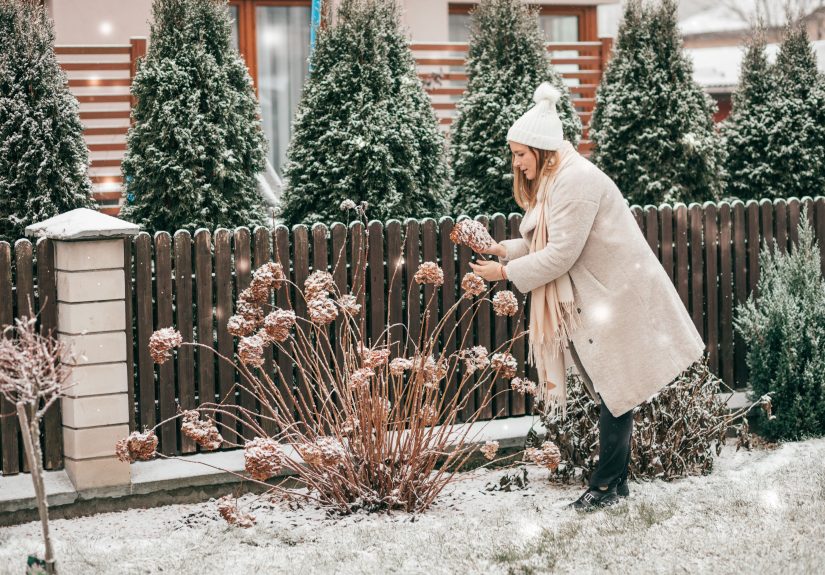
- Protect cold-sensitive plants and keep an eye on young trees and shrubs after wind, snow, and ice events.
What to avoid
Do not rush into heavy pruning just because everything looks bare. December pruning can invite damage in colder climates, especially if a warm spell is followed by a hard freeze. Also, avoid leaving decorative containers filled with wet soil out in the open unless you enjoy discovering cracked pots in spring.
In this region, December is less about planting and more about protection, observation, and storage. Think of it as the garden’s version of putting leftovers in labeled containers instead of tossing the whole fridge into chaos.
Upper Midwest and Great Lakes
What to do now
- Disinfect pots, trays, and pruners before spring seed-starting season sneaks up on you.
- Check cellars, garages, and cool storage for spoiled produce or dormant bulbs that have gone mushy.
- Feed birds and provide water if possible; winter wildlife adds movement and pest-control helpers to the landscape.
- Use December to plan next season’s layout, especially crop rotation for vegetables.
- Protect vulnerable beds with clean mulch where needed, especially if freeze-thaw cycles are common.
What to avoid
Do not assume every bare bed needs aggressive cleanup. Some standing stems and seed heads provide winter structure and habitat. Also, in the coldest parts of the Upper Midwest, most outdoor watering is finished by now, so avoid soaking frozen ground and calling it care.
This region’s December garden is mostly a maintenance garden. It is quiet work, but it matters. A clean pot, a labeled seed order, and a sane crop plan are not glamorous. Neither is flossing. Both are still excellent ideas.
Mid-Atlantic and Appalachian South
What to do now
- Plant garlic and mulch it well. December is still workable in many parts of this region.
- Harvest hardy root crops such as carrots, parsnips, beets, and turnips if the ground remains open, or protect them with straw.
- Cover strawberry beds after consistent cold arrives.
- Finish planting spring-flowering bulbs if the soil is still workable and the bulbs are firm.
- Remove spent vegetable plants and diseased debris to reduce insect and disease pressure next year.
- Disconnect hoses, drain rain barrels if needed, and move fragile containers under cover.
What to avoid
Hold off on major pruning of shrubs and fruit trees. Light tidying is fine, but hard pruning can stimulate growth too early or remove flower buds you actually wanted. That gorgeous spring show will not happen by positive thinking alone.
December in the Mid-Atlantic is a bridge month. Some vegetables are still active, some ornamentals still need planting, and winter prep is not quite over. It is one of the few times of year when you can harvest a turnip, plant garlic, and shop seed catalogs in the same afternoon.
Deep South and Gulf Coast
What to do now
- Keep mulch around roots to moderate temperature swings and reduce winter weeds.
- Scout for winter annual weeds early while they are still small and manageable.
- Plant late spring-blooming bulbs where local conditions allow.
- Water lawns, evergreens, and shrubs during extended dry spells, especially on warmer winter days.
- Continue with cool-season ornamentals and edible crops where the weather stays mild.
What to avoid
Do not assume a mild forecast means freeze danger is over. In the Deep South, weather can go from “light sweater” to “find every old bedsheet in the house” faster than a garden center sells out of frost cloth. Keep row covers, stakes, or cloth ready.
Winter in the Gulf region is a season of opportunistic gardening. You are not done yet. You are simply gardening in a different gear.
Florida
North Florida
December is still productive. This is a strong month for cool-season edibles such as arugula, beets, broccoli, Brussels sprouts, cabbage, cauliflower, Chinese cabbage, collards, kale, kohlrabi, and Swiss chard. Carrots, onions, radishes, and turnips are also right at home now. Think of North Florida in December as spring gardening wearing a holiday sweater.
Central Florida
Central Florida gardeners can keep going with many of the same cool-season crops, plus lettuce and peas in many locations. This is a great month to keep succession planting so the harvest does not arrive all at once like a salad avalanche.
South Florida
South Florida is operating on its own calendar, as usual. December can still support tomatoes, peppers, eggplant, beans, cucumbers, peas, radishes, squash, and more. In much of South Florida, December is not the end of the season. It is prime vegetable time.
Best strategy for the whole state
Match your planting list to your Florida zone, not to what your cousin in Ohio posted online. Florida gardeners win in December by planting actively, spacing well, and staying ahead of pests and fungal issues with good airflow and smart watering.
Texas and the Southern Plains
What to do now
- Plant trees and shrubs while they are dormant so roots can settle in before spring growth.
- Set out or continue growing cool-season bedding plants and winter greens.
- Sow or transplant lettuce, spinach, Asian greens, radishes, and herbs where local conditions permit.
- Keep frost cloth, row cover, sheets, or blankets ready for quick cold snaps.
- Mulch bare soil and water before a freeze when appropriate to help moderate soil conditions.
- Drain hoses, protect faucets, and do winter maintenance on tools and power equipment.
What to avoid
Do not commit the classic crime of over-pruning woody plants in December, and definitely do not “crape murder” your crape myrtles. A little holiday clipping from hollies or yaupons for decorations is fine. Turning shrubs into hat racks is not.
Texas gardening in December is all about flexibility. You may be harvesting greens in the morning and scrambling for frost blankets that evening. That is not chaos. That is Texas being Texas.
Mountain West and High Plains
What to do now
- Water trees, shrubs, lawns, and perennials during prolonged dry winter periods when air and soil temperatures are above 40 degrees Fahrenheit and snow is not covering the ground.
- Give extra attention to evergreens and shallow-rooted woody plants, which can dry out badly in winter wind and sun.
- Use deicing products sparingly near planted areas to avoid salt injury.
- Wrap or shield vulnerable trunks and evergreens from cracking, sunscald, or snow breakage.
- Winterize mowers, tillers, irrigation components, and hoses now, not after they freeze into a cautionary tale.
What to avoid
Do not confuse frozen air with moist soil. In the Mountain West, winter dryness is a serious issue. The garden may look dormant, but roots can still be damaged by long stretches without moisture. December here is less about planting and more about preventing drought damage in a season people do not usually associate with drought. Sneaky, but true.
Pacific Northwest
What to do now
- Watch for drainage issues, standing water, rot, and fungal problems during heavy winter rains.
- Do not walk on frosty lawns until they thaw.
- Protect new landscape plants from wind and winter exposure.
- Check stored bulbs, vegetables, and fruit often for rot.
- Tie narrow evergreens if snow or ice could split them.
- In western areas, keep an eye on plants in sheltered dry spots that may still need water. In central and eastern inland areas, deep watering every several weeks may still be needed during dry periods.
Planting window
In many milder Pacific Northwest locations, December is still a good time to plant trees and shrubs. That is one of the region’s great advantages. While other gardeners are organizing seed packets by emotional support level, Northwest gardeners may still be out planting woody ornamentals.
California and the Mild-Winter West
What to do now
- Sow cover crops where beds would otherwise sit bare through winter.
- Plant garlic, radishes, artichokes, cool-season vegetables, spring bulbs, and regionally appropriate native plants.
- Use nursery starts for leafy greens and brassicas if you want quicker winter harvests.
- Plant pre-chilled tulips and other bulbs in Southern California where needed.
- Clean up healthy crop residue for compost, but throw away diseased debris.
- Use dormant-season pest management carefully and only as appropriate for the crop and pest involved.
What to avoid
Do not keep feeding roses or deadheading them heavily if you want them to drift into dormancy. Also, do not leave the soil naked if winter rain is expected. Bare beds invite erosion, compaction, and weeds. None of those are charming in spring.
California gardeners have one of the broadest December menus in the country, which is great, but it also means it is easy to overdo things. December is still active, just not frantic.
A Smart December Checklist for Any Region
- Protect the soil: mulch, cover crop, or keep beds covered.
- Protect the roots: water when your climate truly needs it.
- Reduce pest carryover: remove diseased material and fallen fruit where recommended.
- Protect your equipment: drain hoses, winterize engines, sharpen tools.
- Protect next spring: plan crop rotation, order seeds, write notes while the season is still fresh in your mind.
Common December Mistakes
The first mistake is assuming every garden in America should be “put to bed” the same way. Not even close. The second is over-pruning. The third is forgetting moisture management. Another classic is ignoring stored bulbs, tubers, and harvested vegetables until one bad onion turns the whole box into a biology experiment. And finally, many gardeners let diseased debris stay in place all winter, which is basically sending pests and pathogens a formal invitation to come back next year.
December rewards the gardener who pays attention, not the one who panics. It is a month for thoughtful action, not heroic overreaction.
What December Gardening Feels Like in Real Life
There is a special kind of honesty in a December garden. The flowers are no longer distracting you with good manners and bright colors. The tomatoes are not pretending they will “totally ripen tomorrow.” The weeds are either finally quiet or still annoyingly confident, depending on where you live. What is left is structure, memory, and a long look at what the year really was.
December gardening feels different in every region, but the emotional rhythm is surprisingly similar. You walk outside with a mug in your hand and an exaggerated belief that you are “just checking on things.” Twenty minutes later, you have inspected a hose connection, pulled three weeds, judged the mulch depth, admired a branch silhouette against the sky, and somehow ended up making plans for a bed you will not touch until March. That is December. It is half maintenance, half daydream.
It is also the month when gardeners become detectives. Is that winter burn or normal dormancy? Did the garlic settle in well? Is that stored dahlia tuber still firm? Why does one pot still look cheerful while the one next to it appears to be writing its will? December turns everyone into a plant investigator with cold fingers and strong opinions.
There is humor in it too. Northern gardeners label buried bulbs like archaeologists preparing for a future excavation. Southern gardeners keep one eye on lettuce and the other on a freeze warning. Florida gardeners continue planting vegetables while the rest of the country stares in respectful disbelief. Western gardeners talk about drainage with the seriousness other people reserve for taxes. Mountain gardeners know the strange winter truth that a plant can be surrounded by snow and still need water. Every region has its own version of December absurdity.
But the deeper experience of a December garden is patience. You stop expecting instant results. You do not sow a cover crop because it looks impressive tomorrow. You do it because the soil will be better later. You clean tools because spring arrives faster than you think. You leave certain stems standing because beauty in winter is quieter and more architectural. You make notes because memory is slippery and July confidence is notoriously unreliable by seed-order season.
December can also be deeply comforting. There is less pressure to keep up, harvest faster, deadhead one more thing, or beat the heat. The pace changes. You notice bark, berries, evergreen texture, the sound of dry seed heads, the geometry of empty beds, the resilience of kale, the stubborn bravery of parsley, the way frost can make even a weed look like it has won an award. The garden becomes simpler, but somehow richer.
That is why December matters. It teaches you that gardening is not only about abundance. It is also about stewardship. Some months are for planting, some for harvesting, and some for paying attention. December is the month that asks whether you can care for a garden when it is not performing for applause. Good gardeners can. They cover roots, sharpen tools, plan with humility, and trust that quiet work still counts.
And then, naturally, they buy three more seed packets than they intended. Tradition must be honored.
Conclusion
The best December garden is not the busiest one. It is the one that matches its region. In cold climates, that means protecting plants, checking storage, and planning ahead. In mild climates, it means taking advantage of continued planting windows without forgetting frost protection. In dry winter areas, it means respecting the need for strategic watering. Across every region, December is the month for smart cleanup, soil protection, tool care, and realistic observation.
Gardeners who get December right usually find spring easier, healthier, and far less expensive. So go ahead: mulch the beds, drain the hoses, label the bulbs, protect the greens, and sketch next year’s grand plans. The garden may be quieter now, but it is not done talking.