Table of Contents >> Show >> Hide
- What Is Ginger Ale, Really?
- Why Ginger Ale Feels Like a Life Raft
- Ginger, Ginger Ale, and the Great Bubble of Confusion
- The Emotional Nutrition of Bubbles
- The Existential Case for Moderation
- When Ginger Ale Helps Most
- Ginger Ale vs. Ginger Beer: A Flavor Identity Crisis
- How to Choose a Better Ginger Ale
- Simple Ways to Enjoy Ginger Ale Without Overdoing It
- The Philosophy of the Small Comfort
- Experiences Related to the Existential Benefits of Ginger Ale
- Conclusion: A Little Fizz for the Human Condition
- SEO Tags
Some drinks arrive with a résumé. Green juice wants you to know it has kale. Kombucha wants you to ask about fermentation. Espresso walks in wearing black and says it has a meeting in six minutes. Ginger ale, by contrast, quietly appears in a cold glass with a few bubbles, a pale gold glow, and the emotional energy of someone who knows where the extra blankets are kept.
That is the strange magic of ginger ale. It is not exactly a health tonic, not exactly a soda, not exactly medicine, and not exactly dessert. It exists in the soft middle: a fizzy companion for queasy stomachs, airplane trays, childhood sick days, holiday punches, bridal showers, hotel minibars, and those odd evenings when the soul wants something more festive than water but less dramatic than a milkshake.
The existential benefits of ginger ale are not about pretending that one can of soda can solve the human condition. That would be impressive, but let’s not assign too much responsibility to carbonation. Instead, ginger ale’s charm lives in its rituals: the slow sip, the cold can, the tiny burst of bubbles, the nostalgic sense that someone once cared enough to hand you a glass when you felt terrible. It is comfort with fizz.
What Is Ginger Ale, Really?
Ginger ale is a carbonated soft drink traditionally flavored with ginger, sugar or another sweetener, water, and acid for brightness. Classic versions are usually lighter and sweeter than ginger beer, which tends to have a sharper ginger bite and a more robust flavor. Ginger ale’s famous “dry” style, popularized in the early 20th century, made the drink paler, crisper, and more mixer-friendly than the darker, spicier ginger sodas that came before it.
Historically, ginger ale belongs to the old soda fountain world, when pharmacists, mineral waters, syrups, and social life all met at the counter. Vernors, one of America’s oldest surviving ginger ale brands, traces its roots to Detroit in the 19th century, while Canada Dry began as a pale ginger ale created by John J. McLaughlin in the early 1900s. In other words, ginger ale did not simply fall out of a vending machine. It came from a tradition of fizzy experimentation, regional pride, and the human desire to make water more interesting.
Why Ginger Ale Feels Like a Life Raft
Ask many Americans what they drank when they were home sick as children, and ginger ale will appear with the confidence of a family heirloom. It was the drink placed beside saltine crackers. It sat on the nightstand next to a thermometer and a stack of old magazines. It was poured slowly into a glass because “the bubbles need to calm down,” which is one of those household instructions that sounds both scientific and mystical.
Part of ginger ale’s existential benefit is that it gives discomfort a script. When you feel nauseated, anxious, tired, or emotionally rumpled, a small ritual can help restore a sense of order. Open the can. Listen to the hiss. Pour it over ice. Wait. Sip. Repeat. The world may still be chaotic, but for a moment, there is a sequence. Humans are surprisingly fond of sequences.
This does not mean ginger ale is a cure-all. Many commercial ginger ales contain little real ginger, and some contain none in a meaningful medicinal sense. They are often sweetened soft drinks, not herbal medicine. But the experience of drinking ginger ale can still feel soothing because cold, clear, carbonated beverages are commonly used in small sips when people are trying to stay hydrated during mild nausea. The benefit may come less from a heroic dose of ginger and more from gentleness, temperature, bubbles, memory, and the fact that it is easier to face a miserable stomach with a beverage that feels friendly.
Ginger, Ginger Ale, and the Great Bubble of Confusion
Fresh ginger has been studied for nausea, digestion, inflammation, and related uses. The strongest everyday reputation is its connection with queasiness, especially pregnancy-related nausea, though results vary depending on the condition and form of ginger used. Ginger root contains compounds such as gingerols and shogaols, which help explain why ginger tea, ginger chews, and ginger capsules are often discussed in wellness and clinical contexts.
Ginger ale, however, is not the same thing as ginger root. That distinction matters. A cup of strong ginger tea is not nutritionally identical to a glass of sweet soda with ginger flavoring. Some ginger ales include ginger extract or natural flavors; others may rely mostly on flavoring and sweetness. If your goal is to use ginger for a specific wellness reason, ginger tea or another ginger-forward option may be more reliable than assuming every ginger ale is a sparkling pharmacy in disguise.
Still, ginger ale has its place. It can be part of a gentle sipping routine for people who tolerate it well. Flat ginger ale is sometimes preferred when bubbles feel too aggressive. A small glass can be easier to approach than a large meal when appetite has packed a suitcase and left town. The key is honesty: ginger ale may comfort you, but it should not be promoted as a miracle cure.
The Emotional Nutrition of Bubbles
Nutrition labels tell one truth. Memory tells another. On paper, regular ginger ale is usually a sugar-sweetened carbonated beverage. It may contain calories and added sugars without meaningful amounts of protein, fiber, vitamins, or minerals. That does not make it evil. It makes it a treat, a mixer, a comfort drink, or an occasional stomach-settling sipnot a daily replacement for water.
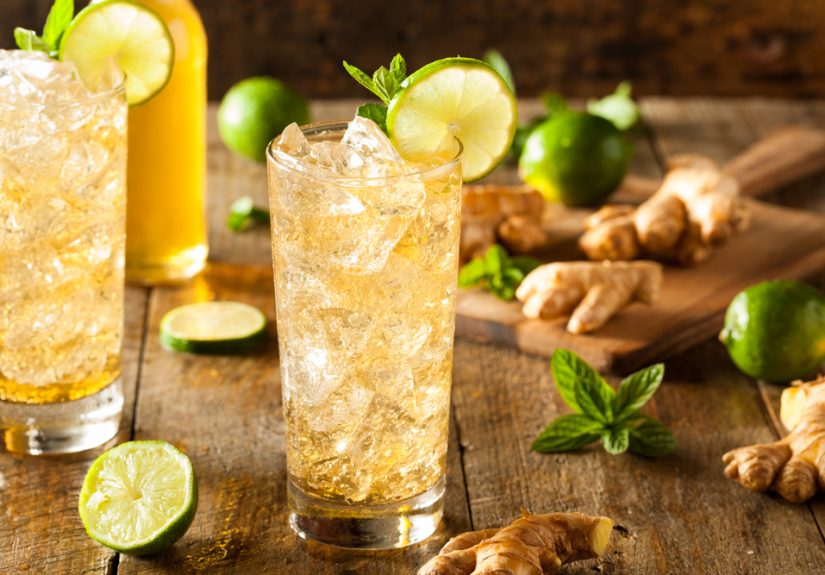
But food and drink are not only fuel. They also carry atmosphere. Ginger ale has the sparkle of celebration without demanding a party. It can appear in a punch bowl with citrus slices, cranberry juice, sherbet, or mint. It can be served in a highball glass with a twist of lime and still feel grown-up even without alcohol. It can make a Tuesday lunch feel like someone remembered the garnish.
That is emotional nutrition: the small lift that comes from flavor, ritual, and association. Ginger ale says, “We are not merely surviving; we have ice.” This may not fit on a Nutrition Facts label, but it has value in ordinary life.
The Existential Case for Moderation
The most honest love letter to ginger ale includes a boundary. Regular ginger ale can be high in added sugar, and frequent sugar-sweetened beverage consumption is associated with health concerns, including weight gain, dental cavities, and cardiometabolic risk. The FDA’s Daily Value for added sugars is 50 grams per day based on a 2,000-calorie diet, and one bottle or large serving of soda can take up a meaningful share of that amount.
So the existential benefit is not “drink ginger ale constantly.” It is “let ginger ale be ginger ale.” A small pleasure. A temporary comfort. A nostalgic spark. A mixer. A sick-day sip. A little golden punctuation mark. The modern world often ruins pleasures by turning them into either forbidden objects or personality brands. Ginger ale asks for a gentler category: enjoyed thoughtfully, not worshiped, not feared.
When Ginger Ale Helps Most
1. When Your Stomach Wants Diplomacy
During mild nausea, some people find small sips of cold, clear liquids easier to tolerate than heavy foods. Ginger ale can fit that role, especially if it has gone slightly flat and is consumed slowly. If vomiting, dehydration, severe pain, pregnancy concerns, or ongoing symptoms are involved, medical advice matters more than folklore. Ginger ale is a supporting character, not the doctor.
2. When You Need a Nonalcoholic Celebration
Ginger ale is excellent at making a drink feel intentional. Add it to cranberry juice with orange slices, pour it over ice with lime, or use it in a sparkling mocktail. It brings bubbles, sweetness, and mild spice without requiring alcohol. For guests who do not drink, ginger ale can turn “Would you like water?” into “Would you like something fun?” That is a hospitality upgrade.
3. When Nostalgia Needs a Glass
Some flavors work like time machines. For many people, ginger ale recalls grandparents, road trips, holiday buffets, hospital waiting rooms, airline carts, or the old rule that you could have soda only when sick. Its benefit is not purely chemical. It is autobiographical. It reminds the body of being cared for, and sometimes that memory alone can soften the edges of a hard day.
4. When You Want Soda Without the Caffeine Drama
Most classic ginger ales are caffeine-free, making them a gentler evening choice than many colas or energy drinks. That does not make them automatically healthy, because sugar still counts, but it does make ginger ale useful for people who want a fizzy drink without inviting caffeine to rearrange their sleep schedule like an overconfident interior designer.
Ginger Ale vs. Ginger Beer: A Flavor Identity Crisis
Ginger ale and ginger beer are cousins, but they do not always show up to dinner wearing the same outfit. Ginger ale is typically lighter, sweeter, and softer. Ginger beer is usually bolder, spicier, and more intense. If ginger ale is a cardigan, ginger beer is a leather jacket with opinions.
For existential purposes, ginger ale’s softness is part of the point. It is not trying to dominate the room. It blends. It comforts. It plays nicely with lemon, lime, cranberry, apple cider, bitters, mint, and even vanilla ice cream. In Detroit tradition, Vernors and vanilla ice cream come together in the Boston Cooler, a creamy, fizzy dessert that proves geography, naming conventions, and beverages all enjoy confusing us from time to time.
How to Choose a Better Ginger Ale
If you want ginger ale with more personality and fewer regrets, start with the label. Look for brands that list ginger, ginger extract, or natural ginger flavor if real ginger taste matters to you. Check added sugars, serving size, and calories. A small glass may satisfy the craving just as well as a giant bottle. If you prefer less sugar, consider zero-sugar options, smaller servings, or mixing regular ginger ale with plain sparkling water.
You can also make a more ginger-forward version at home. Combine sparkling water with a splash of ginger syrup, fresh lime, and a few slices of real ginger. Sweeten lightly if needed. This homemade approach gives you more control over sugar and spice while preserving the bubble-based optimism that makes ginger ale so charming.
Simple Ways to Enjoy Ginger Ale Without Overdoing It
Use It as a Sparkling Accent
Instead of making ginger ale the whole drink, use it as the bright finish. Add a few ounces to iced tea, citrus juice, or a mocktail. You still get the fizz and flavor without turning every glass into a sugar festival with a brass band.
Serve It Cold and Small
Ginger ale tastes best when it is genuinely cold. A smaller serving over ice often feels more satisfying than a large lukewarm pour. The bubbles are sharper, the sweetness feels cleaner, and the whole experience becomes more deliberate.
Flatten It When Needed
If bubbles aggravate your stomach, let the ginger ale sit open for a while before sipping. Flat ginger ale may not win a beauty contest, but it has earned its place in many homes as the quiet understudy of sick-day hydration.
Pair It With Real Food
For everyday enjoyment, ginger ale pairs well with salty snacks, roasted chicken, sandwiches, picnic foods, and spicy dishes. It can also balance rich desserts. The ginger note keeps sweetness from feeling too one-dimensional, like a soda that took a community college class in sophistication.
The Philosophy of the Small Comfort
Why call ginger ale “existential” at all? Because existence is not only built from grand decisions, career milestones, moral dilemmas, and dramatic sunsets. It is also built from small comforts that help us remain human while doing laundry, answering emails, recovering from stomach bugs, and wondering why the printer has chosen betrayal.
Ginger ale offers a tiny form of reassurance. It says life does not have to be optimized every second. Not every sip needs antioxidants, adaptogens, or a productivity framework. Sometimes a drink can be a drink. Sometimes pleasure can be modest. Sometimes the best thing in the room is a cold glass with bubbles climbing upward as if they know something encouraging.
That is the real existential benefit: ginger ale creates a pause. It invites you to slow down, sip carefully, and notice the body. Am I thirsty? Am I nauseated? Am I tired? Do I need rest, food, medicine, water, or just five minutes away from the noise? A humble glass of ginger ale can become a checkpoint between discomfort and care.
Experiences Related to the Existential Benefits of Ginger Ale
There is a particular kind of afternoon when ginger ale makes more sense than almost anything else. Imagine coming home after a long, oddly shaped daythe kind where nothing tragic happened, but every small task grew extra elbows. The inbox was rude. The traffic lights had a personal vendetta. Lunch was technically food but spiritually cardboard. You open the refrigerator and see a can of ginger ale tucked behind the mustard. Suddenly, the day has a plot twist.
You pour it into a glass, and the first sound is the tiny storm of carbonation. It is not loud, but it is decisive. The bubbles rise. The ice cracks. The color is pale gold, like sunlight that has been asked to calm down. You take the first sip, and the sweetness lands first, followed by that mild ginger warmthnot enough to start a revolution, just enough to remind your mouth that flavor still exists. For a few seconds, your shoulders lower. That is not a cure. It is not enlightenment. But it is a small return to yourself.
Ginger ale also has a way of making care visible. When someone brings it to you while you are sick, the gesture says, “I noticed you are not okay, and I brought the unofficial beverage of trying.” The drink might sit beside crackers, soup, or a folded blanket. Maybe it is poured flat because that is how someone’s mother did it. Maybe it is served with a straw because lifting your head feels like applying for a mortgage. The comfort comes from the drink, yes, but also from the choreography of being looked after.
Then there are the celebratory experiences. Ginger ale in a punch bowl at a family gathering. Ginger ale with cranberry juice during the holidays. Ginger ale poured into a plastic cup at a picnic where the potato salad is controversial. It is friendly, inclusive, and easy. It does not demand that anyone explain their lifestyle choices. It simply sparkles and gets along with everybody.
One of the best uses of ginger ale is as a bridge between ordinary and special. A weeknight dinner becomes slightly more festive. A sober toast feels less like a compromise. A movie night gets a vintage soda-fountain mood. Even a quiet evening alone can feel intentionally cozy when the drink in your hand has bubbles and a little bite.
That is why ginger ale endures. Not because it is perfect. Not because it is a superfood wearing a soda costume. It endures because human beings need gentle rituals. We need flavors that remember us. We need small, fizzy reminders that comfort does not always arrive as a grand solution. Sometimes it arrives in a can, waits patiently in the refrigerator, and says, “Start with a sip.”
Conclusion: A Little Fizz for the Human Condition
The existential benefits of ginger ale are best understood as a blend of history, flavor, memory, and moderation. Real ginger has a meaningful wellness reputation, especially around nausea, but commercial ginger ale varies widely in ginger content and should not be mistaken for medicine. Regular versions can contain plenty of added sugar, so daily overuse is not a brilliant life strategy.
Yet ginger ale still deserves its beloved place in American kitchens, coolers, sick-day routines, and punch bowls. It is gentle, nostalgic, versatile, usually caffeine-free, and emotionally fluent. It knows how to be both ordinary and special. It can comfort a queasy stomach, brighten a mocktail, sweeten a family gathering, or turn a difficult afternoon into something slightly more manageable.
In the grand philosophical debate over what makes life bearable, ginger ale will not replace love, purpose, friendship, sleep, or health insurance. But as small comforts go, it performs beautifully. It fizzes. It soothes. It reminds us that even in a complicated world, there is still room for a cold glass, a careful sip, and a few golden bubbles rising toward the light.