Table of Contents >> Show >> Hide
- What Bulimia Does to the Body Over Time
- 1. The Heart and Electrolytes Take a Direct Hit
- 2. The Digestive Tract Pays for Repeated Upheaval
- 3. Teeth, Gums, and Salivary Glands Can Show the Damage Early
- 4. Kidneys and Fluid Balance Work Overtime
- 5. Hormones, Menstrual Health, and Bone Strength Can Change
- 6. The Brain, Mood, and Mental Health Carry a Heavy Load
- 7. Muscles, Skin, Energy, and Everyday Functioning Can Decline
- Can the Body Recover from Bulimia?
- Why Early Help Matters
- Experiences People Commonly Describe When Bulimia Lasts a Long Time
- Conclusion
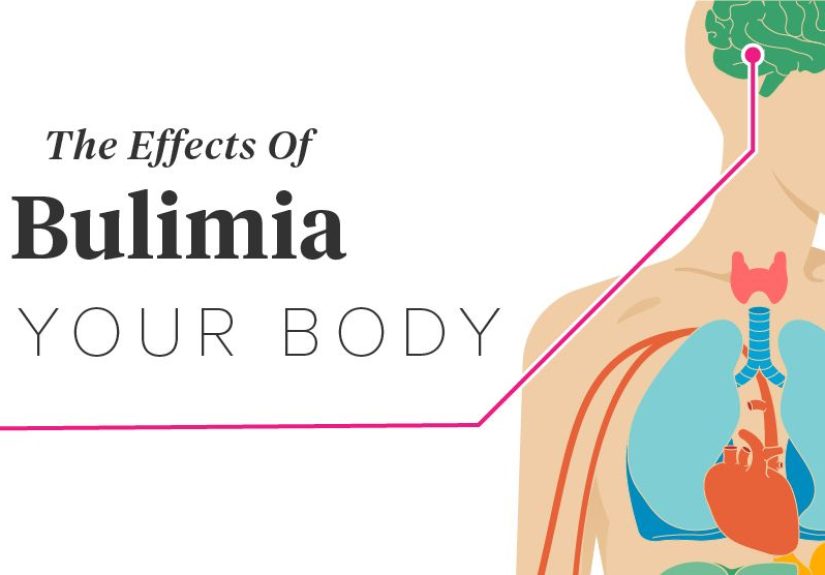
Bulimia is often misunderstood as a problem that begins and ends with food. It does not. Over time, bulimia can affect the heart, kidneys, teeth, digestive tract, hormones, bones, muscles, and brain. In other words, this illness is not “just” about eating habits or body image. It is a whole-body condition with very real medical consequences.
That is part of what makes bulimia so deceptive. A person may look “fine” from the outside, go to school or work, answer texts, laugh at memes, and still be dealing with a body under constant physical stress. The binge-purge cycle can create repeated swings in hydration, electrolytes, blood sugar, and stomach acid exposure. The body is wonderfully adaptable, but it is also the most stubborn accountant you will ever meet. It keeps receipts.
This article takes a close look at the long-term effects of bulimia on the body, why those effects happen, and what recovery can change. The goal is not to scare for sport. It is to tell the truth clearly: bulimia is serious, but it is treatable, and the sooner treatment begins, the better the chances of reducing lasting harm.
What Bulimia Does to the Body Over Time
1. The Heart and Electrolytes Take a Direct Hit
One of the most dangerous long-term effects of bulimia involves electrolyte imbalance. Repeated vomiting, laxative misuse, diuretic misuse, dehydration, and inconsistent nutrition can lower important minerals such as potassium, sodium, magnesium, and chloride. These minerals help regulate heartbeat, muscle contraction, nerve signaling, and fluid balance.
When electrolyte levels swing too far, the heart may not beat normally. That can mean palpitations, weakness, dizziness, chest discomfort, fainting, or, in severe cases, life-threatening arrhythmias. This is one reason bulimia is considered a medical illness, not simply a bad habit with dramatic branding. The heart does not care whether the stress came from a treadmill, a toilet, or a bottle of laxatives. It responds to the chemistry.
Long-term purging can also contribute to low blood pressure, poor circulation, and a general sense that the body is running on emergency battery mode. Some people notice they get winded more easily, feel shaky when standing up, or cannot exercise the way they used to. The problem is not a lack of willpower. It is physiology waving a very urgent flag.
2. The Digestive Tract Pays for Repeated Upheaval
Bulimia can irritate nearly every stop along the digestive tract. Recurrent self-induced vomiting may inflame the esophagus, worsen acid reflux, and increase the risk of tears in the upper gastrointestinal tract. Chronic stomach acid exposure can leave the throat sore, the chest burning, and swallowing uncomfortable. Some people describe it as constant indigestion; others feel as if their body has forgotten how to digest anything without complaining.
The stomach and intestines can also become sluggish. Repeated cycles of bingeing, fasting, purging, and restriction may interfere with normal stomach emptying and bowel function. That can lead to bloating, nausea, constipation, abdominal pain, and a sensation of fullness after small meals. Ironically, the behaviors meant to create control often leave digestion feeling wildly out of control.
Laxative misuse brings its own long-term problems. It does not meaningfully prevent calorie absorption, but it can irritate the bowel, worsen dehydration, and disrupt normal bowel movements. Over time, the colon may become less responsive, making constipation more persistent and recovery more frustrating. The result is a cruel loop: the behavior promises relief, then quietly writes a bigger bill.
3. Teeth, Gums, and Salivary Glands Can Show the Damage Early
If bulimia had a business card, a dentist might spot it first. Repeated exposure to stomach acid can erode tooth enamel, especially on the inner surfaces of the teeth. Over time, teeth may become more sensitive to heat, cold, and sweets. They can also appear thinner, smoother, more translucent, or more prone to chipping.
Dental erosion is not just a cosmetic issue. Once enamel is gone, it does not grow back. Cavities, gum irritation, mouth sores, dry mouth, and bad breath may follow. Some people also develop swollen salivary glands, which can cause puffiness around the jaw and cheeks. It is an especially cruel contradiction: a disorder built around appearance can leave visible signs in places people never expected.
Because binge episodes may involve large amounts of sugary or acidic foods, the risk to oral health can multiply. Add dehydration and reduced saliva, and the mouth loses some of its natural protection. This is why long-term bulimia can lead to lasting dental work, not just temporary sensitivity.
4. Kidneys and Fluid Balance Work Overtime
The kidneys are quiet overachievers, but even they have limits. Bulimia can strain kidney function through chronic dehydration, electrolyte loss, and repeated shifts in fluid balance. Vomiting, laxative misuse, and diuretic misuse can all reduce blood volume and force the kidneys to compensate.
Over time, this can contribute to kidney injury or worsen existing kidney problems. Low potassium is especially concerning because it affects both heart function and kidney health. Some people with long-standing bulimia develop muscle cramps, weakness, severe fatigue, or changes in urination, all of which can signal the body is struggling to maintain basic balance.
Dehydration also affects the whole system. Skin may become dry, energy may crash, headaches may become frequent, and concentration can feel foggy. A person might blame stress, a busy schedule, or “just not sleeping great,” when the body is actually dealing with chronic internal turbulence.
5. Hormones, Menstrual Health, and Bone Strength Can Change
Bulimia is not always associated with the dramatic weight loss seen in anorexia, which is one reason it can be missed. But that does not mean hormones are untouched. Disordered eating patterns, stress on the body, and nutritional instability can disrupt reproductive hormones and menstrual cycles. Some people experience irregular periods, missed periods, or fertility concerns.
That hormonal disruption matters beyond reproduction. When the body does not get consistent nutrition, bone health can suffer. Lower estrogen levels, poor intake of calcium and vitamin D, and long-term malnutrition may contribute to reduced bone density. Over time, that can increase the risk of osteopenia, osteoporosis, and fractures.
It is one of the more unfair effects of bulimia: the consequences can outlast the visible symptoms. Someone may think, “But I’m functioning,” while bone health quietly declines in the background like a villain in a movie who barely gets screen time until the final act.
6. The Brain, Mood, and Mental Health Carry a Heavy Load
Bulimia is a mental health disorder, so its long-term effects are never only physical. The binge-purge cycle is often tied to shame, secrecy, anxiety, depression, obsessive thinking, low self-worth, and emotional exhaustion. Over time, people may feel trapped in a routine they hate but cannot easily interrupt.
Concentration and memory may suffer when the brain is coping with unstable nutrition, sleep disruption, and emotional distress. Mood can become more reactive. Social life may shrink. Relationships can feel harder to maintain when so much energy goes into hiding symptoms, managing rituals, or recovering from episodes in private.
There is also a cruel mental loop built into bulimia. The disorder often promises relief after bingeing or purging, but the relief tends to be brief. Guilt returns, shame grows louder, and the cycle resets. The result is not control. It is captivity with a very convincing sales pitch.
7. Muscles, Skin, Energy, and Everyday Functioning Can Decline
Even when the most obvious medical emergencies do not appear, bulimia can chip away at daily health. Chronic fatigue, weakness, dizziness, disrupted sleep, muscle cramps, headaches, and feeling cold all the time are common complaints in people whose bodies are not receiving stable nourishment and hydration.
Skin may become dry. Hair may thin. Nails may become brittle. Muscle recovery may slow. A person may find that climbing stairs feels harder, carrying groceries feels weirdly exhausting, or sitting through a class or meeting feels like running a marathon in formalwear. The body is using its resources to survive. It has less left for everything else.
These effects matter because they often get minimized. People tend to dismiss them as “stress,” “burnout,” or “not taking care of myself lately.” But when those symptoms happen alongside bulimia, they may be signs of cumulative physical strain, not personal failure.
Can the Body Recover from Bulimia?
In many cases, yes, at least partly. A lot of the medical damage caused by bulimia can improve when the binge-purge cycle stops and consistent nutrition returns. Electrolyte abnormalities may normalize. Reflux may improve. Energy can come back. Menstrual cycles may become more regular. Mood and concentration often get better when the body is no longer living in biochemical chaos.
But not everything fully resets. Some complications, especially dental erosion, bone loss, and certain forms of organ damage, can linger. That is why early treatment matters so much. Recovery is not only about feeling better emotionally. It is also about giving the body the best possible chance to heal before temporary injury becomes permanent damage.
Treatment usually works best when it is multidisciplinary. That can include a medical provider, therapist, dietitian, and sometimes a psychiatrist. Cognitive behavioral therapy is commonly used, and nutritional rehabilitation plays a major role. Medical monitoring is not optional side décor here; it is essential. Bulimia affects blood chemistry, hydration, heart rhythm, and organ function, so professional care helps keep recovery safe as well as effective.
Why Early Help Matters
One of the most dangerous myths about bulimia is that a person has to look severely ill before the disorder becomes serious. That is false. Someone can be in a “normal” weight range, look outwardly healthy, and still face major medical risk. Bulimia is measured by behaviors, consequences, and distress, not by whether it matches a stereotype from a TV movie made in 1998.
Another myth is that the body will simply “bounce back” on its own forever. Bodies are resilient, but resilience is not the same thing as invincibility. The longer bulimia continues, the greater the chance of lasting harm. Seeking help is not overreacting. It is maintenance before the warning light becomes smoke.
If a person is having chest pain, fainting, severe weakness, vomiting blood, black stools, confusion, seizures, or signs of severe dehydration, that needs urgent medical attention. Those symptoms can point to dangerous complications that should not be brushed off.
Experiences People Commonly Describe When Bulimia Lasts a Long Time
Long-term bulimia is not only a list of medical complications. It is also a lived experience, and that experience is often far less glamorous and far more exhausting than people imagine. Many describe feeling as if their world gets smaller over time. Meals stop being meals and become negotiations. Social events become strategy sessions. A birthday dinner is no longer just a birthday dinner; it is anxiety with candles.
Some people say the physical effects creep in quietly. At first it is a sore throat here, a skipped meal there, a little more dizziness than usual. Then a dentist asks about enamel wear. Then the heart starts racing after standing up. Then constipation becomes normal, bloating becomes constant, and fatigue becomes the background music of everyday life. What felt “manageable” starts collecting consequences.
Others talk about how isolating the disorder becomes. They may cancel plans, avoid eating with friends, or feel panicked when routines change. Even when they want connection, shame can make honesty feel impossible. That secrecy carries its own weight. A person may be dealing with intrusive thoughts about food, guilt after eating, fear of losing control, and constant body-checking while trying to appear completely okay. It is emotional multitasking at its most brutal.
People in recovery often describe a surprising realization: they were sicker than they allowed themselves to believe. Not always because the symptoms were dramatic, but because they had become normal. Being cold all the time felt normal. Thinking about food all day felt normal. Acid reflux felt normal. The bathroom routine felt normal. Exhaustion felt normal. Recovery can be the first time the body gets enough steadiness to say, actually, none of that was normal at all.
There are also stories of improvement that matter just as much. People often notice that once regular eating patterns return, their thoughts become less noisy. They sleep better. Their stomach settles. Their labs improve. Their period may come back. Their concentration returns. Laughing with friends does not feel like a performance anymore. Food becomes food again, not a courtroom trial held three times a day.
That does not mean recovery is quick or tidy. Many describe it as uneven, uncomfortable, and deeply worth it. There can be grief for time lost, money spent, damage done, and moments missed. But there can also be relief. Real relief. Not the short, punishing kind that comes after purging, but the steadier kind that comes from not being at war with your own body.
If there is one lesson echoed again and again in experiences around bulimia, it is this: the body can endure a lot, but it should not have to prove that point every day. Treatment is not about vanity, weakness, or discipline. It is about survival, healing, and getting a life back that is bigger than the disorder.
Conclusion
The long-term effects of bulimia on the body are wide-ranging and, at times, severe. The disorder can harm the heart, digestive tract, kidneys, teeth, hormones, bones, and mental health, even when the signs are not obvious from the outside. That is why bulimia deserves early recognition, serious medical attention, and compassionate treatment.
The encouraging truth is that recovery can improve both physical and emotional health. Some damage may take time to heal, and some effects may linger, but treatment can interrupt the cycle and reduce the risk of permanent harm. Bulimia is serious, but it is treatable, and the body often has more healing potential than the disorder wants people to believe.