Table of Contents >> Show >> Hide
- What a Well-Monitored Home Actually Means
- Start With Life Safety, Not Fancy Toys
- Watch the Quiet Problems: Air, Moisture, and Hidden Damage
- Comfort and Savings: Monitoring That Pays You Back
- Security Without Turning the House Into a Reality TV Set
- The Biggest Mistakes People Make
- How to Build a Well-Monitored Home in the Right Order
- Why the Future of Home Monitoring Should Feel Calmer, Not Louder
- Experiences From Living in a Well-Monitored Home
- Conclusion
For a lot of people, the phrase well-monitored home sounds a little dramatic. It can bring to mind blinking cameras, motion alerts every six seconds, and a phone buzzing like it just drank three espressos. But the best monitored home is not a paranoid bunker. It is a calm, practical, well-run house that notices problems early, protects the people inside, and saves money without acting like it deserves its own reality show.
That is the real goal. A well-monitored home watches for danger, waste, and comfort issues before they become expensive headaches. It notices smoke before flames spread, water before the ceiling stains, stale air before everyone gets cranky, and energy waste before the utility bill shows up looking personally offended. In other words, home monitoring is not really about gadgets. It is about awareness.
Today’s homeowners have more tools than ever: smoke alarms, carbon monoxide alarms, leak sensors, indoor air quality monitors, smart thermostats, smart meters, cameras, doorbell systems, app-based locks, and whole-home energy dashboards. The trick is knowing what deserves a place in your house and what is just expensive theater with Wi-Fi.
What a Well-Monitored Home Actually Means
A well-monitored home is a home with layers of useful visibility. Not surveillance for surveillance’s sake. Not a digital hall monitor judging your snack habits. Just smart, sensible systems that answer five important questions:
- Is the home safe right now?
- Is water, air, or heat quietly causing damage?
- Is the house using more energy than it should?
- Can the household respond quickly in an emergency?
- Are the monitoring tools themselves secure and respectful of privacy?
If a device cannot help answer one of those questions, it may be more toy than tool. The best smart home setup is usually less about owning everything and more about choosing the right things in the right order.
Start With Life Safety, Not Fancy Toys
Smoke and Carbon Monoxide Alarms Still Run the Show
Before anyone buys a camera with facial recognition or a refrigerator that sends poetry to an app, the home needs a solid safety foundation. That starts with smoke alarms and carbon monoxide alarms. They are not glamorous, but glamour has never extinguished a fire at 2:14 a.m.
A properly monitored home has working smoke alarms on every level, inside bedrooms, and outside sleeping areas. Carbon monoxide alarms should also be placed on each level and outside sleeping areas. Interconnected alarms are even better because when one sounds, they all sound. That is the kind of group project we support.
These alarms should be tested monthly, maintained properly, and backed up with batteries where appropriate. If your safety plan depends on remembering where you tossed the screwdriver six years ago, that plan needs work. A monitored home is only as reliable as the maintenance habits behind it.
Emergency Awareness Counts Too
Monitoring is not just about what happens inside the walls. A smart home should also be plugged into outside risks. Weather alerts, evacuation notices, and public safety warnings matter, especially in regions with storms, floods, wildfires, or winter power outages. Wireless emergency alerts on phones and battery-backed alarms give a household a better chance to act quickly when conditions change.
This is where the idea of home monitoring becomes bigger than hardware. It becomes preparedness. A well-monitored home is not merely connected. It is ready.
Watch the Quiet Problems: Air, Moisture, and Hidden Damage
Indoor Air Quality Monitors Are Helpful, but They Are Not Magic
One of the smartest additions to a modern home is an indoor air quality monitor. Not because it turns you into a lab scientist, but because it shows how everyday life affects the air you breathe. Fry bacon with the windows closed, and the monitor may light up like it just watched a disaster movie. Run the range hood, improve ventilation, or use filtration, and the numbers often settle down.
That is the beauty of monitoring: it turns invisible problems into visible patterns.
A good indoor air quality monitor may track particulate matter, humidity, carbon dioxide, volatile organic compounds, temperature, or radon depending on the model. That said, homeowners should not confuse a low-cost air monitor with a life-safety alarm. A monitor can help identify trends and trouble spots, but it is not the same as a certified smoke or carbon monoxide alarm.
The smartest response is not panic. It is action. If readings rise, start with the basics: reduce the source, improve ventilation, and add filtration where useful. The best monitored homes do not just collect data. They know what to do with it.
Leak Sensors May Be the Most Underrated Heroes in the House
If smoke alarms are the stars of obvious danger, leak sensors are the underrated character actors who save the whole movie. Water damage often starts quietly: a tiny drip under the sink, a failing dishwasher hose, a slow water heater leak, or a washing machine line plotting against your hardwood floors.
Leak detection and flow-monitoring devices can alert homeowners to unexpected moisture or irregular water use before the damage becomes dramatic. That matters because water damage is sneaky, expensive, and deeply committed to ruining weekends.
Point-of-use leak sensors belong in high-risk areas like under sinks, behind toilets, near washing machines, beside water heaters, and close to sump pumps. Whole-home flow-monitoring systems go further by identifying abnormal patterns and, in some cases, automatically shutting off water when something goes wrong. That is the kind of overachiever every household needs.
For homeowners who want practical smart-home protection, leak monitoring delivers one of the strongest returns on peace of mind.
Comfort and Savings: Monitoring That Pays You Back
Smart Thermostats Earn Their Spot
Heating and cooling account for a big chunk of household energy use, which is why smart thermostats are not just convenience gadgets. They are one of the most useful monitoring tools in the house. A good smart thermostat learns patterns, adjusts schedules, responds to occupancy, and gives homeowners a much clearer picture of when energy is being used and wasted.
In plain English, it helps stop the classic problem of cooling an empty house like it is hosting a penguin conference.
ENERGY STAR-certified smart thermostats stand out because they are evaluated against real-world energy data, not just optimistic marketing copy. Many households can save money, improve comfort, and reduce unnecessary runtime when the thermostat is set up correctly and matched to the HVAC system. The key phrase there is set up correctly. Even the smartest device cannot overcome terrible settings and a homeowner who insists the upstairs must feel like a meat locker in July.
Energy Monitoring Works Best When It Explains Something
Whole-home energy dashboards, smart meters, plug-in energy monitors, and smart home energy management systems can be genuinely useful. They show where electricity is going, when major loads spike, and how schedules affect bills. The best systems do not just toss numbers at you like confetti. They help answer useful questions.
Why did the bill jump last month? Is the old freezer in the garage quietly eating money? Does pre-cooling the home before peak rates help? Is someone leaving the game console running day and night as a tribute to wastefulness?
That is what good monitoring looks like. It reveals patterns that change behavior. Homeowners do not need infinite graphs. They need useful insight and easy next steps.
Security Without Turning the House Into a Reality TV Set
Cameras, Doorbells, Locks, and Motion Sensors
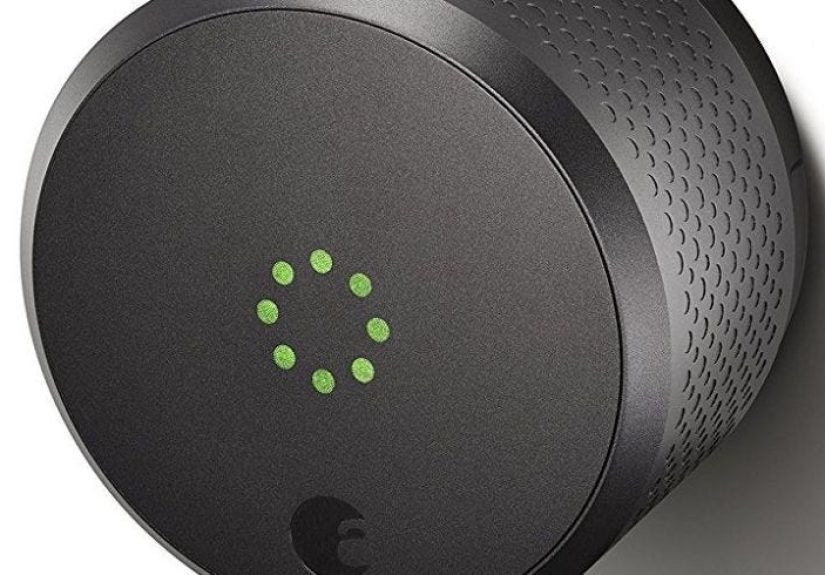
Security monitoring is often what people picture first, and for good reason. Cameras, smart locks, video doorbells, and entry sensors can help deter theft, document incidents, and let households know what is happening around the property. Used thoughtfully, they add convenience and reassurance. Used carelessly, they become expensive arguments about privacy.
The healthiest approach is purpose-driven placement. Outdoor cameras at entry points make sense. A doorbell camera can be useful. Motion and contact sensors on doors and windows can be excellent. Indoor cameras deserve much more caution, especially in bedrooms, bathrooms, and private family spaces. A well-monitored home should protect the people inside it, not make them feel auditioned.
Permission settings matter too. Some households share access with partners, relatives, house sitters, or caregivers. That is fine when access is limited, intentional, and adjustable. A good system makes it easy to control who sees what and when.
Your Smart Home Is Only as Smart as Your Password Habits
This is the part many homeowners skip because it is less fun than buying gear. Unfortunately, it is also the part that keeps the gear from becoming an accidental invitation.
Connected cameras and other smart-home devices should be protected with strong, unique passwords, two-factor authentication when available, updated software, secure router settings, and encryption. Default credentials should go immediately. Remote access should be enabled only when needed. Shared permissions should be reviewed regularly. And if a camera app wants every permission short of your childhood diary, maybe take a breath before tapping “allow.”
Some security experts also recommend placing smart devices on a separate network from computers and sensitive devices. That extra step can reduce the blast radius if one gadget is compromised. It is not glamorous, but neither is dealing with a hacked camera feed.
The best monitored home is not just aware of physical risks. It is aware of digital ones too.
The Biggest Mistakes People Make
Most bad smart-home experiences do not come from buying too little technology. They come from buying without a plan. Common mistakes include:
- Buying cameras before installing smoke, CO, or leak protection.
- Assuming more alerts always means more safety.
- Ignoring privacy settings and software updates.
- Installing monitors but never acting on the data.
- Choosing devices that do not work well together.
- Forgetting that battery changes, testing, and maintenance still matter.
Alert fatigue is especially real. If every small event triggers a notification, homeowners eventually ignore them. A well-monitored home should reduce stress, not create a part-time job in app management.
How to Build a Well-Monitored Home in the Right Order
Phase One: Cover the Non-Negotiables
Start with smoke alarms, carbon monoxide alarms, and emergency readiness. Add leak sensors in vulnerable areas. Confirm that your home has a clear emergency plan and working battery backup where needed. This is the safety layer. No drama, just essentials.
Phase Two: Add Health and Efficiency
Next, bring in indoor air quality monitoring, a smart thermostat, and basic energy tracking. These tools improve comfort, reveal waste, and help the home run better day to day. They may not make a thrilling social media post, but they tend to make better homeowners.
Phase Three: Add Convenience and Security Thoughtfully
Only after the basics are covered should most households expand into cameras, smart locks, video doorbells, and broader automation. At this stage, interoperability, privacy controls, subscription costs, and app quality matter just as much as device specs.
The smartest house is not necessarily the one with the most devices. It is the one where everything earns its keep.
Why the Future of Home Monitoring Should Feel Calmer, Not Louder
The future of the well-monitored home is not about drowning people in notifications. It is about fewer, better alerts and smarter automation. The house should quietly notice a leak, flag bad air after cooking, reduce cooling when nobody is home, and tell you about truly important security events. It should not buzz because a leaf had a personality.
As monitoring technology improves, homeowners should expect better privacy controls, cleaner dashboards, wider compatibility, and more useful automation. But one principle should stay the same: monitor the house, not the humanity out of the people living in it.
That is the difference between a clever house and a good home. A clever house shows off. A good home takes care of people.
Experiences From Living in a Well-Monitored Home
Living in a well-monitored home does not feel futuristic in the flashy sense. Most days, it feels surprisingly ordinary, and that is exactly the point. The best experience is often that nothing dramatic happens because the house catches small problems early. You do not wake up every morning feeling like the captain of a spaceship. You wake up feeling like your home is paying attention while you get on with your life.
One of the first experiences many people notice is how quickly monitoring changes household habits. Someone starts cooking on a high burner, the indoor air quality reading climbs, and suddenly the range hood gets used like it was always meant to. A family that once ignored humidity starts paying attention after seeing how quickly moisture rises in a bathroom with poor ventilation. Numbers do not magically make people wise, but they do make invisible cause-and-effect hard to ignore.
Then there is the moment a leak sensor earns its salary. It might be under a sink, behind a washing machine, or near a water heater. Nothing looks wrong from the outside. Then an alert arrives. Maybe it is just a loose hose, a sweating pipe, or the beginning of a bigger problem. Either way, the experience is memorable because the repair is measured in minutes and not in insurance paperwork, fans, drywall dust, and the phrase “we’ll need to open this wall.”
Energy monitoring changes behavior in a quieter way. Homeowners begin to recognize patterns. They realize the guest room is being cooled like a luxury hotel even though nobody has slept there since Thanksgiving. They discover an old appliance is using far more electricity than expected. They see how weather, routines, and thermostat settings play off one another. Over time, the monitored home stops feeling like a pile of devices and starts feeling like a house that explains itself.
Security monitoring can be reassuring, but it also teaches an important lesson about boundaries. Many people begin with enthusiasm and then discover they do not want cameras aimed at every interior space. The most positive experience usually comes from intentional use: cameras outside, sensors on entries, sensible notifications, and strict control over who has access. That setup feels protective rather than invasive. It respects the fact that a home should be secure without behaving like an overcaffeinated chaperone.
There is also an emotional side to a well-monitored home that people rarely talk about. It reduces background worry. When you travel, you are not wondering whether the basement pipe chose that weekend to start dripping. During a cold snap, you can check conditions instead of guessing. When an older parent lives alone, certain monitoring tools can offer reassurance without constant phone calls that begin with, “Just checking…” and end with, “Are you sure?”
Of course, the experience is not perfect. There can be too many apps, too many alerts, too many devices that claim to be “smart” while acting like they need a nap. But when the system is chosen carefully and configured with restraint, daily life improves. The monitored home becomes less about technology and more about confidence. It feels organized, responsive, and quietly competent. And honestly, in a world where even a toaster sometimes wants firmware updates, quiet competence is a beautiful thing.
Conclusion
The well-monitored home is not the one with the most gadgets. It is the one that notices the right things, protects the people inside, respects privacy, and helps homeowners act before minor issues become major disasters. Start with life safety, add leak and air monitoring, bring in energy awareness, and only then layer on convenience and security features that genuinely improve daily life.
If a smart-home tool makes your house safer, healthier, more efficient, or more prepared, it belongs in the conversation. If it only creates noise, drains attention, and asks for another monthly fee just to tell you the front porch still exists, maybe let that one sit this season out.