Table of Contents >> Show >> Hide
- What Is Tom's of Maine Toothpaste?
- Why Tom's of Maine Became Popular
- Fluoride vs. Fluoride-Free Tom's of Maine Toothpaste
- Key Ingredients Commonly Found in Tom's of Maine Toothpaste
- Popular Types of Tom's of Maine Toothpaste
- ADA Seal of Acceptance: Why It Matters
- Is Tom's of Maine Toothpaste Good for Whitening?
- Is Tom's of Maine Toothpaste Good for Sensitive Teeth?
- Safety, Quality, and Recent Consumer Awareness
- How Tom's of Maine Compares With Conventional Toothpaste
- How to Choose the Right Tom's of Maine Toothpaste
- Best Brushing Practices With Tom's of Maine Toothpaste
- Real-World Experience: What Using Tom's of Maine Toothpaste Feels Like
- Conclusion
- SEO Tags
Walk down the toothpaste aisle and you may feel as if you have accidentally wandered into a tiny dental science fair. Whitening! Enamel repair! Charcoal! Sparkle mint blast! Somewhere between the neon boxes and superhero-flavored kids’ gels sits a familiar, earth-toned tube: Tom’s of Maine toothpaste. It looks calm. It sounds wholesome. It practically whispers, “I recycle, I hike on weekends, and I know what xylitol is.”
Tom’s of Maine has built a strong reputation among shoppers who want oral care that feels more natural without completely abandoning modern dental science. The brand offers fluoride toothpaste, fluoride-free toothpaste, whitening formulas, children’s toothpaste, antiplaque options, and sensitivity-focused choices. For many buyers, the appeal is simple: they want toothpaste that cleans well, tastes pleasant, avoids unnecessary artificial ingredients, and comes from a company with a long-standing “natural care” identity.
But choosing the right Tom’s of Maine toothpaste is not as simple as grabbing the prettiest tube. Some formulas contain fluoride for cavity protection, while others are fluoride-free. Some have earned the American Dental Association Seal of Acceptance, while others focus more on ingredient preference and lifestyle values. This guide breaks down what Tom’s of Maine toothpaste is, how it compares with conventional toothpaste, which formulas may fit different needs, and what real users should know before squeezing the tube.
What Is Tom’s of Maine Toothpaste?
Tom’s of Maine is an American personal care brand founded in 1970 by Tom and Kate Chappell. The company became known for products made with naturally derived ingredients and a clear ingredient philosophy. Its oral care line includes toothpastes, mouth rinses, floss, and toothbrushes, with toothpaste remaining its most recognizable product category.
The brand is now part of Colgate-Palmolive, which acquired a majority stake in Tom’s of Maine in 2006. That detail matters because it places Tom’s in an unusual position: it is both a natural-leaning brand with a Maine-born identity and part of one of the world’s largest oral care companies. For consumers, that combination can be either reassuring or complicated, depending on how they feel about big-company ownership in the natural products space.
Tom’s of Maine toothpaste is generally marketed around several core ideas: naturally derived ingredients, no artificial flavors or colors, no artificial preservatives, no animal ingredients, and no animal testing. The brand also emphasizes transparency by explaining the purpose and source of ingredients used in its products.
Why Tom’s of Maine Became Popular
Tom’s of Maine toothpaste became popular because it arrived before “natural personal care” became a crowded category. Long before every shelf had a dozen minimalist tubes promising botanical freshness, Tom’s was already appealing to people who wanted an alternative to standard minty drugstore toothpaste.
The brand’s packaging, flavor profiles, and ingredient messaging helped it stand out. Instead of presenting toothpaste as a futuristic laboratory foam, Tom’s positioned it as a daily product that could be simple, practical, and closer to nature. That message connected with families, ingredient-conscious shoppers, vegetarians, vegans, and people who simply disliked the intense sweetness or burn of some conventional toothpastes.
Another reason for its popularity is variety. Tom’s of Maine does not offer just one “natural toothpaste.” It offers options for adults, children, whitening, cavity protection, plaque control, sensitivity, and fluoride-free routines. That makes it easier for shoppers to stay within the brand while choosing a formula that matches their dental goals.
Fluoride vs. Fluoride-Free Tom’s of Maine Toothpaste
The biggest decision when buying Tom’s of Maine toothpaste is whether to choose a fluoride or fluoride-free formula. Fluoride is widely used in toothpaste because it helps protect teeth against cavities by strengthening enamel and supporting remineralization. Many dental professionals recommend fluoride toothpaste for everyday cavity prevention.
Tom’s of Maine offers several fluoride toothpastes, including anticavity and whitening formulas. These are designed for people who want the brand’s natural-leaning ingredient approach while still using fluoride as an active cavity-fighting ingredient. Examples include Tom’s of Maine Whole Care, Simply White, children’s fluoride toothpaste, and other anticavity options.
The brand also sells fluoride-free toothpaste for shoppers who prefer to avoid fluoride for personal reasons. These formulas may still help clean teeth, freshen breath, remove surface stains, and support plaque control through brushing, but they should not be treated as the same thing as fluoride toothpaste for cavity prevention. If you are cavity-prone, have exposed roots, wear braces, snack often, or have dry mouth, it is smart to ask a dentist before switching to a fluoride-free routine.
Who May Prefer Fluoride Toothpaste?
Fluoride toothpaste is usually the better fit for people who want proven cavity protection. It may be especially useful for children old enough to use the correct amount safely, teens with braces, adults with a history of cavities, people who drink mostly bottled or filtered water, and anyone whose dentist has warned them about enamel weakness.
Who May Prefer Fluoride-Free Toothpaste?
Fluoride-free Tom’s of Maine toothpaste may appeal to people who are not cavity-prone, already receive fluoride from other sources, or prefer a toothpaste focused on cleaning and freshening without fluoride. Some parents also choose fluoride-free toddler toothpaste when children are still learning not to swallow toothpaste. However, children’s oral care should always follow pediatric dental guidance, because tiny teeth are small but surprisingly expensive when they rebel.
Key Ingredients Commonly Found in Tom’s of Maine Toothpaste
Tom’s of Maine formulas vary, but many include familiar toothpaste ingredients such as hydrated silica, calcium carbonate, glycerin, water, xylitol, natural flavor, and sometimes sodium lauryl sulfate or alternative foaming agents. Fluoride formulas may use sodium monofluorophosphate or another fluoride-based active ingredient, depending on the product.
Hydrated silica and calcium carbonate help polish and clean teeth by removing surface debris. Glycerin helps maintain texture and moisture, so the paste does not dry into a chalky fossil inside the tube. Xylitol is often used for taste and oral care appeal. Natural flavors give the toothpaste its mint, fruit, or herbal profile without relying on artificial flavoring.
Some Tom’s of Maine toothpastes contain sodium lauryl sulfate, also known as SLS, which helps create foam. Other formulas are SLS-free for people who prefer a gentler brushing feel or who find that SLS irritates their mouth. This is one reason shoppers should read the label carefully. “Tom’s of Maine toothpaste” is not one single formula; it is a family reunion of formulas, and a few cousins behave differently.
Popular Types of Tom’s of Maine Toothpaste
Tom’s of Maine Whole Care Toothpaste
Whole Care is designed as an everyday toothpaste for people who want multiple benefits in one tube. Depending on the specific version, it may support cavity protection, fresh breath, plaque control, whitening through surface stain removal, and tartar control. It is a practical choice for shoppers who do not want to analyze toothpaste like they are choosing a mortgage.
Tom’s of Maine Simply White Toothpaste
Simply White is one of the brand’s better-known whitening lines. It focuses on removing surface stains rather than dramatically changing tooth color overnight. That is an important distinction. Whitening toothpaste can help with stains from coffee, tea, and everyday foods, but it will not perform like professional whitening treatment from a dental office.
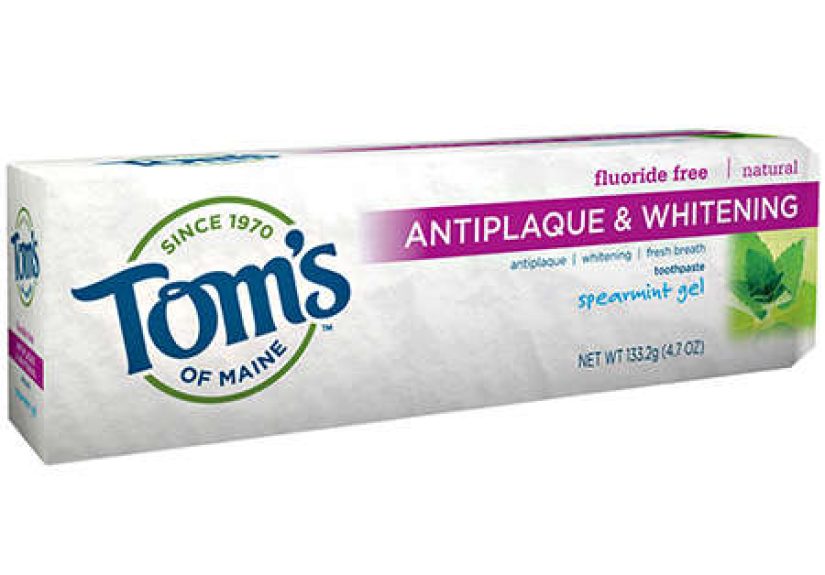
Tom’s of Maine Antiplaque and Whitening Toothpaste
This type of formula is often popular with people who want fluoride-free brushing while still targeting plaque and surface stains. It can be a good fit for shoppers who prioritize ingredient preference and a clean-mouth feel. However, anyone specifically looking for cavity prevention should check whether the product contains fluoride and whether it has an anticavity claim.
Tom’s of Maine Children’s Toothpaste
Tom’s of Maine makes children’s toothpaste in kid-friendly flavors such as strawberry, mango, and mild mint. Some children’s formulas contain fluoride and are designed for cavity protection, while others are fluoride-free and aimed at younger brushers. Parents should pay close attention to age guidance, label instructions, and the amount of toothpaste used. For young children, more toothpaste is not better; it is just minty chaos with extra laundry risk.
ADA Seal of Acceptance: Why It Matters
The American Dental Association Seal of Acceptance is a helpful signal for shoppers who want evidence that a toothpaste is safe and effective for its stated purpose when used as directed. Several Tom’s of Maine products have earned the ADA Seal, including selected fluoride toothpastes and children’s oral care products.
This does not mean every Tom’s of Maine toothpaste has the ADA Seal. It means buyers should check the packaging or the brand’s product certification information if the seal matters to them. In general, if your top priority is cavity prevention, look for a fluoride toothpaste with an anticavity claim and, ideally, the ADA Seal of Acceptance.
Is Tom’s of Maine Toothpaste Good for Whitening?
Tom’s of Maine whitening toothpaste can be a good option for mild surface stain removal. If your teeth look dull from coffee, tea, red sauce, or the occasional “I deserve dessert” lifestyle, a whitening toothpaste may help brighten the appearance of your smile over time.
That said, whitening toothpaste has limits. It works mainly on extrinsic stains, meaning stains on the outer surface of the teeth. It will not change the natural internal shade of teeth as dramatically as peroxide-based whitening strips or professional whitening. If you expect movie-star teeth after two brushing sessions, the tube will not file a customer service complaint on your behalf, but it might silently judge your expectations.
For best results, use whitening toothpaste consistently, brush gently with a soft-bristled toothbrush, avoid aggressive scrubbing, and limit stain-heavy drinks when possible. Whitening should never come at the cost of enamel or gum health.
Is Tom’s of Maine Toothpaste Good for Sensitive Teeth?
Some Tom’s of Maine formulas are designed for sensitivity, but people with ongoing tooth sensitivity should look carefully at the active ingredients. Sensitivity can come from enamel wear, gum recession, cavities, cracked teeth, grinding, whitening products, or dental procedures. In other words, “my tooth feels weird” is not a diagnosis; it is a tiny dental mystery asking for a professional detective.
If sensitivity is occasional and mild, a sensitivity-focused toothpaste may help. If the pain is sharp, persistent, one-sided, or triggered by pressure, it is better to see a dentist. Toothpaste can support oral care, but it cannot repair a cracked filling or negotiate peace with an angry nerve.
Safety, Quality, and Recent Consumer Awareness
Like any personal care brand, Tom’s of Maine has faced scrutiny. In 2024, the U.S. Food and Drug Administration issued a warning letter related to manufacturing practices at a Tom’s of Maine facility. The company publicly stated that there was no recall and that it believed its toothpaste was safe to use. In 2026, a class action settlement notice also became available for certain U.S. purchasers of Tom’s of Maine toothpaste products, while the defendants denied wrongdoing.
For consumers, the practical takeaway is not panic; it is attention. Check product labels, watch for official recall notices, buy from reputable retailers, and stay aware of updates from the brand or regulators. Toothpaste is a daily-use product, and trust matters. A good brand story is nice, but consistent manufacturing quality is the part that actually keeps the story from needing an awkward footnote.
How Tom’s of Maine Compares With Conventional Toothpaste
Compared with many conventional toothpastes, Tom’s of Maine often feels less intensely sweet and less aggressively foamy. The flavors tend to be cleaner and more restrained. Some people love that. Others miss the powerful “arctic mint thunderstorm” sensation of mainstream toothpaste.
In terms of cleaning, Tom’s of Maine toothpaste can perform well when matched properly to the user’s needs. A fluoride Tom’s toothpaste can support cavity prevention. A whitening formula can help with surface stains. A children’s formula can make brushing less of a nightly negotiation. A fluoride-free formula can satisfy shoppers who prefer that route, although it may not offer the same anticavity protection as fluoride toothpaste.
The main difference is positioning. Conventional toothpaste often leads with clinical power: maximum cavity defense, gum repair, enamel strength, or advanced whitening. Tom’s of Maine leads with a blend of oral care benefits and ingredient values. It is toothpaste for people who read labels, care about sourcing, and still want their breath to be socially acceptable before 9 a.m.
How to Choose the Right Tom’s of Maine Toothpaste
Start with your main goal. If your goal is cavity protection, choose a fluoride anticavity toothpaste. If your goal is mild whitening, look for a whitening formula and be patient. If your goal is a kid-friendly brushing routine, pick an age-appropriate children’s toothpaste and use the correct amount. If your goal is avoiding certain ingredients, read the full ingredient list rather than relying only on the front label.
Next, consider your mouth’s personality. Some mouths are easygoing. Others are dramatic little ecosystems that react to strong flavors, foaming agents, whitening ingredients, or texture changes. If you get canker sores or irritation, you may want to try an SLS-free formula. If you dislike intense mint, try a mild mint or fruit flavor. If you drink a lot of coffee, whitening may be useful. If your dentist keeps finding cavities, fluoride should be part of the conversation.
Finally, check for the ADA Seal if you want an extra layer of confidence. The seal is especially helpful when choosing toothpaste for cavity prevention because it shows the product has been evaluated for safety and effectiveness for its stated benefit.
Best Brushing Practices With Tom’s of Maine Toothpaste
Even the best toothpaste cannot rescue a rushed brushing routine. Brush twice a day for about two minutes using a soft-bristled toothbrush. Angle the bristles gently toward the gumline, clean all tooth surfaces, and avoid scrubbing as if you are removing paint from patio furniture.
Adults generally need only a pea-sized amount of toothpaste. Children need even less depending on age and dental guidance. Supervise young children so they do not swallow toothpaste, especially fluoride toothpaste. Spit after brushing, and avoid rinsing too heavily if you want fluoride to remain on the teeth longer.
Floss once a day, replace your toothbrush regularly, and see a dentist for checkups. Toothpaste is important, but it is not a magic wand. It is more like a reliable teammate: useful, affordable, and much better when everyone else on the oral care team shows up.
Real-World Experience: What Using Tom’s of Maine Toothpaste Feels Like
For many people, the first experience with Tom’s of Maine toothpaste is the flavor. It often tastes cleaner and less candy-like than some conventional brands. The mint is usually present but not overwhelming. Instead of leaving your mouth feeling like it just attended a polar expedition, Tom’s tends to leave a softer, fresher finish. That can be a major advantage for people who dislike harsh toothpaste or who brush early in the morning when their taste buds are still negotiating with reality.
The texture can vary by formula. Some Tom’s toothpastes feel creamy and familiar, while others feel slightly more natural or mineral-rich because of ingredients like calcium carbonate or silica. The foam level may also be different from mainstream toothpaste, especially if you choose an SLS-free option. Less foam does not mean less cleaning. Foam mostly affects feel and spread. Still, if you are used to a mouth full of bubbles, the first few brushes may feel surprisingly quiet.
In daily use, Tom’s of Maine toothpaste works best when chosen for a specific purpose. A fluoride anticavity formula feels like the easiest everyday choice for most families because it balances natural-leaning preferences with cavity protection. A whitening formula is useful for someone who drinks coffee or tea and wants gradual stain control. A fluoride-free formula may feel appealing to ingredient-focused users, but it requires more careful consideration if cavities are a concern.
Parents often appreciate the children’s flavors because they can make brushing less dramatic. A child who hates strong mint may be more willing to brush with strawberry or orange-mango toothpaste. That does not magically turn bedtime into a peaceful documentary about excellent hygiene, but it can reduce resistance. The trick is to use the correct amount, supervise brushing, and avoid turning toothpaste flavor into dessert negotiations.
One practical experience worth noting is that Tom’s of Maine may make people more label-aware. Once you start comparing fluoride, SLS, xylitol, natural flavor, whitening claims, ADA acceptance, and children’s age guidance, toothpaste becomes less of an automatic purchase. That is actually a good thing. Oral care should be simple, but it should not be mindless. The best tube is not necessarily the trendiest one; it is the one that fits your mouth, your risk for cavities, your taste preferences, and your dentist’s advice.
Overall, Tom’s of Maine toothpaste feels like a strong choice for shoppers who want a more natural-style toothpaste without giving up practical oral care options. It is not perfect for every person, and not every formula serves the same purpose. But with the right selection, it can be a comfortable, effective, and pleasant part of a daily brushing routine. And if a toothpaste can make brushing feel a little less like a chore and a little more like self-care, that tube has earned its spot next to the sink.
Conclusion
Tom’s of Maine toothpaste remains one of the most recognizable names in natural oral care because it offers a wide range of choices for different users. Whether you want fluoride cavity protection, gentle whitening, a kid-friendly flavor, or a fluoride-free formula, the brand has options worth considering. The key is to choose based on dental needs first and lifestyle preferences second.
For most people, a fluoride Tom’s of Maine toothpaste with an anticavity claim is the safest everyday bet, especially if cavity prevention is the main goal. Fluoride-free formulas can still be useful for certain preferences, but they should be selected with a clear understanding of their limits. Add good brushing habits, daily flossing, regular dental visits, and realistic expectations, and Tom’s of Maine toothpaste can fit nicely into a healthy oral care routine.