Table of Contents >> Show >> Hide
- What Is the Urban Farmhouse?
- Why the Urban Farmhouse Is Trending Right Now
- The Core Elements of an Urban Farmhouse Home
- How Organization Makes the Style Work
- Room-by-Room Ideas for the Urban Farmhouse Look
- What to Avoid If You Want the Look to Feel Current
- How to Bring Urban Farmhouse Style Into a Small Home or Apartment
- Urban Farmhouse Experiences: What Living With the Style Really Feels Like
- Final Thoughts
The urban farmhouse is what happens when city living and country comfort stop arguing and decide to split the rent. It borrows the warmth, texture, and lived-in charm of classic farmhouse style, then trims off the extra fuss so it works in real homes, real apartments, and real lives full of shoes by the door, snack bins in the pantry, and that one chair that somehow becomes a laundry magnet.
That balance is exactly why the look is trending. Today’s homeowners and renters want rooms that feel calm, useful, and collected, not stiff or overly decorated. They want storage that works hard, materials that feel grounded, and decor that looks curated instead of copied from a “Live, Laugh, Shiplap” starter pack. The urban farmhouse delivers by mixing clean lines with natural wood, vintage-style details with hidden storage, and cozy textures with a more edited approach to clutter.
If you love the idea of a home that feels welcoming but still polished, practical but still pretty, this style hits the sweet spot. Here’s what the urban farmhouse really means, why it keeps showing up across organized-home trends, and how to bring it into your space without accidentally turning your kitchen into a theme restaurant.
What Is the Urban Farmhouse?
The urban farmhouse is a more refined, more practical evolution of the modern farmhouse look. It keeps the familiar farmhouse ingredients: warm woods, neutral palettes, black metal accents, classic tile, simple cabinetry, baskets, vintage-inspired hardware, and lots of texture. But it adapts them for smaller footprints, busier lifestyles, and more contemporary homes.
In other words, this is not the giant wraparound-porch farmhouse fantasy with unlimited square footage and a sourdough starter older than your mortgage. The urban farmhouse is built for tighter floor plans and everyday function. It favors thoughtful storage, hardworking furniture, and layered materials that add character without adding chaos.
At its best, the style feels collected and comfortable. There’s room for a wood bench with shoe storage, an organized pantry with decanted dry goods, a display cabinet that hides visual clutter, and a kitchen that looks beautiful because it actually works well. That last part matters. The trend is less about decorating for a photo and more about designing for daily life.
Why the Urban Farmhouse Is Trending Right Now
There are a few reasons this look keeps gaining traction. First, people are craving warmth. After years of ultra-slick minimalism and cool gray everything, many homes are shifting toward natural materials, softer neutrals, and more comforting finishes. Wood tones, woven baskets, vintage-inspired pieces, and tactile fabrics make rooms feel human again.
Second, organization has become part of the design conversation. Homeowners are no longer treating storage as the boring cousin of decorating. They want entryway systems, better pantry zones, bench seating with hidden compartments, wall-mounted storage, and cabinetry that reduces visual mess. In the urban farmhouse, organization is not a side quest. It is part of the aesthetic.
Third, the style is evolving. The most current versions feel more restrained than the heavily themed farmhouse rooms of the past. Instead of loading every wall with rustic signs and every corner with distressed trinkets, today’s urban farmhouse uses fewer, better details. Think one beautiful hutch instead of ten random crates. Think unlacquered brass, cup pulls, shaker fronts, and linen curtains instead of a decorative rooster uprising.
The Core Elements of an Urban Farmhouse Home
1. A Warm Neutral Foundation
Urban farmhouse rooms often start with soft whites, creamy paint, oat tones, warm beige, muted greige, and earthy browns. The goal is not sterile white-box minimalism. It is a calmer backdrop that lets texture do the heavy lifting. Black accents are still common, especially in lighting and hardware, but they usually work as punctuation, not the entire sentence.
2. Natural Materials That Age Gracefully
This style leans on wood, stone, wicker, iron, linen, cotton, ceramic, and glass. These materials bring soul to a room and tend to look better over time, which is part of the appeal. An urban farmhouse kitchen might combine painted cabinets, butcher-block details, ceramic crocks, wood shelves, and a vintage-inspired runner. The point is to create depth without making the room feel busy.
3. Storage That Looks Like Furniture
One of the smartest ideas driving this trend is storage that blends into the room. Benches with cubbies, cabinets with glass fronts, hutches, buffets, storage ottomans, rolling islands, and built-ins that resemble heirloom furniture all fit the look. The room feels designed, not stuffed with plastic bins that scream, “I gave up at aisle seven.”
4. Vintage Details Used Sparingly
The urban farmhouse loves an old soul, but it no longer wants a costume. A reclaimed stool, antique-style bin pulls, a salvaged mirror, handwritten pantry labels, or a classic display cabinet can add character without turning the whole house into a prop closet. The best spaces use nostalgia as seasoning, not as the main course.
5. Functional Beauty
This may be the biggest defining trait. Urban farmhouse design asks a practical question before making a style choice: will this make the home easier to use? If the answer is yes and it looks good, it stays. If it only looks cute in a photo but creates clutter by Tuesday, it gets cut.
How Organization Makes the Style Work
The organized-home side of the trend is where the urban farmhouse really shines. This is not a style that survives on vibes alone. It depends on systems.
Entryways That Earn Their Keep
A cluttered entry can ruin the mood of an otherwise lovely home in about six seconds. Urban farmhouse entryways fix that with benches, shoe trays, wall hooks, cubbies, slim cabinets, baskets, and closed-door storage. A hardworking “everything closet” near the front door is especially smart. It can hold coats, dog gear, reusable bags, paper goods, cleaning tools, and all the random daily-life items that otherwise wander from room to room like confused interns.
Kitchens With Pretty, Practical Zones
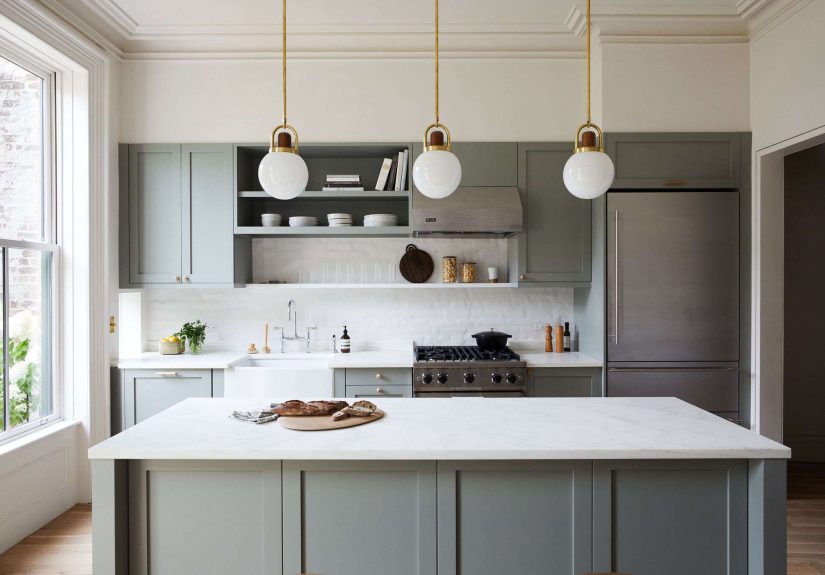
The urban farmhouse kitchen is warm and welcoming, but it is also strategic. Open shelving works best when it holds attractive everyday items, not every appliance you have ever panic-bought online. A better formula is a mix of display and concealment: wood shelves for the pretty pieces, drawers and cabinets for the rest, and labeled containers or baskets to keep pantry categories under control.
Decanting dry goods into jars can make a kitchen feel more streamlined, but only if you are willing to maintain it. If not, baskets, bins, and shelf risers may be the more honest heroes of your story. The trend is flexible enough to support both the “glass jar perfectionist” and the “I just need to find the pasta without a treasure map” household.
Mudrooms, Laundry Rooms, and Utility Spaces With Style
Utility rooms are no longer being treated like design leftovers. In the urban farmhouse, laundry rooms and mudrooms often include shelving, cabinets, woven bins, warm counters, peg rails, and practical seating. Even a small wall can become a hardworking station with hooks, a narrow shelf, and a basket below. These spaces feel tidier because they are designed to support routines, not because everyone suddenly became a better person.
Hidden Storage for Small-Space Sanity
One reason the urban farmhouse works so well in apartments and compact homes is its love of concealed storage. Think mirrored cabinets, hidden pantry walls, storage benches, shallow cabinets, under-seat compartments, and doors that do more than just exist decoratively. When every inch matters, pretty storage is good. Hidden pretty storage is elite.
Room-by-Room Ideas for the Urban Farmhouse Look
Living Room
Start with a neutral sofa, then layer in wood tones, a vintage-style rug, a ceramic lamp, and textured pillows. Add a storage coffee table or an ottoman that can hide blankets, games, or remote controls. A display cabinet or hutch can work beautifully for books and collected objects, as long as you edit what goes inside. The look should feel airy, not like your cabinet is auditioning for a yard sale.
Kitchen
Use shaker-style cabinets, classic tile, warm hardware, and a palette that feels bright but not icy. If you have open shelves, style them with frequently used pieces such as mugs, bowls, jars, or cutting boards. Add a rolling island or butcher-block cart if counter space is tight. A farmhouse kitchen succeeds when the room feels both easy to cook in and pleasant to look at while reheating coffee for the third time.
Dining Area
A wood table, mixed seating, a bench with storage, and a simple pendant can define the space. If square footage is limited, built-in banquettes or bench seating with hidden compartments add major function. This is a great area to incorporate vintage or antique-inspired pieces because dining spaces naturally welcome a sense of history and gathering.
Bedroom
Keep it soft and edited. Linen bedding, a wood dresser, simple nightstands, a woven basket, and a quiet color palette can bring in the style without overdoing it. If storage is limited, under-bed drawers, a cabinet-style wardrobe, or a vintage chest at the foot of the bed work well with the aesthetic.
Bathroom
Urban farmhouse bathrooms look especially good with a balance of clean surfaces and warm accents. Try a wood vanity, classic black or brass hardware, simple sconces, and baskets for towels or backup supplies. A wall cabinet or mirrored storage can hide the not-so-pretty necessities while preserving the relaxed look.
What to Avoid If You Want the Look to Feel Current
The biggest mistake is leaning too hard into gimmicks. The most dated farmhouse spaces are overloaded with obvious signs, fake distressing, mass-produced “rustic” pieces, and so many decorative references to country life that the room feels like it should come with admission tickets.
Another mistake is overusing trend markers that have already worn out their welcome. Barn doors can still be functional in some small spaces, but they no longer automatically make a room feel fresh. The same goes for excessive shiplap, too much black-and-white contrast, and shelves packed with purely decorative clutter.
Finally, do not mistake open storage for organization. Open shelving is only charming when it is intentional. If your shelves are carrying expired crackers, five water bottles without lids, and a mystery charging cable from 2014, that is not farmhouse charm. That is just a cry for help.
How to Bring Urban Farmhouse Style Into a Small Home or Apartment
You do not need a giant suburban house to make this trend work. In fact, the urban farmhouse may be at its best in smaller homes because it forces you to prioritize function. Choose a tight palette, use vertical wall storage, bring in a few warm materials, and invest in furniture that hides clutter. A slim shoe bench, a rolling kitchen cart, a peg rail, a closed storage cabinet, and a couple of baskets can do more than an entire weekend of wishful pinning.
Renters can get the look with textiles, lighting, portable storage, peel-and-stick upgrades used thoughtfully, and furniture with character. A wood island cart, linen curtains, a vintage mirror, classic hardware swaps, and countertop canisters can shift the tone of a space without requiring a renovation budget or a dramatic conversation with a landlord.
Urban Farmhouse Experiences: What Living With the Style Really Feels Like
One reason the urban farmhouse keeps resonating is that it changes how a home feels on an ordinary day, not just how it photographs on a sunny Saturday morning. The experience is less about perfection and more about ease. You walk in, and there is somewhere to drop your keys. There is a bench for pulling off shoes. The dog leash is on a hook instead of wrapped around a chair leg like it is staging a protest. The room feels settled, and that calm has a sneaky way of making the entire day run better.
In kitchens, the experience is especially noticeable. When dry goods are grouped logically, everyday dishes are easy to reach, and prep tools have an actual home, cooking becomes less annoying. Not magical, exactly. You still have to chop onions, and they still behave like tiny emotional terrorists. But the room supports you. The wood tones and soft colors make the space feel inviting, while organized shelves and hidden storage keep it from looking chaotic the second breakfast is over.
Families often love the style because it gives busy spaces a bit more grace. Mudrooms and entryways become transition zones instead of dumping grounds. Children can toss backpacks into labeled cubbies. Guests can sit on a bench to remove shoes without performing an interpretive balancing act. Laundry rooms stop feeling like punishment chambers and start feeling oddly satisfying, which is impressive for a room dedicated to socks and regret.
For apartment dwellers, the urban farmhouse can be surprisingly comforting. City homes often need to do several jobs at once, and this style understands that. A storage ottoman can be seating, storage, and a soft place to collapse after carrying groceries upstairs. A small dining nook can become a work zone by day and dinner spot by night. A narrow cabinet can hide office supplies, candles, chargers, and the random household clutter that always seems to reproduce after dark.
There is also an emotional side to the style that people respond to. Because it uses natural materials and familiar shapes, it can make newer homes feel more grounded and older homes feel more cared for. A farmhouse-style cabinet, a vintage tray by the front door, or a simple row of hooks can create those little rituals that make a house feel personal. You start noticing that the home works with you instead of against you.
Hosts appreciate the style for similar reasons. Urban farmhouse spaces are usually relaxed, which makes guests feel comfortable, but they are organized enough to function well during real gatherings. Extra serving pieces can live in a hutch. A pantry or butler-style storage area can hide party overflow. Bench seating helps squeeze in one more person at the table. The atmosphere says, “Please come in and stay awhile,” while the storage says, “And yes, we did hide the chaos before you arrived.”
Even the maintenance side tends to feel more manageable. When a room relies on sturdy materials, fewer decorative pieces, and storage with clear categories, it is easier to reset. That may be the greatest luxury of all. Not a giant island. Not reclaimed beams. Not hand-thrown pottery that costs more than your first car payment. Just a home that can be tidied in minutes because the systems make sense.
That is why the urban farmhouse keeps showing up in organized-home conversations. It is attractive, yes, but more importantly, it is livable. It gives people warmth without clutter, style without stiffness, and a little bit of charm without demanding that they churn butter or own a chicken named Pearl. In a world where homes need to do more than ever, that kind of beauty feels less like a trend and more like a smart long-term relationship.
Final Thoughts
The urban farmhouse is not about copying a rural fantasy. It is about borrowing the best parts of farmhouse style, warmth, utility, texture, familiarity, and translating them for modern life. It works because it respects both beauty and function. The rooms feel softer, but they also work harder. The storage looks better, but it also solves real problems. And the overall effect is inviting without being messy, stylish without being fussy, and organized without feeling sterile.
If you want your home to feel calmer, more useful, and more connected to everyday living, the urban farmhouse trend is worth paying attention to. It proves that a well-organized home does not need to look cold, and a cozy home does not need to drown in clutter. That is a pretty great design deal, even if your pantry still contains three kinds of pasta and exactly zero matching lids.